RoseB

300 posts

RoseB banner
RoseB

RoseB

@RoseButler

가입일 Haziran 2019
330 팔로잉25 팔로워
RoseB 리트윗함
Public Health Collaboration
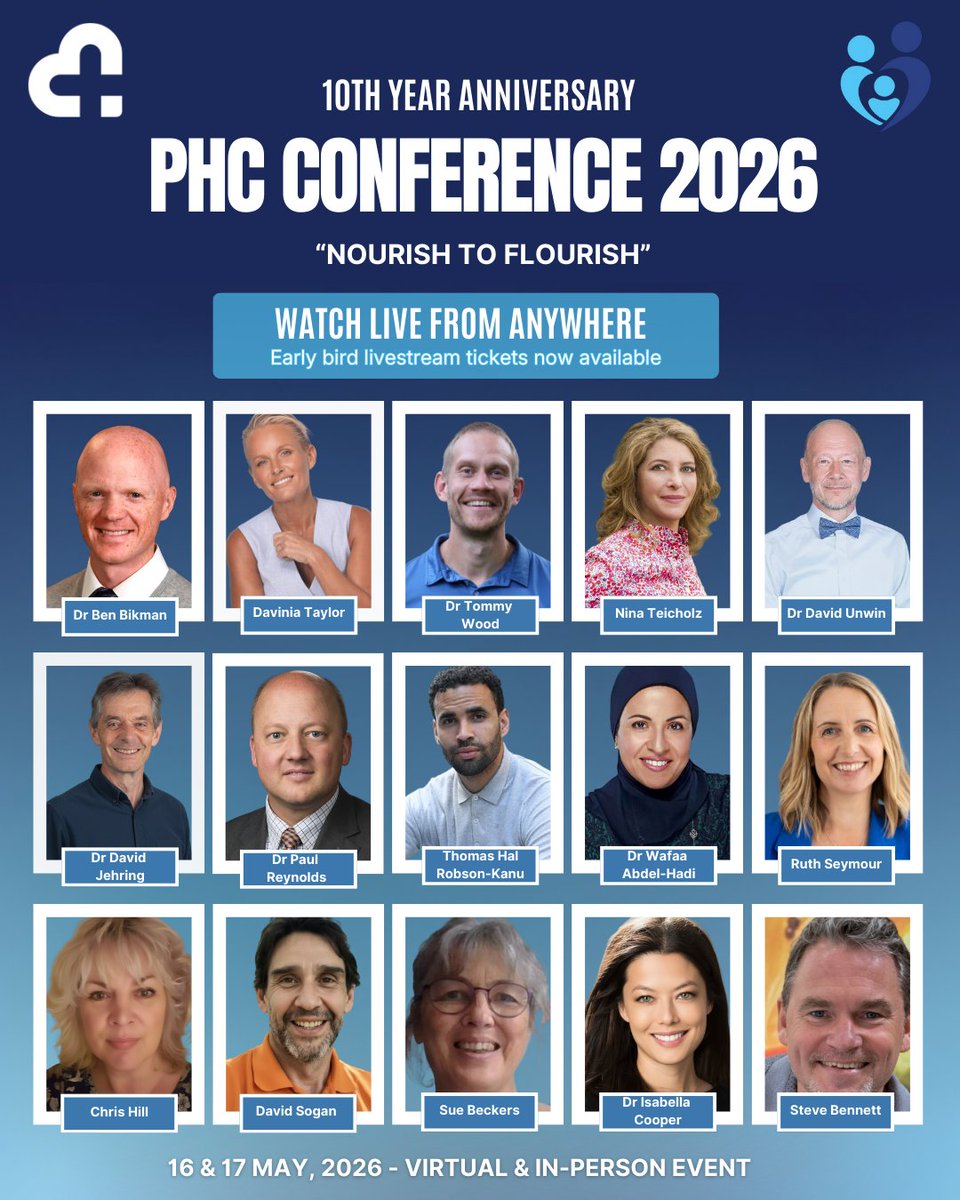
Since 1975, obesity has nearly tripled. Type 2 diabetes, metabolic disease, chronic illness, they keep climbing. And here's the uncomfortable truth: people are getting sicker despite following our advice. So the question isn't whether our patients are compliant. It's whether the advice we're giving still serves them. 500 people aren't waiting for the guidelines to catch up. They want to partner with their doctors to guide their care, not just be told what to do. They're coming to hear what the evidence actually shows, from the people doing the research. Dr. Eric Westman. Professor Richard J. Johnson. Dr. Louise Newson. Nina Teicholz. Isabella Cooper. Just a few of the speakers giving their time, for free, to help us give better advice. This is an opportunity for those of us willing to grow — to learn from them, and from the patients walking in already informed. This isn't a lifestyle problem. It's a knowledge problem. And it's one we can solve together.

Public Health Collaboration tweet media
English
2
7
15
456
RoseB 리트윗함
American Diabetes Society
American Diabetes Society@OfficialADSOrg·
Insulin resistance can develop years before diabetes and sometimes shows up in unexpected ways. Skin conditions like acne or skin tags may be associated with underlying metabolic dysfunction. Knowing your markers matters. pubmed.ncbi.nlm.nih.gov/20464083/
English
0
5
22
701
RoseB 리트윗함
No Farmers, No Food
No Farmers, No Food@NoFarmsNoFoods·
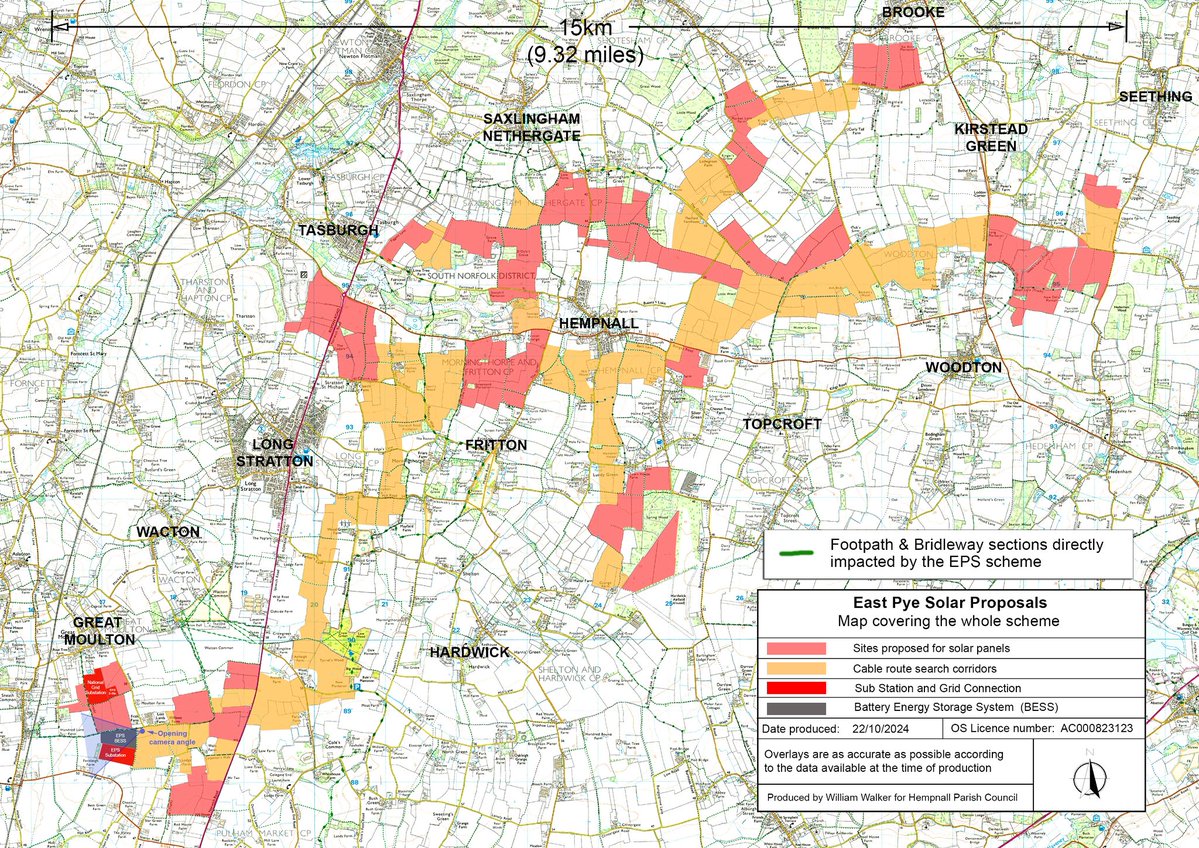
You cannot eat solar panels.
No Farmers, No Food tweet media
English
136
1.3K
3.9K
37.2K
RoseB 리트윗함
Benjamin Bikman
Benjamin Bikman@BenBikmanPhD·
One primary reason visceral fat (i.e., fat around your organs) is more problematic than subcutaneous fat (i.e., fat beneath your skin) is that it grows through hypertrophy. Because of the limited space of that body cavity, visceral adipose is deigned to limit its own growth. Hypertrophic growth (where each cell gets larger), as opposed to hyperplastic growth (where the number of cells increases), is a self-limiting growth. Albeit with consequences. When the fat cells experience hypertrophy, two harmful adaptations follow: 1. They become insulin resistant, leaking free fatty acids; and, 2. They become pro-inflammatory.
English
12
42
432
32.3K
Dr David Unwin
Dr David Unwin@lowcarbGP·
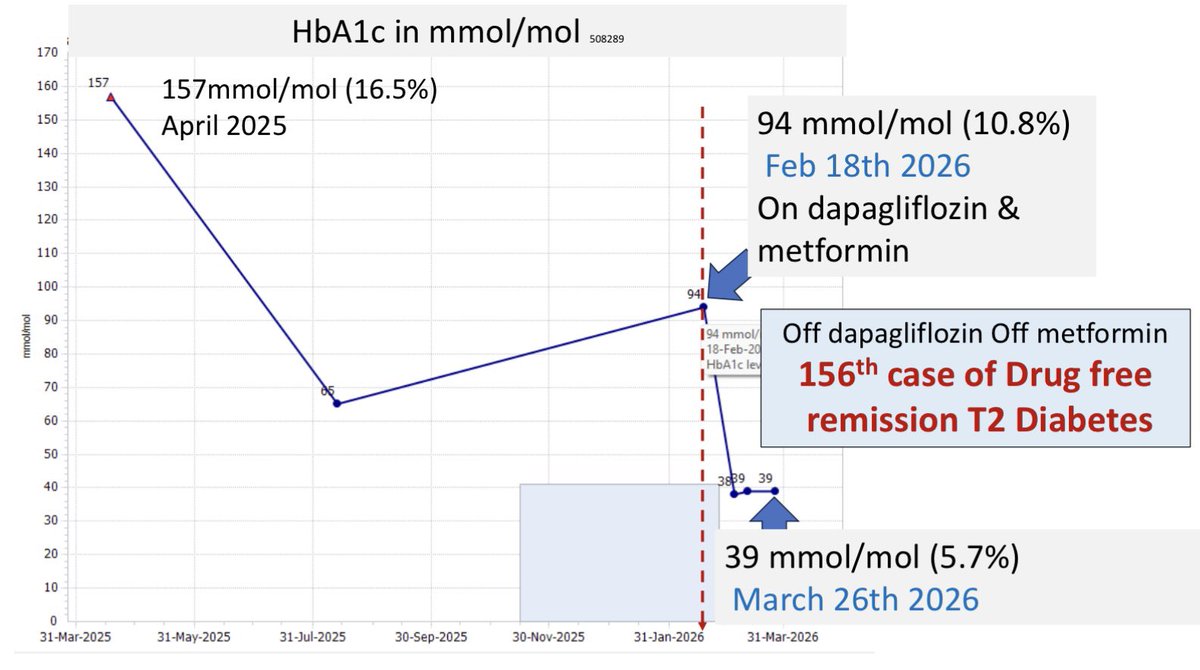
NEWS FLASH! Our 156th case of drug free T2 Diabetes remission!! This young man has changed his life in just two months LOOK Previously poorly controlled diabetes despite dapagliflozin and metformin Diet has done a far better job. He is so proud -so am I 🥳 Just eat nutrient dense food that doesn’t put your blood sugar up! @TyBealPhD @BenBikmanPhD More energy and brain fog gone!!
Dr David Unwin tweet media
English
14
31
182
11.8K
RoseB 리트윗함
Benjamin Bikman
Benjamin Bikman@BenBikmanPhD·
As Japan-USA relationships are reaching a new all-time high, I'm loving every minute of it. As a metabolic scientist, I've loved the opportunities to speak at events in Japan. Why would an American metabolic scientist be invited? Because the metabolic problem in Japan isn't that far off from the USA. To understand this, you need to appreciate the nuanced relationship between obesity and diabetes. We often assume that fat mass matters most. However, the size of our fat cells matters more when it comes to metabolic health. Caucasians (the dominant ethnicity in the USA) have the ability to make new fat cells as they gain weight. This means their fat mass can expand while the size of the fat cells remains fairly normal. However, in East Asians, the ability to generate new fat cells is limited; thus, any fat gain pushes the fewer fat cells to be larger. And large fat cells promote metabolic dysfunction. This explains why the USA can be significantly fatter than Japan, yet have diabetes rates that are only a point or so higher.
English
10
23
315
10.7K
RoseB 리트윗함
Isabella Cooper
Isabella Cooper@I_mitochondria·
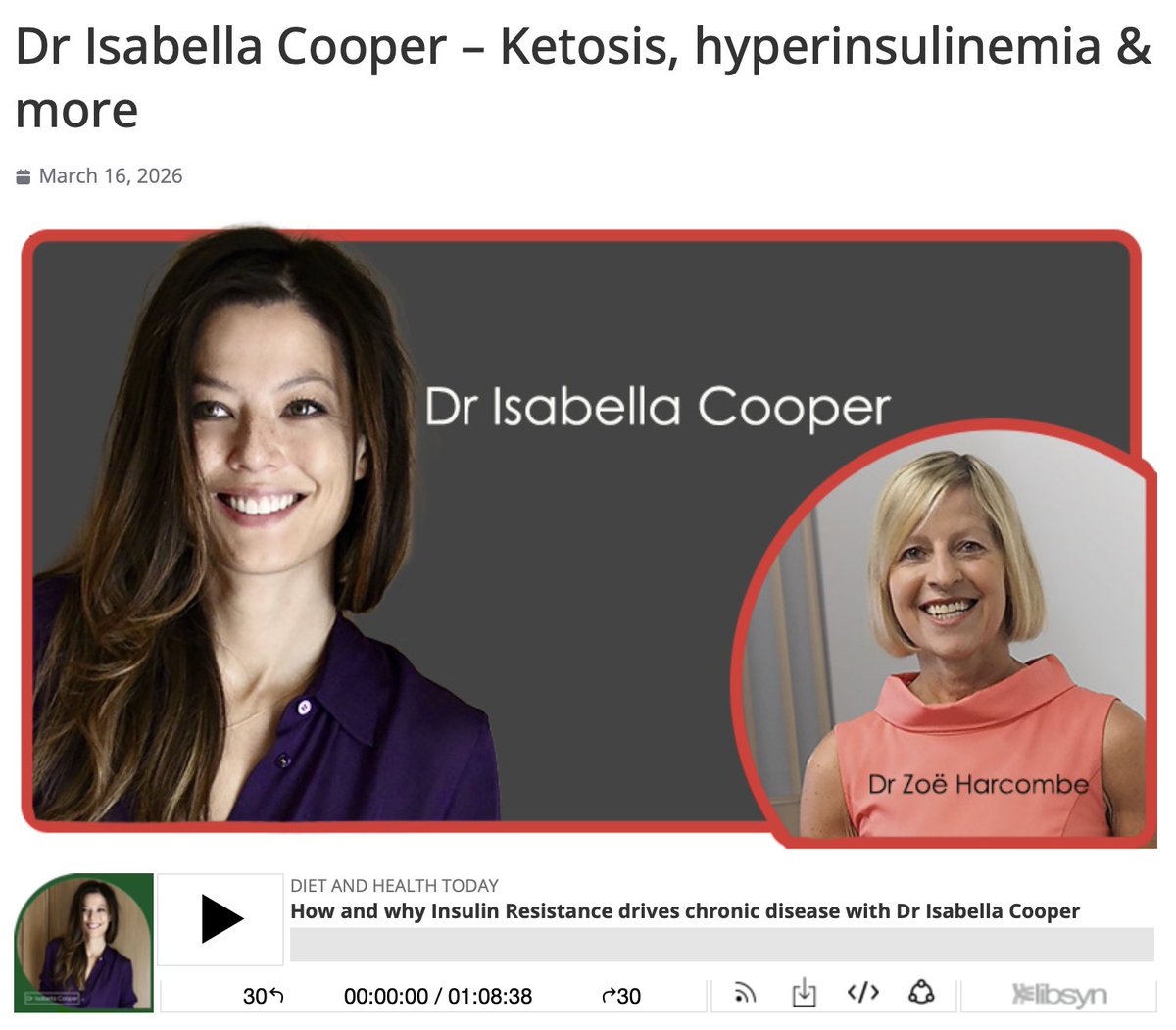
Dr Zoe Harcombe @zoeharcombe and I had a great chat about hyperinsulinaemia, insulin resistance and ICE (Insulin-Compensated Euglycaemia) recently, which is now online to listen to! I am a little 😉 obsessive 🤪 with the details and Zoe very graciously let me talk my head off 🙏🤓🤗 ICE (Insulin-Compensated Euglycaemia) = "healthy" looking glucose and HbA1C levels due to too much insulin = hyp-O-ketonaemia zoeharcombe.com/2026/03/dr-isa…
Isabella Cooper tweet media
English
8
31
163
40.5K
Mike - Low Carb Dietitian
Mike - Low Carb Dietitian@thelowcarb_rd·
I'm writing a 3,000 word essay at the moment about how the healthcare industry isn't actually set up to help those with diabetes. In my opinion, it's setup to create lifelong medicine dependency and almost guarantee the development of diabetic complications. Maybe I'll post it here too.
English
21
11
101
3.2K
RoseB 리트윗함
Dr David Unwin
Dr David Unwin@lowcarbGP·
HOW FAST CAN LOW CARB WORK? So last week I met a young man symptomatic with very poorly controlled diabetes HbA1c 10.6% or 92 mmol/mol. I advised low carb & prescribed a continuous glucose monitor (against our UK Guidelines) ONE WEEK LATER his Libre estimates 5.6% or 38mmol/mol He feels and looks transformed 🥳👍 T2 Diabetes? Try avoiding the foods that put your blood glucose up @KenDBerryMD @DoctorTro
English
36
74
477
23.7K
RoseB
RoseB@RoseButler·
@thelowcarb_rd I'm truly sorry to hear that Mike, what an absolute shame ☹️
English
0
0
1
72
Mike - Low Carb Dietitian
Mike - Low Carb Dietitian@thelowcarb_rd·
The Primary Care Network I work for just axed my dietitian role to "save money." In 3 years I helped: • 93 patients achieve diabetes remission • 54 become symptom-free from IBS • 19 women with PCOS conceive I calculate this saves £35k/year in diabetes drugs alone Now 450 patients have nowhere to go to get help. 12-month hospital wait for new referrals. So patients will literally be left to their own devices. The sad reality is, the healthcare industry isn't about outcomes. It's about balance sheets. Dietitians = non-essential. Lifetime medications = essential. Make it make sense.
English
38
34
265
7.7K
RoseB 리트윗함
Valerie Anne Smith
Valerie Anne Smith@ValerieAnne1970·
🚨Game-changing insight from Dr. Ben Bikman: Forget obsessing over LDL—your triglyceride-to-HDL ratio is the BEST indicator of insulin resistance & heart health! Divide your triglycerides by your HDL (both in mg/dL). - Under ~1.5? You're insulin sensitive—great sign! - Over 1.5? Red flag—time to rethink carbs, prioritize protein/fat & cut refined sugars. High ratio = higher risk for type 2 diabetes, heart disease, metabolic syndrome. Low ratio = fantastic metabolic flexibility. Check your latest labs—what's your TG/HDL? Drop it below 👇
English
118
533
2K
151.6K
RoseB 리트윗함
Dr Rangan Chatterjee
Dr Rangan Chatterjee@drchatterjeeuk·
Do you believe chronic ill health is unavoidable, or do you think we can do better? In this week's latest episode of my 'Feel Better, Live More' podcast, @lowcarbGP [Dr David Unwin] challenges the idea that poor health is just the price we pay for getting older. He reminds us that many of the conditions we now accept as “normal” didn’t used to be, and that our modern environment, especially the way we eat, has changed faster than our biology. Our bodies are far more adaptable than we’re often led to believe. And with the right understanding and simple, consistent changes, it’s possible to feel better, regain energy and reduce the risk of chronic disease at any age. Dr David Unwin has spent decades seeing people improve their health in ways they were told weren’t possible. His message is not about blame. It’s about hope. Many conditions we accept as inevitable don’t have to be. If you’ve ever been told “this just runs in your family” or “it’s part of getting older,” this episode may change how you see your health. It is a reminder that better health is often closer than we think. Tune into the full conversation in episode 611 of my 'Feel Better, Live More' podcast
English
25
68
227
49.6K
RoseB 리트윗함
Public Health Collaboration
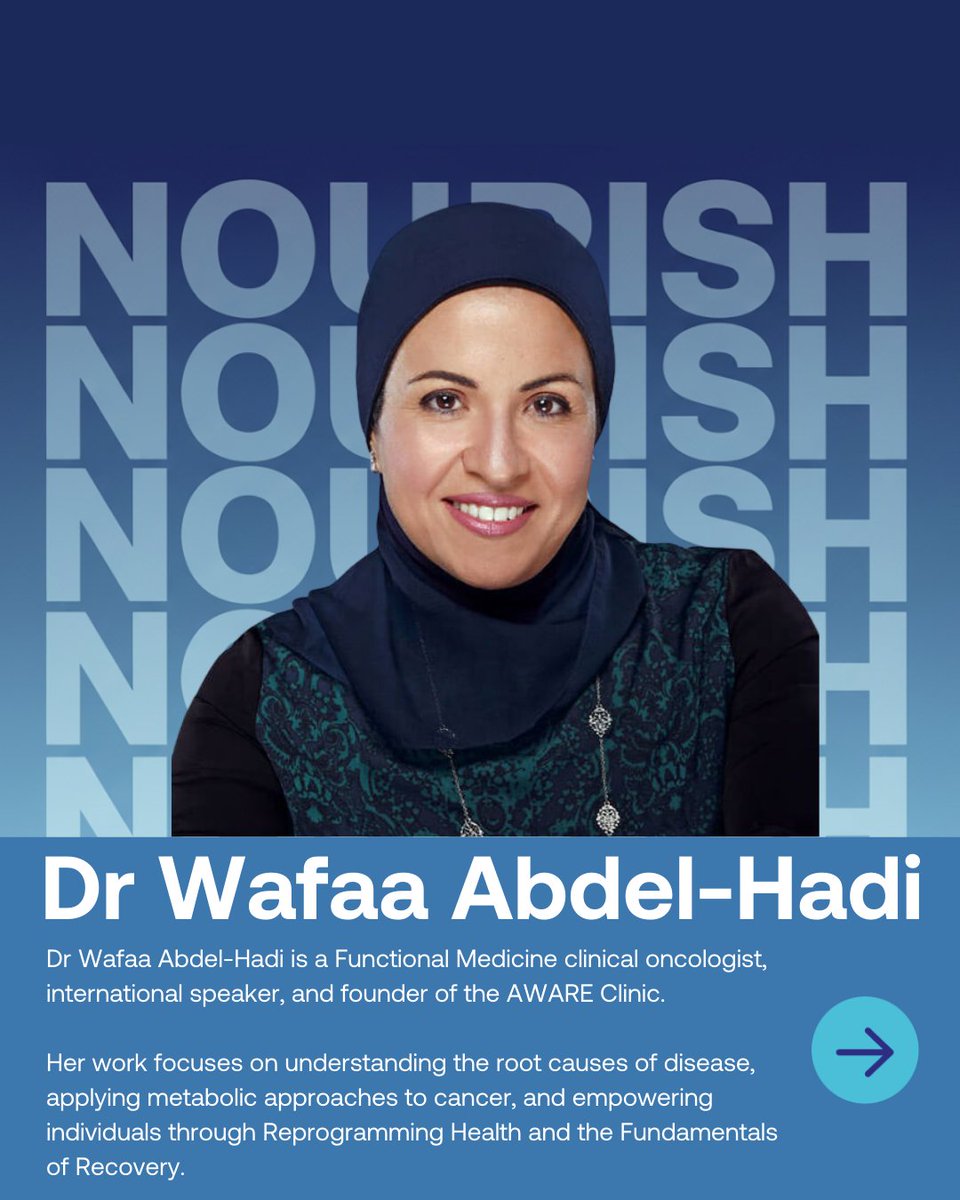
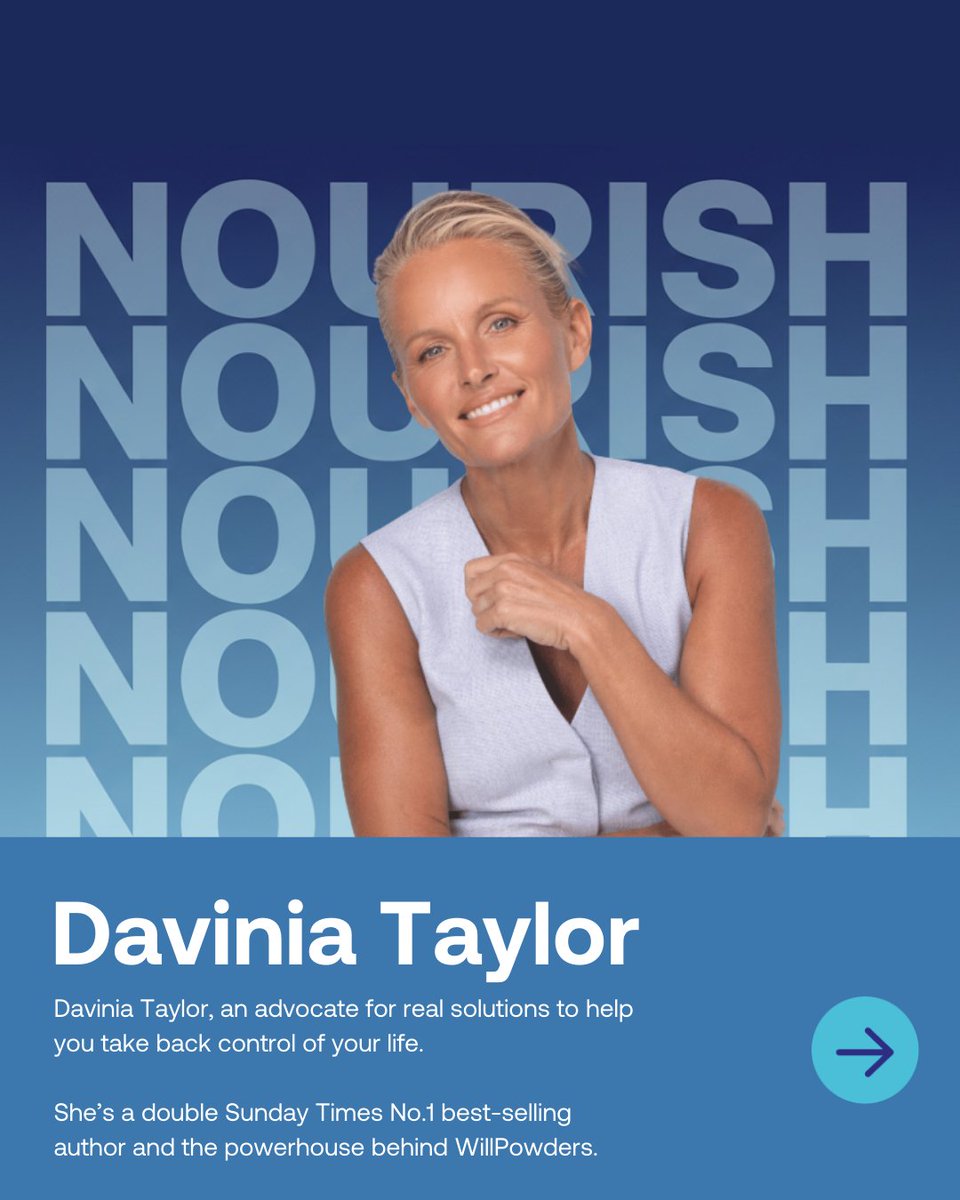
Women spend 25% more time in poor health than men, despite living longer. Hormone imbalance. Menopause. Nutrient deficiencies. These are just some of the challenges women face. It’s time to stop normalising women’s suffering. This May at the PHC Conference 2026: Nourish to Flourish, we’re bringing together leaders in nutrition, medicine, and education. Joining us to discuss women’s health is...
Public Health Collaboration tweet mediaPublic Health Collaboration tweet mediaPublic Health Collaboration tweet media
English
1
5
11
239
RoseB 리트윗함
Dr Zoe Harcombe, PhD
Dr Zoe Harcombe, PhD@zoeharcombe·
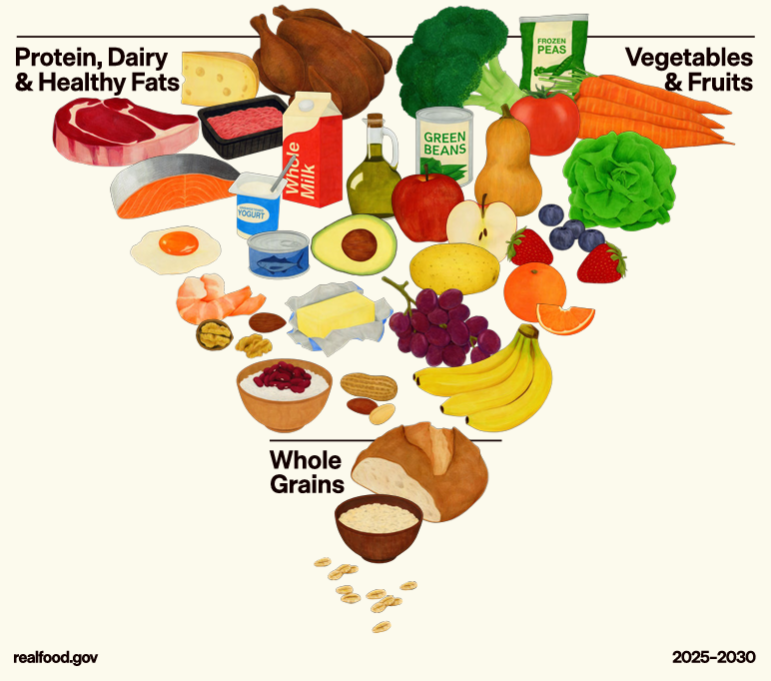
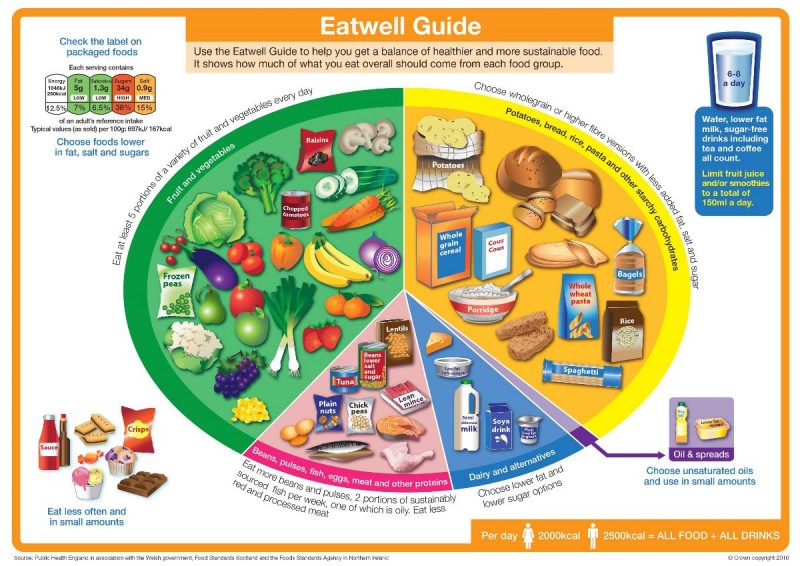
I call the UK 'Eatwell Guide' the Eatbadly Guide. How much worse does it look next to the revised US food pyramid?!
Dr Zoe Harcombe, PhD tweet mediaDr Zoe Harcombe, PhD tweet media
English
73
133
796
36.6K
RoseB 리트윗함
Sama Hoole
Sama Hoole@SamaHoole·
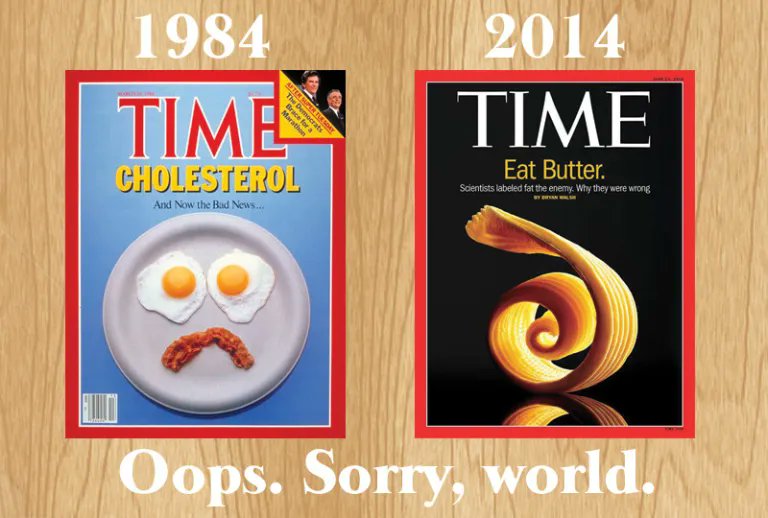
Here's how butter came to be demonised. It needed three things happening simultaneously: flawed science, corporate capture, and convenient timing. 1. Flawed science: Ancel Keys published the Seven Countries Study in 1958, claiming saturated fat caused heart disease. He had data from 22 countries but only published the seven that supported his hypothesis. When other researchers tried to replicate using all 22 countries, the correlation disappeared. Keys responded by attacking their careers. Dr. John Yudkin suggested sugar might be the actual problem. Keys destroyed him professionally. Got his funding cut, blocked his publications, called him a liar publicly. Yudkin died in obscurity. He was vindicated 40 years too late. 2. Corporate capture: The sugar industry funded research minimising sugar's role in heart disease. Internal documents released in 2016 show they paid Harvard scientists to blame fat instead. The dairy industry didn't coordinate a defence because they were fragmented - thousands of small producers with no unified response. Meanwhile Procter & Gamble had unlimited resources and singular focus. One company, one product, one message: vegetable oil is healthy, animal fat is deadly. 3. Convenient timing: Eisenhower's heart attack in 1955 gave Keys a platform. The President nearly died and everyone wanted to know why. Keys had an answer ready. He appeared on TV, in newspapers, testifying to Congress. The fact that Eisenhower smoked 80 cigarettes daily was downplayed. The butter on his breakfast steak was the story. The 1960s-1970s saw rising heart disease rates. Nobody questioned whether this correlated with increased sugar and seed oil consumption starting in 1920s-1930s. The narrative was set: saturated fat is the killer. The medical establishment accepted it because Keys controlled the American Heart Association, which controlled guidelines, which controlled medical school curricula, which trained the doctors who believed it. By 1980, the USDA Dietary Guidelines made it official. Reduce saturated fat. Replace with polyunsaturated oils. Every doctor, dietitian, nurse, and nutritionist was trained on these guidelines. The demonisation was complete. A food eaten safely for 10,000 years was now considered poison based on one man's cherry-picked data, funded by companies selling the replacement product, accepted by institutions captured by industry money. Butter didn't change. The science didn't change. The funding changed. And the funding bought the stigma.
Sama Hoole tweet media
English
31
290
767
17.2K
RoseB 리트윗함
Public Health Collaboration
Studies show that around 1 in 4 normal-weight adults are metabolically unhealthy. Often without realising it. This is why waiting for symptoms or a diagnosis misses the point. Metabolic health is about what’s happening beneath the surface, and where your health is heading long before problems appear. This isn’t about fixing something later. It’s about understanding early enough to change the direction. And because most metabolic illnesses are preventable when addressed early, knowledge isn’t optional anymore; it’s protective. That’s why the PHC Conference 2026: Nourish to Flourish matters.
Public Health Collaboration tweet media
English
1
4
9
240
Dr David Unwin
Dr David Unwin@lowcarbGP·
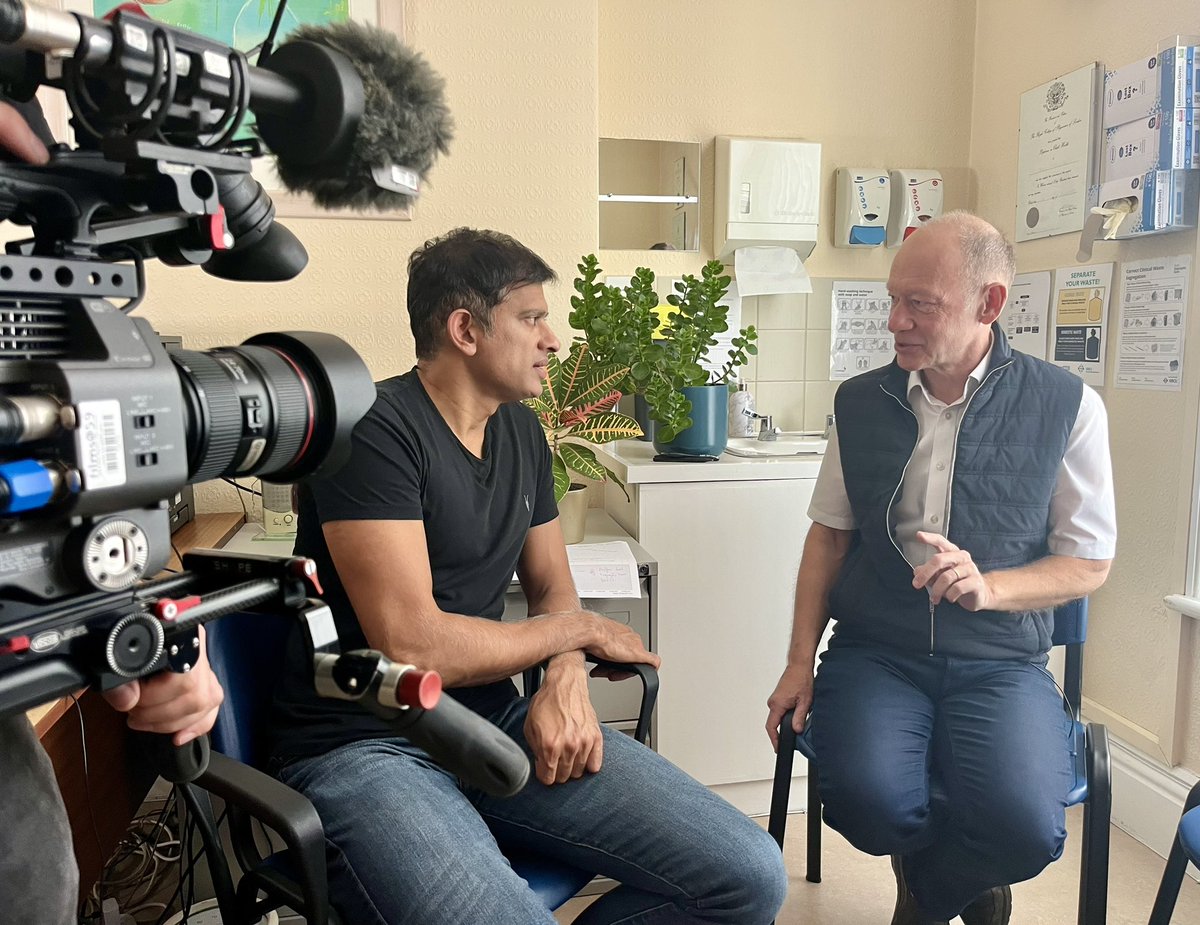
Happy New Year ! An hour long TV documentary ‘Live well with the drug free doctor’ @drchatterjeeuk and I with some of my amazing low carb patients 8pm January 8th 2026 Channel 4. We are showcasing what can be achieved in the UK NHS by avoiding foods that put your blood sugar up 🥳👍
Dr David Unwin tweet media
English
29
119
474
58.8K