Brothers of the Serpent Podcast

3.4K posts

Brothers of the Serpent Podcast banner
Brothers of the Serpent Podcast

Brothers of the Serpent Podcast

@SnkBrs

Brothers of the Serpent: A podcast on which two brothers explore the mysteries of the ages, the ancients, and the modern day

Texas, USA 가입일 Kasım 2018
79 팔로잉14.5K 팔로워
Brothers of the Serpent Podcast 리트윗함
Ben van Kerkwyk - UnchartedX
Ben van Kerkwyk - UnchartedX@UnchartedX1·
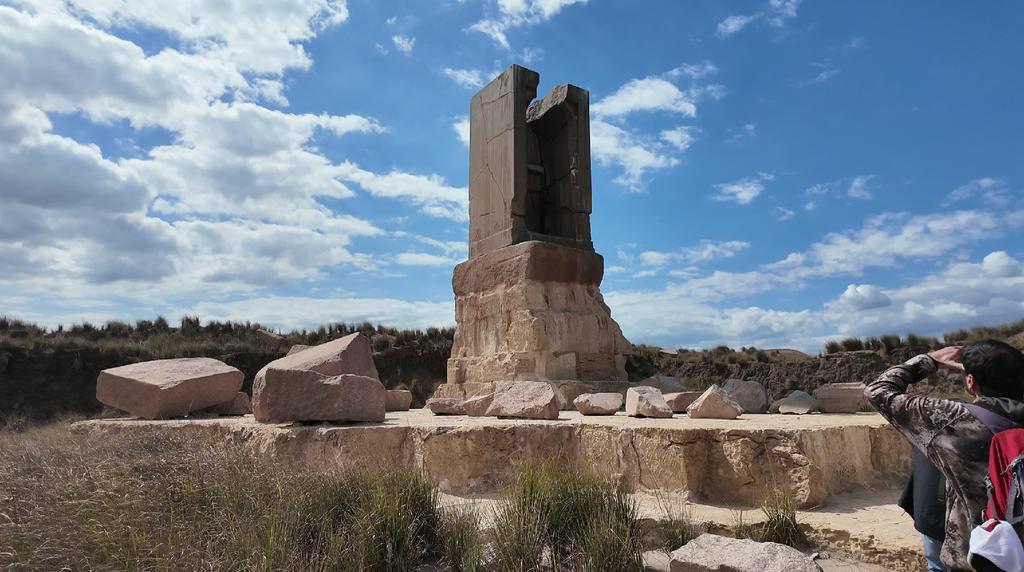
New video! We visit Ancient Mendes - a rarely seen and massive ancient Egyptian site, going back to pre-dynastic times. Amazing megaliths, including the largest 'Naos' (single piece upright granite box) in Egypt. We found much more than we expected! Vase fragments, machined stone, and more... #egypt #ancient
Ben van Kerkwyk - UnchartedX tweet media
English
11
38
266
6.5K
Brothers of the Serpent Podcast 리트윗함
Ben van Kerkwyk - UnchartedX
Ben van Kerkwyk - UnchartedX@UnchartedX1·
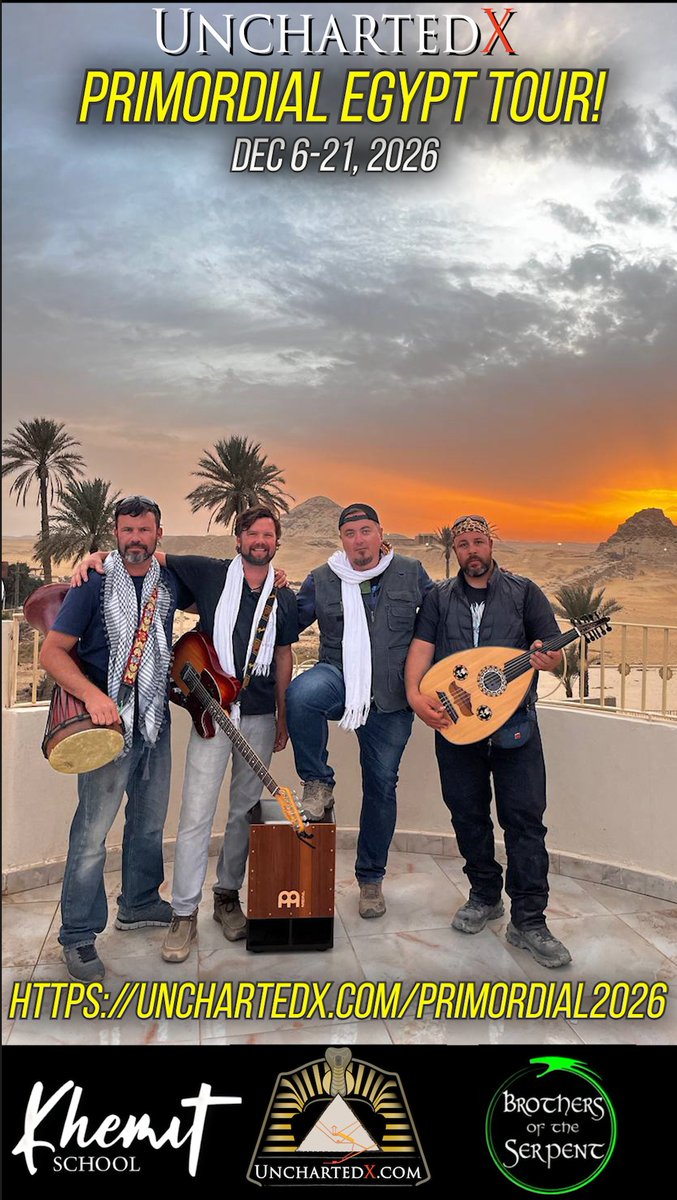
Join us in Egypt in December this year! 16 days, 7 special permission visits into closed sites, lots more! all deets: unchartedx.com/primordial2026 Hosted by myself and my good friends Yousef Awyan, and Kyle and Russ Allen. Upper and Lower Egypt, a 4 night Nile cruise, 5* hotels, and a heavy focus on special permission accesses. Want to know what the trips are like? Check out the testimonials page (with vids): unchartedx.com/futuretours/
Ben van Kerkwyk - UnchartedX tweet media
English
10
10
109
5.4K
Brothers of the Serpent Podcast 리트윗함
Artifact Foundation
Artifact Foundation@ArtifactFNDN·
The Artifact Foundation has been busy searching for pre-dynastic artifacts in the Sinai Peninsula. Many of these sites were excavated many years ago, if at all. The site is an oasis and we are on the road connecting Saint Catherine’s from the oasis. A road walked on for tens of thousands of years. Perhaps 100,000’s
Artifact Foundation tweet mediaArtifact Foundation tweet media
English
7
10
82
7.4K
Brothers of the Serpent Podcast 리트윗함
Ben van Kerkwyk - UnchartedX
Ben van Kerkwyk - UnchartedX@UnchartedX1·
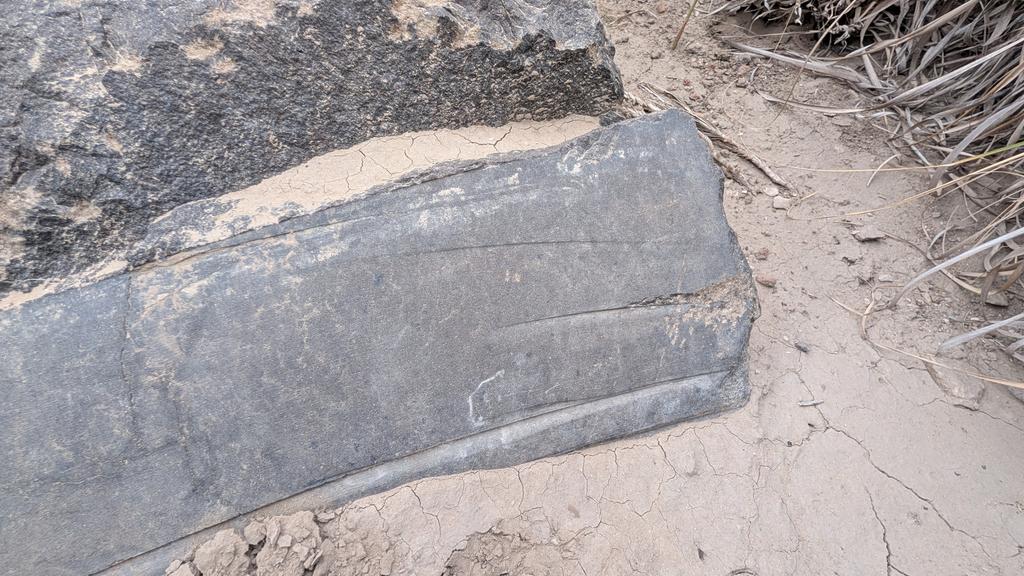
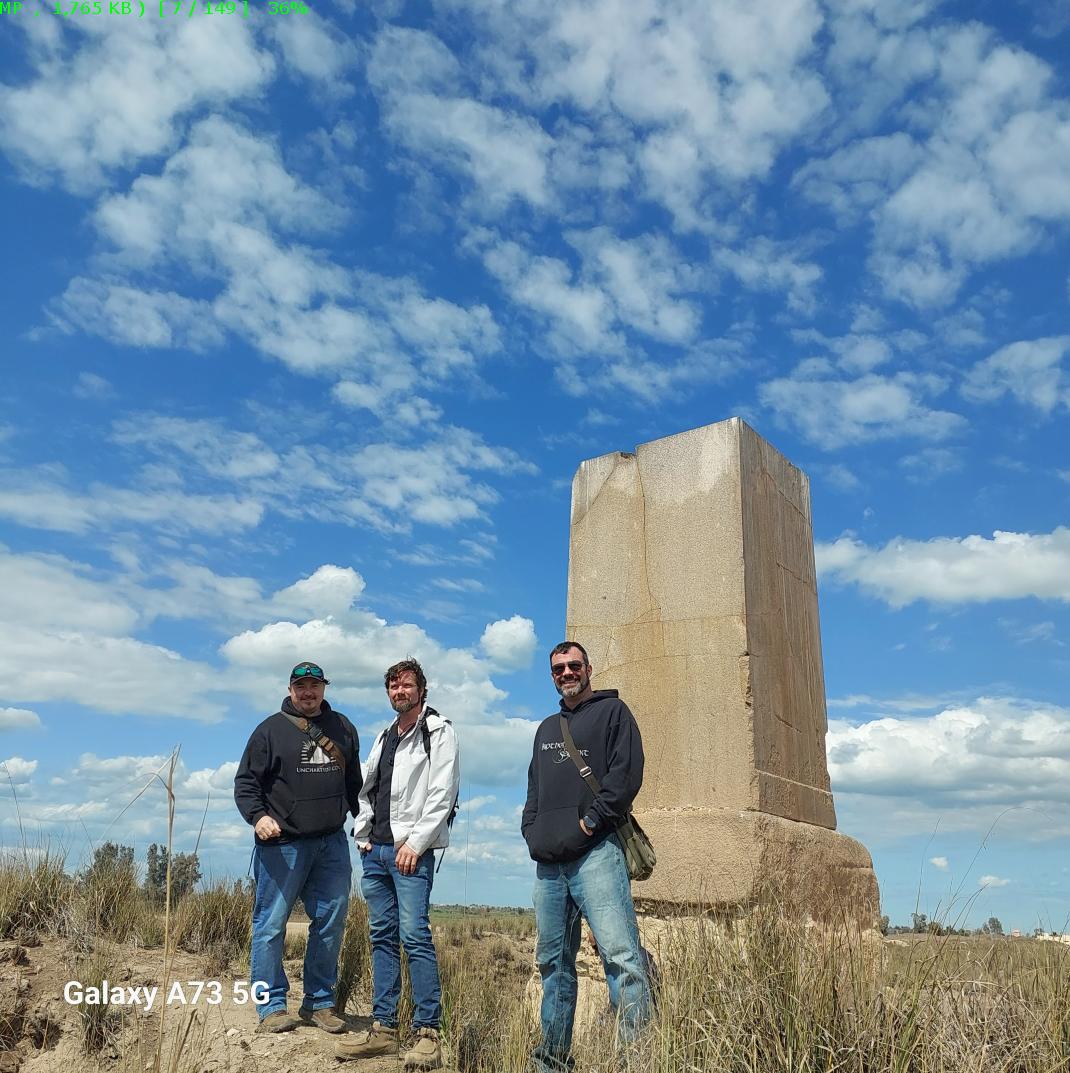
After much negotiation, finally got out to Tell el-Roba in Egypt - ancient Mendes. Amazing site, 250+ acres, much more here than I expected. Obviously the naos was the main attraction, but we found hard stone vase fragments (with core drill markings) in the midden, along with pre-pottery neolithic A flint tools, unifacials etc, identical to what you see at places like Karahan Tepe. Pearl clutchers, activate. Also, circular saw witness marks in buried basalt slabs, just like at Giza and Abu Sir. Video to come, but currently busy in Egypt!
Ben van Kerkwyk - UnchartedX tweet mediaBen van Kerkwyk - UnchartedX tweet mediaBen van Kerkwyk - UnchartedX tweet mediaBen van Kerkwyk - UnchartedX tweet media
English
23
39
676
17.2K
Brothers of the Serpent Podcast 리트윗함
Ben van Kerkwyk - UnchartedX
Ben van Kerkwyk - UnchartedX@UnchartedX1·
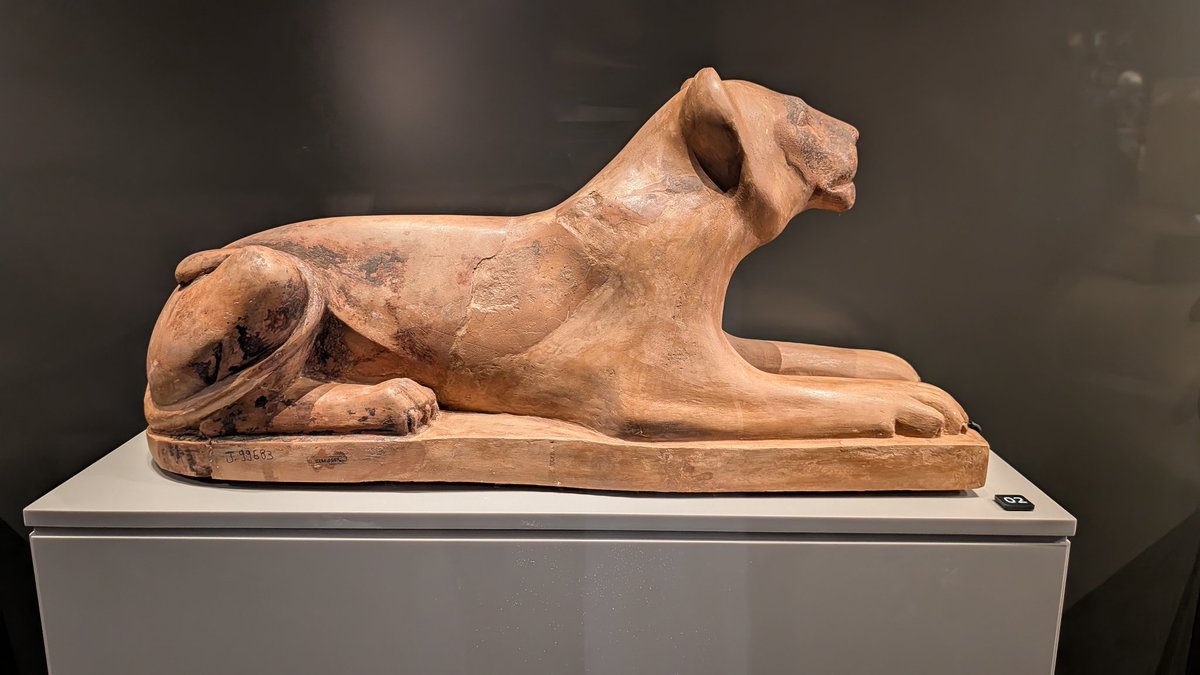
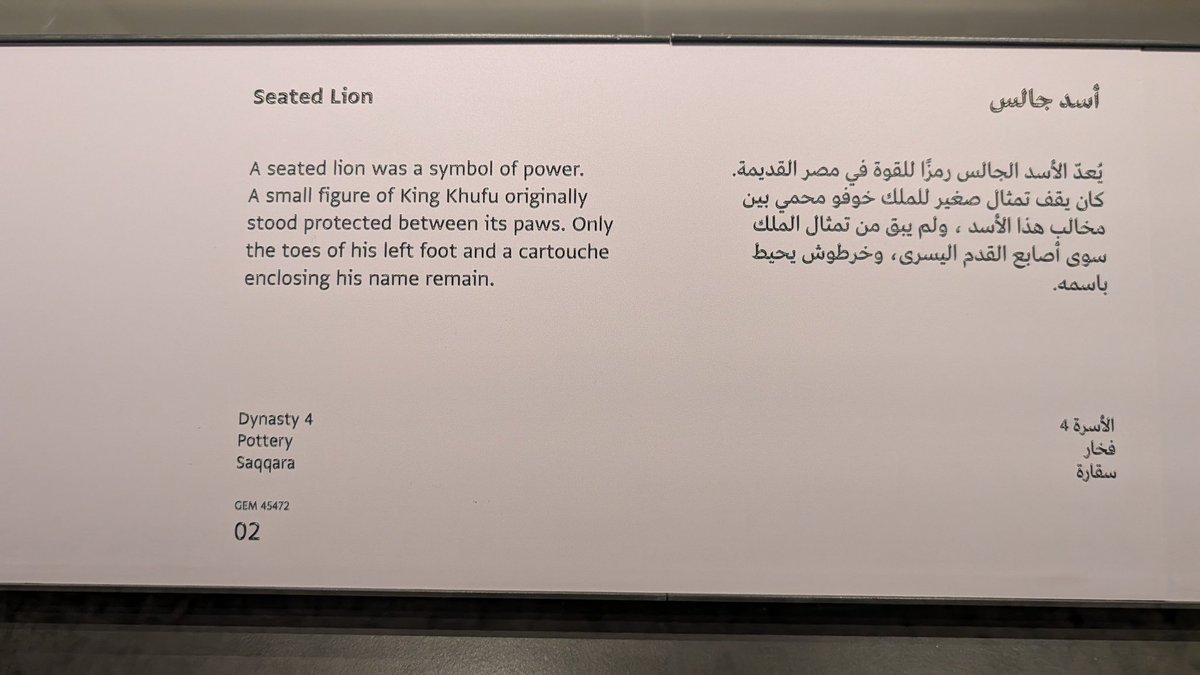
Statue of a lion with a small figure of Khufu (father of Khafre) between its legs? Whatever could it mean? Seems somehow familiar, can't quite put my finger on why
Ben van Kerkwyk - UnchartedX tweet mediaBen van Kerkwyk - UnchartedX tweet mediaBen van Kerkwyk - UnchartedX tweet mediaBen van Kerkwyk - UnchartedX tweet media
English
42
50
720
38.2K
Brothers of the Serpent Podcast
I am in Egypt again 🥳 I sent a picture of the Sphinx to my wife. She responded with "Kitty is still in the litterbox"
English
4
2
34
1K
Brothers of the Serpent Podcast 리트윗함
Ben van Kerkwyk - UnchartedX
Ben van Kerkwyk - UnchartedX@UnchartedX1·
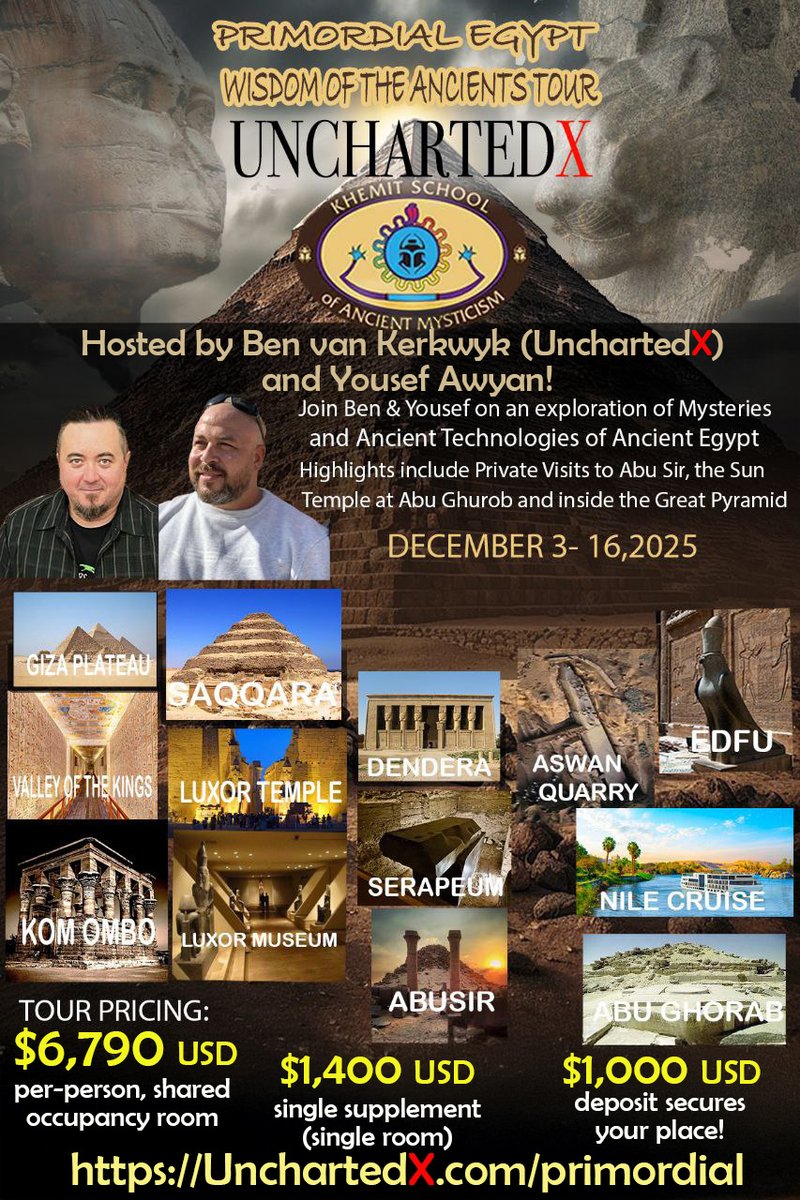
Getting ready to head off to Egypt for the December Primordial Tour - there are few spots still open for anyone looking for an adventure before the end of the year! Happy to say that we'll also be joined by Russ Allen of @SnkBrs! All the details are here: unchartedx.com/primordial
Ben van Kerkwyk - UnchartedX tweet media
English
17
17
378
16.8K
Brothers of the Serpent Podcast 리트윗함
DoobieBroN
DoobieBroN@Kano9112·
Rockin out with @UnchartedX1 and the @SnkBrs in Ollantaytambo
English
4
5
68
7.9K
Brothers of the Serpent Podcast 리트윗함
DoobieBroN
DoobieBroN@Kano9112·
Made it to Peru w/my homies @SnkBrs & @UnchartedX1 and already got blessed (I think?) by a shaman
DoobieBroN tweet media
English
3
6
72
6.6K
Brothers of the Serpent Podcast 리트윗함
Steve Adams
Steve Adams@SteveAdamsSoil·
Part 3 What We Found Below the Walls of Sacsayhuaman Three pits were excavated along the western portion of the lower walls of Sacsayhuaman. Two on the lowest level, and one on the next level up. After a few days of digging it became clear that this was not going to be as simple as I originally thought. Large boulders were encountered during the dig. They sat directly in front of the blocks we wanted to date. Luckily some were able to be removed, and we could just barely work around the others. This brings us to an interesting observation and leads to several questions. What was the purpose of these large stones? Were they intentionally placed in front of the walls to help secure and stabilize them? Were they part of the original wall and fell off at some point? Were they destined for being part of the wall, but never made it because of halted construction? The boulders were surrounded by a mix of small angular gravel chips, mostly composed of limestone along with a mix of finer sediment, mostly clay and silt (smaller than sand which is what we’re after). Depending on the pit and the distance from the surface there are sections where the gravel chips are more abundant (what a geologist would consider clast supported), and others, less abundant (what we would call matrix supported). This material is at least 1-2m thick for the pits in the lower walls, and likely thicker in the upper wall. I should also note that there are some igneous gravel clasts, what is locally referred to as green diorite, similar in composition to the Inca Slide. Though it also outcrops on the hill the walls are built around. Some clasts are larger than gravel, but smaller than the bigger boulders. Questions to consider based on these observations are: How were these angular limestone gravel chips made? Where did they come from? The massive wall blocks are made of local limestone. Are these chips from their carving? Or were they made specifically as earthworks sediment fill and blended with local soil? Where did the fine sediment come from? Was it sourced locally from the citadel hill or in creation of the adjacent plain? You may also be asking what was below this layer of gravely fill? Below this fill is heavy red clay. We interpret it as the Maras Formation. A Cretaceous sediment that appears to have filled in around the Cretaceous limestone and karst of the Ayabacas Formation. Though at the base of the pits it is mostly red clay, this formation can have layers of bleached sediment where it turns white or yellow, layers of gypsum, and layers of fine sand (this is the kind of sand we are hoping is right below the blocks). Some have asked why we stopped digging. It is because we hit this Cretaceous Formation. It is the equivalent of hitting bedrock. There are no more stones below it. So what was directly below the basal wall blocks of Sacsayhuaman? First I should say that in all three pits there was only one additional row of wall blocks below the row visible at ground level. Below that basal row of blocks we found 6 to 8 inches (15-20cm) of what we interpret as a human created foundation layer, composed of angular gravel chips and fine sediment. The difference between this layer and the fill that makes up the pit walls is that the foundation layer is partially altered and bleached of color. We assume this is because of movement of ground water through this layer. As water drains off the hill and from behind the walls it travels down through the more porous sediment and then hits the more impermeable layer of clay in the Maras Formation and then travels along this contact where the water causes some alteration of the sediment.
Steve Adams tweet mediaSteve Adams tweet mediaSteve Adams tweet mediaSteve Adams tweet media
Steve Adams@SteveAdamsSoil

Part 2: Planning for the Unknown Our objective was to collect samples from below the large megalith walls of Sacsayhuaman for dating. This could be our one chance to do so, and we wanted to be prepared for a range of possibilities and challenges. Over the last few years I have been working on a strategy to use Optically Stimulated Luminescence (OSL) to date megalithic structures, especially those with contested ages. While this method is commonly used in Quaternary Geology and Archeology, it is less frequently used to date large stone structures. More often it is used to date sediment associated with a geological event (deposition of sand dunes or loess), or sediment deposited at the same time as human activity (sand deposited in the same sedimentary layer as a human artifact). I won’t go into all the requirements of OSL, but generally you want well traveled, recycled, distal, quartz, with full exposure to the sun before burial. Quartz grains you might find in wind blown sand dunes sourced from sediment deposited by a long traveled river would be ideal. The further you get from this ideal scenario, the more challenging it becomes to date the burial event. OSL is measuring the length of time the quartz grain has been buried after being fully exposed to sunlight. When buried, the quartz grain is exposed to ionizing radiation from radioactive isotopes in the soil. Over time this causes an accumulation of electrons in the crystal lattice of the quartz grain, which can later be measured in a specialized lab. I’ll post a screen shot of an excellent concise explanation by Nelson et al., 2015, User Guide for Luminescence Sampling in Archaeological and Geological Contexts. This brings us to our first question about the megalithic walls of Sacsayhuaman: What are they sitting on? The initial method I considered to date megalithic structures was to dig a deep pit next to the stone block we would like to date, then hammer a rectangular steel tube along the bottom of it, collecting sediment in contact with its base. As it turned out there have been similar attempts made using round tubes on large stone jars in Laos (Shewan et al. 2021) and by collecting sediment from below stone walls in New England (Mahan et al., 2015). . No matter the sampling method, the starting assumption (and hope) is that the sediment collected has quartz that has been fully reset by solar exposure just prior to stone placement, then buried without disturbance until time of collection. Before the pits were dug it was unknown how valid this assumption would be. We did not know what the stones were sitting on. Were they placed on carved and flattened bedrock? Were they placed on a prepared foundation? Were simply placed on unprepared soil? Was there adequate well transported quartz?

English
27
65
561
44.4K
Brothers of the Serpent Podcast 리트윗함
Ben van Kerkwyk - UnchartedX
Ben van Kerkwyk - UnchartedX@UnchartedX1·
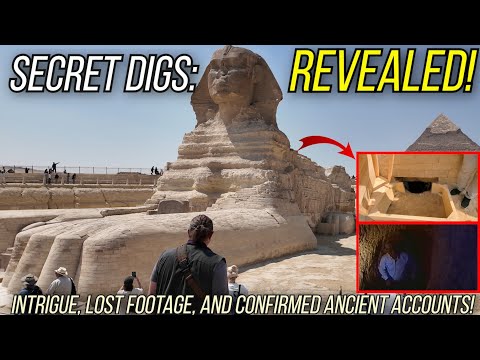
New video! Some new footage has come to light concerning a particularly interesting set of expeditions at Giza in the 1990s - with significant implications for what just might be below the ground of the Sphinx and Plateau... check it out here: youtu.be/nOhSr1kSB4A #egypt #sphinx #pyramids
YouTube video
YouTube
Ben van Kerkwyk - UnchartedX tweet media
English
19
52
460
24.1K