
algrid
7.9K posts








Android has always driven innovation in the industry through its unique flexibility and openness. At this important moment, we continue to be at the forefront of how developers distribute their apps and games on billions of devices globally. Today we are announcing big changes: – Leading the way in store choice: A registered app store program that makes installation of participating app stores easier with a streamlined flow – A new business model for Google Play with lower prices for developers: The ability to use your own billing alongside Google Play Billing, and lower service fees. These changes will make for a stronger Android ecosystem with more choice for users and even more successful developers who can further invest in higher quality experiences on mobile and beyond. The above will be rolling out in phases, subject to local laws and processes. We are also excited to announce that we’ve resolved all our disputes with Epic Games globally! Details on all of this can be found at our blog post. android-developers.googleblog.com/2026/03/a-new-…






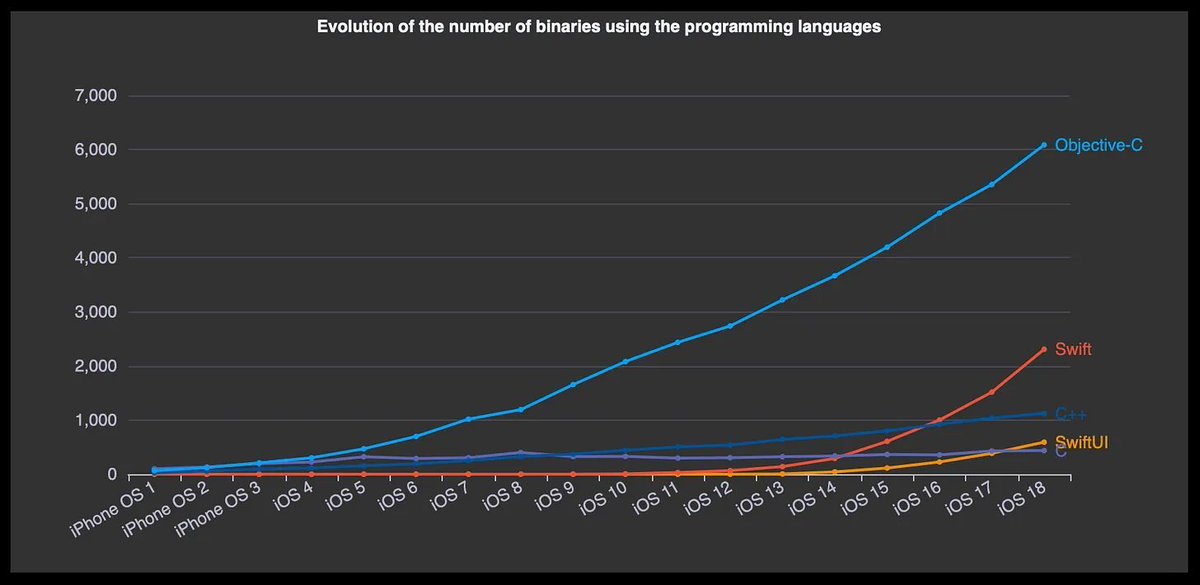
An under-discussed topic: how the hottest software engineering job of the early 2010s is seeing a steady but ongoing decline the last few years. I'm talking about the native iOS and Android positions. Outside of Big Tech, few startups/scaleups hire for this. Since ~2022?



At a past company, the head of engineering and the principal engineers decided to break our Ruby on Rails application into a Go microservices mesh. They created very detailed design documents and architecture diagrams. They went all out and used Kubernetes, gRPC, service templates, the whole shebang. The whole senior engineering leadership came from Amazon, where they were used to each team owning a distinct service. They tried to apply that model directly. But our issues were with code ownership and poor domain modeling. The entire application could have run on just a handful of EC2 instances. What was the result? Five years later, 70% of the application is still running on the Ruby on Rails monolith. Never completed the migration. But now they have to maintain two systems. None of the original leadership works there anymore.


