B Burnworth
31.6K posts

B Burnworth
@bburnworth
Can 📐 pay for itself? Civil Engineer - Making your community a better place. My Tesla referral code https://t.co/oeQWIkI8at Thank you all!


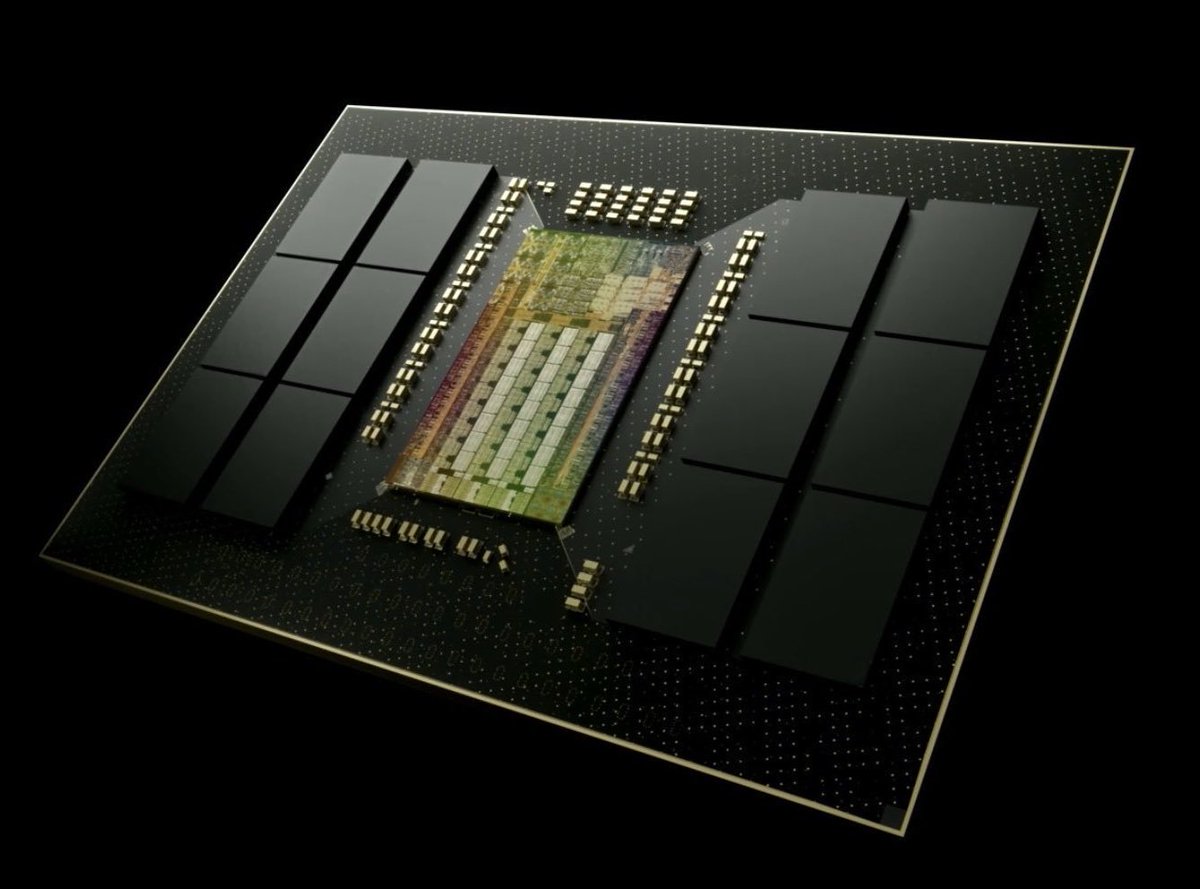
Terafab may be the most essential vertical integration Tesla has ever undertaken— and it is truly non-optional. It will take years to build and will test even Elon’s speedrunning abilities to the limit, but that won’t stop him from trying. The breakthrough likely lies in overhauling the overall facility’s cleanroom model. By moving wafers in sealed pods with localized micro-environments, the fab no longer needs a monolithic ultra-clean space. Elon’s line about “eating cheeseburgers and smoking cigars” on the fab floor isn’t silly, it’s the practical reality of a radically simpler, cheaper, faster approach that could finally change the economics of chipmaking. This is all forced by the brutal “pinch” in chip supply. Tesla must produce on the order of 100–200 billion AI chips per year just to saturate its roadmap. That volume powers: FSD cars & Robotaxis (tens of millions of vehicles needing AI5 inference for near-perfect autonomy), Physical Optimus (scaling from thousands today to millions per year, each requiring AI5/AI6-level compute), Digital Optimus (the new xAI-Tesla software agents for digital/office automation, running massive inference clusters), Space-based data centers (AI7/Dojo3 orbital compute for GW-scale training and inference beyond Earth limits). AI5 delivers the ~10× leap for vehicles and early robots; AI6 shifts focus to Optimus + terrestrial DCs; AI7 goes orbital. No external foundry (TSMC, Samsung, etc.) can deliver that scale or timeline— hence the Terafab launch. Without it, the entire robotics + autonomy future hits a brick wall. Terafab isn’t optional; it’s the only way forward.




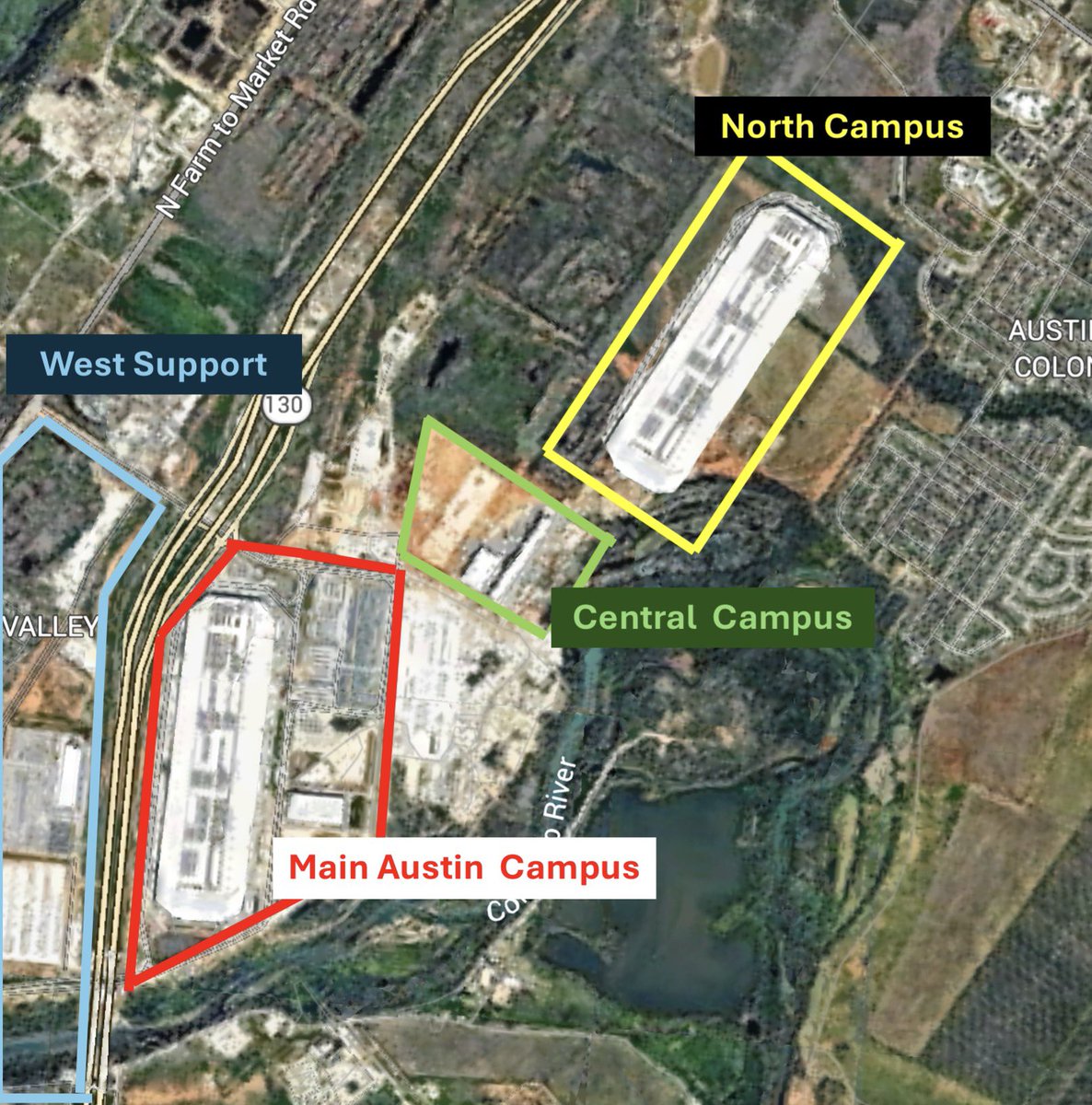
Terafab math For “big” chips like Tesla’s AI5 (a half-reticle design, roughly 300–450 mm²), producing 100 million chips per year would require on the order of ~100k wafer starts per month, roughly the output of a single high-volume leading-edge fab. At current industry efficiency, that translates to about 1–2 million sq ft of cleanroom space. Since cleanroom typically makes up 20–35% of total facility area, the initial Terafab phase would likely span ~4 to 10 million sq ft. That puts the starting factory right in the same ballpark as Gigafactory Texas (~10 million sq ft). Elon’s long-term target is a vastly higher combined volume of AI compute/memory chips for inference, far beyond the initial 100 million example. However, the point of Terafab’s redesign is to break conventional fab assumptions, compressing more output into less space so that extreme production volumes become achievable.


@pbeisel @CernBasher Another Tesla innovation in the TeraFab will be wafers and chips that are a combination of CPU, GPU and memory all on one chip! A true AI chip. Just like our brain that has CPU, GPU and memory all in one place. Smaller, simpler, more energy efficient. Amazing breakthrough!

Terafab Project launches in 7 days


Terafab Project launches in 7 days


Terafab Project launches in 7 days


Oh and it works in all AI4-equipped cars, so your car can do office work for you when not driving. We’re also deploying millions of dedicated Digital Optimus units in the field at Superchargers where we have ~7 gigawatts of available power.

There is no substitute for the person who Knows What To Do.


A study of more than 300,000 people found that meaningful connection is one of the strongest predictors of a long life. Those who felt loved, supported, and socially connected had a 50% higher chance of survival - rising to 91% for those with rich, layered relationships. Connection is essential for longevity.