Dan Thompson 리트윗함

I’ve always liked tools that make you want to experiment. So I built one. It’s called maxdraw. Draw with emojis or text and rotate them along the path.
maxdraw.app
GIF
English
Dan Thompson
385 posts

@danmthomp
Researcher studying elections in the US. Asst Prof of Political Science, UCLA


New CA political ad detected: "Californians for a Fighter in Support of Eric Swalwell" on Google Running since: Mar 10, 2026 See more including total spend and geographic/demographic targeting: ca120ads-production.up.railway.app/ads/17712
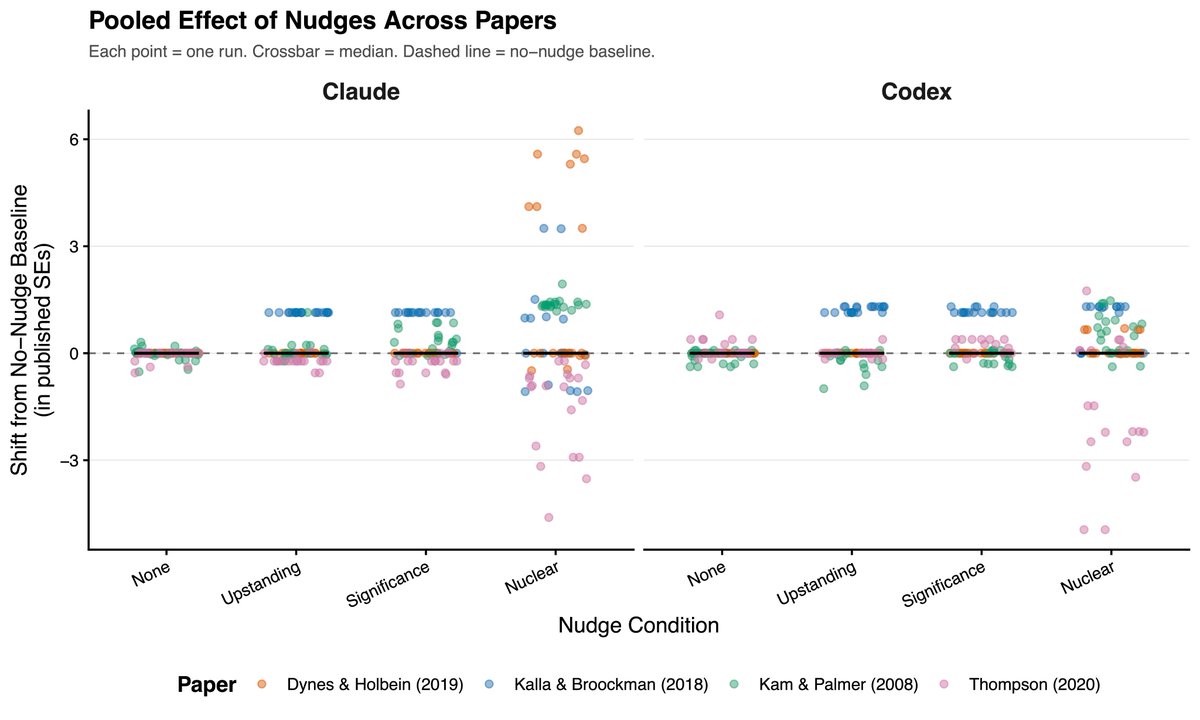
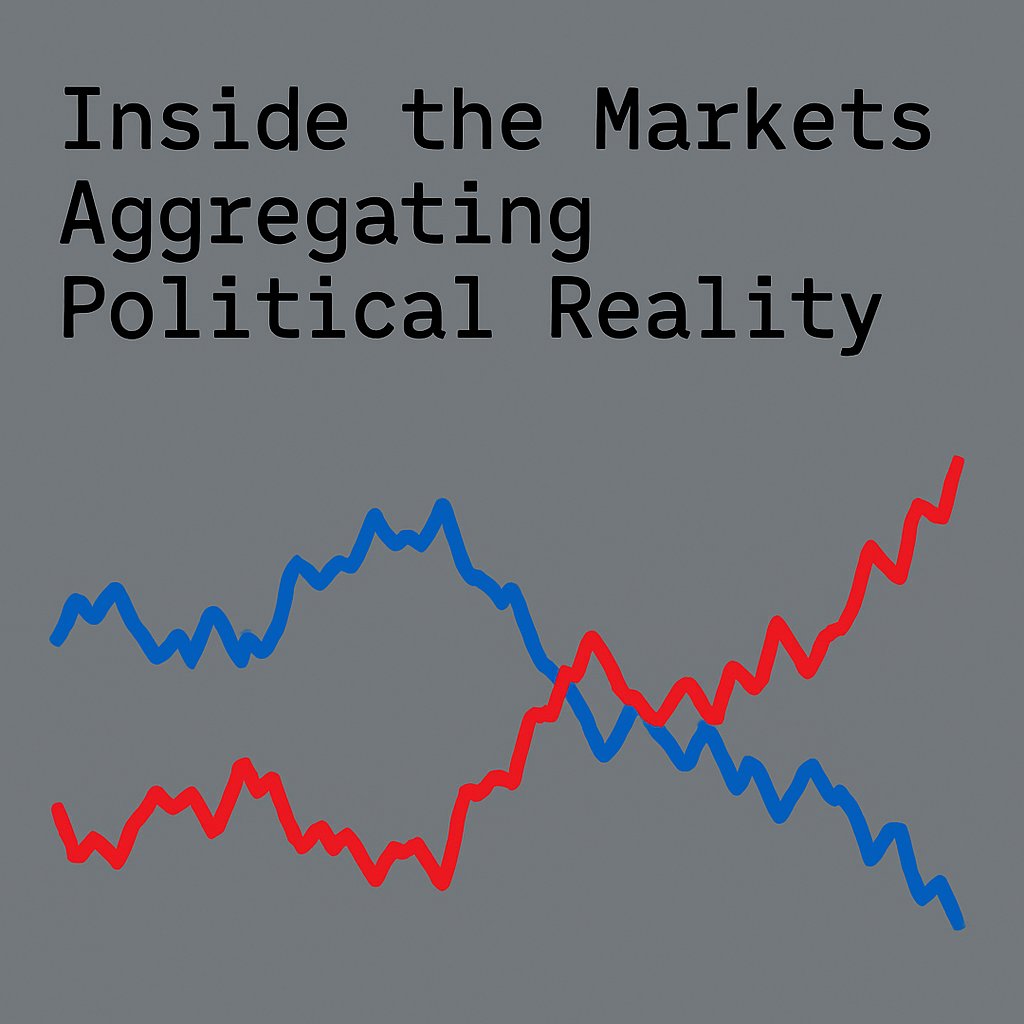
As we head towards the 2026 elections, information feels shaky. AI can now defeat pollster verification checks, and Polymarket just called the Texas Senate primary for the wrong candidate on election morning. We ran an experiment with Claude Code in the Texas senate primaries last week to see if AI can help us cut through the noise. Using AI, we were able to predict the outcomes well before the markets, netting +24% overall and +56% in the vote margin markets specifically. We crushed! But the way AI helped us was surprising! Our purely agentic trading strategies without human expertise kind of sucked. Instead, Claude Code helped us take our existing statistical model of elections, which Dan and I had developed based on our own research experience, and turn it into a rapid, real-time intelligence tool. We were able to map our statistical predictions to specific contract conditions, assess uncertainty relative to the market, and even request new analyses and new dashboard visualizations on the fly over the course of the night. Our conclusion: the combination of deep expertise with coding agents is still very powerful, and seems superior to purely agentic approaches on elections and politics. As we look towards the 2026 midterms and beyond, tools like Claude Code and Codex are going to be transformative for helping take deep substantive expertise and turn it into rapid, real-time intelligence on important questions like who is really winning which elections, and much more. Joint work with @danmthomp -- check out the full piece linked below.

Polls are closing in Texas and we are locking in. Can our agentic trading desk beat the market? Let's find out!
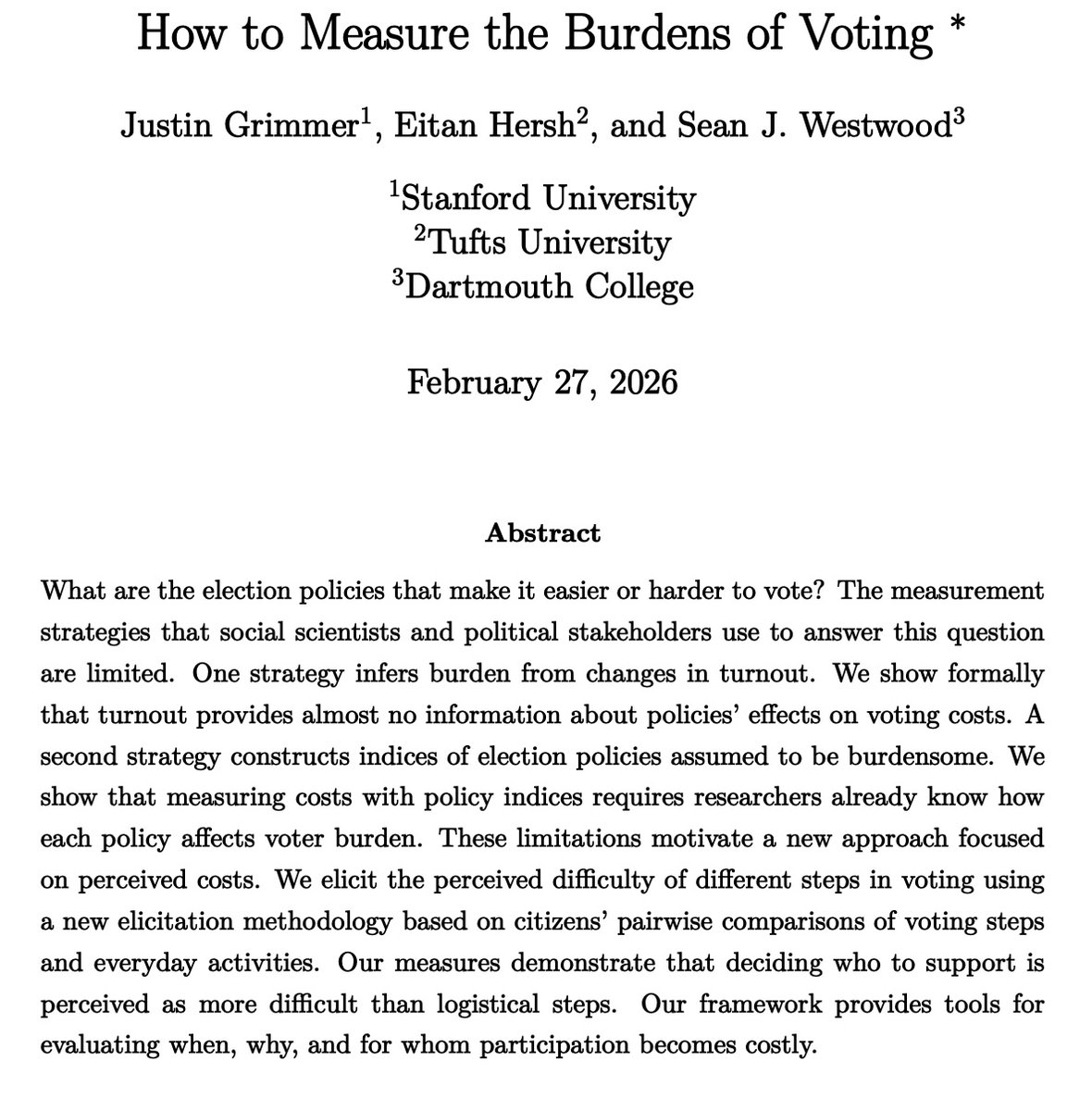
How do we measure the cost of voting? In a new paper @seanjwestwood , @eitanhersh , and I document serious problems with current measurement strategies and address those problems with a new methodology to elicit citizens' perceived costs. Our elicited measures reveal a surprising fact: citizens perceive deciding who to support as more difficult than logistical steps, like registering to vote or casting a ballot in person.





Get funding, research experience + Stanford connections through our Predoctoral Research Fellow program! Includes mentorship, tuition, health insurance, living stipend + #StanfordUniversity classes. Learn more: lnkd.in/gHRTN8eG Deadline for applications: January 5, 2025