Jay Timotheus

568 posts

Jay Timotheus

Jay Timotheus

@jaytimotheus

Director of Mathematics for a multi-academy trust. NCETM PD lead. Occasional author of musings on mathematics education.

가입일 Haziran 2010
552 팔로잉419 팔로워
Jay Timotheus 리트윗함
CODE Maths Hub
CODE Maths Hub@CODEMathsHub·
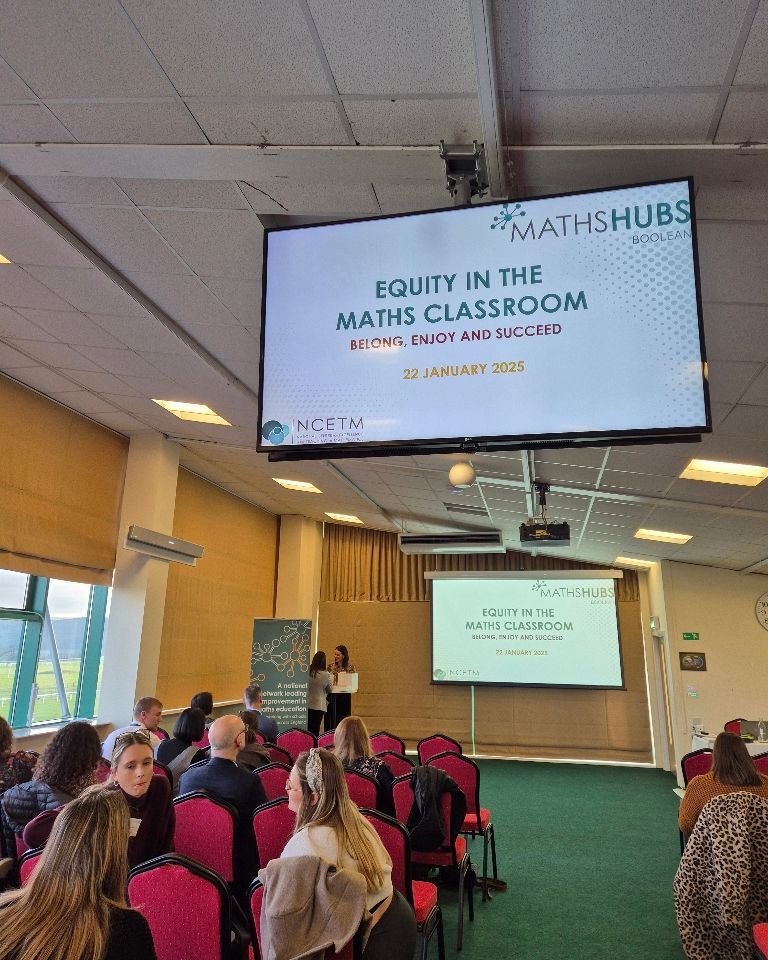
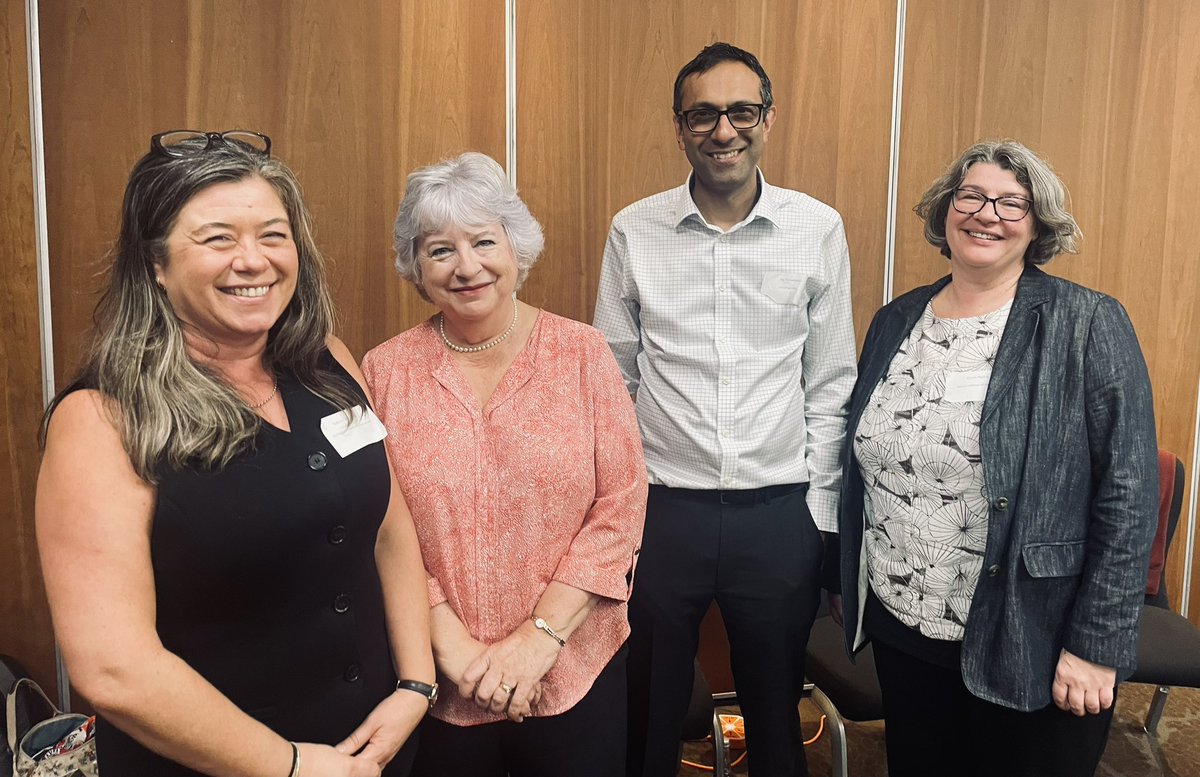
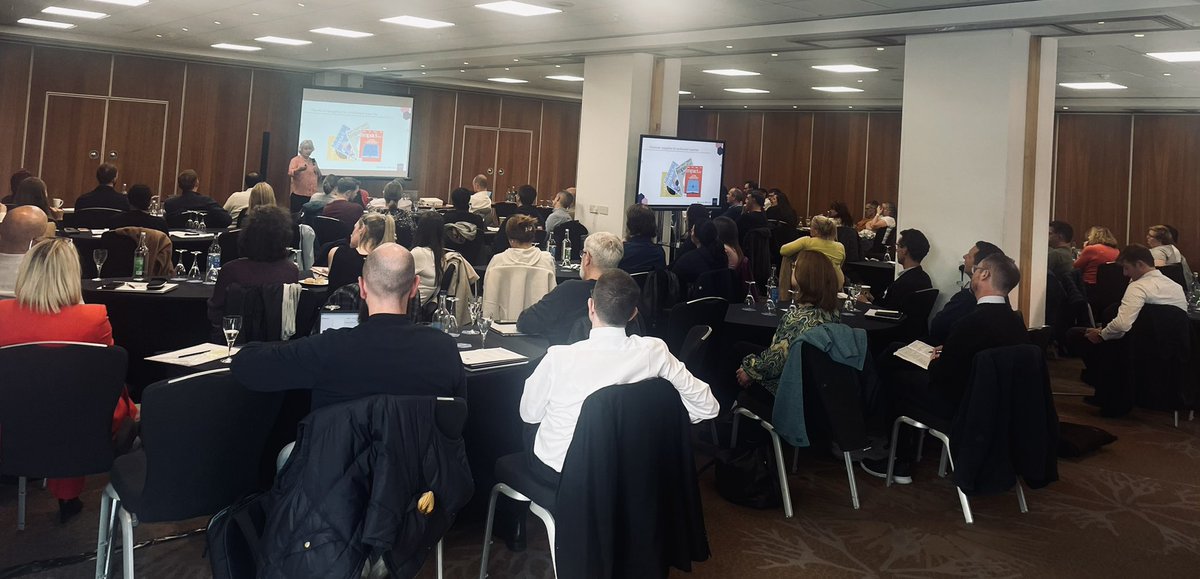
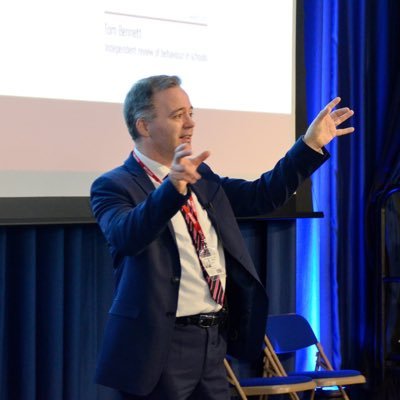
Yesterday we travelled to @booleanmathshub's Annual Maths Conference at @TauntonRacing. There was coffee and wonderful food. There was MATHS! We explored the brilliance of blocks, experienced Core Maths, and listened to an inspirational key-note speaker, @jaytimotheus. Wow!
CODE Maths Hub tweet mediaCODE Maths Hub tweet mediaCODE Maths Hub tweet mediaCODE Maths Hub tweet media
English
0
4
10
344
Jay Timotheus 리트윗함
Chris Shore
Chris Shore@cjshore·
@StudyMaths A good example of when ‘Don’t just sit there, do something’ should actually be ‘Don’t just do something, sit there’.
English
2
1
8
1.2K
Jay Timotheus 리트윗함
Jonathan Hall
Jonathan Hall@StudyMaths·
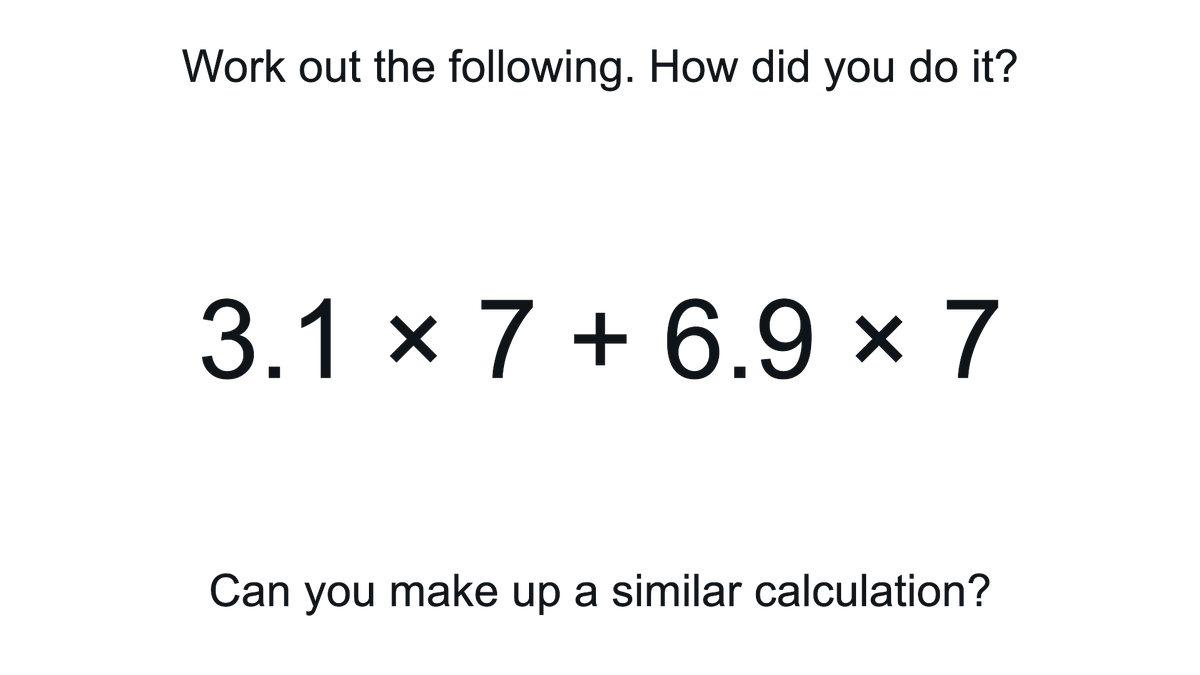
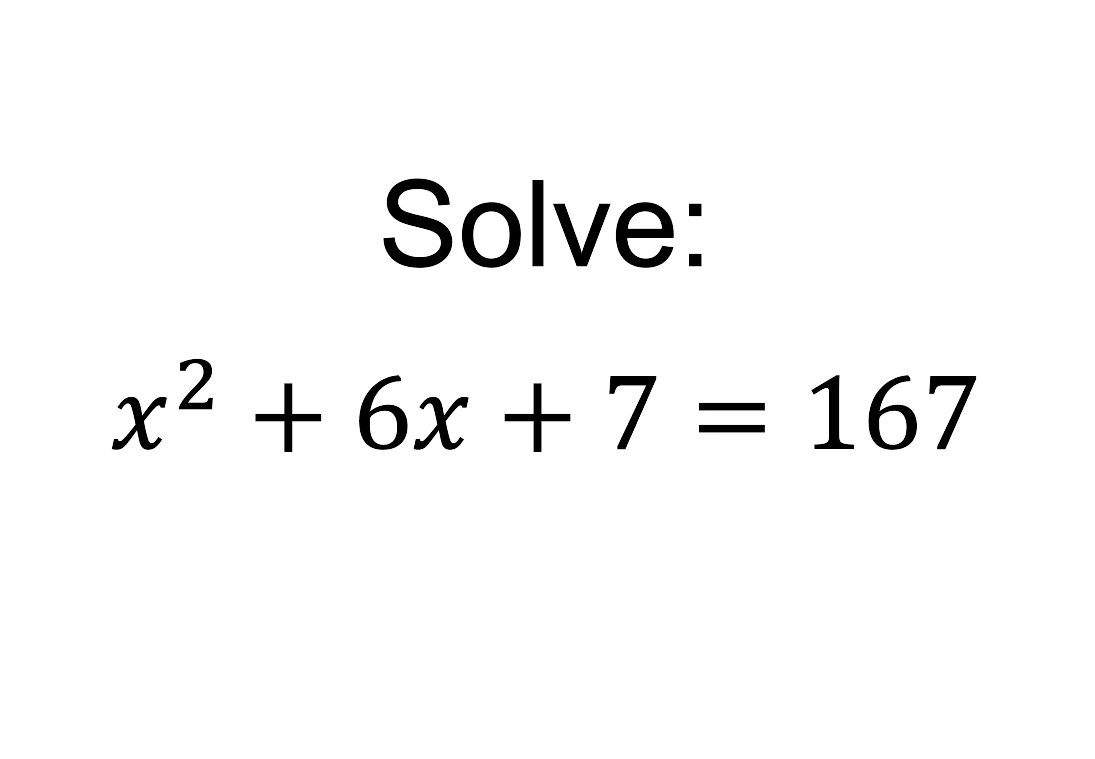
Before you blindly rearrange, factorise then solve, it might be better to slow down and ask yourself: "What do you notice?" mathsbot.com/cpd
Jonathan Hall tweet media
English
28
12
86
16.5K
Jay Timotheus
Jay Timotheus@jaytimotheus·
@PeterFoulds77 @LearningMaths @ATMMathematics And the article also raises important questions about what we might mean as educators by the word, "do". The intent of pupils learning, becoming cognisant and developing deep fluency with mathematics should always be there....
English
1
0
3
119
Richard Perring
Richard Perring@LearningMaths·
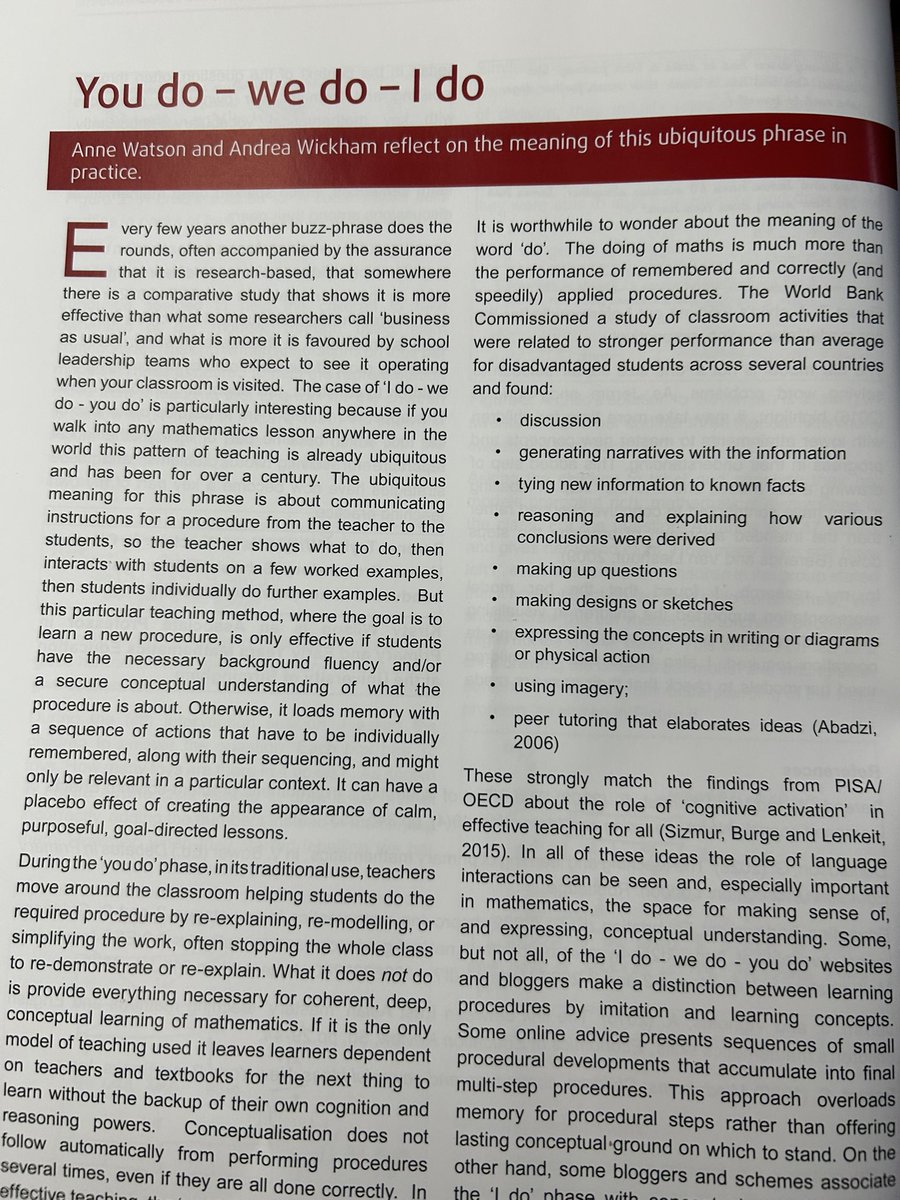
“Conceptualisation does not follow automatically from performing procedures several times, even if they are all done correctly.” From the latest @ATMMathematics journal
Richard Perring tweet media
English
6
37
152
26.2K
Jay Timotheus 리트윗함
Gaynor Bahan FCCT
Gaynor Bahan FCCT@GaynorBahan·
🧵 (1/6) This is our professional community of maths leaders in multi-academy trusts, together in London on Friday. About 80 trusts, 1000 schools and 10000 teachers of maths are represented right here!
Gaynor Bahan FCCT tweet mediaGaynor Bahan FCCT tweet mediaGaynor Bahan FCCT tweet media
English
1
8
22
4.9K
Jay Timotheus
Jay Timotheus@jaytimotheus·
@KTG_1990 @tombennett71 I don't see myself as an expert in mathematics education, despite my experience and my job. I never have. I do highly value the expertise of the academics who have dedicated their university careers to researching mathematics education.
English
1
0
1
84
Kyle Graham
Kyle Graham@KTG_1990·
@tombennett71 Can we ban the phrase experts if none of them are in the classroom, or indeed schools? Please? Anyone?
English
5
2
12
2.3K
Jay Timotheus 리트윗함
Adam Boxer
Adam Boxer@adamboxer1·
If I may bore you with a little philosophy, and hypothesise why Birbalsingh has gone in for this kind of nonsense too: The narrative at play here is one which radically reduces the amount of agency that the individuals have: If you are angry, it's *because* you've been neglected by the elites If you express that anger, it's *because* you've been taken for granted If you show violence against ethnic minorities, it's *because* metropolitan technocrats have allowed those minorities and immigrants to take your job Etc etc. When it comes to apportioning blame, you move it a step away, and say "well, what did you expect to happen?" The main issue I have with this is that it ignores the fact that most of us believe in free will, and that people make choices. You don't *have* to lob a brick at a police officer or a mosque, you *choose* to. You don't *have* to get on a bus and travel hundreds of miles to go burn some bins, you *choose* to. Swinging back to education: one of the biggest debates between "trads" and "progs" was about student agency. On one side, people argued that if you planned your lesson well and it was engaging and relevant, students would behave. If you had good relationships and unconditional positive regard, your students would behave. If they didn't behave, it's because you didn't do that work, so teachers were quite literally blamed for students' poor behaviour. On the other side, people argued that this was A) empirically not true and B) philosophically problematic, because it downplays student agency. It treats students as if they have no choice in the matter: if my lesson is good they behave, if not, not. Others believe that I can plan the most boring lesson in the world and still expect children to behave, because it's a choice, and they should choose to behave because it's the right thing to do. It's always been a bit of a tightrope though, because the grain of truth is that there are plenty of things we can do to increase or decrease the chances of students making the right choice. E.g. putting in a system of clear and consistent consequences results in students making better choices. But we don't want to go so far that we take away their choice completely, we have to believe that students are like any other human, and we have to start from a position where we give them the dignity of choice. Any time we put in a rule or a restriction, we have to do it with care, and with the knowledge that it has to be worth it. Against that backdrop, Birbalsingh has a rather extreme position. Her belief appears to be that if we put *any* slack into the system, chaos will descend. If we don't have completely silent corridors, or we allow students to congregate in groups of 5, or we put in a prayer room, everything will fall apart. This is a pretty hardline position on student agency - it says "if I don't do all of these crazy restrictive things, students will inevitably become feral." Is this so different from saying "if the government doesn't close the borders and listen to the legitimate concerns of the left behind white working class then they will inevitably become feral"? To me, only the surface is different. The deep structure represents a common view of humanity and agency. So there's a type of consistency here, rooted in a belief that people have no agency, and are mere leaves on whatever wind happens to be blowing. It's not a vision of humanity that I share. Anyway, that's my theory. Maybe I'm overthinking 🤷‍♂️
Paul Embery@PaulEmbery

Britain doesn't have a 'far-right problem'. Britain has a problem with a dominant liberal class that for years ignored legitimate mainstream concerns over economic injustice, crime and immigration, and is now experiencing the blowback.


English
9
17
136
35.1K
Jay Timotheus
Jay Timotheus@jaytimotheus·
@Elsie2110 The world might well be on fire... But I hope you're feeling better soon!
English
0
0
0
12
Jay Timotheus 리트윗함
David Thomas
David Thomas@dmthomas90·
Delighted to publish our @AxiomMaths report into the state of maths education today, with some extensive polling into the public’s attitudes to maths. We found…
English
1
12
27
19K
Tom Francome
Tom Francome@TFrancome·
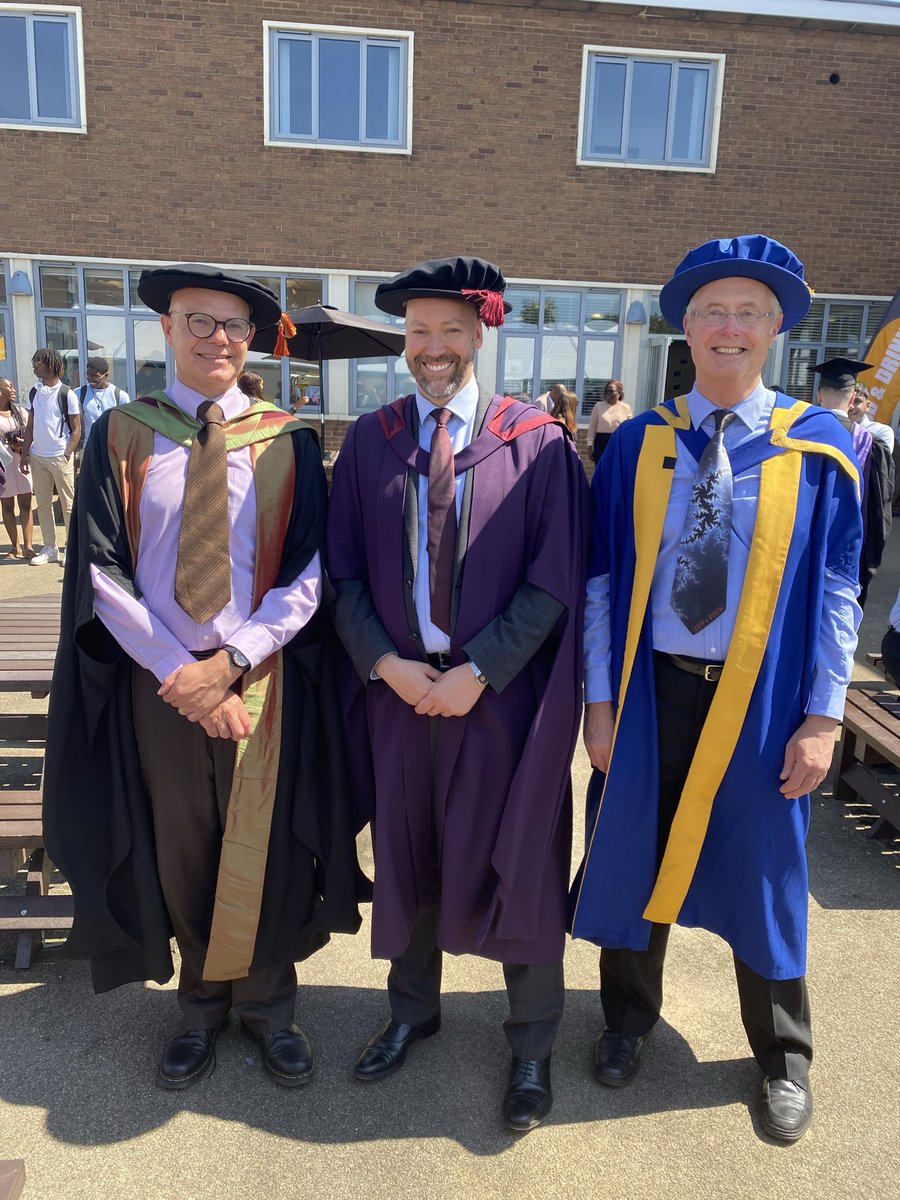
“There are two types of Doctor aren’t there dad, the ones that help people and your kind” - Emily Francome, age 6. Thanks @LboroDME - it takes a village. 🧑‍🎓
Tom Francome tweet media
English
13
2
52
2.4K
Jay Timotheus
Jay Timotheus@jaytimotheus·
@ProfSmudge @NCETM Maths MAT leads enjoyed working on it! Used the task as part of a series of tasks that might develop 'fluency as flexibility of thought', considering in particular the teacher actions / prompts to draw attention to aspects of a situation to support all learners to find a way in.
English
1
0
1
56