
Sabitlenmiş Tweet

📆Week 20th #RWA roundup is up. Join our TG for the latest tokenization highlights! t.me/prop0x/141/604
English
Øx prop
344 posts

@0x_prop
Bridging real estate yields and asset values on-chain


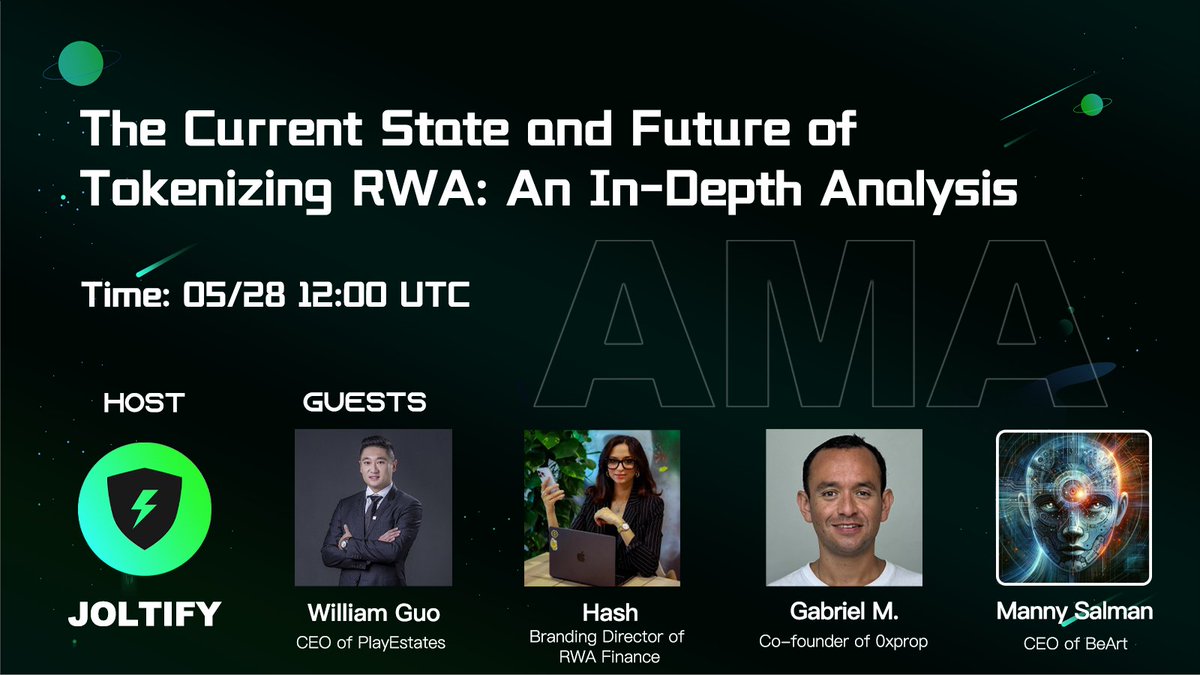

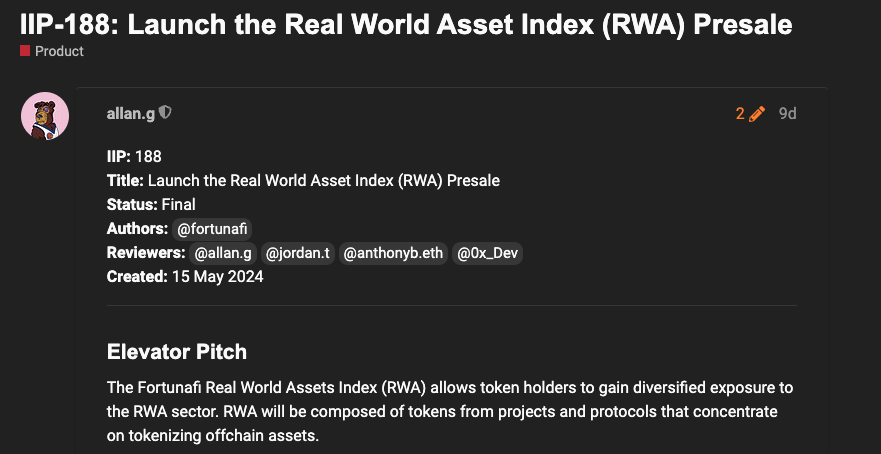


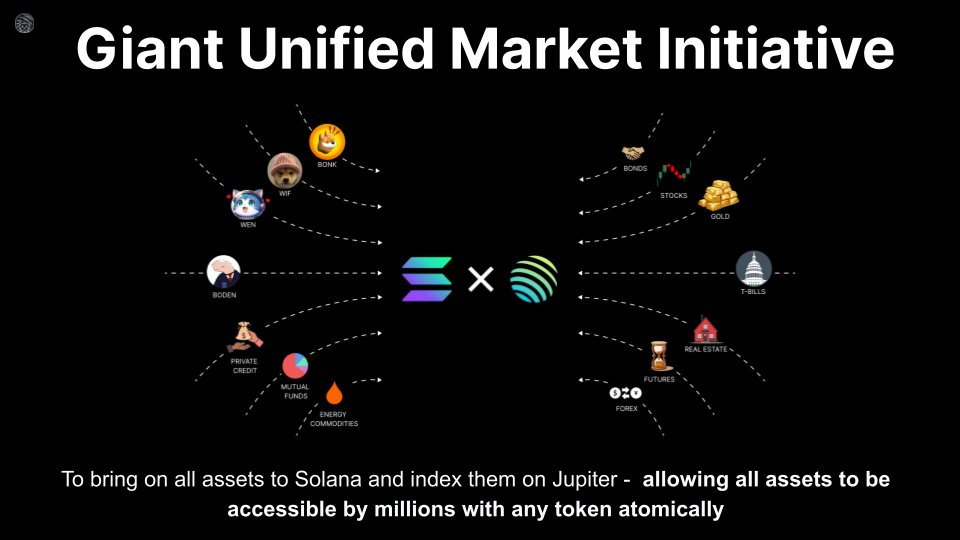




Yesterday I published an update on real-world assets (RWAs) for @MessariCrypto pro subscribers, as the TVL in RWA protocols has grown from about $2 billion at the start of 2023 to around $7-8 billion currently. Not all RWAs are created equal, and markets appear to recognize these differences. RWAs can be categorized in two primary ways. First, does the tokenized product yield returns for the end user? Yield-bearing RWAs now represent over 80% of the RWA TVL, highlighting the market's preference for assets that generate returns. This trend is likely driven by low demand for tokenized alternative assets; instead, markets are primarily interested in accessing offchain yield opportunities. The second categorization concerns whether the end user holds a debt or equity position. This can generally be determined by whether the end users are subject to the price fluctuations of the underlying assets generating the yield. For instance, if the users are not exposed to such fluctuations, as seen with yield-bearing stable coins pegged to the dollar, then they are almost certainly in a debt position. Conversely, if the user's position can fluctuate based on the AUM of the protocol, then it's an equity position. Markets also show a preference for debt positions over equity positions within yield-bearing assets, with debt positions holding a 70% market share. Notably, there is a correlation between TVL and yield, with Ethena having the highest TVL and yield among these protocols. This is likely because these protocols primarily denominate their debt in USD, presenting an alternative to traditional stable coins. Thus, the generated yield needs to adequately compensate users for both the risk associated with the product and the lower liquidity of their dollar position. TLDR: Users are seeking exposure to offchain interest rates without any price exposure to underlying offchain assets.


