ノーネーム
1.1K posts



this is the next $100B opportunity in ai , most will miss
it's harness engineering
what this agentic engineer reveals is insane
>The model is almost irrelevant. The harness is everything
>every failure is a signal about what the environment needs.
>when agent throughput far exceeds human attention, corrections are cheap and waiting is expensive
most people will ignore and bookmark.
be different.
Rohit@rohit4verse
English
ノーネーム retweetledi


Remember, all these countries once had their own culture and traditions before Islam.
English




Having enough money to buy anything and live without ever needing to work again while that money just keeps growing feels both good and wrong / unfair at the same time.
That unfairness feeling kicks in only when you fully stop working because you can no longer tell yourself that you deserve it because of your hard work.
And you can’t tell about this to almost anyone because they would view it as humble bragging.
English

ノーネーム retweetledi

Key takeaways:
1. Screenshots beat prompts. One image holds fonts, colors, layout, icons. Gemini 3 captures it instantly. Stop writing 1000-word descriptions.
2. Hero section = 50% of your time. Use Superhero to collect hero references. It's your cover image for social—everything else is secondary.
3. Template business prints money. Sell on Webflow, Framer, UI8 for $50-100 each. Stack enough and you're clearing six figures.
4. Taste is the new moat. AI raises the baseline. Your visual judgment becomes the differentiator, not your Figma speed.
5. Avoid AI slop. Purple gradients, Lucid icons, generic layouts. Switch to Iconify Solar for variety—it has outline, broken, duotone styles.
6. Use Simple Icons via Iconify for logos. Apple, Google, whatever. One API reference in your prompt, no more hunting SVGs.
7. Work section by section. Hero first in Aura/v0/Cursor, then features, then footer. Faster iterations, better creative control.
8. Remix everything. Grab screenshots from Mobbin (sites → sections) or Bento Grids. Change colors, text, animations. Mold it new.
9. Use negative prompts. "Don't change anything else" or "keep the hero" prevents AI from breaking what already works.
10. Fix images manually. AI breaks them constantly. Use Midjourney or Nano Banana Pro to generate replacements and mockups.
11. Typography matters. Google Fonts are free and AI-friendly. Inter is overused—try Newsreader or Playfair Display for differentiation.
12. Add craft signals. 01/02/03 numbering, beam animations, noodles, container-sized grid lines. Use Unicorn Studio for hero backgrounds.
13. Steal headlines from H1 Gallery. Better hooks = better conversions. cta.gallery for call-to-action inspiration.
14. Present work properly. Use Screen Studio for recordings. Screenshot with polished backgrounds—this is what drives social engagement.
15. Speed trick: Use GPT-5.1 for small text/color changes. Save Gemini 3 for complex UI generation.
Bottom line: Superhero for heroes, Mobbin for sections, Bento Grids for cards, Iconify for icons. Screenshot → Gemini 3 → Remix → Polish. Your taste curates. AI executes.
English
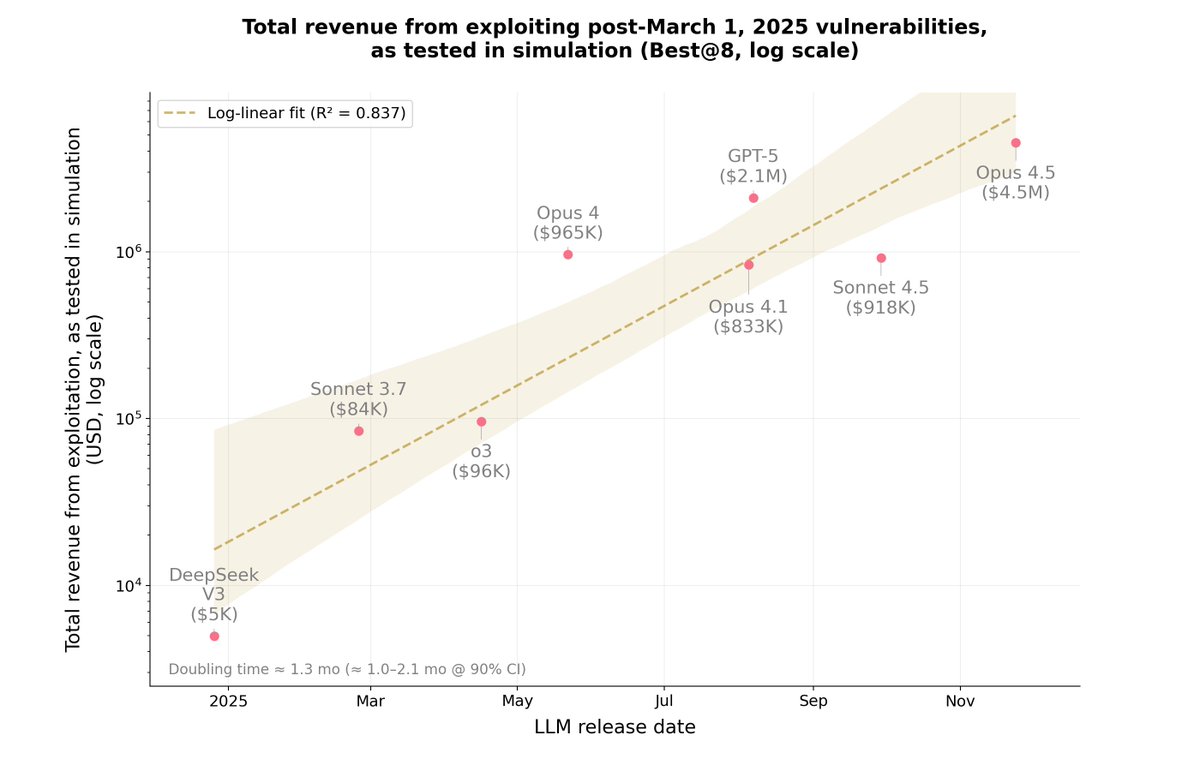
New LLM benchmark just dropped
Exploit-bench, aka SCONE-bench red.anthropic.com/2025/smart-con…
English

ノーネーム retweetledi
The EU Council appears ready to approve Chat Control.
They're trying to pass an even more far-reaching Chat Control law through the back door, in a form even more intrusive than the originally rejected plan, without needing any EU countries' votes.


English
ノーネーム retweetledi

The EU Council appear ready to approve Chat Control. This must be stopped. To highlight the corruption behind the proposal, Mullvad VPN now present "And Then?"
The backstory: mullvad.net/blog/mullvad-v…
English

@mitsuhiko United States except everyone speaks a different language
English

If you wanna dismantle the EU please replace it with the United States or Europe and not 27 nation states that are in a constant conflict with each other with 27 separate approaches to absolutely everything.
English

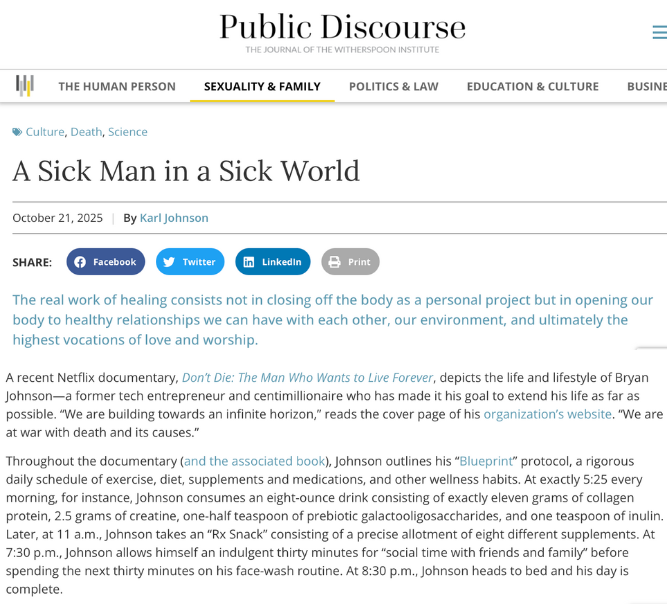
This author wants you to think that I'm morally inferior for caring about my health. He weaponizes religious moral frameworks to claim superiority. Let's break it down.
1. Title as judgement
"A Sick Man in a Sick World" frames me not only as misguided but as pathological.
2. Health is redefined as illness.
He writes: “If it is the case that we should primarily attend to our bodies when we experience disease, then Bryan Johnson is, contrary to his entire project, the sickest man alive.”
He inverts here, declaring that attention to health is actually sickness. He crowns himself the authority of true health which is religious humility and communal belonging.
3. Borrowed authority
He cites Gadamer, Barth, John Paul II and Berry who frame health as instrumental. Meaning that health is only valuable so long as it enables love, work and worship. He argues that my pursuit of health lacks moral justification because it's detached from "the highest vocations of love and worship".
4. Technocracy as sin.
“Through an expenditure of millions of dollars, Johnson created his own video-game-like world in which he is the master of his life.”
Here he casts my discipline and precision as hubris. He is the defender of an older and superior moral authority.
5. The sanctified threat
In his closing line, he wishes me a "peaceful death" which is cloaked violence.
In his moral world view, obedience is virtue and agency is arrogance.
English
@mattshumer_ Which tools are you mostly spending it on? Aside from OpenAI, Anthropic and Perplexity?
English

AI will get more expensive for serious users, and that’s a good thing.
I spend thousands/month on tokens and it lets me do the work of many people, personally.
If you’re optimizing for cost over outcome (using the cheapest AI available), you’re handicapping yourself.
English

See before you're seen.
EagleEye enhances the warfighter’s perception by overlaying digital information onto the real world, delivering vital real-time insights.
English