
Sabitlenmiş Tweet
BH
3.5K posts

BH
@1bobbyholley
NEVER GIVE UP / 11:11 / ENTROPNENUR / ONE OF LONDONS FINEST / SALON OWNER / CARPENTER / ALL THINGS PROPERTY
London, England Katılım Haziran 2009
2.6K Takip Edilen1.1K Takipçiler
How have these scumbags not been banged up with that all on cctv? The system is fucked
Rare | ♻️🇬🇧@RareAxies
In July 2024, Mohammed Fahir Amaaz headbutted a customer inside a Starbucks at Manchester Airport. When Police went to arrest him, he and his brother Muhammad Amaad kicked seven shades of sh*t out of two female officers. Today, the brothers await the verdict on the "alleged" assault of PC Zachary Marsden - which is clearly captured on CCTV. 36 seconds into this clip you'll see one of the brothers attack PC Marsden from behind, before dragging him to the floor. The Jury have been deliberating on their verdict for TWO DAYS,which begs the question - how many Pakistani Muslims are on the Jury?
English
@EFL_Comms @natashaeveritt7 Millwall v boro for the place in the final 👀
English


BREAKING:
The FA has published next season's allocations for Steps 1-6:
thefa.com/news/2026/may/…
English
@Venom_MFC Great young man, proper Millwall boy. I’d have him over Dougherty all day long. But for game time a move would best the best for him. I think a championship team easy but league 1 minimum 🦁💙
English

It would seem that this season will be the last for Danny in a #Millwall shirt.
157 appearances over 9 years.
From the terraces, the academy and the first team.
Always gave his all, exactly what we expect from a fellow fan. Sure he’ll continue to have a great career.
GIF
English
BH retweetledi

🤔 𝗗𝗘𝗕𝗔𝗧𝗘: Which club from the Championship play-offs do you want to see in the Premier League next season?
English




BH retweetledi
@RyanGarcia Don’t re post it reach out to him. You can definitely get his number
English

Sad to see, AB if you see this call me. Let’s get you situated. No need to keep drinking. Let’s be better. Not judging let’s lock in
FearBuck@FearedBuck
Adrien Broner tried to get DeenTheGreat’s cameraman to pay for his Uber, saying he’d pay him back later.
English
BH retweetledi
@HJSUKEmissions 2nd-hand TX's are overpriced & warranties set you back £5k 😬
No cover? Repairs stack up fast, ERADs alone cost thousands. Rumours of a new all-EV “Leccy”… driverless on the horizon… who knows 🤷♂️
TX4 owners should consider a retrofit & lock in the next 3 years. 🚕⚡be safe

English
📺The below fixtures have been selected for broadcast for the final day of the #SkyBetChampionship season ⬇️
#EFL


English
BH retweetledi

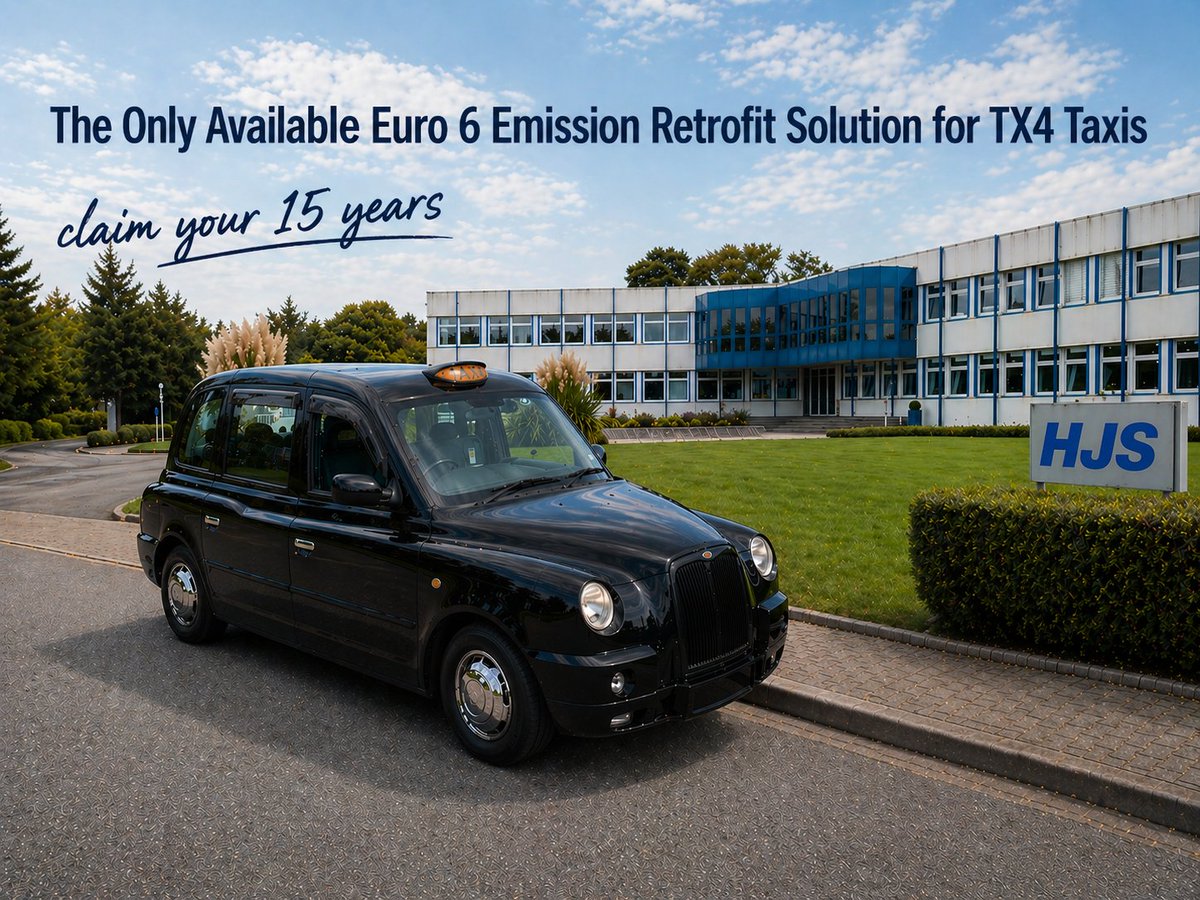
More taxi's awaiting their #TX4 Euro 6 emission upgrades @CclCricklewood ! All of our upgrades are TfL approved and come with a 2 year warranty. Claim your 3 years back and book your upgrade today. contact us tx4@hjs.com

English
BH retweetledi

A woman orders an Uber Black after a night out. The car arrives, everything looks right, and she gets in. A few minutes later, a police officer knocks on the driver’s window and asks him to show his app. Instead of cooperating, the driver locks the doors and rolls up the windows; with her still in the back seat.
Her heart starts racing. She quietly starts recording on her phone and firmly tells him to follow the officer’s instructions. The driver turns to her and says, “Tell them you got in the car by mistake.” She agrees; but only if he unlocks the doors.
More police units arrive. After a tense few minutes, he finally unlocks the car and she gets out. Officers ask to see her app. The name and photo on her phone don’t match the driver. They tell her this is happening more often; people using or buying Uber accounts because they can’t pass background checks, don’t have a license, or aren’t safe to drive.
This situation could have gone very differently. Matching the car isn’t enough; always verify the driver’s name and photo before getting in. And if something feels off, trust that instinct immediately. Safety isn’t about being polite; it’s about being aware and ready to act.
Do you always double-check your ride details before getting in, or would you assume the car is safe if everything “looks right”?
English