@Xenoimpulse When the time comes and you start cleaning up, please skip me. I've really enjoyed your takes so far.
English
Antelope
255 posts
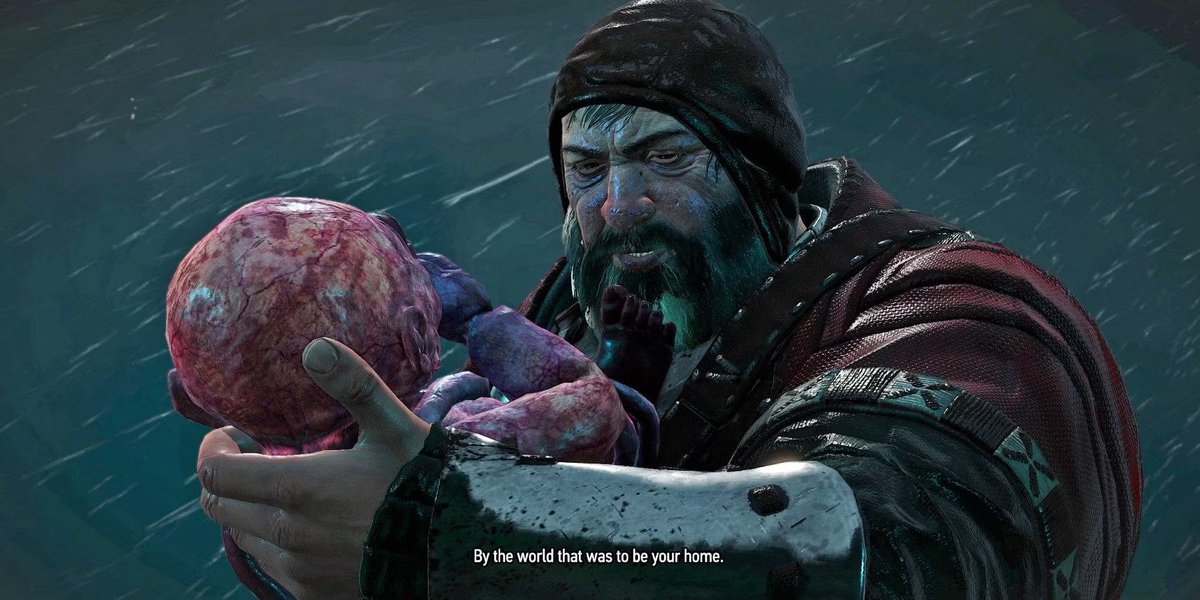
The vow has been made. The quest begins. Meet Bianca. ⚔️ 1348 Ex Voto | 12 March 2026







Steal A Brainrot game has broken all-time high concurrent player records Roblox topped out at 23.4 million while Fortnite reached 542,000

Anyone still excited for Witcher 4?



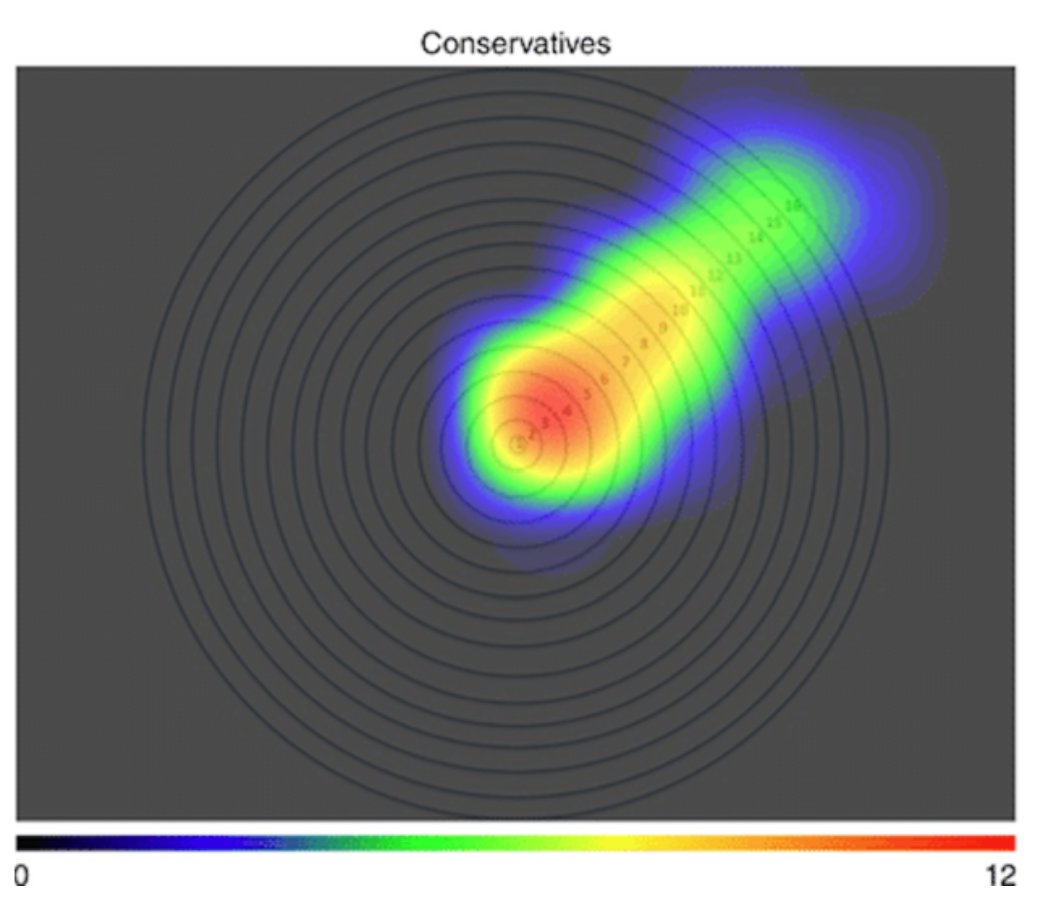
Hi Marc. I know the heatmap meme, but I think the study it comes from ( nature.com/articles/s4146… ) is saying something really interestingly different from the meme version. The study finds (see Figure 1) that liberals care about their friends more than conservatives do*. However, the moral circle question later on, which produced the heatmap, asks people to rate the maximum boundary of the moral circle. So if you said you cared about self/family/friends only, you landed in circle 4. But if you said you cared about self/family/friends/acquaintances/countrymen, you landed in circle 7. There's no implication that the people in 7 cared about their family *less* than the people in circle 4. It just meant that, in addition to caring about their family, they also cared about countrymen. The heatmap showed a higher percent of liberals in circle 7 compared to circle 4 (ie caring about countrymen+friends, rather than only friends) but it still isn't making any claims about whether liberals care more/less about their friends than conservatives. And again, in the raw data, we find they care more. (@-ing @JonHaidt, co-author of the study, who can check if I'm understanding it correctly) I realize that study methodology is boring, but my tweet was trying to make the same point. People act like this is a zero-sum game, where caring about family means you can't care about friends, or caring about friends means you can't care about strangers. But it's not true - in most cases, there's no tradeoff. If you see a stranger drowning, you can jump in and save them, with no effect on whether you're also kind to your friends and family. In the types of government situations that I'm sure we're both thinking of, there theoretical tradeoffs - money spent on one budgetary item won't be spent on another - but in the real budgetary regime, these are so weak as to be meaningless (I owe you an ACX post on why this is true). So I think the data presentation error is the same as the philosophical error and (to tie it back to current events) the error involved in this weekend's tariffs - the world isn't so zero-sum that hurting foreigners necessarily implies you're helping people close to you. (*) I can't tell whether I'm making the same mistake here - the study doesn't mention that this is relative, but it presents it close enough to love of family that it's possible these are relative values in some kind of friend-vs-family construct.
"these guys think that dogs are moral entities who should not be mistreated!" Ok?