

Sukriti Sarkar
689 posts

Sukriti Sarkar
@4thehumanity
I am here to serve humanity and make this world a better place.
India Katılım Kasım 2017
4K Takip Edilen205 Takipçiler

Anything you don’t work to maintain will decay. Relationships, resources, your body, skills, talents - if you aren’t actively working to maintain and foster it - you by default are accepting its decay.
English
Sukriti Sarkar retweetledi

The Ongoing Case For Open Source LLMs
Custom LLMs, long context, and efficient inference
Some folks believe that training open-source LLMs is a losing battle and a complete waste of time.
They argue that the gap between closed models like GPT-4 and open models like Llama will widen and these open-source models may never catch up.
Yes, closed models like Google's Gemini or Open AI's Gobi promise to be way more powerful than GPT-4, so what hope does open source have?
To start with inference on GPT-4 is very expensive. These very large models may be performant but aren't cost-effective. At Abacus, we routinely use fine-tuned versions of LLama-2 and smaller models when we need to run 1M+ API calls a day for standard enterprise applications Q/A, summarization, and NLP at scale. GPT-4 would cost > $100K a day in these cases.
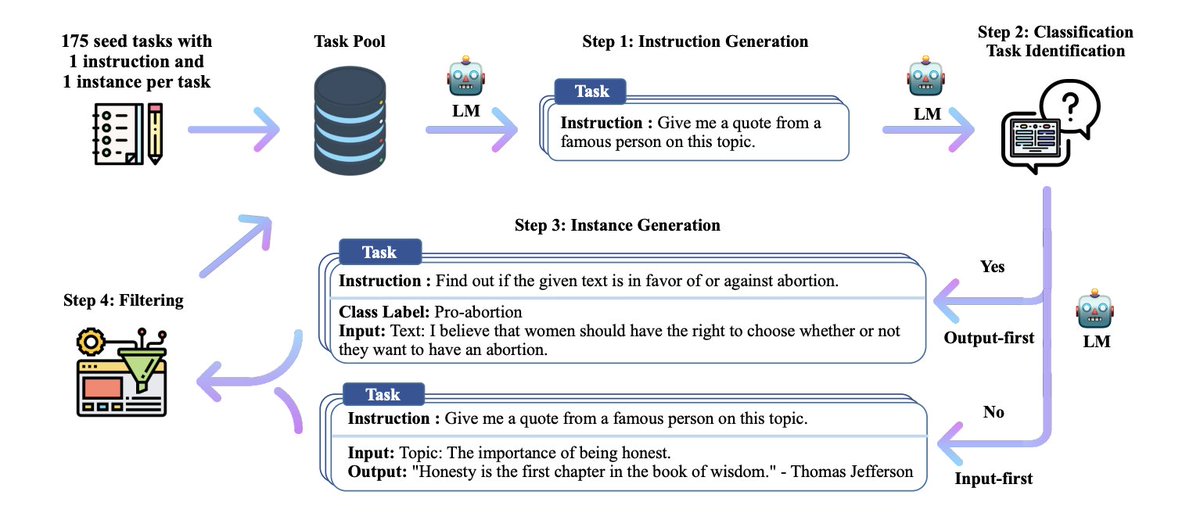
Instruct-tuned LLMs can match the performance of GPT-4 for a specific task. Instruction tuning is a technique that aims to improve the capabilities and controllability of LLMs. It involves further training these models on a dataset consisting of (instruction, output) pairs in a supervised manner. This bridges the gap between the next-word prediction objective of LLMs and the users' objective of having LLMs adhere to human instructions.
For example, we have instruct-tuned open-source models for tasks like Q/A, NER, and classification. These instruct-tuned models are better at generalizing the task to new data and can do so in a resource-efficient manner.
Another shortcoming of currently available closed models like GPT-4 is that they have relatively short context lengths. 8K tokens are default and this means that you can't pass it large documents and ask it to extract the results from there.
Luckily the open-source community has been busy solving practical problems like this. Earlier this week, the paper LongLoRA introduced an ultra-efficient fine-tuning approach to significantly extend the context windows of pre-trained LLMs.
LongLoRA adopts LLaMA2 7B from 4k context to 100k, or LLaMA2 70B to 32k on a single 8x A100 machine, and basic implementation only takes 2 lines of code.
Open-source LLMs have been the focus of the GPU-poor and constraining resources typically have magical effects - efficient, elegant, and simple innovations that solve the problem!
Open-source LLMs have emerged as cheap and efficient alternatives for enterprise AI use cases and will continue to play an important role in the space.
Some have argued that open-sourcing LLMs is dangerous and they may be misused by bad actors.
There is no historical precedent for this argument.
Traditionally, open-source technology has spurred innovation, transparency, and the creation of safe and robust systems. Linux, triumphed over Unix in the OS world, largely because it is open-source and has a huge developer community.
Open source promotes collaboration, community oversight, rapid iteration, and benchmarking all essential for responsible AI development. Open-source developer communities tend to be great at detecting and plugging vulnerabilities.
Disappointingly, big players like OpenAI (despite their name) and Google, haven't open-sourced a lot of their technology. Luckily for the open-source community, Meta has created accessible open-source LLMs. In spite of Meta open-sourcing the powerful 70B LLama-2., the doomsday scenarios outlined by the anti-open-source crowd haven't come true.
Finally, multimodal LLMs (MLLM) are around the corner and if the GPU-rich won't outsource a MLLM, we can always enhance an existing open-source LLM and convert it into a multi-modal model.
In summary, open-source LLMs play a role in the real-world application of AI and are crucial for the democratization of this technology, transparency, and AI alignment
English
Sukriti Sarkar retweetledi

"Don't bend; don't water it down; don't try to make it logical; don't edit your own soul according to the fashion. Rather, follow your most intense obsessions mercilessly." - Franz Kafka
English
@lexfridman But anyway, this is a fantastic idea @lexfridman
English
"Some lose all mind and become soul: insane. Some lose all soul and become mind: intellectual. Some lose both and become accepted." - Charles Bukowski
Keep both, and hold on 🤣❤
English
@lexfridman And the real joy maybe in enjoying that beautiful functions
English
@lexfridman The question is how much percentage of each should be there to balance and also who to dominate. We may not have a classical yes/no or exact answers rather we may need to embrace quantum here -and maybe looking at life as the probability density function of these factors.
English
Sukriti Sarkar retweetledi

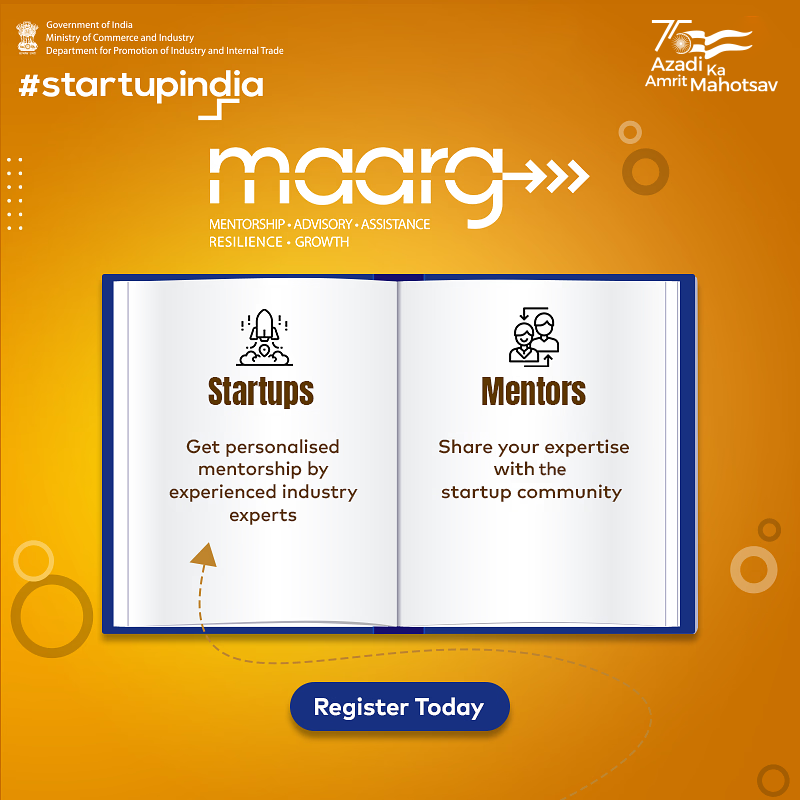
#MAARG is a platform where startups and mentors unite to embark on an exciting journey of growth and learning!
Register today and let MAARG be the compass for your success: bit.ly/3IgTQq3
#StartupIndia #StartupMentor #StartupGrowth #IndianStartups #StartupSupport
English
Sukriti Sarkar retweetledi

«When my husband died, because he was so famous and known for not being a believer, many people would come up to me ― it still sometimes happens ― and ask me if Carl changed at the end and converted to a belief in an afterlife.
They also frequently ask me if I think I will see him again. Carl faced his death with unflagging courage and never sought refuge in illusions. The tragedy was that we knew we would never see each other again. I don't ever expect to be reunited with Carl.
But, the great thing is that when we were together, for nearly twenty years, we lived with a vivid appreciation of how brief and precious life is. We never trivialized the meaning of death by pretending it was anything other than a final parting.
Every single moment that we were alive and we were together was miraculous-not miraculous in the sense of inexplicable or supernatural. We knew we were beneficiaries of chance.
That pure chance could be so generous and so kind. That we could find each other, as Carl wrote so beautifully in Cosmos, you know, in the vastness of space and the immensity of time. That we could be together for twenty years. That is something which sustains me and it’s much more meaningful.
The way he treated me and the way I treated him, the way we took care of each other and our family, while he lived. That is so much more important than the idea I will see him someday. I don't think I'll ever see Carl again. But I saw him. We saw each other. We found each other in the cosmos, and that was wonderful».
― Ann Druyan

English
Sukriti Sarkar retweetledi

Sukriti Sarkar retweetledi

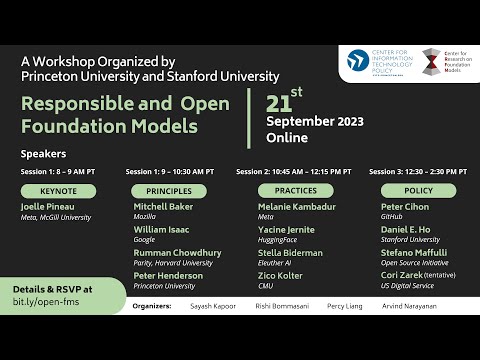
Perhaps the biggest tech policy debate today is about the future of AI. Will AI be open or closed? Will we be able to download and modify these models, or will a few companies control them?
Watch our workshop on this topic, live now: youtube.com/watch?v=75OBTM…
YouTube
English
Sukriti Sarkar retweetledi

40 Useful Linux commands for Everyone:
🔖 Bookmark
➊ pwd
Print Working Directory
❯ pwd
# Shows the absolute path of
# the working directory
➋ mkdir
Make Directory
❯ mkdir reports/
# Creates a single directory
❯ mkdir -p reports/finance/yearly/
# Creates entire directory structure
➌ cd
Change Directory
❯ cd icons
# Switch to the "icons" directory
❯ cd -
# Switch to the previous directory
❯ cd ..
# Switch to the parent directory
❯ cd
# Switch to the home directory
➍ ls
List
❯ ls
# For current working directory
❯ ls /home/
# For /home/
❯ ls -a
# Includes hidden files
❯ ls -R
# Recursively for subdirectories
❯ ls -l
# Lists in detail
❯ ls -ltr
# Sorted. Latest modified one is at the top.
➎ cp
Copy
❯ cp file1.txt file2.txt
# Copies the file file1.txt to file2.txt
❯ cp -r dir1/ dir2/
# Copies entire directory "dir1" to "dir2"
➏ mv
Move
❯ mv file1.js images/
# Moves the file to images/
❯ mv file1.js file2.js
# Renames the file1.js to file2.js
➐ touch
❯ touch new_file
# Creates a new empty file "new_file"
❯ touch -m old_file
# Changes the modification time
➑ cat
Concatenate
⬙ It is used to view, create, and concatenate files.
❯ cat file.txt
# Lists the contents of file1.txt to std output
❯ cat > file.txt
# Creates a new file
❯ cat file1 file2 > file3
# Concatenates file1 & file2 to file3
➒ rm
Remove
❯ rm file1.txt
# Removes a file
❯ rm -r dir1
# Removes an empty directory
❯ rm -rf dir2
# Removes any directory
➓ find
Search based on a regular expression
❯ find ./ -name "xyz"
# Finds files and directories whose name is xyz
❯ find ./ -type f -name "*.java"
# Finds files whose name ends with .java
➊➊ grep
Global Regular Expression Print
❯ grep "hello" message.txt
# Lists all lines of "message.txt"
# that contain "hello"
❯ grep -c "hi" message.txt
# Outputs the number of lines in
# "message.txt" that contain "hi"
➊➋ head
❯ head message.txt
# Outputs first 10 lines of message.txt
❯ head -n 5 message.txt
# Outputs first 5 lines of message.txt
➊➌ tail
❯ tail message.txt
# Outputs last 10 lines of message.txt
❯ tail -n 5 message.txt
# Outputs last 5 lines of message.txt
❯ tail -f app.log
# Shows new entries in app.log
# as and when they get added
➊➍ diff
Difference
❯ diff /dir1/package.json /dir2/package.json
# Compare the contents of the two files
# line by line and lists out all differences
➊➎ alias
❯ alias lsa="ls -a"
# Creates a new alias "lsa" for "ls -a" command
❯ alias
# Lists all aliases for the current session
-- More Useful Commands --
❯ echo
Displays the given text in the terminal
❯ which
Shows the directory where the command is present
❯ whoami
Displays the username of who currently is using this session
❯ man
Displays the manual page of any command
❯ tar
Creates and extracts an archive file
❯ chmod
Changes the mode (permission) of a file
❯ chown
Changes the ownership
❯ du
Checks how much space a file or a directory takes
❯ ps
Lists the processes that the current shell session is running
❯ kill
Kills (terminates) a process
❯ free
Shows the amount of free memory
❯ vmstat 10
Every 10 seconds, show statistics
❯ iotop
Displays the disk IO usage details
❯ systemctl
Manages systemd and services
❯ journalctl
Views systemd, kernel, and journal logs
❯ env
Prints list of environment variables
❯ host
Does DNS lookup operations
❯ hostname
Obtains the DNS name
❯ ping
Checks the network connectivity b/w host and server
❯ curl
Transfers data to or from a server
❯ wget
Retrieves/downloads content from the internet
❯ history
Displays all the commands used in the past
❯ clear
Clears the terminal window
❯ sudo
Allows the current user to act as a superuser or, a root user for running a specific command
❯ exit
Ends a shell session and closes the terminal
English
Sukriti Sarkar retweetledi

As the team grows, we are looking out for talented engineers across roles.
If you (or someone you know) is looking out for roles in Web (Next.js/React), Android, iOS, React Native, GoLang, Node.js, Machine Learning or DevOps, reach out to the team by sending an email to hire@jiocinema.com
Come craft new digital experiences and set new records along the way!
I'm learning so much from @theprogrammerin , @kushal124 , @PracSharma , @championswimmer , @jiten , @akisaxena , @yerrapragada , @NikhilSoman @some_rohit , @duncanjriley, @rivuchakraborty and so many individuals I interact with every day.
Pro Tip: Include a short cover note in body of your email, attach your resume, and don't forget to mention the role you're applying for in the subject line.

English

Cheat code for life:
Airplane mode, close friend group, skill stacking, gym, minimalist wardrobe, move with intention
99% people fail to do all 6
English
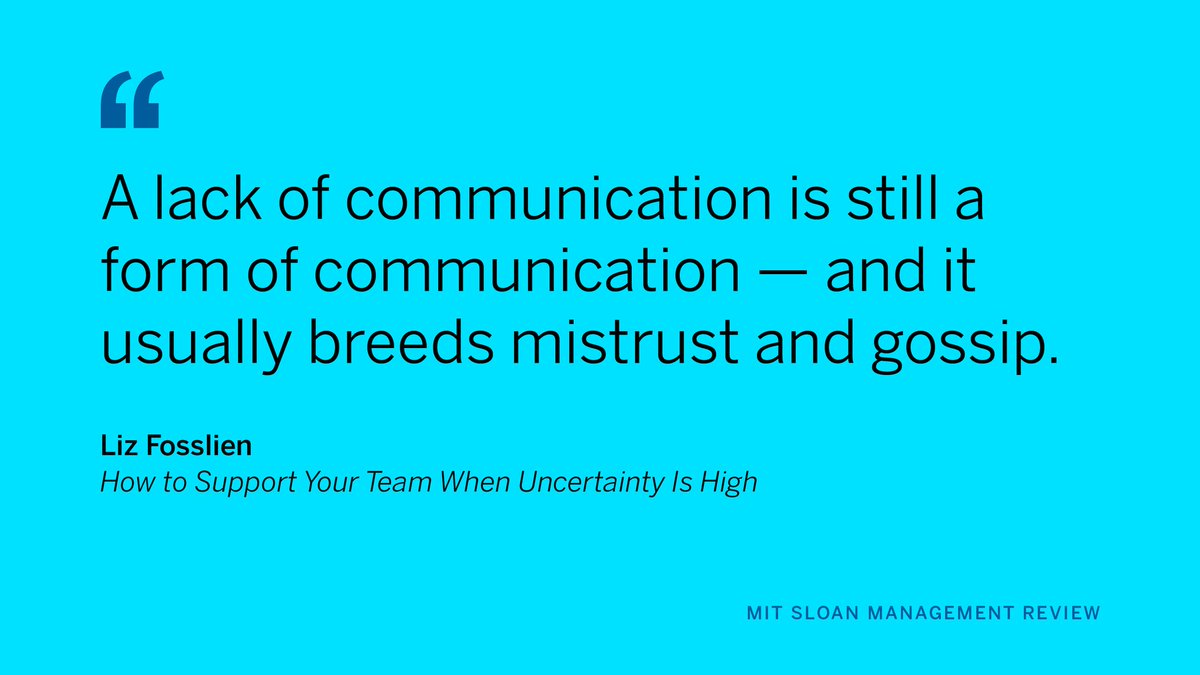
In my experiences, it's the most important or maybe one of the top 10 factors for a failure of a team and in bigger terms a startup.
English
Read this story from Sukriti Sarkar on Medium:
#mlops #ml #ArtificialIntelligence #DataScientist #ai @tosukriti5/mlops-the-intersection-of-machine-learning-and-devops-b3ed54fe4c1c" target="_blank" rel="nofollow noopener">medium.com/@tosukriti5/ml…
English
Sukriti Sarkar retweetledi

Harvard University is offering free online courses.
No textbooks, application, or fees required.
Here are 10 FREE courses you don't want to miss:
English
Sukriti Sarkar retweetledi


OMG! I’m so happy 💃 😃
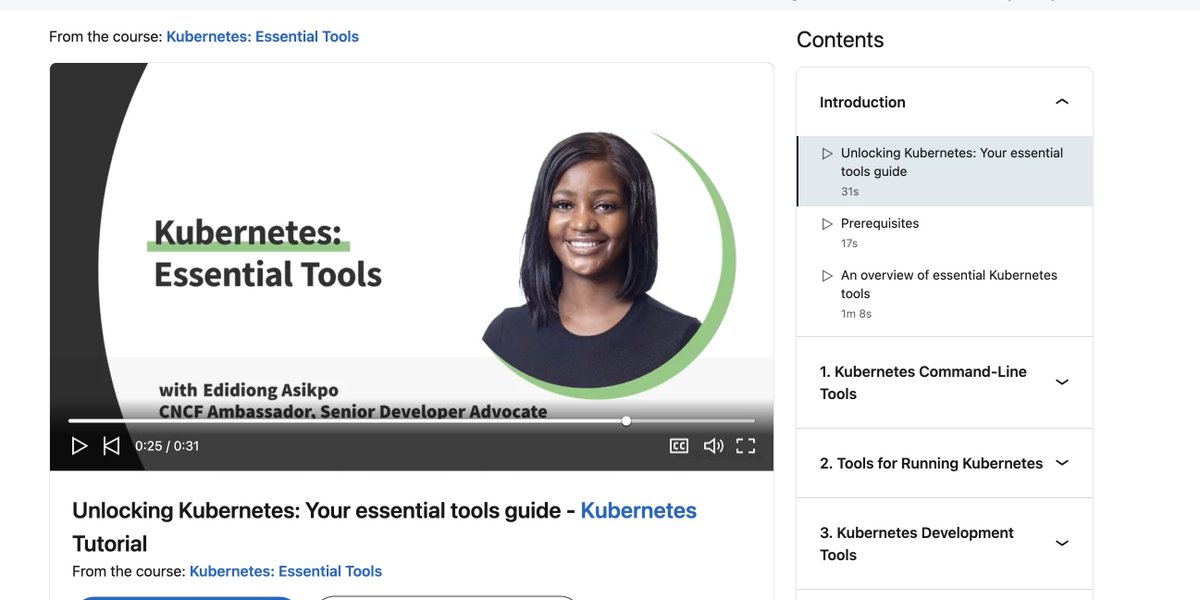
My Kubernetes course on LinkedIn Learning is now live 🎉
This course highlights the essential Kubernetes tools for running, developing, deploying, and monitoring applications running on Kubernetes. I discuss their benefits, use cases and showcase demos of the tools.
Go check it out -> linkedin.com/learning/kuber…
Retweets are appreciated 😀
English
Sukriti Sarkar retweetledi

Introducing SeamlessM4T, the first all-in-one, multilingual multimodal translation model.
This single model can perform tasks across speech-to-text, speech-to-speech, text-to-text translation & speech recognition for up to 100 languages depending on the task.
Details ⬇️
English
Sukriti Sarkar retweetledi

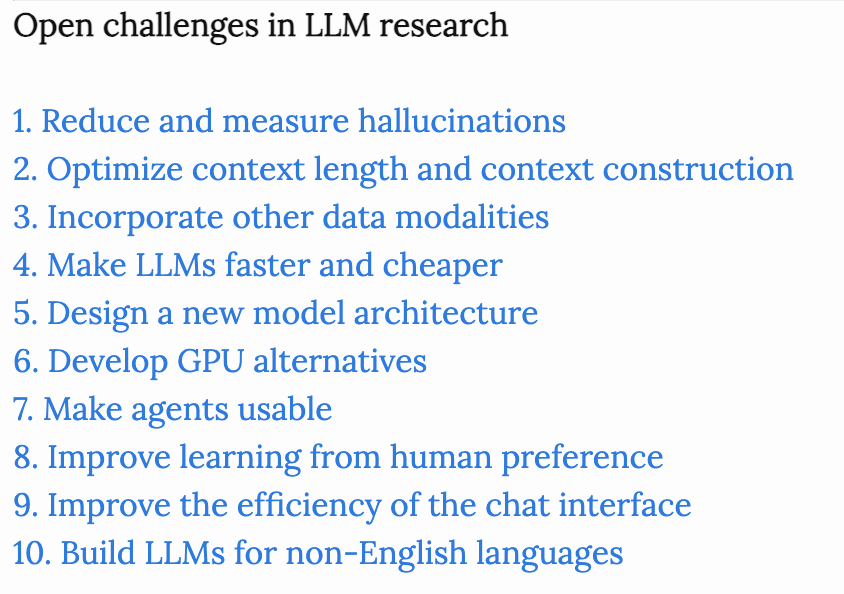
Open challenges in LLM research
The first two challenges, hallucinations and context learning, are probably the most talked about today.
I’m the most excited about 3 (multimodality), 5 (new architecture), and 6 (GPU alternatives).
Number 5 and number 6, new architectures and new hardware, are very challenging, but are inevitable with time. Because of the symbiosis between architecture and hardware – new architecture will need to be optimized for common hardware, and hardware will need to support common architecture – they might be solved by the same company.
I referenced a lot of papers here, but I have no doubt that I still missed a ton. If there’s something you think I missed, please let me know!
huyenchip.com/2023/08/16/llm…
English