ArielElizabeth
12.5K posts

ArielElizabeth
@AESskywatcher
#UFOtwitter| Messianic Christian| Girl Mom| Homemaker| Stargazer| Eschatology Nerd| Migraine Warrior| Former CoHost of The Elephant in the Room Podcast


My wife was formerly promiscuous. I was a virgin. She was then radically born-again. Committed to church, evangelized constantly, Puritan books in her bedroom, prayer journals, grief over past sexual sin, etc. We got to know each other well for over a year, dated for four months, engaged for two and a half, and didn't sin sexually with one another. Our first kiss with each other was at the altar on our wedding day (reaction pic attached!). We've been married for over five years now, and she's been the most wonderful and godly wife, mother to our three children, and homemaker you could imagine. She's more pure than most virgins, as biblical purity has less to with past sins (though they certainly matter) and more to do with one's current posture of the heart and daily decisions to honor the Lord (Matt. 5:8). We're far too quick to forget the story of the woman labeled as a known "sinner" (likely a prostitute) in Luke 7:36-50 who was washing Jesus' feet with her tears while kissing them too. The Pharisees were shocked that Jesus let a public sinner do this. Jesus responded with a parable about debts being forgiven and ended with this powerful conclusion: "Her many sins have been forgiven; that’s why she loved much. But the one who is forgiven little, loves little" (Luke 7:47). Everyone seems to highlight the benefits of virginity, and it certainly is a blessing. But we forget to highlight the benefits of being forgiven much as well. My wife knows the depths of Jesus' forgiveness more than most people, enabling her to more easily live out a life of passionate love for her Savior. A woman or man's past sexual sin matters. But what matters far more when it comes to deciding who to marry is if the person is truly born again, if their repentance is real, if they truly have a heart for Christ, if they truly follow Jesus and obey his commands. "God has chosen what is foolish in the world to shame the wise, and God has chosen what is weak in the world to shame the strong. God has chosen what is insignificant and despised in the world — what is viewed as nothing — to bring to nothing what is viewed as something, so that no one may boast in his presence. It is from him that you are in Christ Jesus, who became wisdom from God for us — our righteousness, sanctification, and redemption, — in order that, as it is written: 'Let the one who boasts, boast in the Lord.'" (1 Cor. 1:27-31) "Therefore, if anyone is in Christ, he is a new creation; the old has passed away, and see, the new has come!" (2 Cor. 5:17)


If someone argues that a former promiscuous woman is "damaged goods" and questions whether a Christian young man should marry her, remember Rahab. She was a Canaanite prostitute but became a mother in the lineage of Jesus. God redeemed her, cleansed her, and Salmon married her.


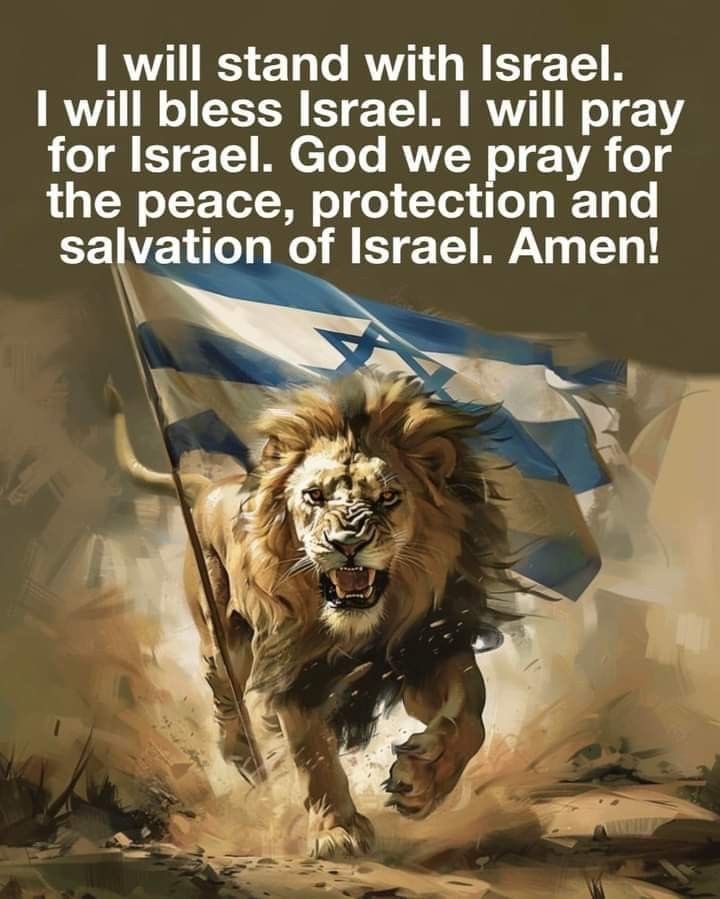
The civil war within the Western Church over Israel and the Jewish people will be the ugliest the Church has ever seen. Let me state very clearly, Christian Zionists stand on the side of the Bible. Christian Supersessionists (those who believe the Church replaced Israel) stand on the side of Israel’s enemies and should repent while they still can.

After listening to @pmarca’s take about the risks of founders taking psychedelics on the new @davidsenra podcast, it is official, we are now in the Dawn of the Age of AI-quarius.


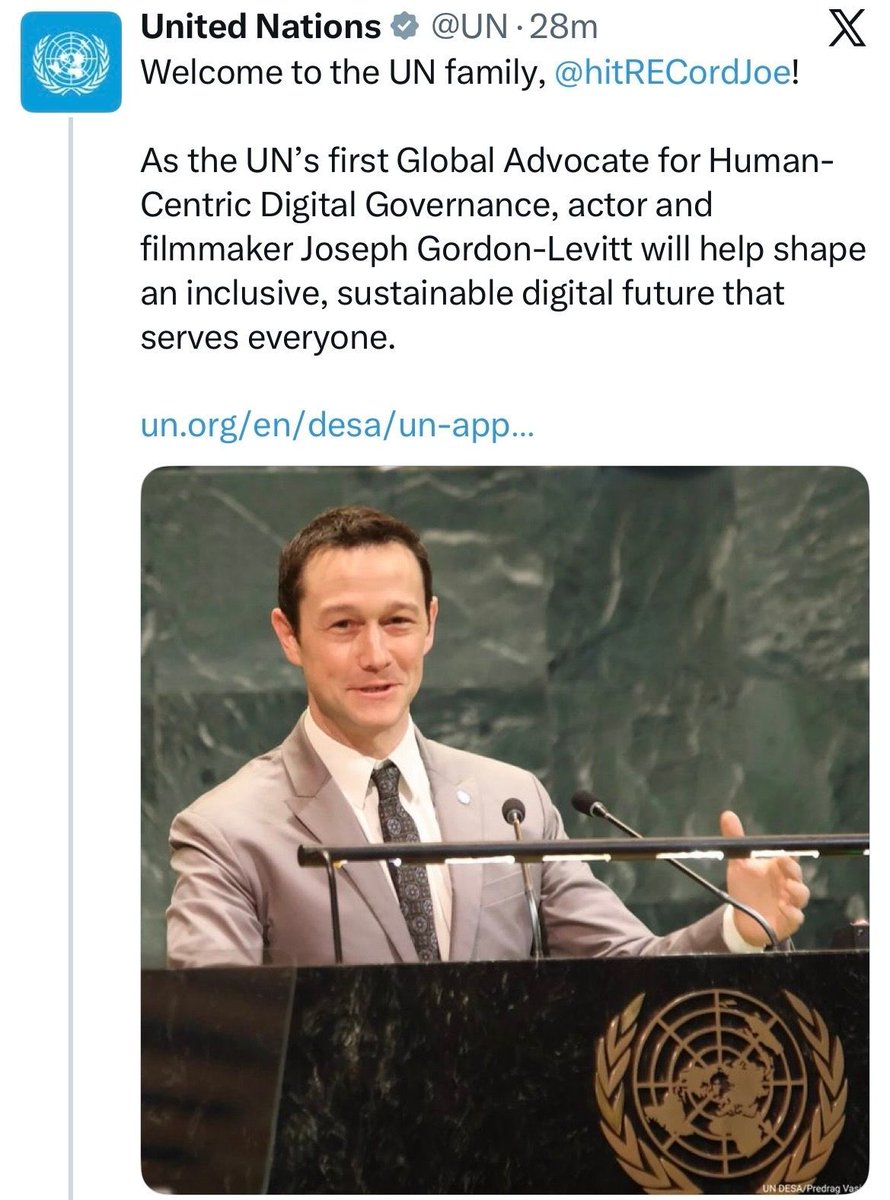
Every zionist in the U.S. government should be tried for treason.


Romans 9-11 and the Lie That Israel Was Replaced Main Passage: Romans 9-11 Introduction One of the surest ways to tell whether a man is going to let the Bible speak for itself is to put him in Romans 9 through 11 and watch what he does. Those three chapters are not side notes, not marginal comments, not speculative footnotes, and not theological wallpaper. They are the Holy Ghost’s extended treatment of Israel’s calling, Israel’s stumbling, Israel’s present blindness, and Israel’s future restoration. If a man can read Romans 9 through 11 honestly, without dragging in a system to flatten it, twist it, or suffocate it, then he is going to come away knowing one thing beyond all argument: God is not finished with Israel. But if a man is determined to protect replacement theology at all costs, then he is going to start spiritualizing, dodging, redefining, and changing categories so fast you would think he was trying to escape a burning building. That is because these chapters do not leave much room for his game. They say what they say, and they say it so plainly that a child could follow the line if the child were willing to believe the Book. The whole replacement theology scheme rests on one rotten assumption. It assumes that because many Jews rejected Jesus Christ, God therefore canceled His national promises to Israel and transferred them to the Church. That sounds neat to a man who likes tidy systems, but it falls apart the minute you read Paul. Paul does not say Israel was replaced. Paul does not say the Church inherited the covenants by cancellation. Paul does not say God finally gave up on Israel and moved on to a better people. What Paul says is, “Hath God cast away his people? God forbid” (Romans 11:1). That one sentence alone ought to put half the debate in a coffin. But because men are determined to resist what God says, they do not stop there. They bring in Galatians 3, or Ephesians 2, or Hebrews 8, and then pretend those passages erase what Romans 9 through 11 plainly teaches. They do not. They never did. They never will. If the Holy Ghost took three chapters to explain the issue, then no man has the right to walk in with one favorite verse, rip it out of context, and use it like a crowbar against the whole passage. There is something else under this debate that needs to be said plainly. After watching this thing for years, it becomes hard to miss that many of the people who are obsessed with erasing Israel out of God’s program are not just making an innocent mistake in exegesis. There is often a bitterness under it, a hardness under it, a hostility under it, and sometimes a flat-out hatred under it that reveals the condition of the heart more than the meaning of the text. I am not saying every confused person who repeats replacement theology is malicious. Some people are parroting what they were taught. Some are still learning. Some have never had the chapters laid out carefully for them. But the men and women who get angry that God keeps His word, who grind their teeth over the idea that Israel still matters in prophecy, who act like God’s faithfulness to Abraham is some personal insult to them, those people are not just wrestling with a doctrine. There is something sour in the spirit there. The peace of God does not produce that reaction. The love of God does not produce that reaction. A man can disagree and still keep his soul. But when the thought of God being faithful to Israel makes him boil, that tells you there is more going on than careful Bible study. 1. Romans 9 Opens with Israel’s National Position, Not the Church Replacing Them Romans 9 does not begin with the Church replacing Israel. It begins with Paul’s grief over Israel. He says, “I say the truth in Christ, I lie not, my conscience also bearing me witness in the Holy Ghost, That I have great heaviness and continual sorrow in my heart” (Romans 9:1-2). Why? Because his brethren according to the flesh had