
Libran Cabactulan
1.4K posts

@AMBLNC
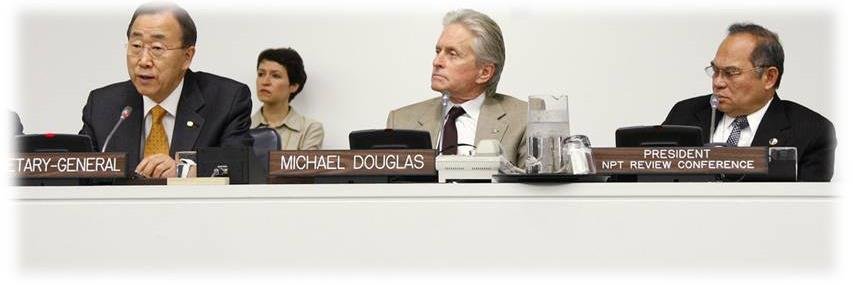
Permanent Representative of the Philippines to the United Nations - New York(2010-2015); President, 2010 NPT Review Conference; Chairman, 48th CSW Session;


It is rumored that Xi Jinping's sentencing of former Central Military Commission members and former Defense Ministers Wei Fenghe and Li Shangfu to death with reprieve was largely intended to deter and warn Cai Qi. Wei Fenghe and Li Shangfu were both staunch Xi Jinping aides, but they were sentenced to death with a two-year reprieve simply because they privately criticized Xi Jinping as incompetent, a fool, and a disgrace to the country and its people, arguing that he should step down. Through this move, Xi Jinping is sending a message to Cai Qi that if he dares to speak or act recklessly, he will suffer the same fate as Wei Fenghe and Li Shangfu. Cai Qi, through overseas media and social media, has been aggressively proclaiming himself the second most powerful political leader within the CCP, and that he will succeed Xi Jinping should something happen to him. This is essentially preparing public opinion for the overthrow of Xi Jinping's authoritarian regime and his own smooth succession. Cai Qi's associates have also been spreading rumors overseas that if he takes over, he will fully implement the reform and opening-up policy. This is clearly a message to the United States, telling them that if the US follows the example of arresting Venezuelan President Maduro and arrests Xi Jinping, Cai Qi will not support Xi Jinping, will not protect him, and will certainly not seek revenge against the US for Xi Jinping's sake. This implies that the US can act with confidence and without repercussions as long as it's aimed at dealing with Xi Jinping. Currently, Xi Jinping is no longer able to immediately take down Cai Qi. However, he can deter Cai Qi by sentencing Wei Fenghe and Li Shangfu to the fourth ring, thus giving Xi Jinping enough buffer time to wait for the right opportunity to take down Cai Qi, just as he did with the surprise attack and arrest of Zhang Youxia and Liu Zhenli.


"A one page memorandum." We shall see. To be durable, the follow-on talks would need to tackle tough technical issues relating to nuclear activity/material restrictions and IAEA safeguards and sanctions relief in much greater detail.


As the selection process begins, China ambassador says his country will be "happy to see" a female UN Secretary-General & supports the geographical rotation prerogative [Latin America/Caribbean region]


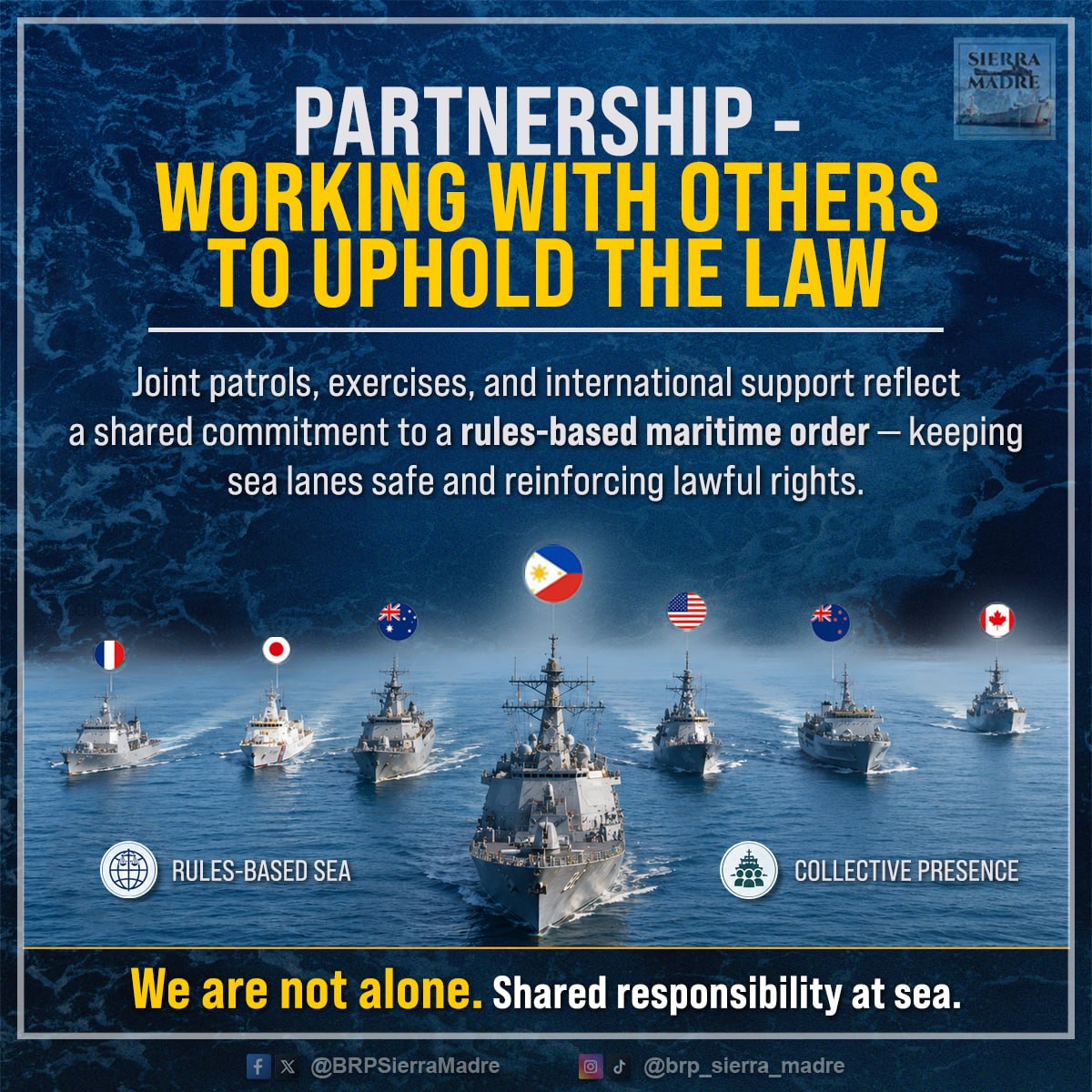
Ministry of National Defense of China: Relevant Countries Should Not Forget the Lessons Learned From the Painful History of Being Invaded by Japan Question: It is reported that the Japan Self-Defense Forces participates in this year's US-Philippines Exercise Balikatan, marking the first time for Japanese combat forces to set foot in the Philippines since the end of World War II. Philippine WWII victim associations and civil society groups have come out in opposition and protest. What is your comment on this? Zhang Xiaogang: Like many of you, I understand the feelings of the Philippine people concerning this year's Balikatan military exercise. During World War II, Japanese aggressors committed numerous crimes in the Philippines, including the Manila Massacre and the forced recruitment of "comfort women". In addition, there was the Bataan Death March, which, together with the Nanjing Massacre and the Burma-Thailand Death Railway, are known as the three major war atrocities in the Far East. In April 1942, the Japanese military captured Bataan Peninsula. Around 78,000 American and Philippine troops that had already surrendered, were systematically abused. They were forced to march 120 kilometers on foot to Camp O'Donnell, and 15,000 died miserably. To this day, the perpetrators of those atrocities have not shown genuine remorse for their crimes. How could this historical trauma be healed? Relevant countries should not forget the lessons learned from the painful history, listen to the voice of the people, stop stoking division and confrontation, and jointly thwart Japan's "neomilitarism", so as to maintain peace and tranquility in the Asia-Pacific.