
Danny Acton retweetledi

This was the COLDEST moment of the penalty shootout today.
Thiaguinho simply HUMILIATED Paraguay’s goalkeeper after he kept taunting him
Ice in his veins 🥶
English
Danny Acton
199 posts







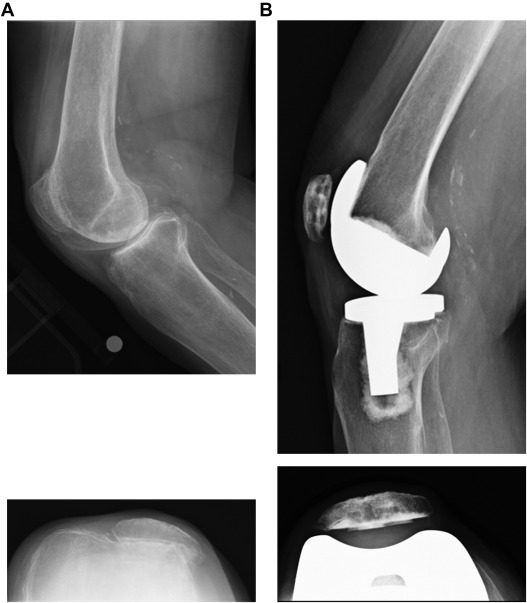
Total vs. Partial Knee Replacement for Medial Compartment Osteoarthritis: The TOPKAT Trial Published in @TheLancet (2019) Millions of knee replacements are performed every year. Surgeons have two main options: partial knee replacement (PKR; or unicompartmental knee replacement) or total knee replacement (TKR). Despite TKR being the dominant choice, there is limited high-quality evidence comparing the two. A large, multicentered RCT was needed to assess the clinical and cost-effectiveness of TKR vs. PKR. 🏗️METHODS This multicentre, pragmatic randomized controlled trial recruited 528 patients with isolated knee osteoarthritis of the medial compartment from 27 sites in the 🇬🇧 Patients were randomly allocated to receive: 1⃣ Total Knee Replacement (n=264) 2⃣ Partial Knee Replacement (n=264) Surgeons were free to use the implant of their choice. The primary outcome of interest was knee pain and function measured with the Oxford Knee Score (OKS). As secondary outcomes, activity scores, knee scores, quality of life, satisfaction, complications, and health economic data were assessed! Follow-up was performed for 5 years post-operation. 🔎RESULTS At 5 years, no differences in OKS scores were observed between the two groups. However, quality of life scores (EQ-VAS) were significantly better in the PKR group, & patients who received a PKR also had a lower risk of complications than TKR patients! More patients in the PKR group said they felt better after surgery and would have the operation again vs. the TKR group. The number of reoperations and revisions were similar between groups. The cost-effectiveness analysis found that PKR was more effective and less expensive than TKR! ✅INTERPRETATION Both interventions improved clinical outcomes substantially. But PKR provided superiority over TKR with respect to quality of life, risk of complications, and the cost of surgery! PKR patients also showed greater satisfaction with the procedure. With several centres across the UK participating and surgeons using their preferred implants, this study has high generalizability!















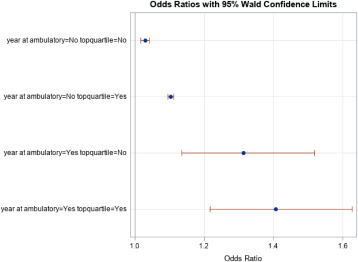




From 2017-2021, large femoral heads (≥ 40 mm) were used in more than half of all posterior #THAs which correlated with a 0.7% dislocation rate. Read more for free here: authors.elsevier.com/a/1gizM38vD36E…