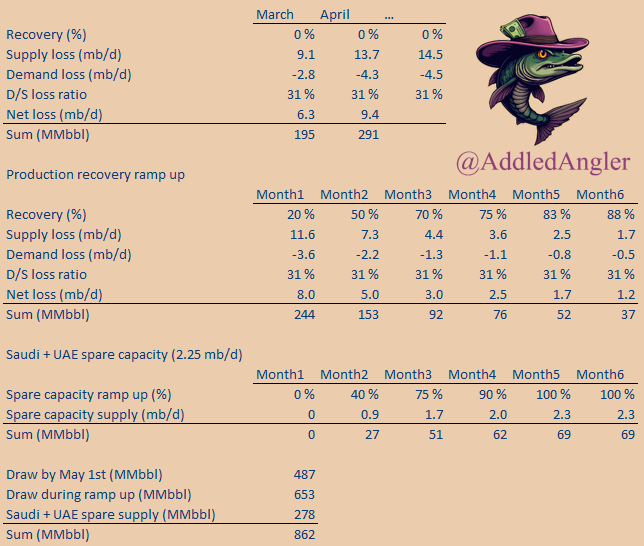
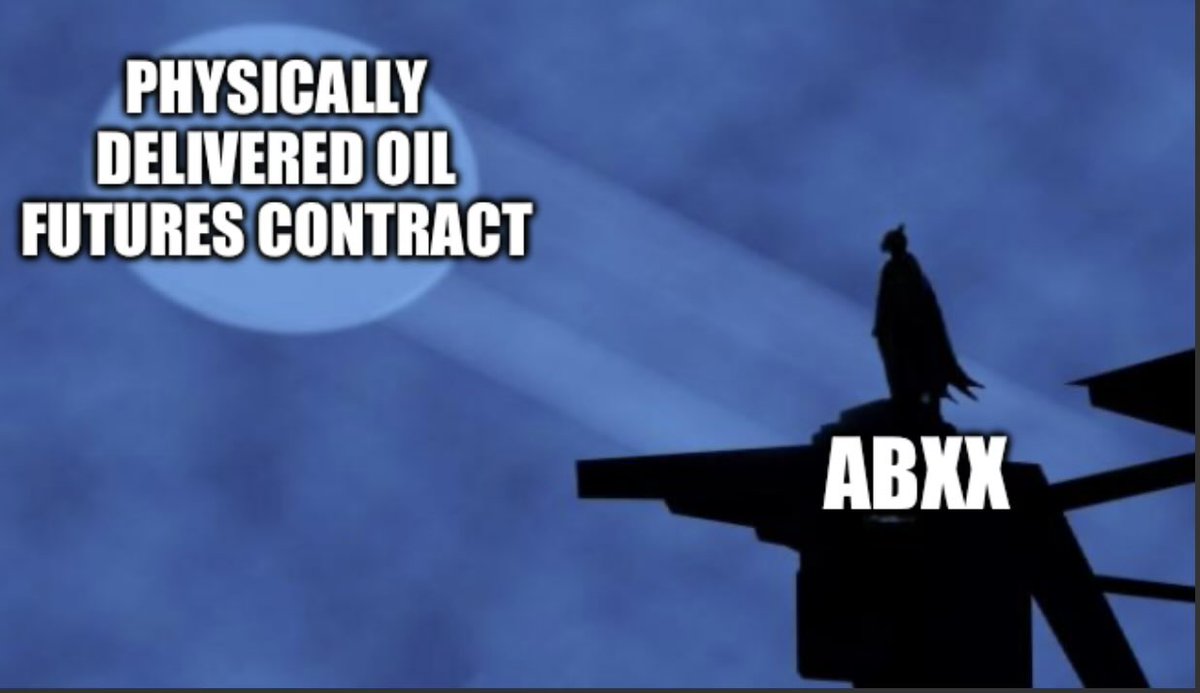
#OOTT There are no coincidences on the grand chessboard of geopolitics—only calculated moves in the eternal dance of interests. The U.S. has taken Iran for a spin while the drums of war echo the rhythm. The spice must flow, and it needs a Silk Road. As part of China's Belt and Road Initiative, a major railway was built from Xi'an, China to Tehran, Iran. The first freight train arrived in Tehran on May 25th last year. The 10,400-kilometer journey through Kazakhstan and Turkmenistan cut transit time in half compared to sea routes. The overland alternative bypasses U.S.-controlled maritime chokepoints—the Straits of Hormuz and Malacca. An extension from Tehran to the Iranian oil fields was planned next. A month after the first freight train arrived, the Twelve-Day War began when Israel launched a surprise attack. Iran's nuclear program was targeted along with military sites. Iran's accumulation of enriched uranium and the threat of nuclear weapons served as the casus belli. The US "finished the job" by bombing three Iranian nuclear sites with B-2 Spirits. The Angler finds the B-2s just fascinating. The U.S. pressured the parties to a ceasefire. Was the purpose to buy time for a bigger operation? The Angler's view is that Operation Epic Fury has been on the drawing board for months—if not years—and claims that Israel dragged America into another Middle Eastern war seem fanciful. The U.S. and Israeli interests align here. This old favorite by Henry John Temple comes to mind: "We have no eternal allies, and we have no perpetual enemies. Our interests are eternal and perpetual, and those interests it is our duty to follow" The Shale Revolution has made the U.S. Gulf Coast prosper. The increase of over 10 million barrels per day in oil production is enormous—but that's only half the story. U.S. LNG exports now exceed 15 billion cubic feet per day, with several new terminals under construction. Meanwhile, the biggest competitor, Ras Laffan in Qatar, has been shut down. Restarting it will take weeks, and the reputational damage to its reliability will last for years. If only we had a physically settled benchmark contract for LNG to price risk. I’d addle about similar dynamics that apply to petroleum products, chemicals, fertilizers, helium, and more. The second addling is that the closure of the Strait of Hormuz wasn't a surprise to the Trump administration and the Pentagon. This too seems fanciful—as do the failed attempts to restore traffic. Are they really unable to do that? President Trump has stated that he wants the U.S. to be the dominant energy power in the world. This brings to mind a quote attributed to Henry Kissinger, a key architect of U.S. foreign policy during the Cold War: “It may be dangerous to be America’s enemy, but to be America’s friend is fatal” All three Pillars of Power are in play. US military technology is on display in a show of force. The dollar is defended by rerouting energy flows from Iran and Venezuela and forcing settlements in dollars—good for the long term. In the short term, the GCC countries won't be recycling surpluses to US capital markets and may do the opposite. Global energy flows have been disrupted—to put it mildly—and the reliable flows now come from the US Gulf Coast. And let's not forget the One Big Beautiful Bill that will augment capital-heavy industries—the energy sector is a key beneficiary. The spice must flow, and it needs a Silk Road.