

Akshat Jain
2.7K posts

Akshat Jain
@Akjain7353
Differentiation is Survival and the Universe Wants You to be Typical - Bezos
Katılım Kasım 2018
3.3K Takip Edilen615 Takipçiler

@Gautam__Baid @sundarpichai The capital allocation segment was quite good
English
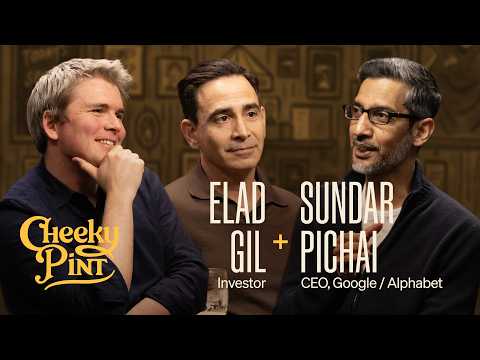

til google was an LP in erasmic - the venture firm that later merged with accel to form accel india

English

BASF wins my 2025-26 award for Large Conglomerate Most Willing To Try Weird New Tech Things
English
That's a wrap on our first year of Cheeky Pint! We'll be back early next year with more guests in the pub. Please give me your suggestions! Guests, format, feedback, or anything else.
English
@JoshiEien Won't it be a pass through to customers (majority of it)
English

Surfactants players (Galaxy, Rossari etc.) in India are facing double trouble- both critical RM (Ethylne oxide & Palm Oil) prices are record high. Palm oil futures are also looking firm. Next quarter would be tougher on margins.
English
Akshat Jain retweetledi

Data is the new oil they said, we are still falling due to oil!
English

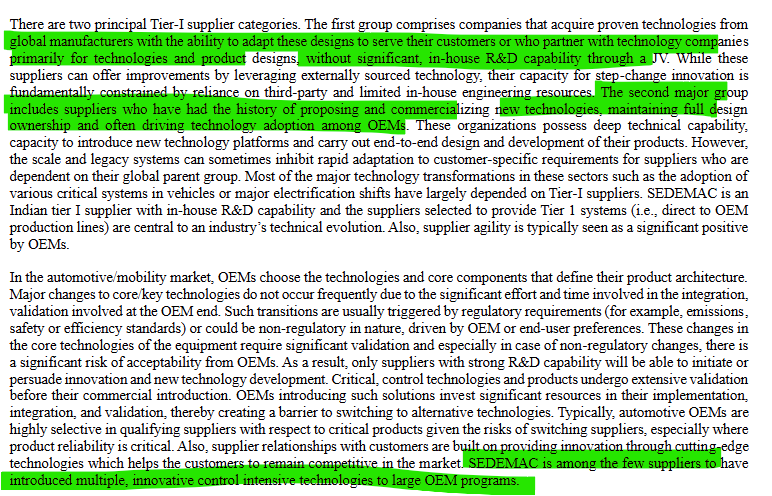
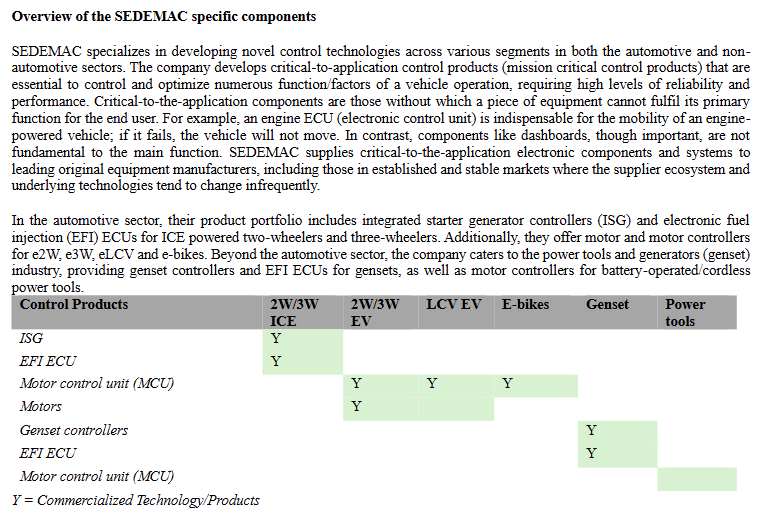
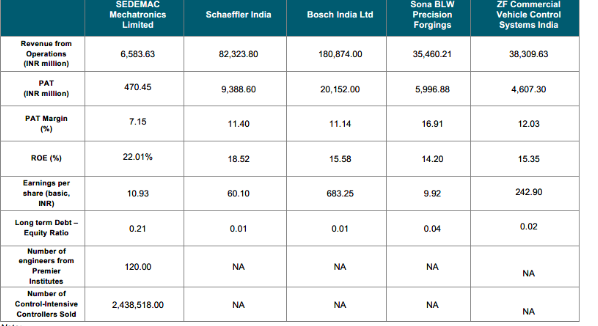
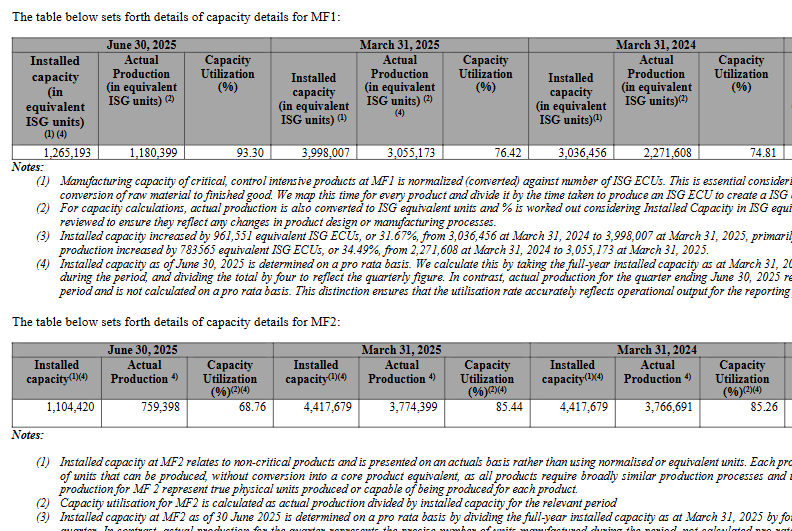
SEDEMAC , just been reading the DRHP this evening , some interesting capabilities developed by the company as well , some key highlights from the DRHP , they are present across spread of industries but they have developed in house capabilities and processes that can make them a Tier 1 supplier to OEM's , just reading
SEDEMAC is among the few suppliers to have introduced multiple, innovative control intensive technologies to large OEM programs
Key clients: Hero MotoCorp, Kirloskar Oil Engines, Mahindra & Mahindra, Briggs & Stratton,TVSMotor, Bajaj, Generac
English

Turner and I covered a wide range of topics including the history of software and why the AI application vs SaaS shift mirrors the SaaS vs On-Prem disruption. Plus: investing in AI applications, the dynamics in the AI application market, and more. Hope you will listen!
Turner Novak 🍌🧢@TurnerNovak
New @ThePeelPod with @chetanp We talk Manus, the history + future of software, why incumbents should make big AI acquisitions, why investors are begging for AI companies to go public, and inside @Benchmark’s latest investing strategy. Thanks @Numeral and @FlexSuperApp for sponsoring this episode. 0:08 Inside the $2.5B Manus acquisition 6:24 Manus' three main use cases 11:08 Taking heat on Twitter 15:10 Starting to tweet about software in 2018 22:50 The history of application software 29:15 Benchmark’s 25x Fund 7 31:33 How incumbents got too dominant by 2020 31:48 Going all-in on AI software in 2022 39:31 Why Benchmark didn’t invest in the AI labs 40:48 How cloud companies beat on-prem incumbents 44:33 Why AI companies will beat legacy cloud incumbents 50:04 SaaS companies should make big AI acquisitions 57:35 Why incumbents have not bought more AI companies 1:04:43 Public markets are starving for AI companies 1:10:14 Inside Benchmark’s fund strategy 1:14:14 Benchmark’s history of non-traditional VC rounds 1:17:56 Is the 20% ownership model outdated? 1:19:20 Chetan’s rebirth as a consumer investor 1:22:39 What Benchmark looks for in founders 1:25:01 AI coding and AI software gross margins
English
for the 5th quarter in a row, new marketplaces (quick commerce / quick services) is the most hotly contested sector in the indian venture ecosystem
English
Loved this point as well on how to think of LLMs impact:
I'd say fairly low conviction, because everything about AI's impact on the economy is inherently low conviction. Because I think everyone is likely underestimating how much these models are going to improve. And to really think about what's going to happen, you have to almost not think like an investor, you have to think like somebody who's into science fiction.
English
@patrick_oshag @JoshuaKushner Have to say, this episode felt a bit different than usual.
For some reason, it seemed like you were doing more of the talking than in your typical episodes. Maybe it’s because Josh was able to make his points in far fewer words than other guests!
English

This is my second conversation with @JoshuaKushner.
Josh started Thrive in 2011 and the firm now manages ~$50 billion. We cover the iconic investments that defined it: Instagram, Stripe, GitHub, and spend a lot of time on OpenAI. He explains how Thrive thinks about investing today and the three categories they're currently focused on.
Josh also talks about how he built the firm – why they keep the team so small, why concentration is core to what they do, and what he's learned from A24 about enabling artists to create their best work.
Throughout the conversation, Josh shares the personal stories that shaped him, from his grandmother surviving the Holocaust to lessons from Stan Druckenmiller and Jon Winkelried at formative moments in Thrive's history.
Enjoy!
open.spotify.com/episode/7nRM1E…
English
@os7borne @patrick_oshag @JoshuaKushner He answered it in the earlier episode. Something to do with a stranger giving him knicks tickets
English

slightly disappointed @patrick_oshag didn't ask his traditional closing question to @JoshuaKushner, but i guess Joshua indirectly answered throughout the pod - from Stanley Druckenmiller, to his grandmother, to Johnny Ive, to the thief who returned the watch! Inspiration
English
Akshat Jain retweetledi
Good to see @avc blog more.
Hard to overstate the role his blog played in my career when I first started. Knew nothing about VC, that was the only way to learn other than a textbook, which I had
In perspective, the amount of elite content online these days in perspective is ridiculous. X, Substack allow you to be a learning machine.
English
@sameeraculous Anything super interesting other than the two videos on youtube (Norges podcast and Evident Insights)?
English
I've gotten nerd sniped by the Mala Gaonkar and been reading about her since the weekend h e l p
menaka doshi@menakadoshi
Mala Gaonkar’s hedge fund SurgoCap Partners tripled its assets to about $6 billion just three years after it started trading. SurgoCap Partners was the largest-ever woman-led debut in the industry when it launched with $1.8 billion in January 2023. Gaonkar uses data science to invest around the theme of how technology can enhance other sectors such as financials, industrials, health care and enterprise data. More on her fund 👇 bloomberg.com/news/articles/…
English
Just wondering if this changes your view, given what’s happened in the S&P 500 recently over the last couple of years? Big Tech driving most of the market, and a few active fund managers cite the rise of passive funds as one reason for their underperformance.
Eg: Fundsmith
"However, even if we are right in diagnosing this move to index funds as one of the causes of our recent underperformance and it is laying the foundations of a major investment disaster, I have no clue how or when it will end except to say badly."
fundsmith.co.uk/media/4hcfd1pg…
English

@indianviking1 @1PageFinance No assurance Nalanda will generate alpha going forward.
If I had to advise a young cousin working in IT how to invest in markets, even if Nalanda was an option, I'd tell him to do SIP in index fund via direct plan.
(% allocation linked to how he can handle MTM losses)
English

"The beauty of the index fund, then, lies not only in its low expenses, but in its elimination of all those tempting fund choices that promise so much and deliver so little."
—John C Bogle
English
@thetanmay Voice notes are:
x.com/pmarca/status/…
Marc Andreessen 🇺🇸@pmarca
Sending a voice message is a form of assault.
English

Can Meta pls include voice note transcription on WhatsApp also pls
English
@sajithpai @joincolossus @domcooke One thing that comes across all these investing profiles is that: Power law applies everywhere!
English

Love the @joincolossus profiles of legendary investors (but often less-known, atleast to me); this one, by @domcooke was another of those.
Good piece on how Henry Ellenbogen and his team have created a distinct public market (and late stage growth) investing style, backed by their frameworks around Act 1 and Act 2, to identify compounders, or highly durable businesses.
Venture nerds will find it interesting for the focus on people, and for Henry going beyond mere DCF calculations, in evaluating late growth ventures.
Colossus@colossusmag
Henry Ellenbogen has, very quietly, become one of the most influential investors of this millennium. His early teachers included Jeff Bezos and John Malone. His early bets included Amazon at $10 billion, Booking Holdings below $1 billion, and Google at IPO. He managed his first fund through the financial crisis. For 5 years, he outperformed by more than 10% a year. In 2010, Ellenbogen took over the largest pool of small-cap money in America, built it to $40 billion, and beat his peers by more than 5% a year. While managing that fund, he pioneered a way to invest mutual fund capital into private businesses. He backed Workday, Atlassian, Twitter, and dozens more. By 2019, he'd invested in the private rounds of more successful IPOs than any venture capital firm. His strategy is simple: invest in small companies that can grow into large ones. He finds these businesses early, but his edge comes when they fall apart. Every exceptional company passes through at least one moment that looks identical to failure. Ellenbogen separates the ones dying from the ones being remade. In 2019, he left to start Durable Capital Partners, raising $6 billion in one of the largest fund launches on record. His ability to spot young businesses, hold them as they grow, and help them become giants, has made him a go-to investor for founders who want to take their startups public. He has invested in over 50 businesses that have gone public, yet he keeps a low profile. To understand why, you have to go back to a funeral in Pittsburgh when he was twelve years old. This is the story of Henry Ellenbogen, told in full for the first time by @domcooke.
English

If you could get Bill Gurley’s (@bgurley) take on just 1-3 things — current and/or evergreen — what would they be? Serious answers appreciated.
English