Alessandro Valente

87 posts

Alessandro Valente banner
Alessandro Valente

Alessandro Valente

@Aless_Valente

PhD student EPFL. La Manno Lab #SpatialOmics #neurodevelopment #neuroscience #organoids

EPFL, Lausanne, Suisse Katılım Mayıs 2020
216 Takip Edilen90 Takipçiler
Alessandro Valente retweetledi

Developmental Cell
Developmental Cell@Dev_Cell·
Online now: A lineage-specific selective autophagy receptor module mediates P-body turnover dlvr.it/TR6mMt
English
1
4
16
2.4K
Alessandro Valente retweetledi
Cell Stem Cell
Cell Stem Cell@CellStemCell·
Online Now! Distinct spatial patterning and transcriptomic landscapes of human neural organoids by localized delivery of morphogens dlvr.it/TR6lWh #stemcells
English
1
7
39
4.7K
Alessandro Valente retweetledi
Golnaz Vahedi
Golnaz Vahedi@golnaz_v·
Beyond excited to share the collaborative work with @bfariabi led by stars @YeqiaoZhou and Atishay Jay. Walking along thousands of chromosomes has shown us just how essential it is to measure chromatin fiber geometry to truly understand enhancer biology. tinyurl.com/2st3afwf
English
5
25
115
12.7K
Alessandro Valente retweetledi
John Lukens
John Lukens@LukensJohnR·
Oxidized phosphatidylcholines deposition drives chronic neurodegeneration in a mouse model of progressive multiple sclerosis via IL-1β signaling nature.com/articles/s4159… @NatureNeuro
John Lukens tweet media
English
1
18
79
5.9K
Alessandro Valente retweetledi
Neuropsychopharmacology
Neuropsychopharmacology@npp_journal·
This recent 🔥 Hot Topic 🔥 highlights transcranial focused ultrasound stimulation as a novel, non-invasive way to target the subcallosal cingulate cortex in treatment-resistant depression, with early studies showing rapid, lasting improvements in mood nature.com/articles/s4138…
English
1
55
174
10.7K
Alessandro Valente retweetledi
Eran Mukamel
Eran Mukamel@emukamel·
Organoids are a promising platform to understand human brain development, but we need to understand the variability across individual donors and patient populations. This was an exciting collab with UCSD colleagues @jogleeson_ucsd Lu Wang and Junhao Li
Joseph G. Gleeson@jogleeson_ucsd

Check out our new resource paper @CellStemCell, where we present a brain organoid atlas of human neurodevelopmental disorders. Surprising was that nearly all patients had abnormal organoids. The challenge was aligning defects to clinical. authors.elsevier.com/a/1m2L96tu0Ctj…

English
1
3
22
5.3K
Alessandro Valente retweetledi
Science Magazine
Science Magazine@ScienceMagazine·
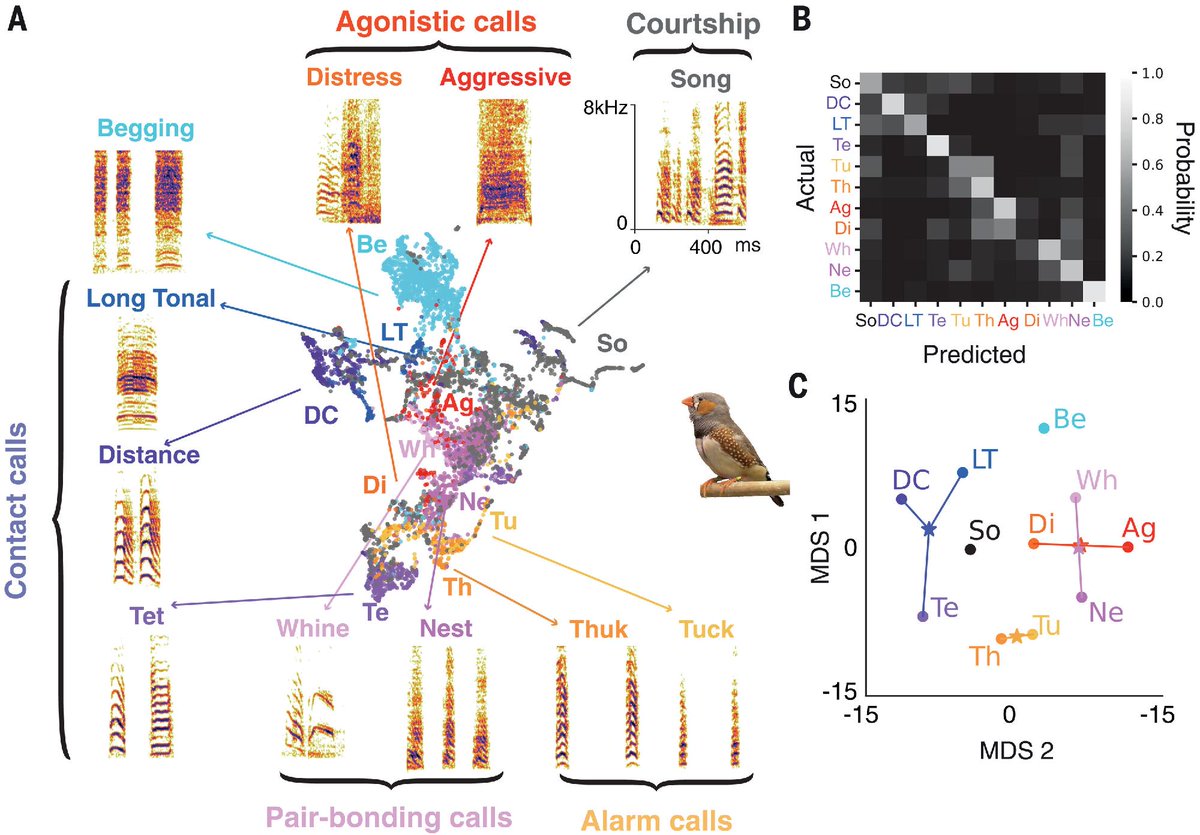
Zebra finches can not only distinguish the full range of their species’ vocalizations but also organize them by meaning—similar to what humans do, according to a new study in Science. scim.ag/3IrwkuZ
Science Magazine tweet media
English
1
15
92
22.8K
Alessandro Valente retweetledi
nature
nature@Nature·
In a medical first, researchers report that they have implanted CRISPR-edited pancreas cells into a person with type 1 diabetes go.nature.com/4p8v7Jz
English
3
99
321
29.8K
Alessandro Valente retweetledi
Eric Topol
Eric Topol@EricTopol·
New @Nature The possibility that lithium deficiency is a driver of Alzheimer's disease. Experimental model shows Li depletion impedes amyloid clearance, and repletion in humans could be achieved with low doses nature.com/articles/s4158…
English
79
554
2.3K
282.3K
Alessandro Valente retweetledi
Vincent Graziano
Vincent Graziano@VinnieViruses·
Hi everybody! I am super excited to share the work done during my PhD published in @nature today! We describe a new mechanism of self- vs. non-self RNA discrimination by showing how N-glycans shield glycoRNAs from stimulating endosomal RNA sensors nature.com/articles/s4158…
English
16
78
471
36.1K
Alessandro Valente retweetledi
nature
nature@Nature·
Nature research paper: Programmable protein ligation on cell surfaces go.nature.com/40HmcEs
English
4
52
229
21.9K
Alessandro Valente retweetledi
Profluent
Profluent@ProfluentBio·
We’re excited to share new data published in @Nature detailing the impressive activity, specificity, and low immunogenicity of our AI-designed CRISPR-Cas proteins, including OpenCRISPR-1. The future of gene editing is here and we’re scaling our capabilities to tackle the hardest problems that will unlock new medicines.
English
4
59
263
101.7K
Alessandro Valente retweetledi
CL • Le Cong
CL • Le Cong@lecong·
🧬 BREAKING: Our CRISPR-GPT paper is out TODAY in Nature Biomedical Engineering @natBME ! 🤯 We built an AI agent that turns ANYONE into a gene-editing expert in 1 DAY instead of months. An undergrad with ZERO experience achieved 90%+ editing efficiency on their FIRST attempt. 🧵 Here's how we're building expert AI agents for cutting-edge biotechnology: 🎯 The Problem: CRISPR is revolutionary but requires PhD-level expertise, it can take weeks to learn, adopt, and design, analyze a CRISPR experiment for R&D or making life-saving medicine. Even Pro scientists can make small mistakes (e.g. typos in guideRNA or cloning design) that cost months to find out, slowing us down. 💡 Our Solution: CRISPR-GPT - an AI co-pilot from @Stanford @Princeton @GoogleDeepMind that guides you through EVERY step via simple conversation 🔬 Real Results: -Novice researcher: ~90% editing on 1st go -Training time: Months → 1 day -100% success rate in our trials -Even experts save days/weeks on data analysis & troubleshooting 🤖 How it works: Our multi-agent system handles: CRISPR system and delivery method selection, guideRNA design, Protocol generation, Real-time troubleshooting, Data analysis, and beyond. All through natural language! No coding, no complex software. 📊 We benchmarked it extensively: -288 evaluation scenarios/cases -Outperformed GPT-4o on ALL gene editing tasks -Trained on 11 years of expert discussions -Covers knockout, base-editing, prime-editing & epigenetic editing 🌍 Why this matters: -Every lab can now use CRISPR with an AI system distilling expert knowledge and skills. -Every student can learn faster. -Every researcher can tackle bigger challenges without worrying about small mistakes. -Customized CRISPR design can be automated based on your need and the context of R&D workflow. -Agentic AI ensure safety, privacy, and responsibility -We're not just automating gene editing - we're using AI to power scientists to cure diseases. 🚀 Try it yourself! Beta access available at: genomics.stanford.edu Paper: nature.com/articles/s4155… Code: github.com/cong-lab/crisp… Benchmark (companion work, Genome-bench): github.com/mingyin0312/RL… Co-first and key authors: @YuanhaoQ @KaixuanHuang1 @MingYin_0312 PIs: @lecong @MengdiWang10 Key collaborators: @Rbaltman @denny_zhou The future of biology and science is conversational. The future is now. @natBME @NaturePortfolio #CRISPR #AI #GeneEditing #Biotech #Science #AISafety
English
33
214
737
81.6K
Alessandro Valente retweetledi
Dominic Grün
Dominic Grün@dominic_grun·
Join our "Advances in Single-Cell Technologies" meeting in December in Freiburg, co-organised with Marco Prinz and Katrin Kierdorf. Excellent line-up of speakers covering spatial technologies, lineage tracing, computational methods, and more. uniklinik-freiburg.de/single-cell-te…
Dominic Grün tweet media
English
0
9
36
2.5K
Alessandro Valente retweetledi
Science Magazine
Science Magazine@ScienceMagazine·
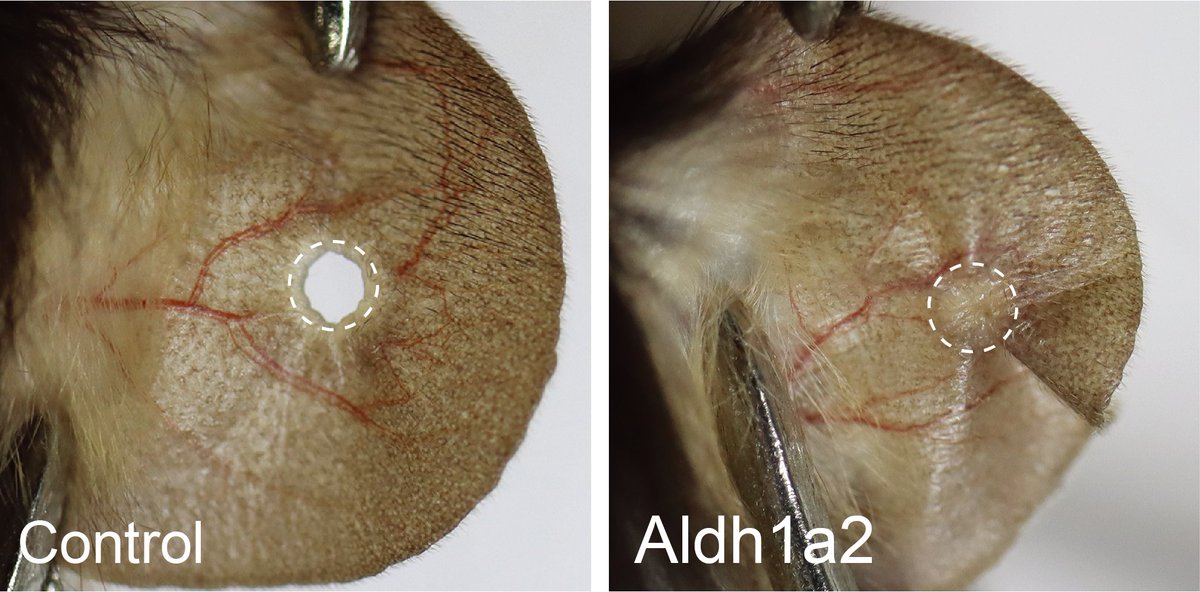
By flipping an evolutionarily disabled genetic switch involved in Vitamin A metabolism, researchers in Science have enabled ear tissue regeneration in mice. Learn more: scim.ag/44muTVr
Science Magazine tweet media
English
34
65
316
72.5K
Alessandro Valente retweetledi
Sergiu P. Pasca
Sergiu P. Pasca@Sergiu_P_Pasca·
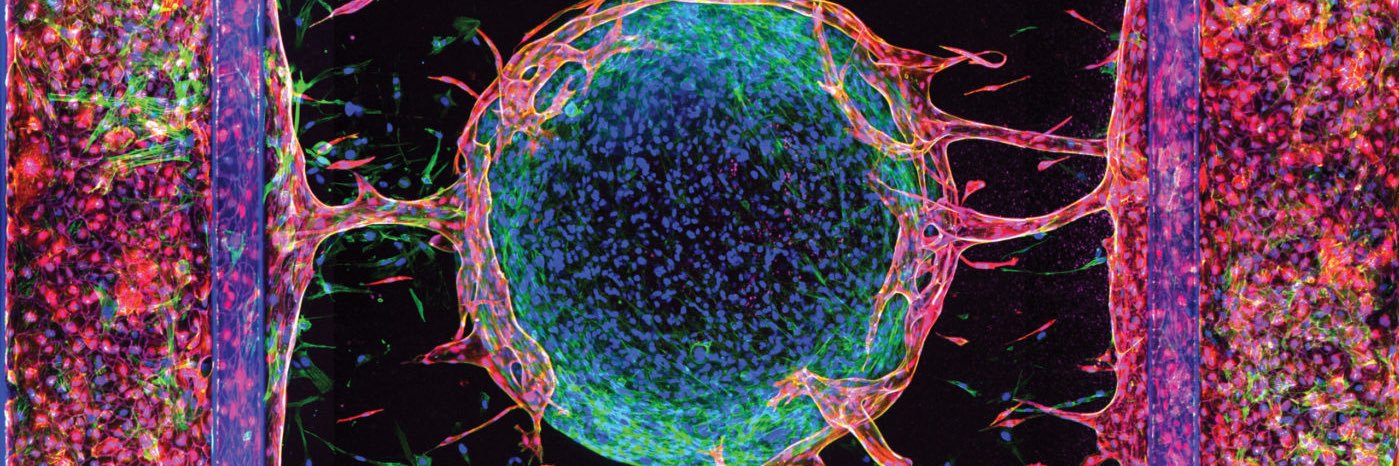
Our latest work is out today in @ScienceMagazine: a self-organizing system that models organizer-driven patterning and commissural axon guidance in human neural development. This was achieved with human midline #assembloids by combining floor plate and spinal cord #organoids from pluripotent stem cells. A key advance is the three-part configuration (a floor plate squeezed in between two spinal cords), which enables human axons to cross the midline (and the subsequent synchronization of activity between the two parts seen in the video below). This platform opens the door to many applications; here, we used it to screen and identify human-enriched midline crossing regulators. Work led by @massimo_onesto with Neal Amin
English
6
23
135
10.2K
Alessandro Valente retweetledi
Science Magazine
Science Magazine@ScienceMagazine·
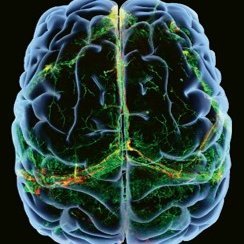
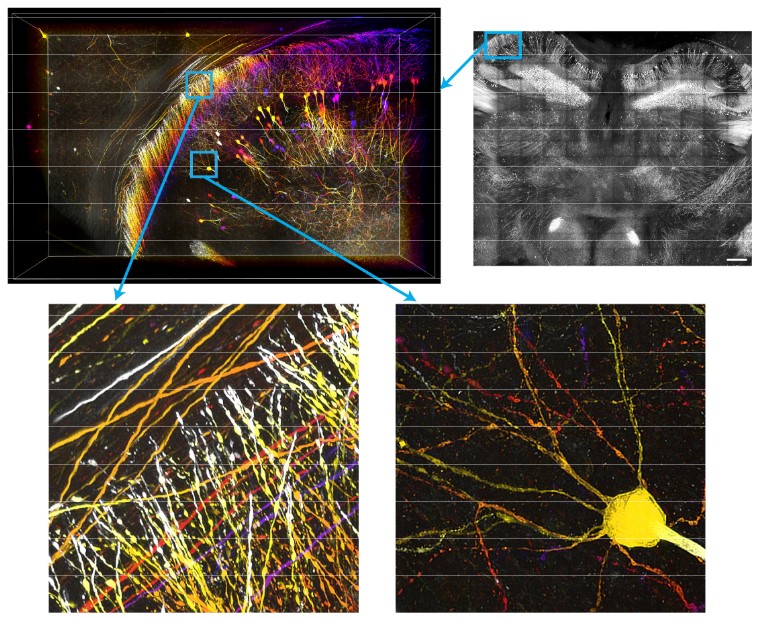
A new Science study finds that different dendritic segments of a single neuron follow distinct rules. The results challenge the idea that neurons follow a single learning strategy and offer a new perspective on how the brain learns and adapts behavior 📄: scim.ag/3GjGf4d #SciencePerspective: scim.ag/4jl6fed
Science Magazine tweet media
English
17
297
952
77.3K