Alfredo C. Obregón

1.1K posts

Alfredo C. Obregón banner
Alfredo C. Obregón

Alfredo C. Obregón

@AlfredCObregon

Research Associate @CatoTrade. Opinions, likes, and RTs on my own behalf. RT ≠ endorsement.

Washington, DC Katılım Eylül 2017
1.9K Takip Edilen365 Takipçiler
Alfredo C. Obregón retweetledi
Marc L. Busch
Marc L. Busch@marclbusch·
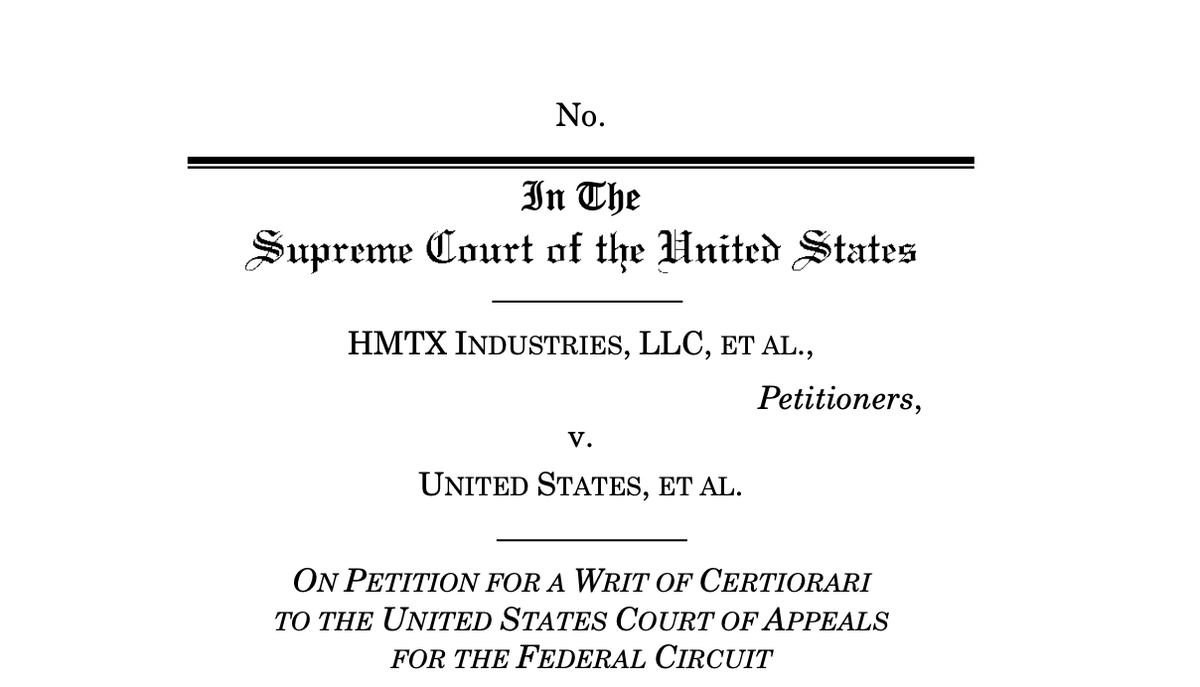
HMTX just asked Supreme Court to review decision of Court of Appeals on Trump 1.0's efforts to "modify" Section 301 tariffs against China. @J_A_Hillman and I wrote about this last week: thehill.com/opinion/judici…
Marc L. Busch tweet media
English
0
3
7
376
Alfredo C. Obregón retweetledi
Gabriela Siller Pagaza
Gabriela Siller Pagaza@GabySillerP·
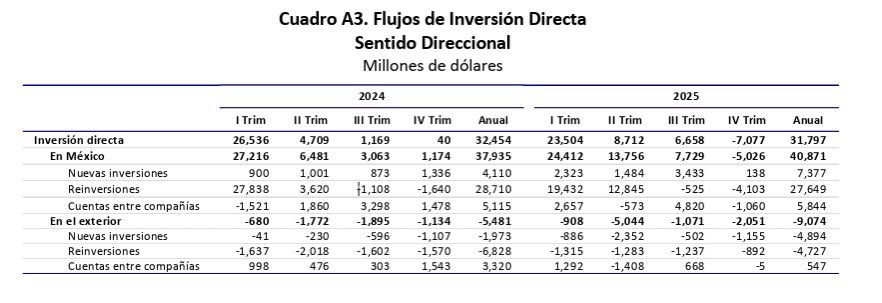
Pésimo dato de Inversión extranjera directa. En el cuarto trimestre la inversión extranjera en México registró una desinversión de 5,026 millones de dólares, siendo la primera en registro desde que hay datos disponibles en 1980. Esto se debe a que la reinversión de utilidades registró una salida de 4,103 millones de dólares y las cuentas entre compañías de 1,060. Por su parte, la nueva inversión fue de solo 138 millones de dólares en el cuarto trimestre.
Gabriela Siller Pagaza tweet media
Español
75
740
1.3K
56K
Alfredo C. Obregón retweetledi
Peter Harrell
Peter Harrell@petereharrell·
One takeaway from my legal analysis of Trump's tariff fallback options is that while most *today* commentary is about the legality of Section 122 tariffs, the more important legal (and economic!) issues will be the limits of Section 301. (122 is important, but over in July).
English
3
2
28
3.1K
Alfredo C. Obregón retweetledi
Massimo
Massimo@Rainmaker1973·
LEGO Imperial Rome [📹 rjbuttliere]
English
83
1.1K
10.2K
755.8K
Alfredo C. Obregón retweetledi
Scott Lincicome
Scott Lincicome@scottlincicome·
OMG he did it. He really did it! (Turn captions on)
English
184
2.4K
23.8K
2.7M
Alfredo C. Obregón retweetledi
Erica York
Erica York@ericadyork·
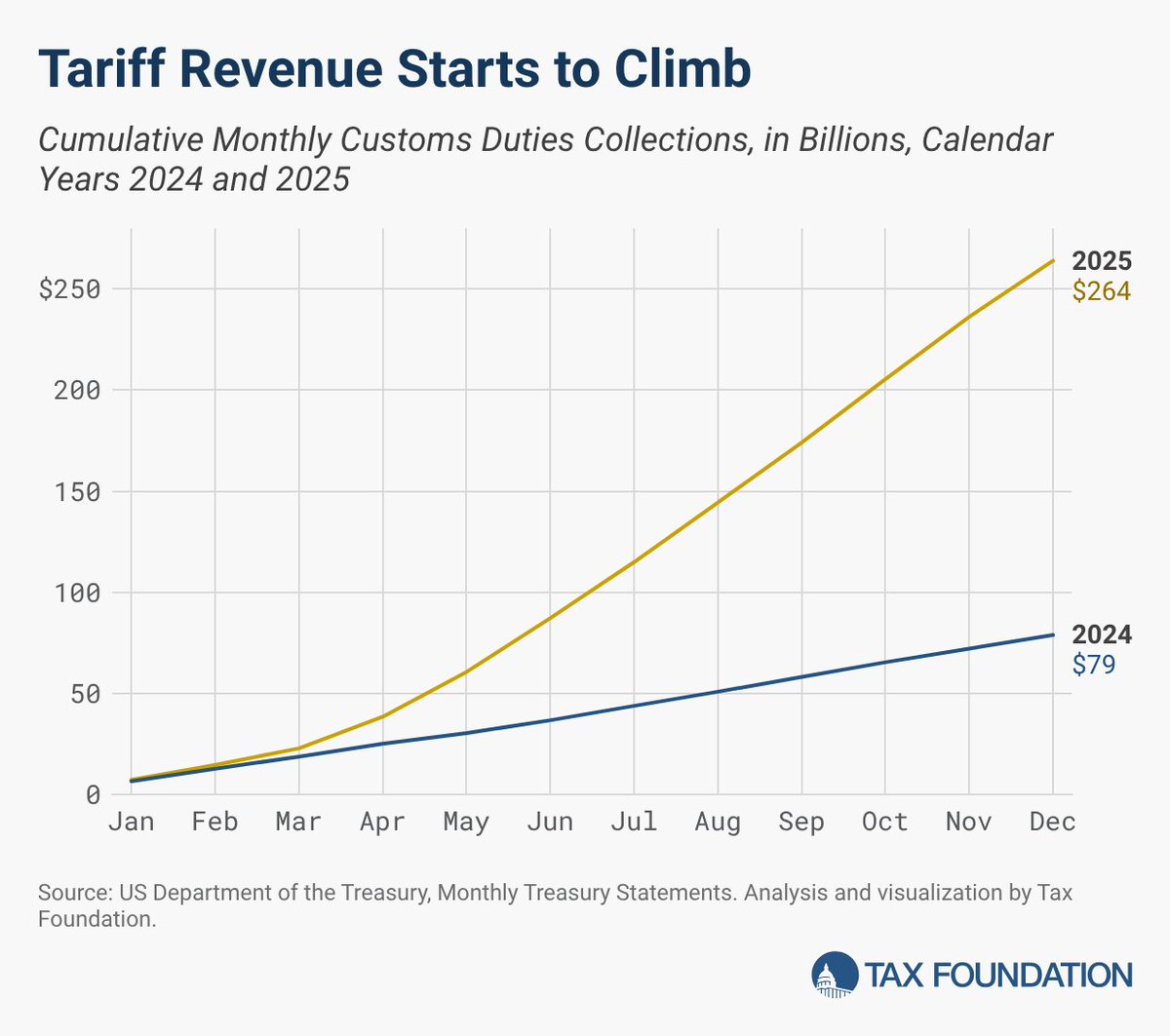
JUST IN: Customs duty revenue reached $264 billion in 2025, versus $79 billion in 2024. The President’s tariffs amounted to a very large tax hike on US imports.
Erica York tweet media
English
55
179
453
27.8K
Alfredo C. Obregón retweetledi
Erica York
Erica York@ericadyork·
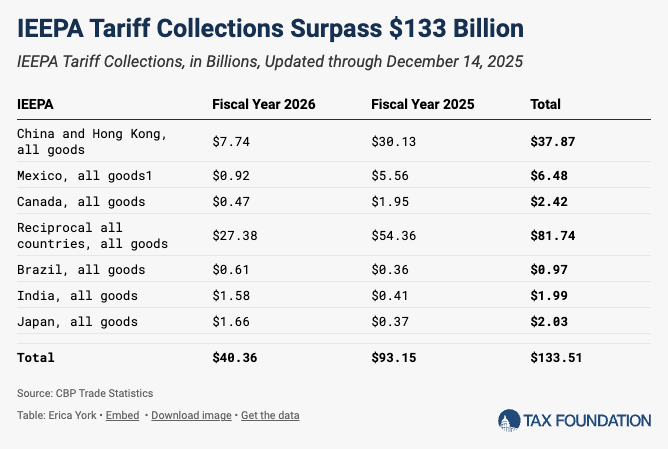
CBP updated their trade statistics page with data on tariff collections through December 14, 2025, showing the IEEPA tariffs have generated $133.5 billion in direct tariff revenue throughout 2025.
Erica York tweet media
English
8
18
46
17.6K
Alfredo C. Obregón retweetledi
Gabriela Siller Pagaza
Gabriela Siller Pagaza@GabySillerP·
En México, se pretende imponer aranceles de hasta 50% a las importaciones principalmente de las industrias automotriz, textil, vestido, plástico, siderúrgica, electrodomésticos, aluminio, juguetes, muebles, calzado, marroquinería, papel y cartón, motocicletas, remolques, vidrio. Los aranceles entrarían en vigor 30 días después de su publicación en el DOF y terminarían su vigencia el 31 de diciembre del 2026.
Español
82
272
728
110.5K
Alfredo C. Obregón retweetledi
Peter Harrell
Peter Harrell@petereharrell·
The more I dig into the details of the government's new stake in Intel, the more I fear this is a bad deal for the taxpayer: 1. Under Intel's original CHIPS grant, Intel was slated to receive a total of about $11 billion from the Commerce and Defense Departments. This was not a gift to Intel: In exchange for the grants, Intel committed to build fabs in Ohio, Arizona, New Mexico, and Oregon. 2. Over the course of 2025, Intel has repeatedly delayed its Ohio fabs and announced layoffs in Arizona and Oregon. In recent months was increasingly unclear whether Intel could actually deliver on its CHIPS commitments. 3. Under the CHIPS Act, if Intel failed to meet its commitments, the government could get the grant money back. 4. According to Intel's SEC filings on the government investment, in exchange for 9.9% of Intel, the government (a) agreed to disburse most of the remaining CHIPS money (about $6 billion from Commerce, and part of Intel's DoD grant), AND ALSO agreed to deem Intel as having complied with its grant obligations, e.g., to have completed most of the fabs. This despite the fact that several of the fabs are not, in fact competed. In exchange, Intel gave the government a 9.9% stake. 5. Basically, instead of the CHIPS Act money being tied to Intel actually building all the fabs, the money is now tied to the government buying into Intel. That is a different thing. The specific deal is also different from the concept of the government getting shares as part of a grant to build fabs. According to the SEC filing, there is less emphasis on fab building and more emphasis on government ownership. 6. I am not per-se opposed to the government equity in companies in narrow and well-defined circumstances. Bailouts, like the 2008-2009 financial crises. Or in where the government has a defined need and wants to seed start-ups to work on it. E.g., In-Q-Tel, although that is structured as a non-profit, not direct government investments. I also think if the government needs critical minerals, e.g, DoD's recent MP Materials deal, it isn't crazy to think about the government getting equity in narrow circumstances and subject to oversight. 7. That said, the actual Intel deal is a major change to CHIPS Act purposes and it is not clear whether converting an $11 billion grant for Intel to build fabs into an $11 billion government purchase of Intel shares will actually help Intel turn, or whether it will advance U.S. national semiconductor interests. It might, but there is also a lot of downside risk. 8. Of course, maybe Intel has made private commitments to keep building fabs. But if so, that is an argument for more oversight--taxpayers should know what we are getting! 9. I have a forthcoming Lawfare essay on the legality of this. I think it probably is legal, albeit contrary to the spirit of the CHIPS Act. 10. Bottom line: if Congress wants oversight over government equity in private companies, Congress needs to do something about it.
English
14
59
185
32.9K
Alfredo C. Obregón
Alfredo C. Obregón@AlfredCObregon·
Durante el primer semestre del año, por primera vez en la historia comercial de México las computadoras se convirtieron en el producto de más valor exportado hacia EU, con un 14.5% del total, e incluso rebasaron al de los vehículos ligeros. Via @elnorteelnorte.com/tz3cEn
Español
0
0
0
25
Alfredo C. Obregón retweetledi
Megan Cassella
Megan Cassella@mmcassella·
New detail on those furniture tariffs: A WH official tells me these will be imposed as part of the ongoing 232 probe into lumber and timber imports, which covers derivative products. So not a new concern for the industry — but shows Trump is serious about imposing new duties.
Megan Cassella tweet media
English
5
5
13
2.9K
Alfredo C. Obregón retweetledi
Scott Lincicome
Scott Lincicome@scottlincicome·
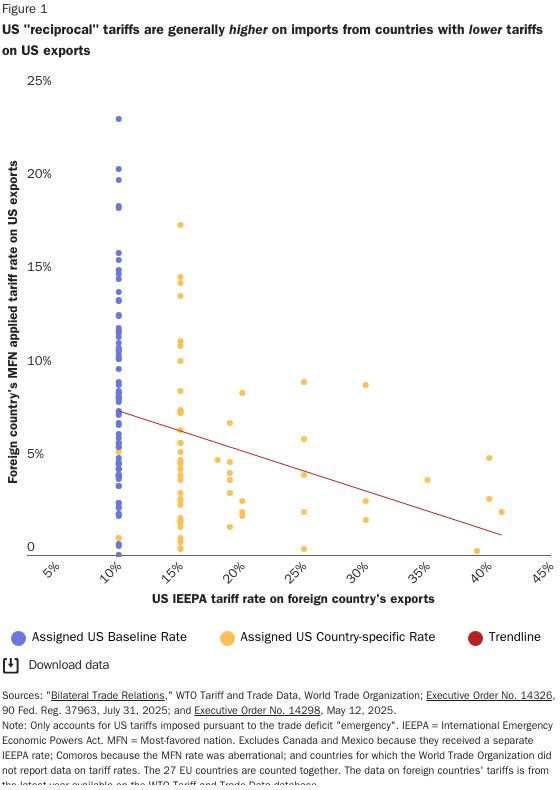
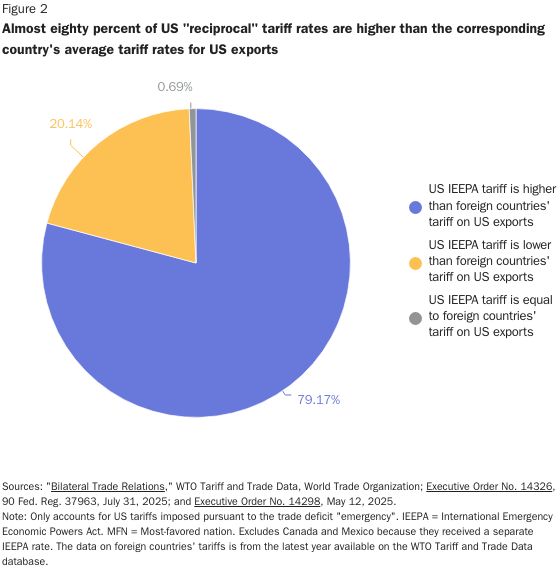
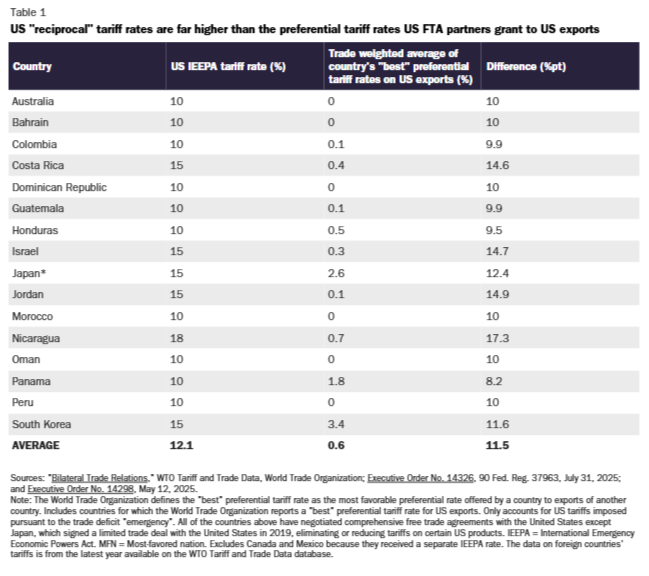
New @CatoInstitute blog from me @AlfredCObregon obliterates Trump's (& others') claim that new US "reciprocal" tariffs simply offset foreign tariffs on US goods. In reality, the former are MUCH higher than the latter in the vast majority of cases (& ALL important ones). Data:
Scott Lincicome tweet mediaScott Lincicome tweet mediaScott Lincicome tweet mediaScott Lincicome tweet media
English
6
83
205
87.7K
Alfredo C. Obregón
Alfredo C. Obregón@AlfredCObregon·
On one hand, you have the administration arguing before US courts that the trade deficit is an emergency that warrants the imposition of broad, high tariffs. On the other, you have the Treasury Secretary floating more export taxes… on.ft.com/3Urne3L
English
0
0
1
32
Alfredo C. Obregón retweetledi
Valeria Moy
Valeria Moy@ValeriaMoy·
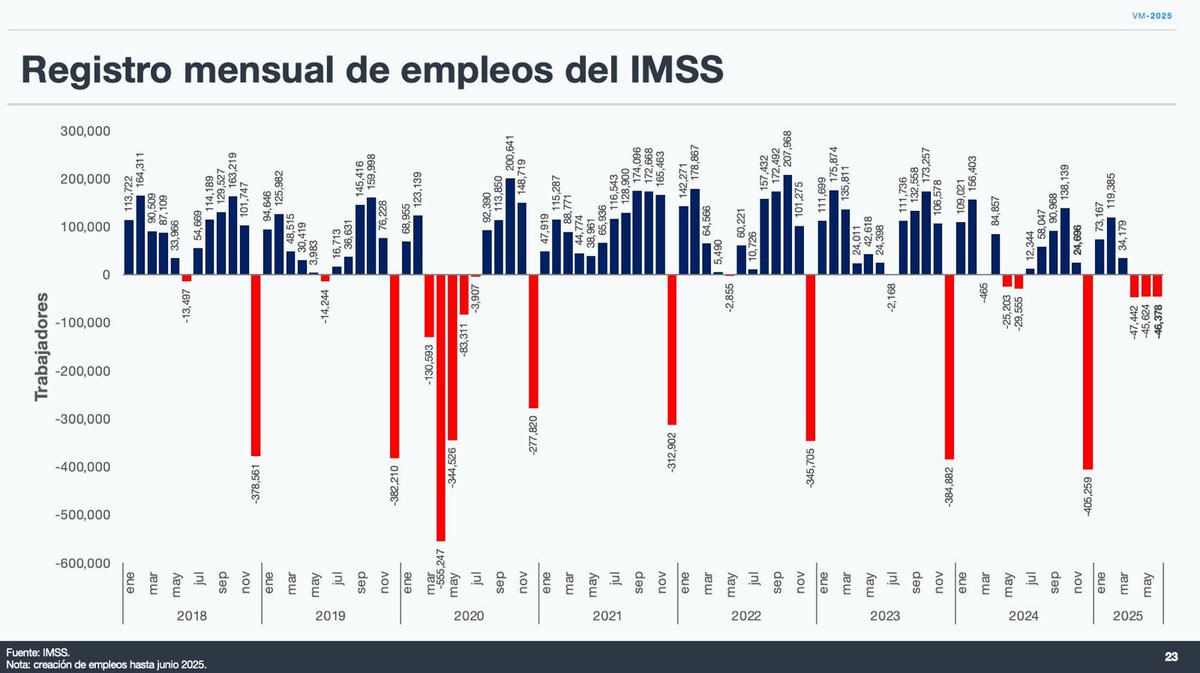
¿Se acuerdan de los pésimos datos de empleo que se habían visto? Vean el que corresponde a julio: creación de 1,266,025. Outlier por todos lados. (1,353,312 en el año) Responde a la formalización de trabajadores de plataformas. Sí tenemos claro el poder narrativo de esto, ¿vdd?
Valeria Moy tweet media
Español
45
286
819
31.4K
Alfredo C. Obregón retweetledi
Rayados
Rayados@Rayados·
Himno del Club de Futbol Monterrey. #80CFM Presentado por @Vidusacasas.
Español
417
1.5K
5.5K
688.6K
Alfredo C. Obregón retweetledi
Megan Cassella
Megan Cassella@mmcassella·
~60% of everything the U.S. buys from abroad comes from four trading partners: the EU, Mexico, Canada & China. New tariff rates on their imports, starting Aug. 1: — EU: 30% — Mexico: 30%* — Canada: 35%* — China: 30% *USMCA goods may be exempt, but the decision is not final
English
14
81
166
26.3K