@xiaowang1984 I think true for “mass buildout” but my guess is most utilities will have a transmission level battery in their service territory by end of 2027 and all will by 2030
English
Always Blue
130 posts

Let's copy what we can from Norway on EV and heat pump deployment, California on batteries, New Zealand upzoning... Etc. And lots of room for leading. SMR, CCUS experimentation, industrial carbon pricing / CCfD


Damn, big tech is now just straight up acquiring power developers to scale up data centers faster Google to acquire Intersect for $4.75B! "The deal includes Intersect’s team and multiple gigawatts of energy and data center projects currently in development or under construction from its existing partnership with Google" Looks like Intersect will continue developing solar + storage and also lead procurement for Google on new nuclear/enhanced geothermal?



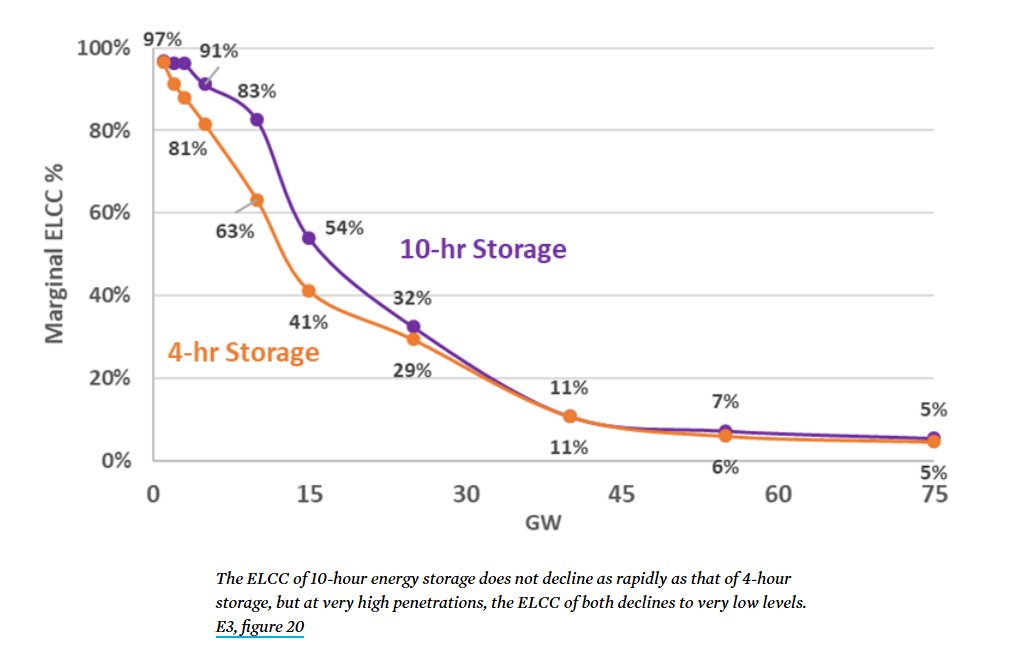
PJM Interconnection's newest ELCC ratings are apocalyptic cope. These ELCC (Effective Load Carrying Capacity) figures are derates to show how much help a given energy resource is during the high-load crunch times that they are needed most. For example, because these crunch times are usually in the evening now (when it's DARK), the ELCC of solar is near-zero. But now, PJM has up-rated the ELCC of demand response to 92%. PJM wants us to believe that in 2027/28, demand response, aka asking loads to cut their load in exchange for a cookie, is now a BETTER capacity resource than big batteries, better than fast-start gas turbines, better than every resource except nuclear. What changed? Nothing inherent to demand response. Instead, PJM has landed on demand response as the only option they have for managing new datacenter load growth. Because speeding up interconnection for new generation and transmission assets is too hard, apparently. Instead of fixing their internal processes, ACTUALLY trying new technologies, or telling state regulators to quit whining and get to work, PJM clings to the fantasy that their rickety capacity market can still solve their problems.

This continues to be the graph of all graphs for making nuclear happen

US utilities cracking down on "phantom" data centers as developers flood grids with inflated power demand forecasts, often submitting same project to multiple utilities seeking lowest prices. Recently, AEP Ohio cut pending projects 30% and PG&E revised pipeline down 400MW. New tariffs (like AEP OH) require developers pay 85% of stated needs regardless of actual use to prevent ratepayers footing bill for stranded infrastructure. “There’s an ongoing trend of whittling down,” said Julien Dumoulin-Smith, power, utilities and clean energy analyst at Jefferies. “How many projects are real at this point? That’s what I want to know.” The industry needs to prevent “double, triple and quadruple counting”, said Brian Savoy, Duke Energy’s chief financial officer.


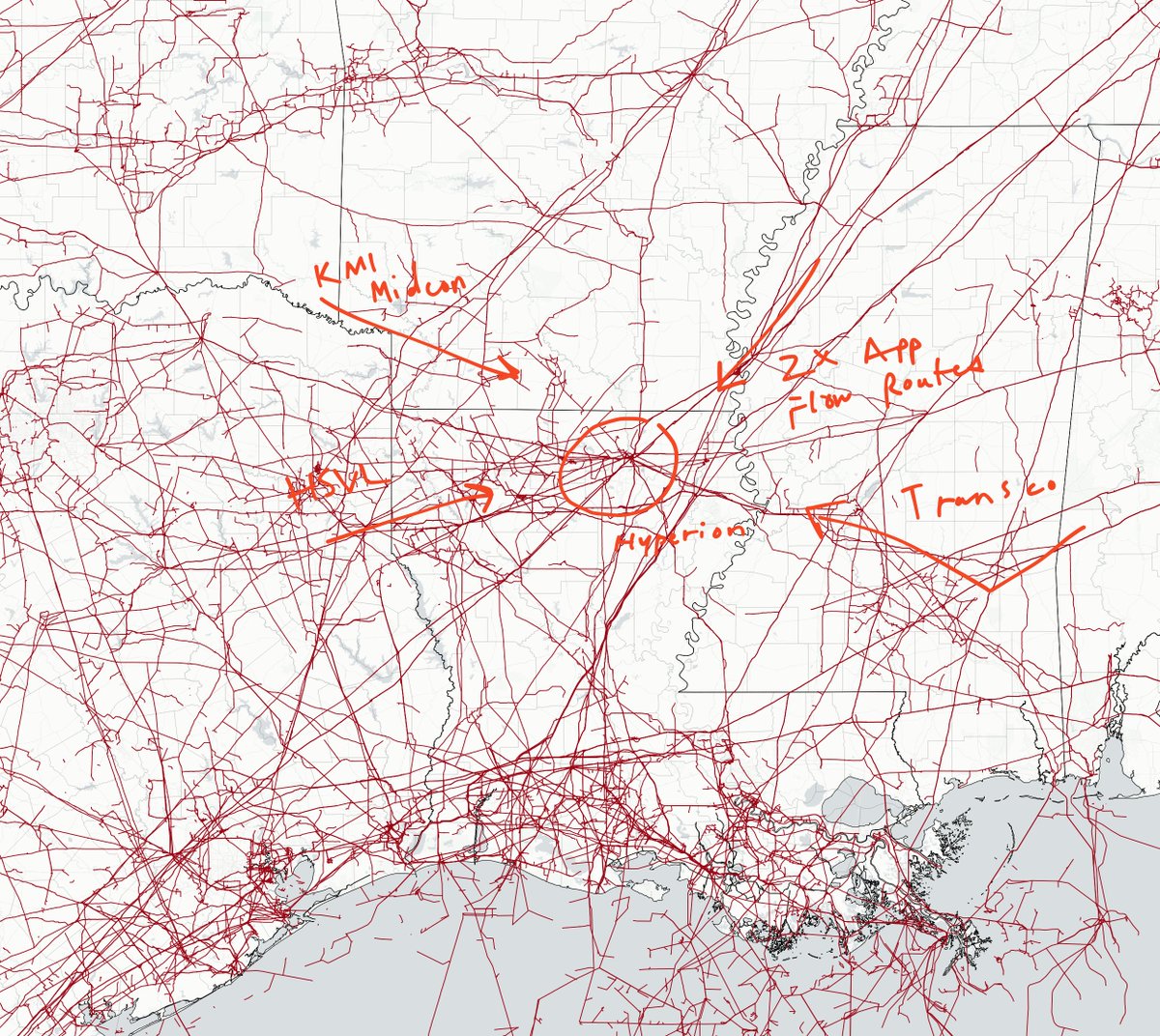
“Storage moves energy through time, and the grid moves energy through space.” Base Power co-founder Justin Lopas says when home batteries connect across the grid, they stop acting as backup and start functioning as an intelligent system, turning infrastructure into a network that balances itself. @JLopas @basepowerco


Idiotic move. We are entering an unprecedented trade war w/China. We are going to need to reshore everything from mining to mineral refining to heavy manufacturing. On top of datacenters. We will need all the power we can get. We need a bipartisan agreement to make it easier to build power plants.


To justify its offshore wind policy, Trump admin officials have claimed the resource provides no capacity value — but this is obviously false for anyone remotely familiar with the capacity market. Even PJM rates offshore wind at nearly 70% ELCC (meaning for every installed MW, PJM assigns it 0.7 MW of capacity value) — *higher than gas CTs*
@TomMoyerUT @grok There you go. Interestingly the correlation doesn’t really kick in until the policy index gets to 30, but from there it ramps up hard. Like a little bit of regulation is fine but there’s a pain threshold after which you suddenly start to make things more expensive.