Graeme@gkisokay
There’s one Hermes use case for everyone, and if you're not using it, you're already behind.
Do yourself a favour and build a research agent as I outline below; it will change the way you work.
Mine researches my topics of interest and cuts through the noise to find what actually matters.
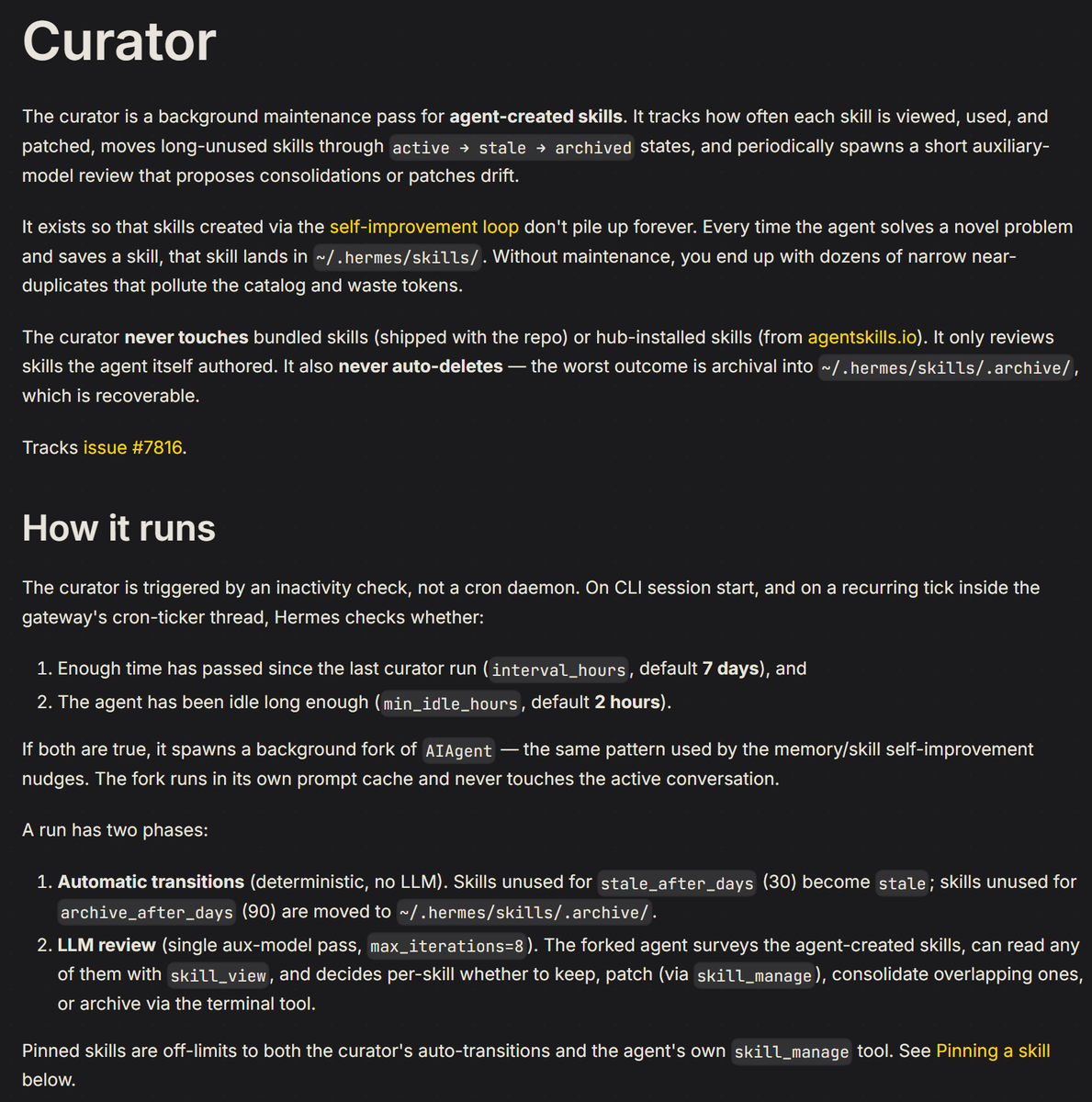
Every day, it watches the AI/agent space, picks out useful signals, writes research briefs, suggests content angles, tracks what I ignore, and Hermes keeps improving parts of its own workflow.
The basic version is almost free:
1. Pick a domain: AI, crypto, startups, sales leads, competitors, papers, jobs, whatever.
2. Give it sources: X lists, RSS feeds, blogs, GitHub repos, docs, newsletters, YouTube transcripts.
3. Define signal: What should it care about? New tools, benchmarks, launches, funding, tutorials, strange patterns, useful claims.
4. Save the evidence: Links, dates, summaries, claims, and why it matters in a vault.
5. Deliver a daily brief: Discord, Slack, Notion, email, Obsidian, and local markdown.
6. Give feedback: “More like this. This source is noisy. This is useful. This is mid.”
That is enough for the loop to start. Once you have a research agent, everything gets easier:
- Content agents need research
- Trading agents need market context
- Sales agents need account intel
- coding agents need docs and changelogs
- Strategy agents need a fresh signal
With a daily stream of inputs, generating ideas for outputs becomes much easier.
If you want it, I’ll share the full research agent setup I use.