Mamdouh 🇸🇦

3.8K posts

Mamdouh 🇸🇦 banner
Mamdouh 🇸🇦

Mamdouh 🇸🇦

@AnimeFuns

MBBS @TaifUniversity 🎓| Cardiology fellowship #ECHOfirst

Kingdom of Saudi Arabia Katılım Şubat 2012
1.1K Takip Edilen3.5K Takipçiler
Mamdouh 🇸🇦 retweetledi

CardiovascularCorner
CardiovascularCorner@TrackYourHeart·
Doppler stroke volume: simple physics, clinically powerful. ⚪Measure LVOT diameter (D) on 2D echo ⚪Calculate area assuming a circle: CSA = 3.14 × (D/2)² ⚪Trace LVOT Doppler to obtain VTI (distance blood travels in one beat) Stroke volume = CSA × VTI Conceptually, the LV ejects blood as a cylinder: 📍Base = LVOT cross-sectional area 📍Height = VTI from the velocity–time curve (also approximates mean velocity × ejection time) Key assumptions for accuracy: - Precise diameter measurement (small errors are squared) - Laminar flow with a relatively flat velocity profile - Doppler beam aligned parallel to flow (angle ~0°) - Diameter and VTI measured at the same anatomic site Used for cardiac output, continuity equation, and hemodynamic assessment. Reference: Catherine M Otto, textbook
CardiovascularCorner tweet media
English
2
19
87
5.3K
Mamdouh 🇸🇦 retweetledi
Ritika Tuli
Ritika Tuli@RitikaTuliMD·
🫀 #CardioNugget: Flail Gap vs Flail Width in MR 📍 Flail Gap ➡️ Distance between the flail leaflet tip and the coaptation line ➡️ Think: “How far is the leaflet flying into the LA?” 🔴 Larger gap = more severe MR ✅ MitraClip-friendly: <10 mm 📍 Flail Width ➡️ Medial–lateral extent of the flail segment ➡️ Think: “How wide is the damaged portion?” 🔴 Wider segment = more complex repair ✅ MitraClip-friendly: <15 mm 🎯 Why it matters? Both help determine severity + feasibility of transcatheter repair (e.g., MitraClip) #CardioNuggets #MedEd #TEE #MitraClip
Ritika Tuli tweet media
English
1
52
165
6.4K
Mamdouh 🇸🇦 retweetledi
CardiovascularCorner
CardiovascularCorner@TrackYourHeart·
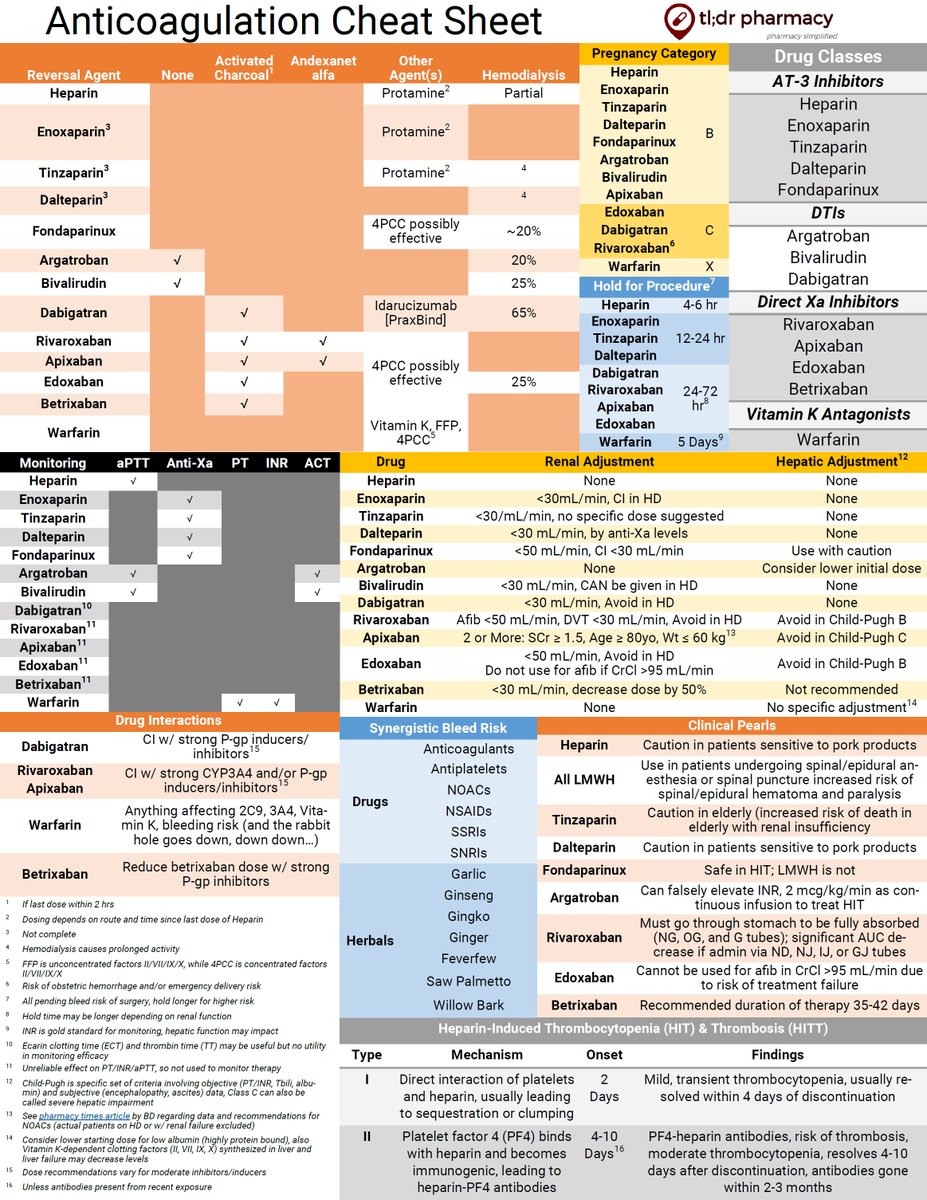
Anticoagulation Cheat Sheet
CardiovascularCorner tweet media
English
0
105
444
11.8K
Mamdouh 🇸🇦 retweetledi
Chittur Sivaram MD MACP MACC
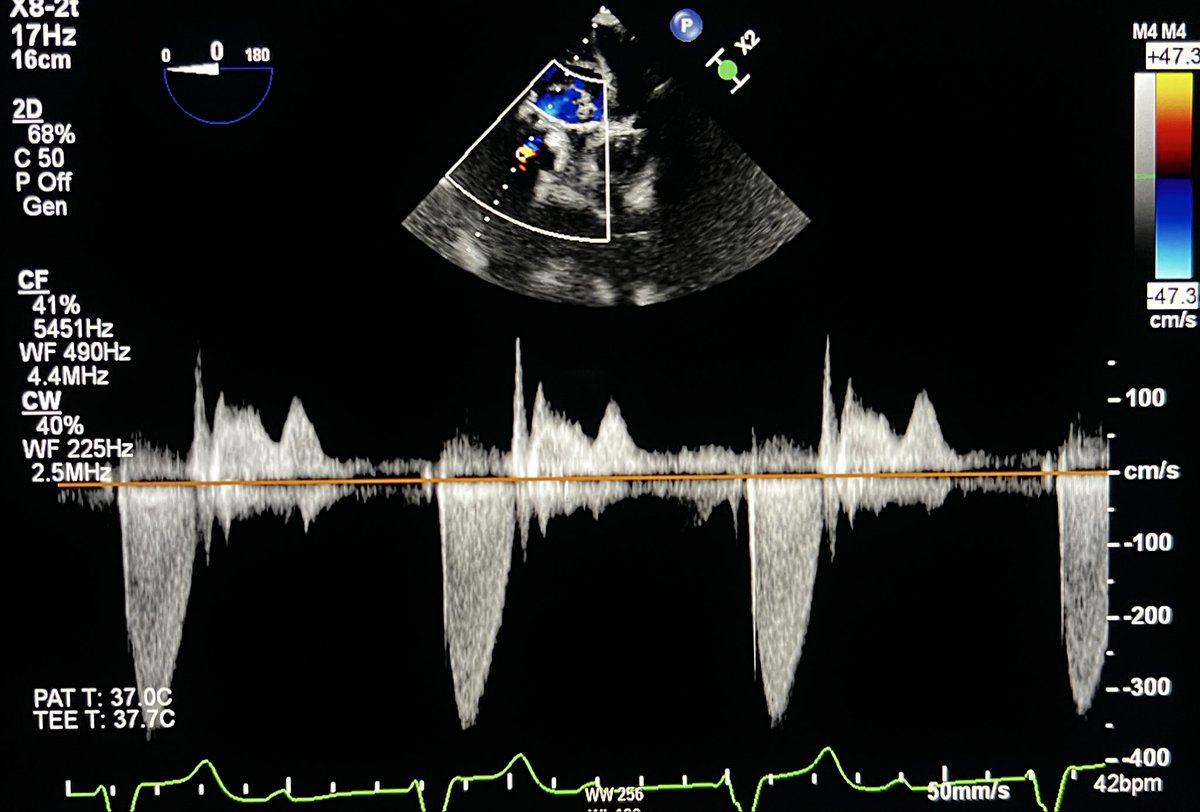
#echofirst ✅ Echo imaging of TAVI endocarditis is difficult ✅ Even with TEE, IE diagnosis can be challenging due to reverberation artifacts from TAVI components (the frame, skirt etc) ✅ An example of TAVI IE ⬇️. At the cusp level, no IE mass seen on TEE. Mass was below cusp level & within the valve frame. Easily shown by SAX view at subvalvular level (3rd clip) ✅ Comments on CW Doppler obtained from deep transgastric view? @iamritu @argulian @NadeenFaza @alex1708ander @alexsfelixecho @NMerke @HeartOTXHeartMD @hvanspall @purviparwani @PWengrofskyMD @sudarshanballa @VLSorrellImages @GilbertTangMD @PWesslyMD @DrRajeshG1
Chittur Sivaram MD MACP MACC tweet media
English
4
20
76
3.3K
Mamdouh 🇸🇦 retweetledi
CardiovascularCorner
CardiovascularCorner@TrackYourHeart·
Apical 4-chamber view: a single window that maps cardiac anatomy and relationships. How to obtain it: 🔵 Place the transducer at the point of maximal impulse (LV apex) 🔵 Keep the probe index marker directed toward the patient’s left side (≈3 o’clock) 🔵 Aim the beam toward the base of the heart (toward the right shoulder) 🔵 Fine-tune tilt/rotation until all four chambers are symmetric and the septum is vertical From the LV apex, you see all four chambers in one plane (LV, RV, LA, RA) with correct orientation (apex near the probe, atria deeper). Key structures: 🔵 LV: papillary muscles, chordae, anterior & posterior mitral leaflets 🔵 RV: moderator band, anterior & septal tricuspid leaflets 🔵 Interatrial septum and ventriculoatrial septum (LV–RA separation) 🔵 Right superior pulmonary vein entering the LA near the septum 🔵 Descending aorta seen posterior/lateral to the LA High-yield pearl: The tricuspid valve annulus is normally positioned more apically than the mitral, an important landmark in structural assessment.
English
0
26
164
11.7K
Mamdouh 🇸🇦 retweetledi
CardiovascularCorner
CardiovascularCorner@TrackYourHeart·
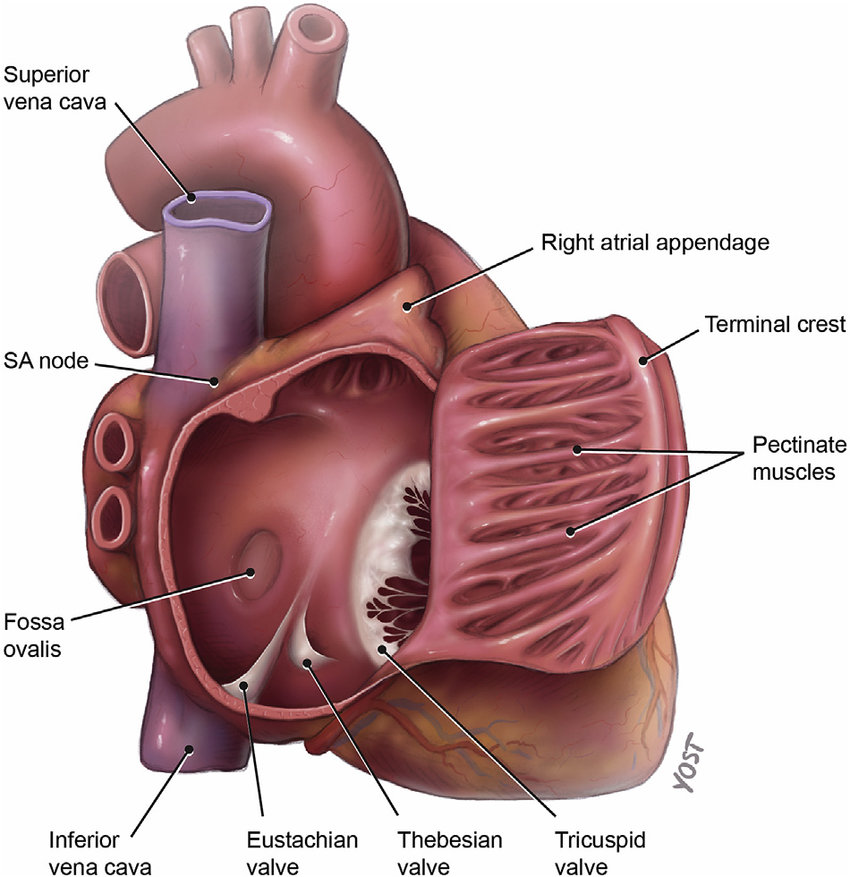
Which of the following structures is not present in the right atrium? a. Tendon of Todaro b. Moderator band c. Koch’s triangle d. Pectinate muscle
CardiovascularCorner tweet media
English
9
13
73
13.2K
Mamdouh 🇸🇦 retweetledi
CardiovascularCorner
CardiovascularCorner@TrackYourHeart·
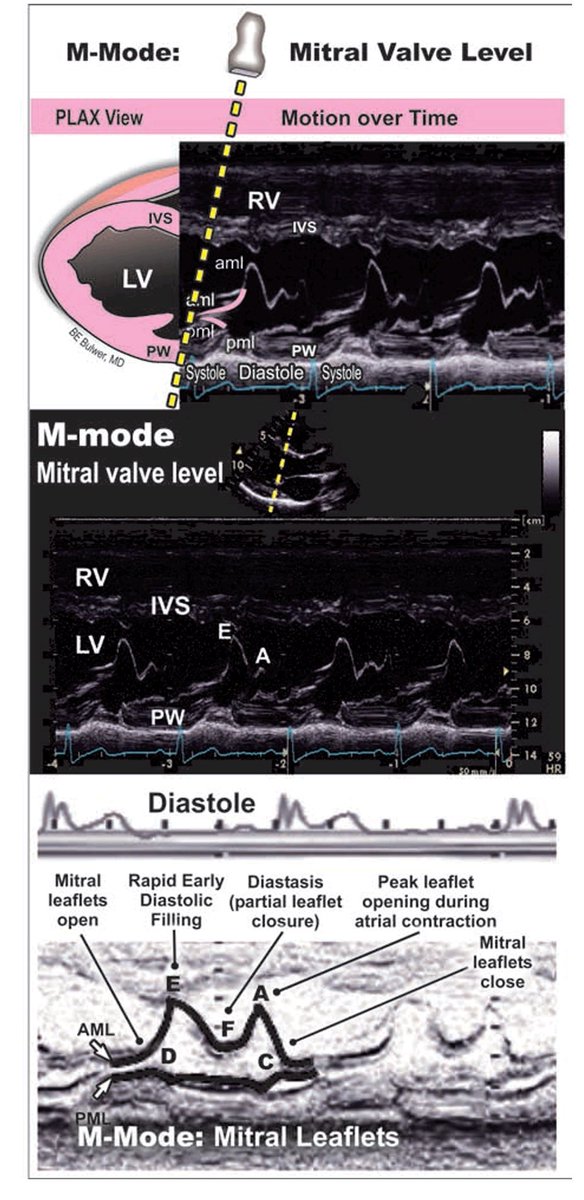
Normal M-mode echocardiography in the parasternal long-axis (PLAX) view at the mitral valve level provides a high–temporal resolution assessment of mitral leaflet motion and left ventricular filling dynamics. The characteristic cyclical pattern of the mitral valve reflects transmitral inflow physiology across diastole. In early diastole, there is abrupt opening of the leaflets, producing the E wave, which corresponds to rapid passive LV filling driven by the pressure gradient between the left atrium and left ventricle. This is followed by diastasis, during which the pressure gradient decreases and the leaflets move toward partial closure. In late diastole, atrial contraction generates the A wave, resulting in a secondary opening of the mitral leaflets and contributing to final ventricular filling. The E–F slope of the anterior mitral leaflet (AML) is a key parameter and reflects the rate of early diastolic closure. A steep EF slope indicates normal, brisk LV filling and good compliance, whereas a reduced or flattened slope suggests impaired filling dynamics, classically seen in conditions such as mitral stenosis. In such cases, the normal M-mode waveform becomes more "box-like," reflecting restricted leaflet mobility and reduced transmitral flow. The posterior mitral leaflet (PML) demonstrates motion that mirrors the AML, maintaining coordinated valve dynamics. Additional structures visualized in this M-mode line include the interventricular septum (IVS) and the posterior wall of the left ventricle, which help provide anatomical context and timing relative to the cardiac cycle. Overall, M-mode at the mitral valve level remains a simple yet powerful tool for understanding diastolic physiology, valve motion, and early pathological changes in mitral valve disease.
CardiovascularCorner tweet media
English
0
41
148
5.9K
Mamdouh 🇸🇦 retweetledi
CardiovascularCorner
CardiovascularCorner@TrackYourHeart·
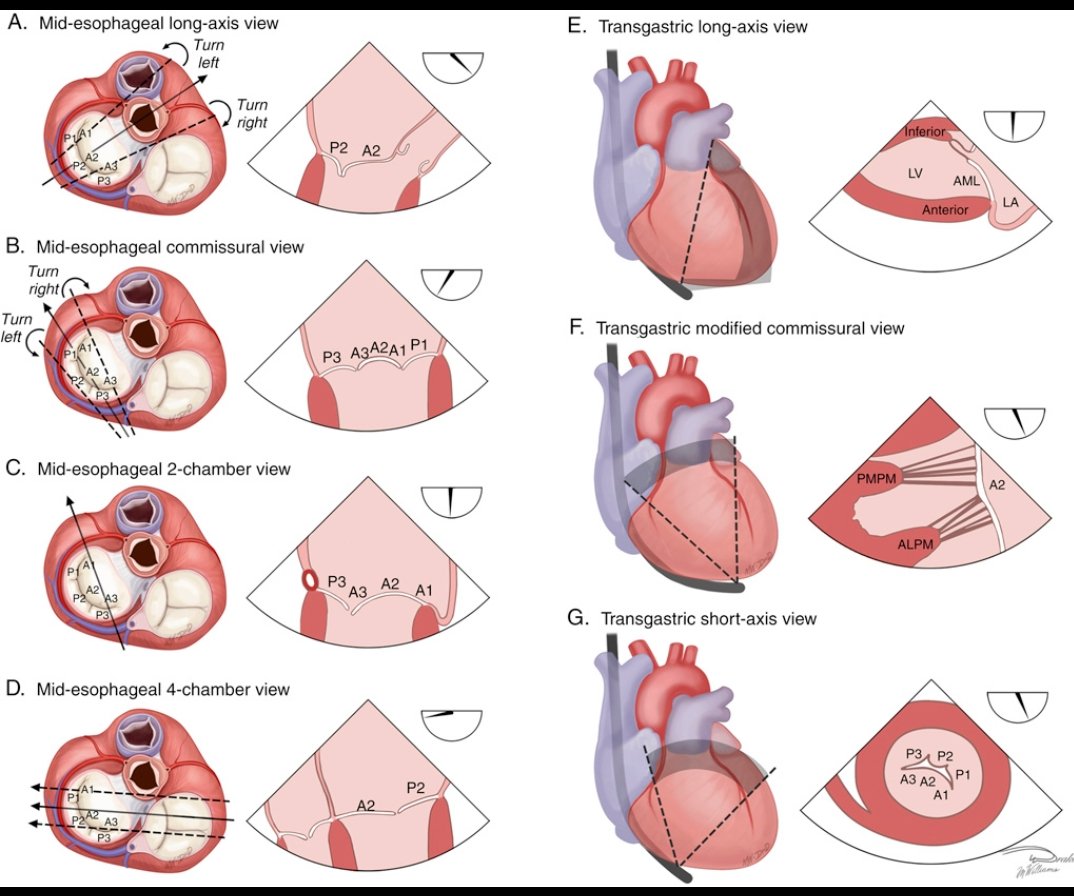
Standard 2D TEE Views for Mitral Valve Assessment Transesophageal echocardiography (TEE) is essential for evaluating mitral valve anatomy and function. These standard views help identify leaflet segments, coaptation zones, and pathologies such as mitral regurgitation or stenosis. Key Views & Insights: Mid-esophageal views: - Long-axis: Focuses on A2/P2 coaptation. - Commissural: Visualizes A1/P1 and A3/P3 segments. - 2-chamber: Shows the coronary sinus and LA appendage. - 4-chamber: Offers a broader perspective of both leaflets. Transgastric views: - Long-axis: Similar to mid-esophageal long-axis. - Modified commissural: Highlights papillary muscles and leaflet chords. - Short-axis: Provides a complete en face view of all six mitral segments. Understanding these views is crucial for diagnosing mitral valve disease and guiding interventions like mitral repair or replacement. #Cardiology #TEE #Echocardiography Reference: Sidebotham D, Auckland City Hospital
CardiovascularCorner tweet media
English
0
46
170
6.5K
Mamdouh 🇸🇦 retweetledi
CardiovascularCorner
CardiovascularCorner@TrackYourHeart·
Schematic representation of the main sites of origin of idiopathic premature ventricular contractions and their ECG features.
CardiovascularCorner tweet media
English
1
96
372
13.1K
بلال كلنتن
بلال كلنتن@belalSkalantan·
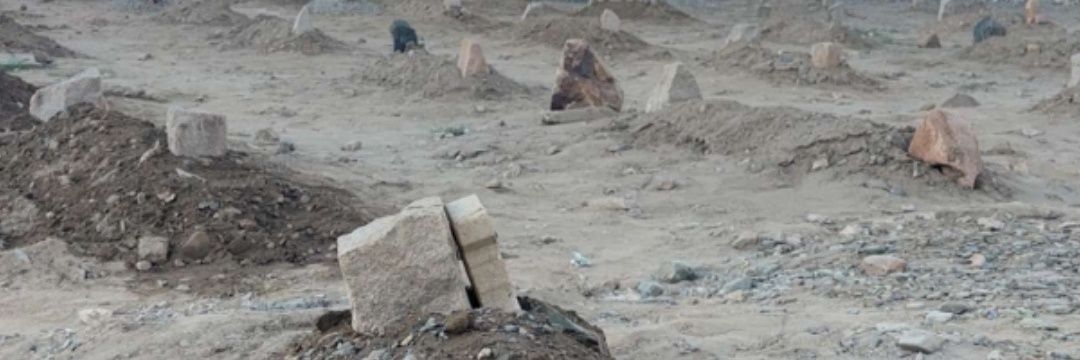
@AnimeFuns لا حول و لا قوة إلا بالله إنا لله و إنا إليه راجعون الله يرحمه و يغفر له و يدخله فسيح جناته
العربية
1
0
0
28
Mamdouh 🇸🇦 retweetledi
CardiovascularCorner
CardiovascularCorner@TrackYourHeart·
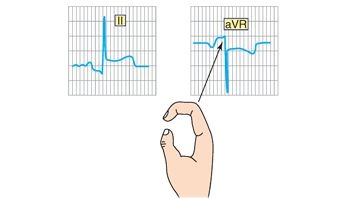
1. What is the name of the sign? 2. What condition is it clinically associated with?
CardiovascularCorner tweet media
English
5
14
131
39.3K
Mamdouh 🇸🇦 retweetledi
CardiovascularCorner
CardiovascularCorner@TrackYourHeart·
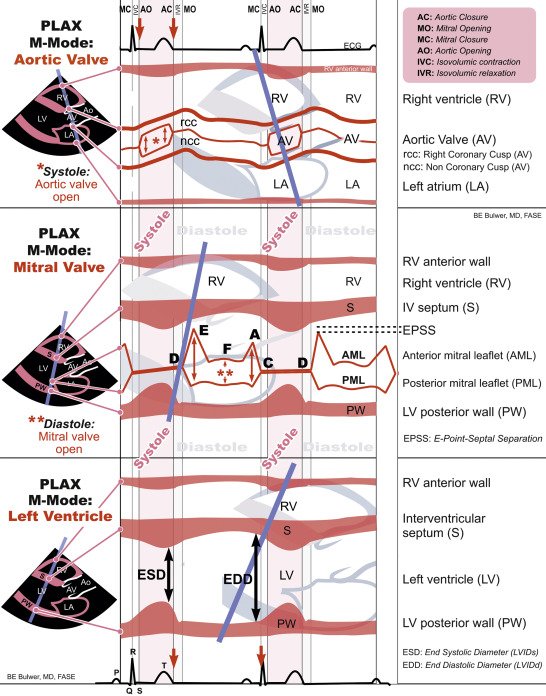
M-Mode Echocardiography Explained This figure demonstrates M-mode measurements from the parasternal long-axis (PLAX) view, crucial for assessing valvular & ventricular function: 🟢 Aortic Valve Motion (Top Panel) - The right coronary cusp (RCC) and non-coronary cusp (NCC) move apart in systole (valve opens) and come together in diastole (valve closes). 🔵 Mitral Valve Motion (Middle Panel) - The anterior mitral leaflet (AML) and posterior mitral leaflet (PML) exhibit characteristic movements: - Diastole: AML moves towards the septum (E wave) due to rapid LV filling, then slightly back (A wave) due to atrial contraction. - Systole: Leaflets close tightly, preventing regurgitation. ⭕ Left Ventricular Dimensions (Bottom Panel) - End-diastolic diameter (EDD): Largest LV dimension measured before systole. - End-systolic diameter (ESD): Smallest LV dimension after contraction. - These values help calculate LV function (e.g., fractional shortening & ejection fraction). 📌 Courtesy of Bernard E. Bulwer, MD, FASE
CardiovascularCorner tweet media
English
1
58
210
7.2K
Mamdouh 🇸🇦 retweetledi
Dr G Rajesh (Gopalan Nair Rajesh).
Patient admitted with aortic valve infective endocarditis develops loud continuos murmur while under treatment.
English
7
10
74
6.3K
Mamdouh 🇸🇦 retweetledi
CardiovascularCorner
CardiovascularCorner@TrackYourHeart·
Papillary muscles behavior in MVP versus secondary MR.
English
0
68
251
11.9K
Mamdouh 🇸🇦 retweetledi
CardiovascularCorner
CardiovascularCorner@TrackYourHeart·
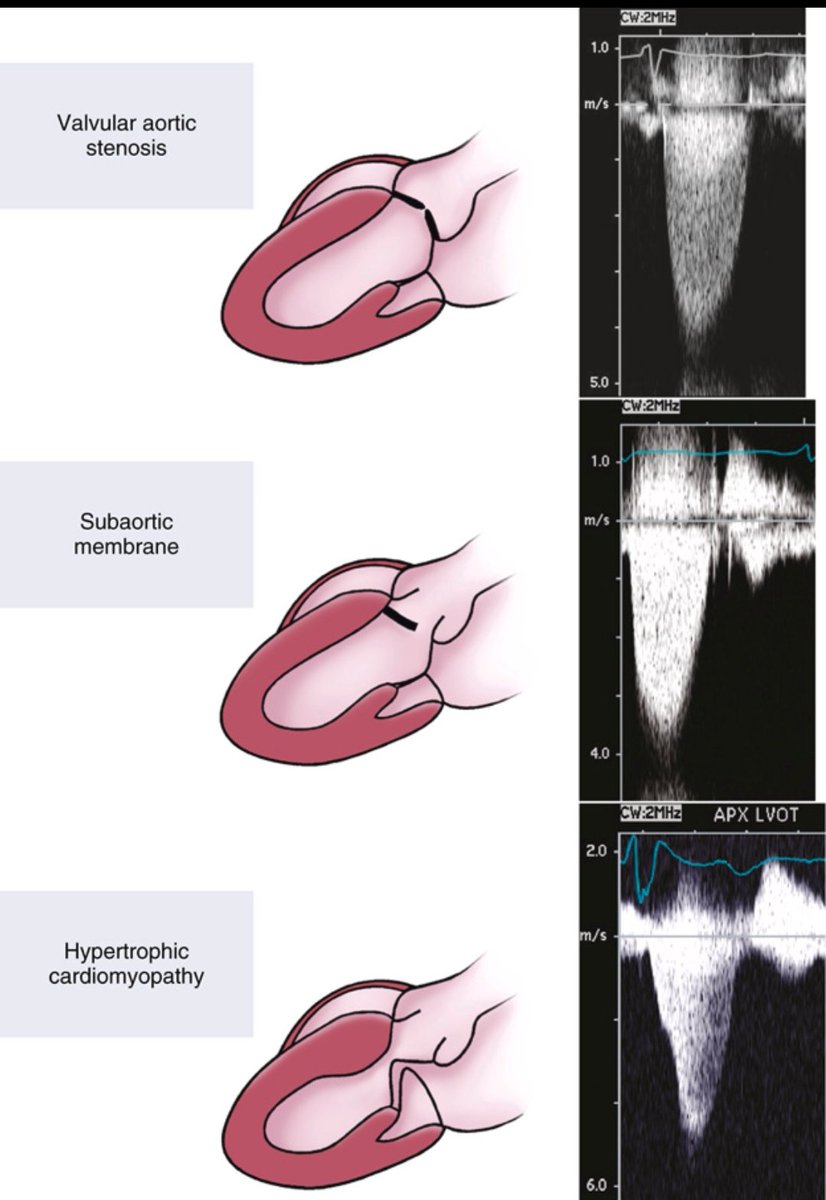
Different types of left ventricular outflow obstruction. 📸: Catherine M Otto clinical textbook
CardiovascularCorner tweet media
English
0
52
208
15.9K
Mamdouh 🇸🇦 retweetledi
Ahmed Ata
Ahmed Ata@Ahmedata7777·
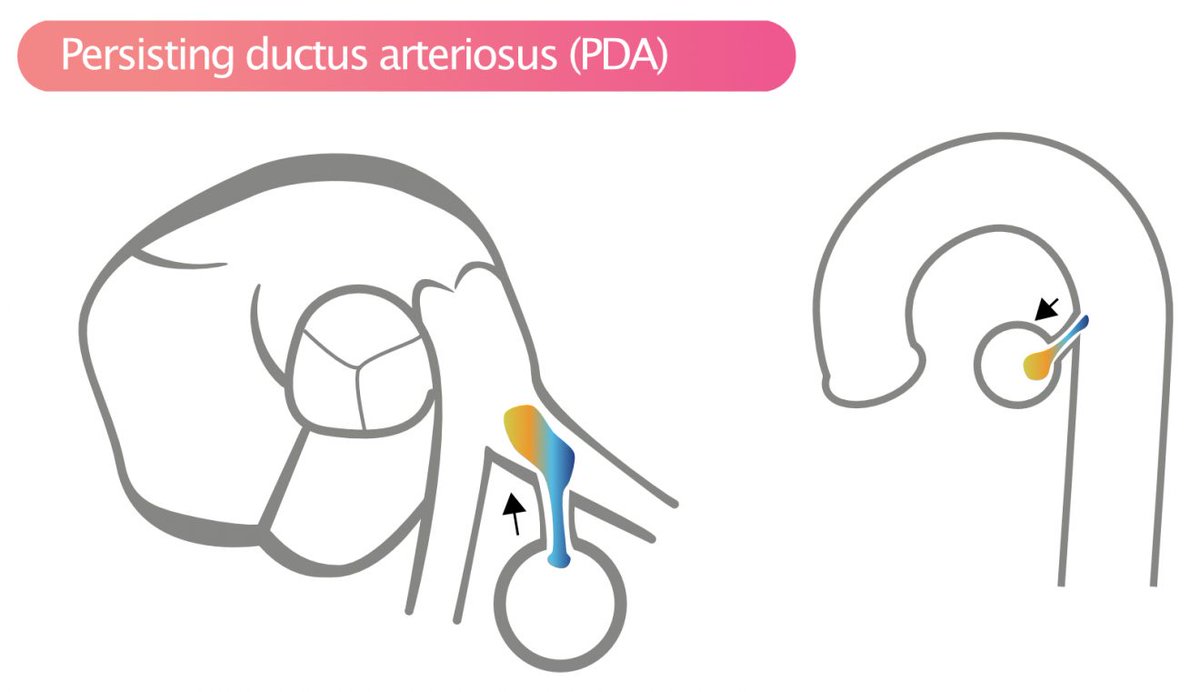
PDA is best seen with color Doppler in suprasternal view or short-axis view (SAX).
Ahmed Ata tweet media
English
2
14
101
5.5K