ჯუნგლების ცხოვრება retweetledi

You racists are all pathetic. Trump won't make your life better in any way, and once he is gone you will have nothing. You are not going to be the celebrated figures of even the near future.
English
ჯუნგლების ცხოვრება
397 posts



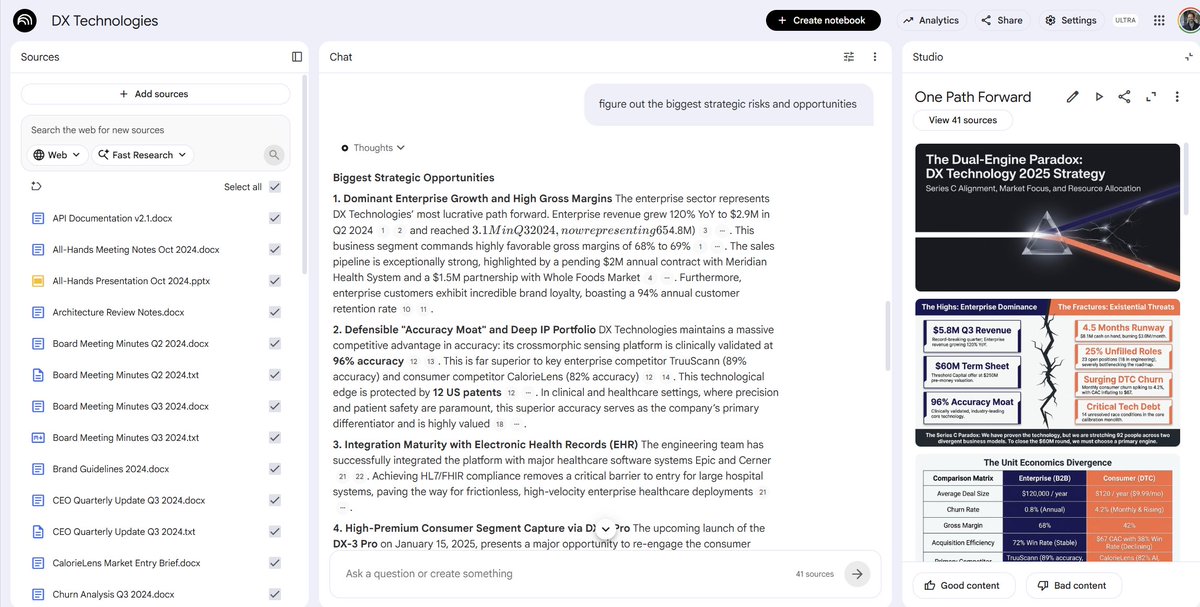




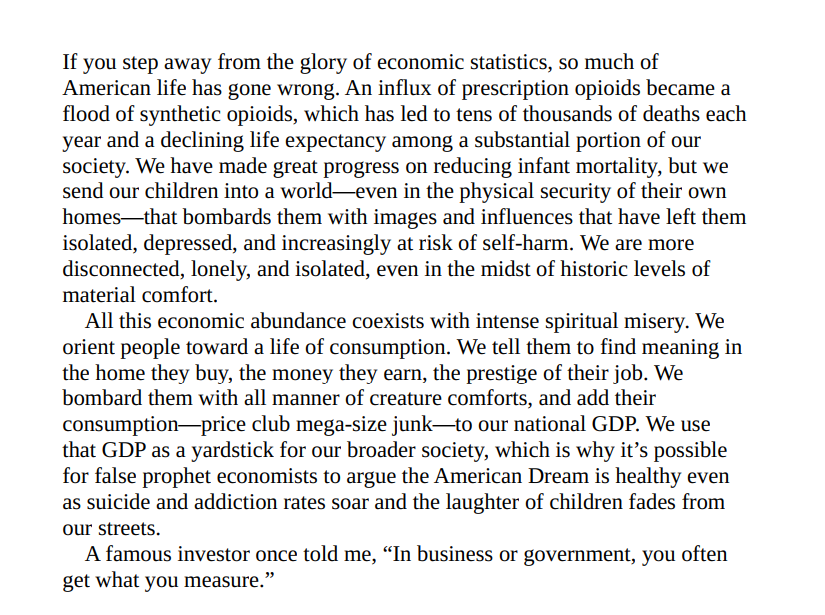
Anyone who uses AI frequently, especially Claude, gets this joke. But what I don't understand is *why* it writes in this dreadful way and why it is so hard to fix without degrading other model performance. @logangraham and friends - what's, err, load-bearing here?

CHINA CONSIDERS RESTRICTING OVERSEAS ACCESS TO CUTTING-EDGE AI MODELS China’s Ministry of Commerce has led meetings over the past month with major AI companies, including Alibaba, ByteDance, and Z.ai, to discuss measures that would restrict overseas access to cutting-edge AI models, including models that have not yet been released. The discussions reportedly include not only closed-source models but also open-weight models. However, the scope of application is still under debate, and the rules may ultimately apply only to future frontier models. Officials have also discussed designating the leakage or theft of proprietary AI technologies as a national security crime, with stronger penalties, as well as restricting the types of foreign capital that can invest in Chinese AI startups. The backdrop is the U.S. move to strengthen export controls on AI models, along with national security concerns over cutting-edge models that could possess advanced cyberattack capabilities. Chinese authorities are reportedly concerned that advanced U.S. cybersecurity AI models could be used to exploit vulnerabilities in Chinese software. Since the beginning of this year, China has continued to tighten measures to prevent AI technology from being transferred overseas. Authorities have investigated whether Chinese AI startups that relocated abroad violated export control laws, while also strengthening oversight of overseas transactions involving Chinese investors, technology, data, and national security concerns. Future regulations could take the form of a tiered framework based on technological capability. Basic open-source AI models may be managed through a filing system, high-performance models may be subject to security reviews, and the most sensitive frontier models may be banned from public release or restricted to use within China.


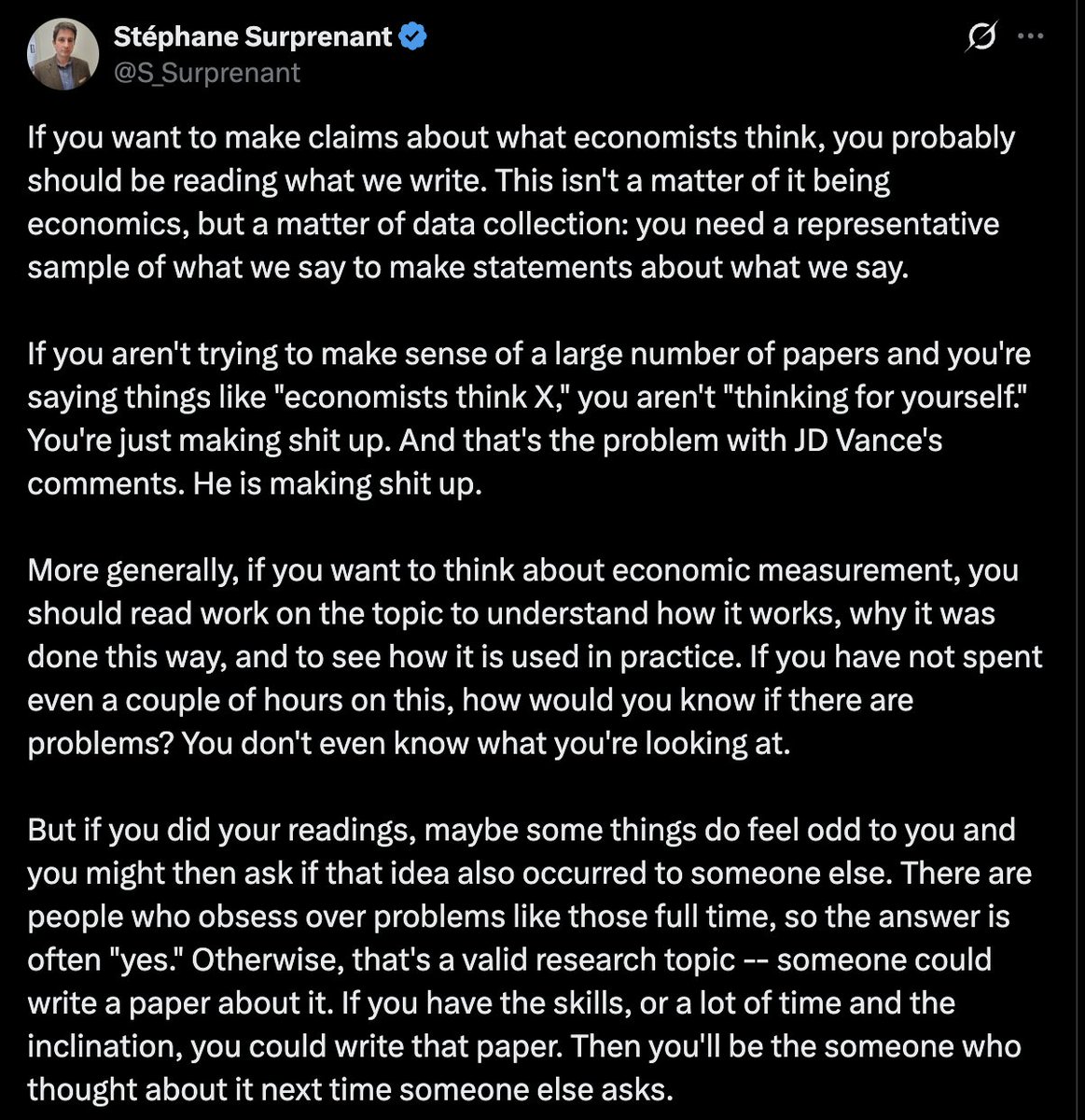
If you want to make claims about what economists think, you probably should be reading what we write. This isn't a matter of it being economics, but a matter of data collection: you need a representative sample of what we say to make statements about what we say. If you aren't trying to make sense of a large number of papers and you're saying things like "economists think X," you aren't "thinking for yourself." You're just making shit up. And that's the problem with JD Vance's comments. He is making shit up. More generally, if you want to think about economic measurement, you should read work on the topic to understand how it works, why it was done this way, and to see how it is used in practice. If you have not spent even a couple of hours on this, how would you know if there are problems? You don't even know what you're looking at. But if you did your readings, maybe some things do feel odd to you and you might then ask if that idea also occurred to someone else. There are people who obsess over problems like those full time, so the answer is often "yes." Otherwise, that's a valid research topic -- someone could write a paper about it. If you have the skills, or a lot of time and the inclination, you could write that paper. Then you'll be the someone who thought about it next time someone else asks.


There's a common type of criticism of economics where people think up a reasonable objection - like Vance saying prices ignore important factors like quality and other things - and then assume economists have never thought of it before. It's more likely that *thousands* of economists have done detailed research on the exact subject you're accusing economics of ignoring. I promise you that you are not the first person to have dreamed up this particular objection. People much smarter than you have already thought of it, collected data, built models to explore it, and written about the whole thing exhaustively.