

Argon Tap
8K posts
@JakeRammos Dolomite. Andresite. Limestone. Shale. Slate. (Not the same thing.) Marble. Granite. Soapstone.
My dad was a geologist. I can keep going...
English

@HandyGingerGal That was cheap granite. The type most flips would put in.
English

I realize I am in the minority, but I really dislike the look of granite and quartz. Absolutely not worth the money.
aka@akafaceUS
Who would trade granite for butcher block? It’s paying to downgrade to a less durable countertop material.
English
@GigaBeers As acidic as central and southern AZ ground is, some kind of wrap makes good sense.
My dad found out the hard way with EMT electric lines. Different pipe but same harsh soil.
English

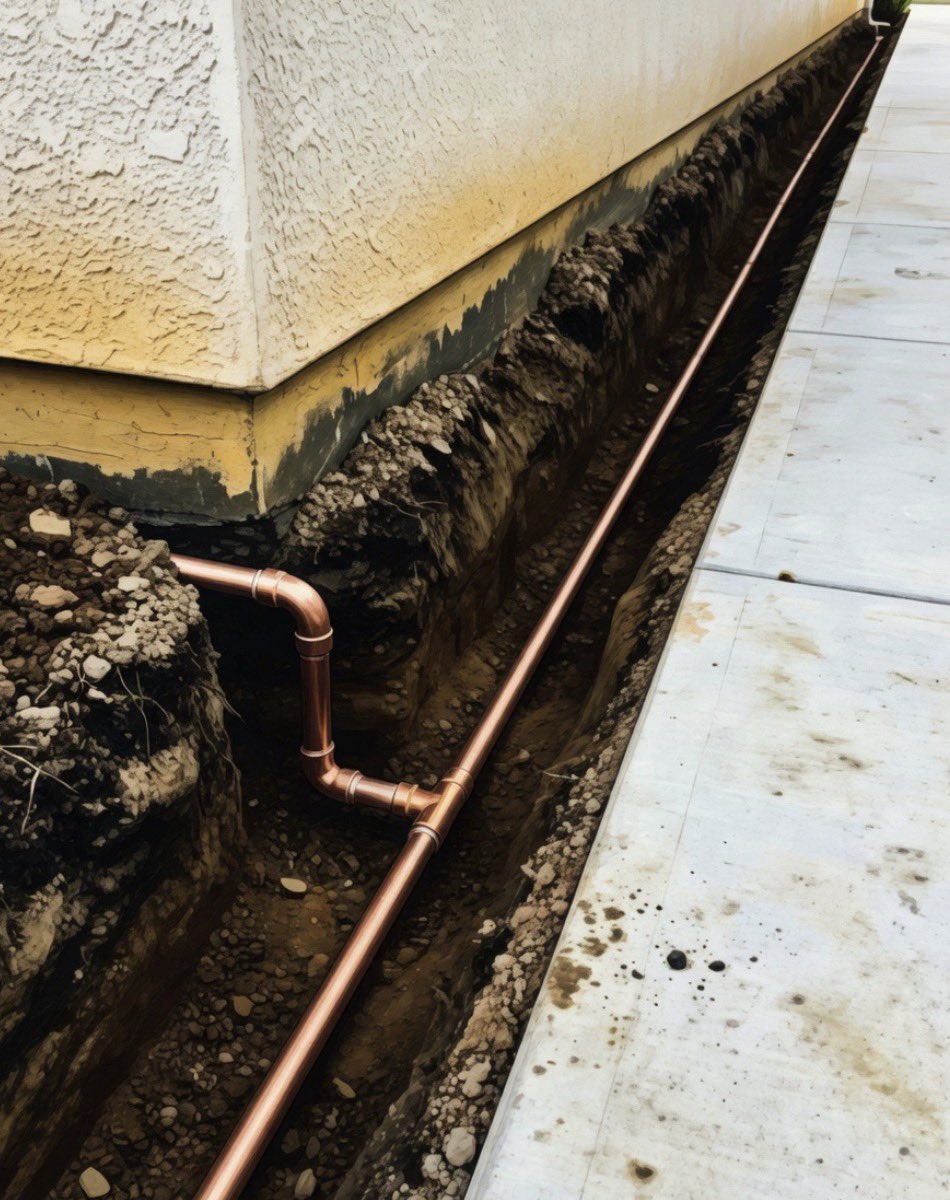
Fired my plumber—he buried bare copper pipe straight in the dirt, no sleeve/wrap. Claimed it’s “standard practice.”
I asked for protection from acidic soil. He called me a Karen, demanded $4k anyway, now threatens to sue. Who’s wrong?
Plumbers, is bare copper OK underground? AITA?
English
@DocPriyamMD Fans can not change the humidity level in a room, so claiming fans dry the mucus is nonsensical.
English

A student asked: "If sore throats are caused by a virus or bacteria, how come sleeping under the fan or drinking cold water gives it?"
I am surprised most people are not aware of the answer to this.
English
@UntoldWarFacts Just had to spread the "misfit" 🐃💩.
Unattached, in transit, reserve, yes, but not screw ups.
English

He was 31 years old commanding pilots a decade younger.
They called him Pappy.
They called themselves the Black Sheep.
They shot down over 150 Japanese aircraft in less than three months.
Then their leader vanished.
This is the story of Pappy Boyington...🧵1/7

English
@histories_arch But "+T" Swords are considered authentic.
"T+" are believed to be lower quality copies made with steel that is not as strong or as flexible.
English

A 1000 years before modern metallurgy existed, Viking blacksmiths were somehow forging steel so pure it should have been impossible...
Ulfberht sword is one of greatest unsolved mysteries in the history of warfare and craftsmanship. Since first examples were discovered, archaeologists and metallurgists have been left completely baffled by what these blades represent. Over 170 swords bearing the runic-style inscription "+VLFBERHT+" have been recovered from sites scattered across Europe, with the majority found in Rhine River valley, Scandinavia, and as far east as Russia. They date primarily from around 800-1000 AD, placing them squarely in the heart of the Viking Age.
What makes these swords extraordinary is not their age or their ornate design. It is what they are made of. When scientists subjected Ulfberht blades to modern metallurgical analysis, the results were shocking. The steel contains a carbon content of up to 1.0 percent, classifying it as true crucible steel, sometimes called wootz steel. Crucible steel is forged at temperatures exceeding 1,600 degrees Celsius, hot enough to fully liquify the iron and allow slag and impurities to float away from the metal completely. The result is a blade with almost zero impurities, extraordinary flexibility, and a strength that far surpassed anything else available in medieval Europe at the time.
Here is the problem... European blacksmiths of the Viking Age did not have the technology to reach those temperatures. The standard method used across Europe during this period was bloomery smelting, which produced a metal called wrought iron filled with slag and impurities. To remove those impurities, smiths had to laboriously fold and hammer the metal repeatedly, a process that helped but never fully eliminated the problem. The resulting weapons were brittle by comparison, prone to bending or snapping under the stress of combat. Soldiers often had to stop mid-battle to straighten their swords by hand or under their foot. An Ulfberht blade would never require that.
The knowledge and equipment needed to consistently produce crucible steel of this quality was not independently developed in Europe until the Industrial Revolution of the 18th and 19th centuries, roughly 800 to 900 years after the Ulfberht swords were being made. The only comparable steel being produced during the Viking Age came from workshops in Central Asia and Persia, particularly in regions near modern-day Iran and Afghanistan, where craftsmen had mastered crucible steel techniques centuries earlier.
This has led researchers to one of the most compelling theories surrounding the mystery. Viking traders and warriors had extensive contact with the Islamic world through the Volga trade routes, exchanging furs, amber, and slaves for silver and goods from the East. It is entirely possible that Ulfberht steel was imported raw from Central Asian or Persian sources and then worked by Frankish or Scandinavian smiths who understood how to shape it but did not fully understand how to produce it themselves. The name Ulfberht itself appears to be Frankish in origin, suggesting the swords were likely produced in the Frankish regions of what is now Germany or France.
What deepens mystery further is that researchers have identified two distinct categories of Ulfberht swords. The genuine high-carbon crucible steel versions represent the minority. Majority of 170 plus recovered blades are actually crude imitations, made from inferior bloomery iron and bearing a slightly different spelling of inscription, with the crosses positioned differently. This tells us that even during Viking Age, counterfeiters existed. Ulfberht name carried such enormous prestige and commanded such high prices that lesser smiths were willing to forge inscription onto inferior blades to deceive buyers. Owning a real Ulfberht sword would have been the equivalent of carrying a weapon of legend, a status symbol as much as a tool of survival.
#archaeohistories

English

@akafaceUS My spot was leftover brick mortar that was covered over.
However, with clay, leaving smaller gravel rocks helps drainage, especially after crazy compacting.
English

@ReaLtimes69 Even more important!
DON'T clean old nasty hats on your wife's kitchen counter. Don't do it. 😆😆😆
English


@CigsMake I liter of that turnips soups sounds mighty tasty friend.
English
@ReaLtimes69 Mmm. Mostly WRONG!
Steel on steel does NOT sharpen. Neither does stropping on boot leather. They straighten/true the small burrs left from course sharpening.
The unglazed bottom of a ceramic mug will sharpen in a pinch if a real stone is not handy.
English
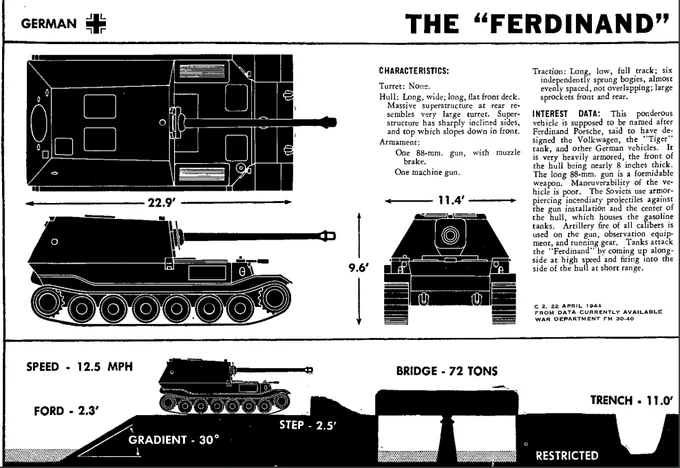
@Tank_Archives Ferdinands were first deployed for the battle of Kursk and had no machine gun. This reads like an Elephant which would match with the 1944 date.
English
@Panzerpicture At some point you might as well file in small claims court. If they don't show, you get automatic judgement which can lead to real issues for corporate PR over time.
English

It's been over a week since my last post...
I got completely burned out. After fighting for months to save my 13-year-old Panzer Picture channel from that ridiculous false "sexual abuse" flag, I pretty much lost all hope it's ever coming back.
The stress has been brutal on my health (Crohn’s hasn’t helped).
If you're still here and believe in preserving WW2 history, a like or RT would mean the world right now.
Thank you for not forgetting ❤️
#RestorePanzerPicture #WW2History #YouTubeCensorship
English
@josh_uglyasf I already do a few of these, but I like the 🪥 suggestion. It aligns with the advice to walk backwards periodically to help your balance as you get older. Makes your brain have to process new inputs.
English

WEIRD ADVICE THAT 100% WORKS
1. Brush your teeth with your non-dominant hand.
(Forces your brain to build new neutral pathways, builds focus and adaptability)
English
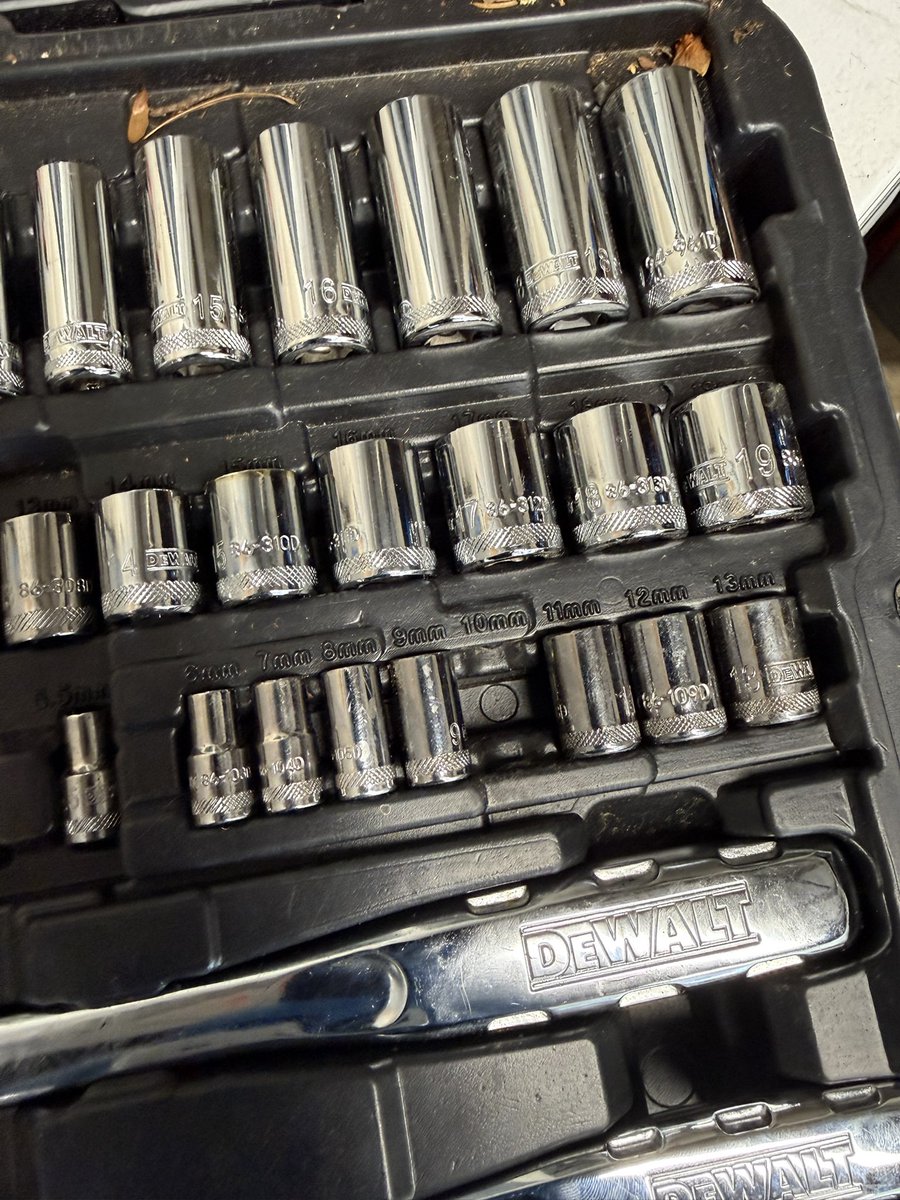
@WeaponOutfitter I bicycle for fun and over the years I've found about two dozen sockets on the road. I kid you not, 5 are 10mm. Only 3 are half inch.
English

I thought the 10mm socket thing was a joke!!!!??!
English
@SamaHoole Nova had a great episode on Keystone species and went into how counter intuitive this was.
There are ppl trying to put together enough land trusts in the US in order to restore part of the buffalo ranges for the same reason.
English

1890: rinderpest arrives in East Africa. The Serengeti wildebeest collapse from over a million to 200,000.
Ecologists expect the grassland to flourish. Fewer mouths, more grass. Obvious.
The grassland goes backwards.
1960s: vaccination clears rinderpest from cattle. The wild herds recover. Ecologists brace for overgrazing.
The wildebeest rebuild to 1.5 million. Largest herbivore population on earth.
The grassland gets greener.
More soil carbon. Lower fire frequency. More tree cover than in 1900. The landscape gets more complex, not less.
The papers have been sitting in prestigious journals for decades.
The campaigners continue to argue that grazers destroy ecosystems.
The largest natural experiment on earth says the opposite and it cannot be cited, because it does not say the right thing.
It just sits there. Getting greener.

English

if you’ve never owned a watch and want to buy an expensive watch (only one)
What do you get?
English

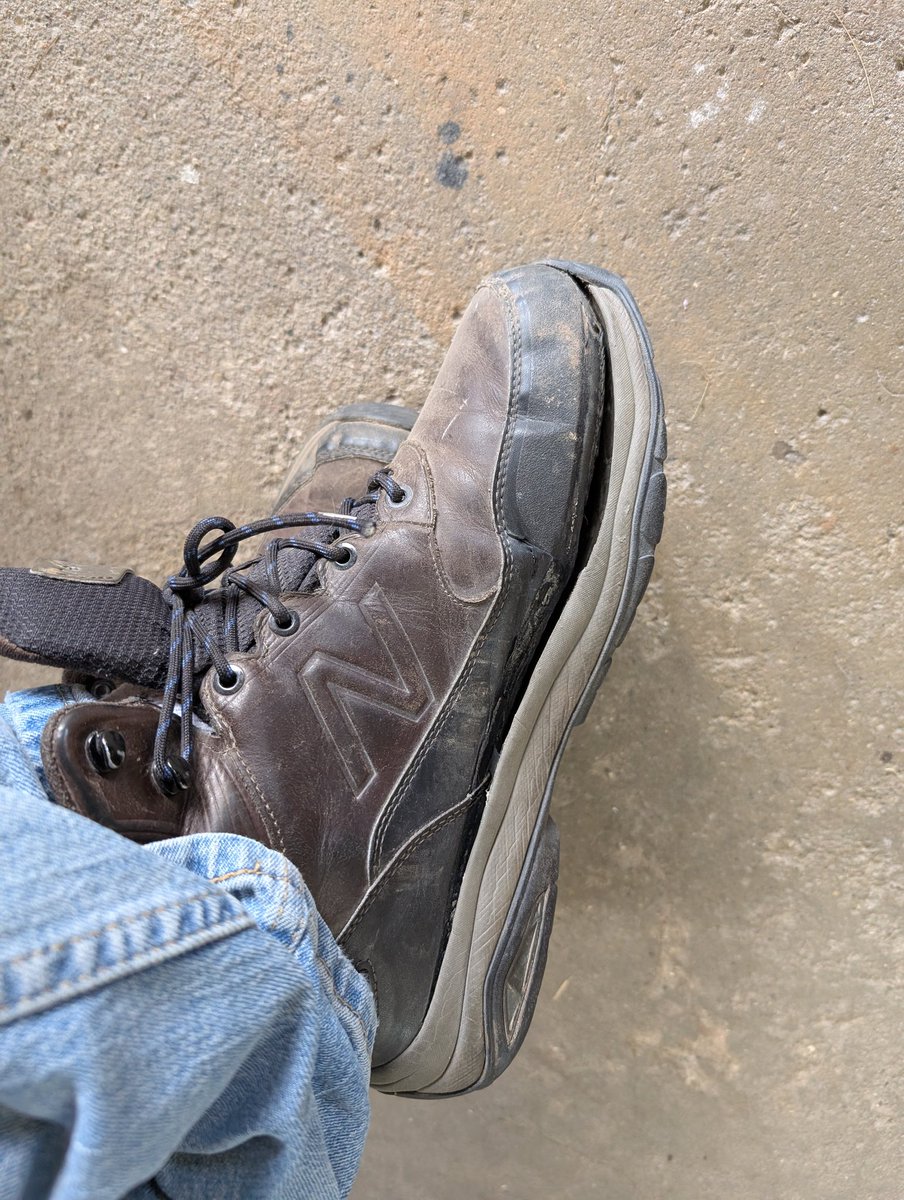
Thought I was slick buying a 2nd pair at half off. Left NIB in closet 4 years. Nope. Delaminating after 2 years of use. Learned something. Shoes (glue) degrades over time not just use. Usually I can get 4 years out of a pair of NB.
English
@SandyofCthulhu WW2 A2 jackets were made with horse hide.
So to the same specs? 😆😆😆
English

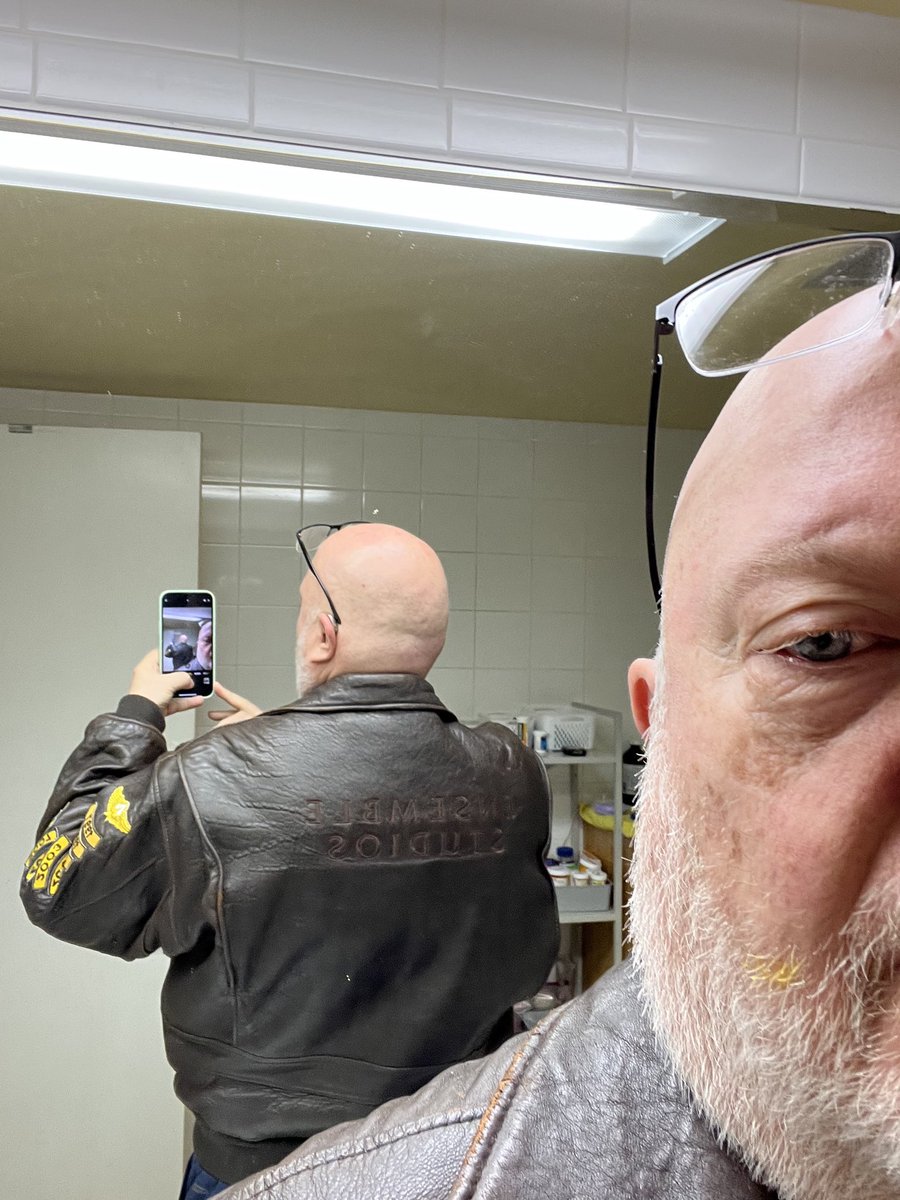
This is the leather jacket that Ensemble Studios gave all its employees after a year. They told us it was made by the same company, to the same specs, as the US bomber crews wore in WW2.
The patches are our own of course.
1/2

English