Karam Paul Asmaro, M.D. retweetledi
MANS 2026 EVENTS ARE HERE
👉 mansneurosurgery.org/meetings
@Aditya_S_Pandey @AsmaroMD @HassFadel @bowersbrainsurg

English
Karam Paul Asmaro, M.D.
720 posts


@AsmaroMD
Neurosurgeon | Brain Tumors | Advanced endoscopic and microsurgical techniques | 🌏 Neurosurgery | Greens in regulation | Golf🏌️♂️




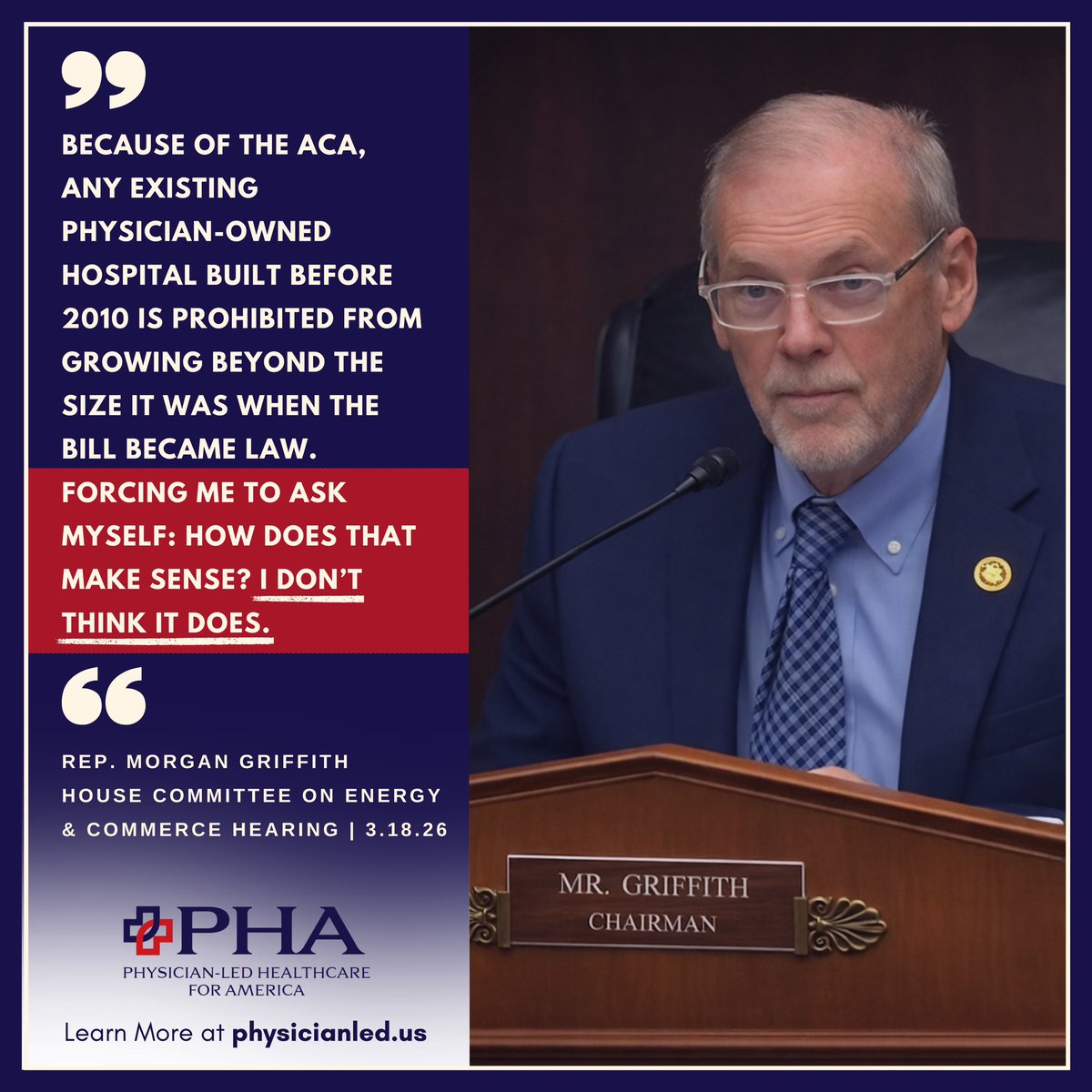
‼️"Because of the ACA, any existing physician-owned hospital built before 2010 is prohibited from growing beyond the size it was when the bill became the law. Forcing me to ask myself: how does that make sense? I don't think it does." — Chairman @MorganGriffith at today's @EnergyCommerce hearing on rising hospital costs ✅Chairman Griffith is acting to find solutions. H.R. 2191, authored by Chairman Griffith, would lift the ACA's ban and let physicians open hospitals in rural healthcare deserts. It's time to lift the arbitrary ban on physician-led hospitals and let physicians deliver what patients need. @neurosurgery @AmerMedicalAssn

She charged $29 million to treat just 84 kids. The boom in autism therapy is Medicaid’s fastest-growing jackpot. on.wsj.com/47D15X2

I have logistical questions for the full body MRI + AI interpretation crowd. What do you do with that report? Take it directly to a surgeon? Expect them to operate without a radiologist interpretation? Will the hospitals allow it? Who pays for it? Gonna need ironclad research to convince surgeons, hospitals, and payors to take on that liability.




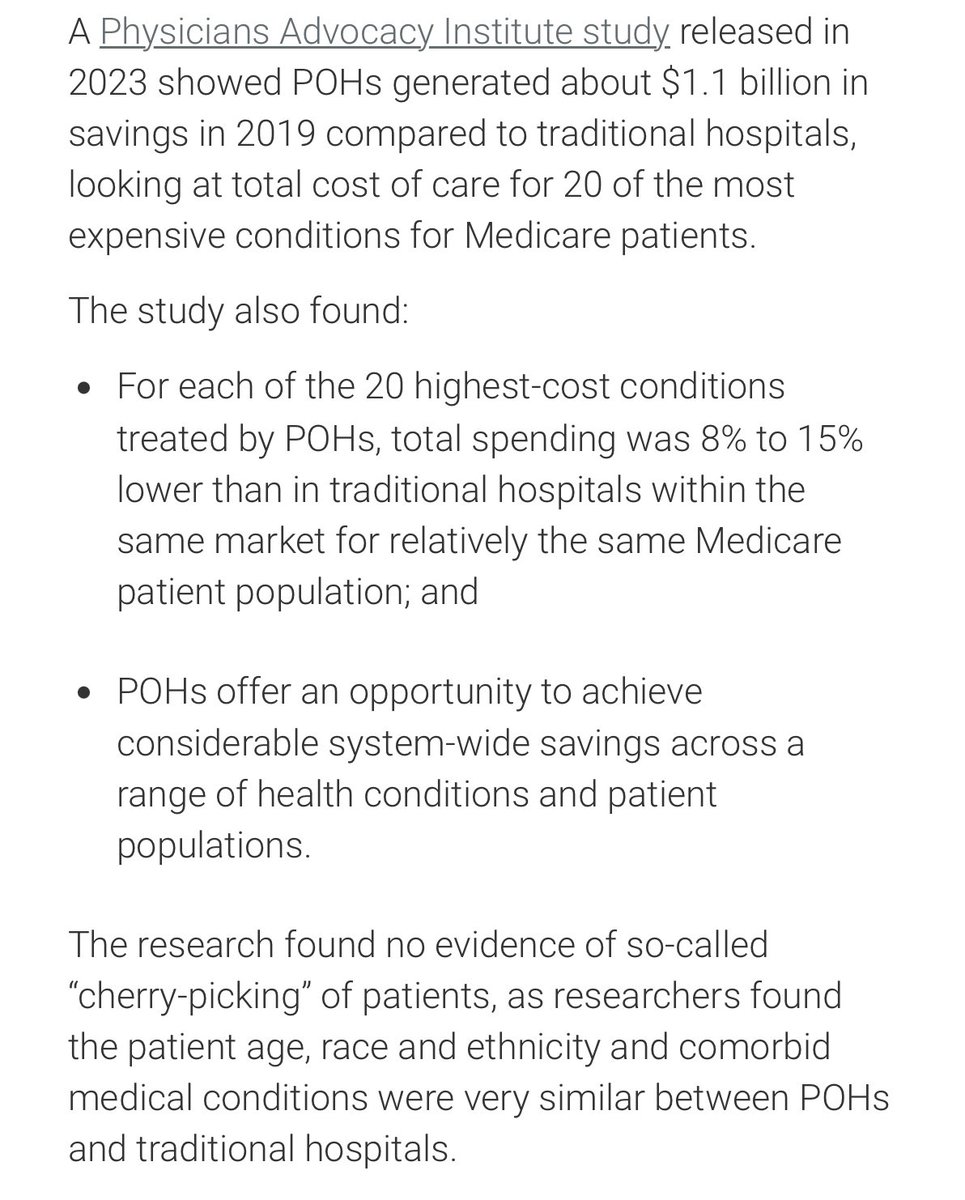

Ah, Stark Law… For those who don’t know, this is the law that governs physician self-referral. If your doctor owns their own MRI machine, there are very strict rules about how they can use that machine on Medicare patients. It’s also how the Affordable Care Act banned physician-owned hospitals. Of course, anyone can see a few problems with the legislation right off the bat. Notably, it doesn’t apply to health systems. So while doctors can’t refer to their own MRI scanners, labs, or physical therapists, a large hospital system is allowed to. In fact, most large hospital systems will punish doctors for referring patients externally, even having a term, “leakage,” that they try to reduce. So it’s okay for the large hospital systems, but not for doctors. Which means Stark is just another rule that gives large systems an advantage over independent doctors, driving up the cost of care as systems consolidate. Secondly, you’ll notice it only applies to Medicare patients. Why can a doctor refer a privately insured patient to their own MRI but not a Medicare patient? The flaw is in Medicare. It lacks utilization control. Stark is a classic example of government creating a flawed program (Medicare) that’s vulnerable to fraud and instead of fixing the vulnerability, making a new rule that just distorts the market further. If you want to limit self-referral, create a system that has some form of utilization control. Private insurance does this, but so does making patients stewards of their own healthcare dollars. Are patients going to spend their money perfectly? Of course not. But we have to recognize the tradeoffs of a large government bureaucracy. Because we don’t trust patients to spend their own money, we’ve created a massive system that has increased prices, distorted the market, and led to worse access to care.