Blessed Atwine

2.7K posts

Blessed Atwine

Blessed Atwine

@AtwineMugisha1

University Teacher @CavendishUg I Lawyer | Writer and Poet with @EbbzPoetryClub | Actor

Uganda Katılım Mart 2019
1.2K Takip Edilen844 Takipçiler
Sabitlenmiş Tweet
Blessed Atwine
Blessed Atwine@AtwineMugisha1·
Let's talk about naming in Africa, Uganda... Shall we? What's the local concept of first and last|surnames, say among the Banyankore-Bakiga? @KakwenzaRukira @BardOfKisaana and all you panAfricanists. 👋🏾
English
3
1
10
0
Blessed Atwine retweetledi
Peter Wanyama
Peter Wanyama@pwanyama·
Occupations become professions by- 1. Establishing a training school 2. Affiliating their training programme with a university 3. Establishing an association or society for its members 4. Establishing a licensing framework 5. Adopting a code of conduct its members etc Therefore, members of any profession seek to maximise their prestige, incomes, and practical autonomy- by establishing a monopoly over work they do. We must protect institutional profile and prestige of the legal profession. Kick out non-qualified persons who want to cheapen the practice of law. Lawyers have a body of expertise that is demonstrably superior. This expertise is not spasmodic or ephemeral; it has been institutionalised. Undoubtedly, the legal profession is under constant pressure to create new knowledge to keep pace with modernity, AI, etc- but we cant respond to these pressures by opening up the profession to untrained quacks, unqualified mediators, and hucksters- who falsely think that the Constitution has liberalised the characterisation of a profession. You cant simply attend a 40-hour motivational talk and claim to be an expert on adjudiction of judicial disputes- without background knowledge of legal doctrine. Law is rivaled only by science as an exemplar of rationality and order in the modern world. You cant cheapen its application !
Nairobi, Kenya 🇰🇪 English
2
10
24
1K
Blessed Atwine retweetledi
Jim Spire Ssentongo
Jim Spire Ssentongo@SpireJim·
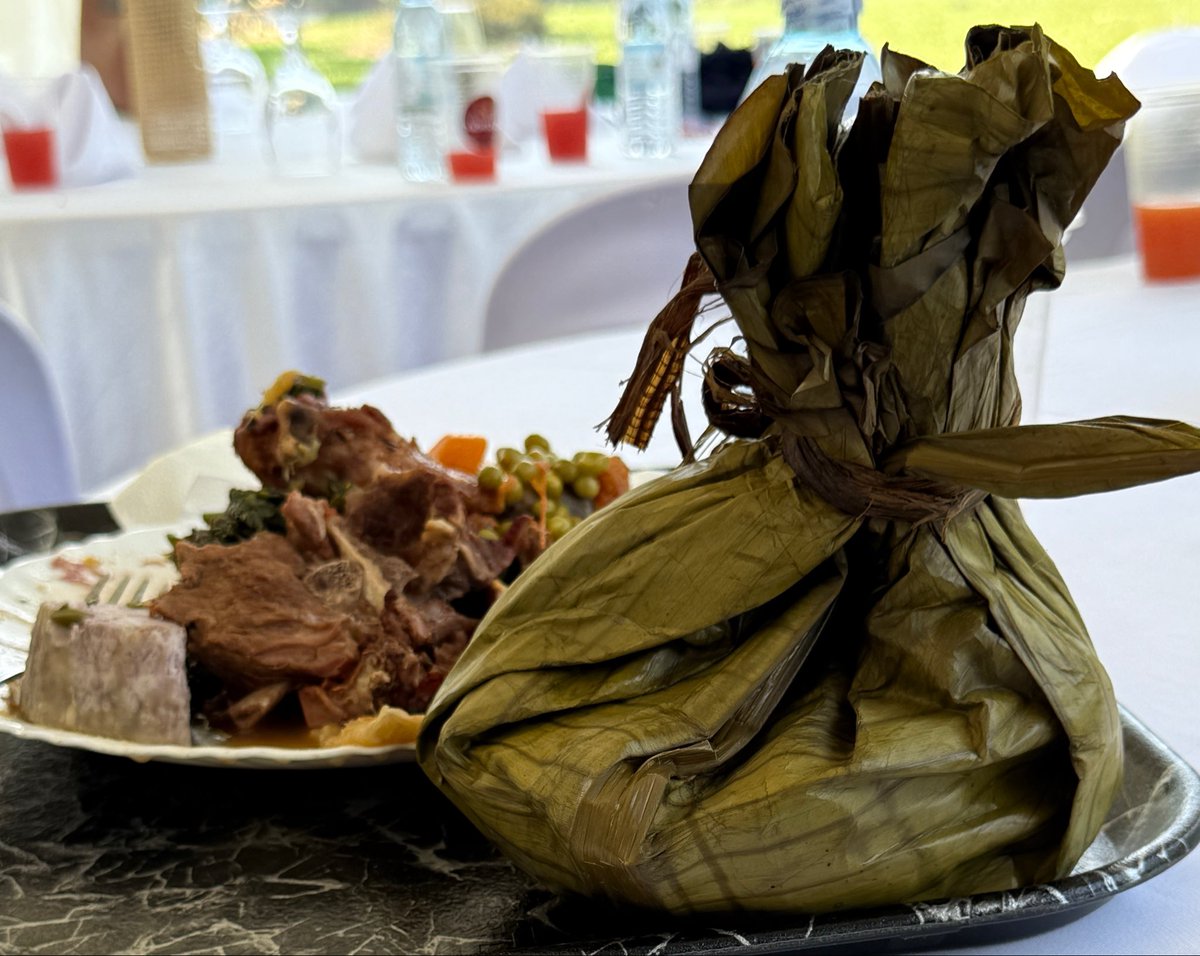
One of the telling things about our society at our functions is how we behave around food: 1. People loading more food on their plates than they can finish, and without feeling ashamed of the heaps on their plates 2. The fact that people have to be served, because they don’t know how to share limited resources 3. When given a chance for self service, people serving themselves without any regard to those behind them that might not get. Five pieces of chicken are left in the dish, and someone serves himself three of them (with 20 people behind him) 4. People eating more than they need, just because there is free food 5. People acting impatient as if they would die if they took 10 more minutes before their turn to serve (okulookalooka/ okululunkana) 6. Serving the second time (double) before others get anything, and pretending not to have eaten at all 7. Packing food to take home when some people present haven’t got 8. Catering service providers hiding food. While these habits might seem isolated and only related to food, they ALL vividly manifest themselves when we are in charge of any resources that have to be shared. Think about it. Our biggest problems as a country are around GREED, SELFISHNESS, DISHONESTY, and lack of a sense of SHAME
Jim Spire Ssentongo tweet media
English
132
213
768
23.6K
Blessed Atwine retweetledi
Tobechi Ogazi, Esq.
Tobechi Ogazi, Esq.@TobechiOgazi·
A good lawyer knows the law. A great lawyer knows the judge's previous decisions on the same issue.
English
2
50
288
5.6K
Blessed Atwine retweetledi
Tuhairwe Herman
Tuhairwe Herman@htuhairwe·
my idle thoughts titled ‘Colonial Relics in Uganda’s Criminal Procedure: The Case for Abolishing Committal Proceedings and Assessors in High Court Trials’ have been published in the University of Oxford's Commonwealth Law Journal. tandfonline.com/doi/epdf/10.10…
Tuhairwe Herman tweet media
English
32
120
269
8.7K
Blessed Atwine retweetledi
Parliament Watch
Parliament Watch@pwatchug·
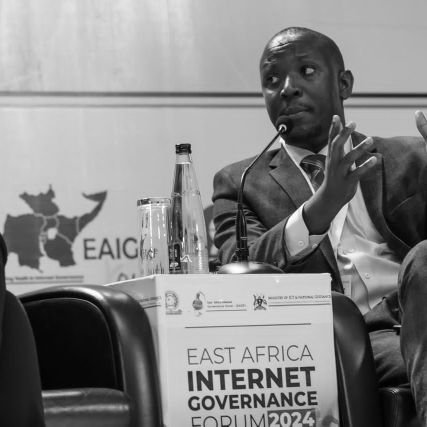
MP says Sovereignty Bill amendments by @KiryowaKk now look like an entirely new law My reading of the amendments almost makes it altogether look like a new law. Also, my reading of, aside the other concerns, my reading of the new definition of a foreigner is almost like it has moved from making Ugandans living in the diaspora to look like foreigners to making every Ugandan who carries out particular actions become a foreigner themselves. So, you no longer need to leave the country to be declared a foreigner, but you need to just be within two-two to be a foreigner. I really would like the Attorney General to gloss over that one because I know there are many more defects that we see, but that one is the one I found the most deplorable for now. Courtesy Photo
Parliament Watch tweet media
Parliament Watch@pwatchug

Following fierce backlash on the proposal in The Protection of Sovereignty Bill, 2026, the Attorney General, Kiwanuka Kiryowa has tabled new amendments to the Bill, exempting financial institution supervised by the Central Bank, medical and education facilities, and religious institutions from the provisions of the Bill. He made the revelation while appearing before Parliament’s Joint Committee of Legal and Parliamentary Affairs and the Defence and Internal Affairs Committee, on 30th April 2026, where he revealed that his decision to redraft the Bill came after listening to the concerns raised by the public. Courtesy Photo
English
13
26
130
46.4K
Blessed Atwine retweetledi
Silver Kayondo
Silver Kayondo@SilverKayondo·
Anti-Sovereignty Bill is a huge lesson. Nobody should think they can rule Uganda by law/decree ever again. You'll need acceptability across the board. Legislation alone will never confer legitimacy. You'll have to earn it. Ugandans chose to exercise strategic patience. Time.
English
7
24
108
3K
Blessed Atwine retweetledi
The Biblical Man
The Biblical Man@Biblicalman·
Moses asked God for two things. God said no to both. Then Moses died. Fifteen hundred years later, on a mountain in Galilee, God answered both prayers in front of three terrified fishermen. Most Christians read this story every year and miss it completely. Here is what they miss. Prayer one. Moses asked to see God's face. "And he said, Thou canst not see my face: for there shall no man see me, and live." (Exodus 33:20) No. Prayer two. Moses asked to cross into the Promised Land. "Get thee up into the top of Pisgah... but thou shalt not go over this Jordan." (Deuteronomy 3:27) No. Moses dies on the mountain. Buried by God Himself. End of story. Except it wasn't. The Mount of Transfiguration. Christ pulls back the veil. His face shines as the sun. And who shows up standing next to Him? Moses. "And, behold, there appeared unto them Moses and Elias talking with him." (Matthew 17:3) In the Promised Land. Looking at the face of God in the flesh. Both prayers. Granted. Not on Moses's timeline. Not through Moses's law. Through the Son. The no was not rejection. It was redirection. Every prayer God seems to deny, He is answering through Christ. The Mount of Transfiguration is the receipt. The face. The land. The healing. The marriage. The vindication. He is not closing the door. He is telling you which door. Through Christ. Or not at all. Moses found out. So will you. Full piece on Substack ↓ [deadhidden.substack.com link]
The Biblical Man tweet media
English
324
2K
10.5K
251.2K
Blessed Atwine retweetledi
Cavendish University Uganda
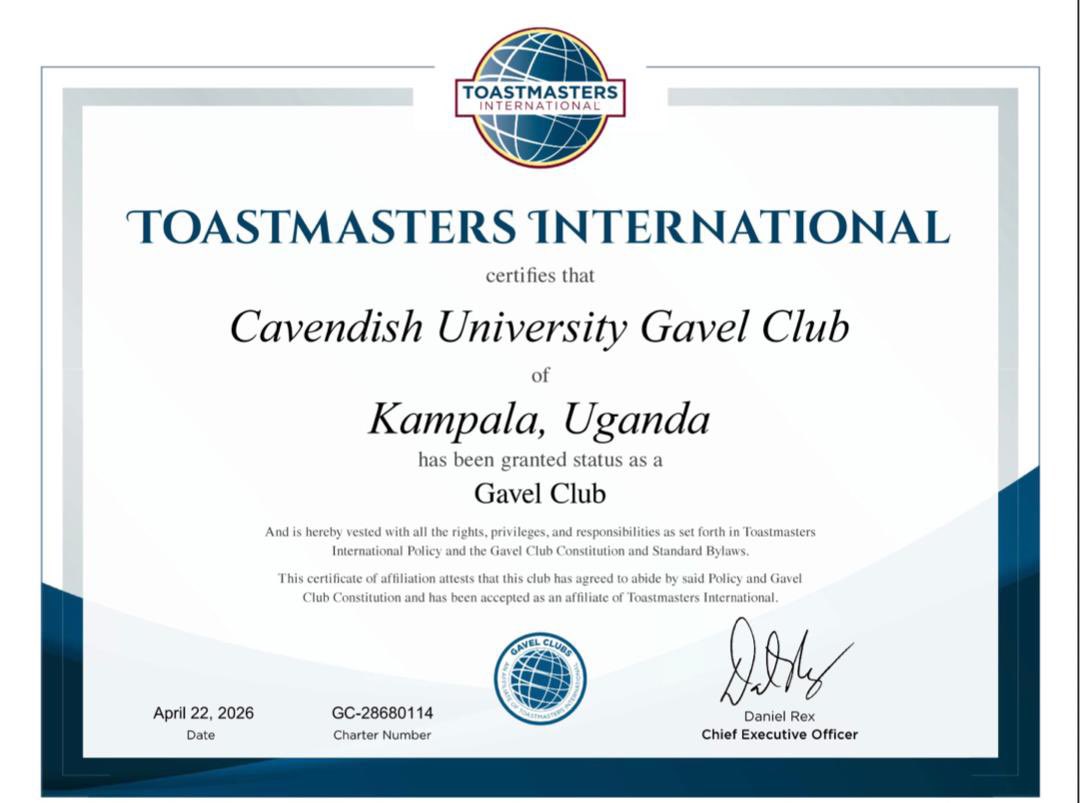
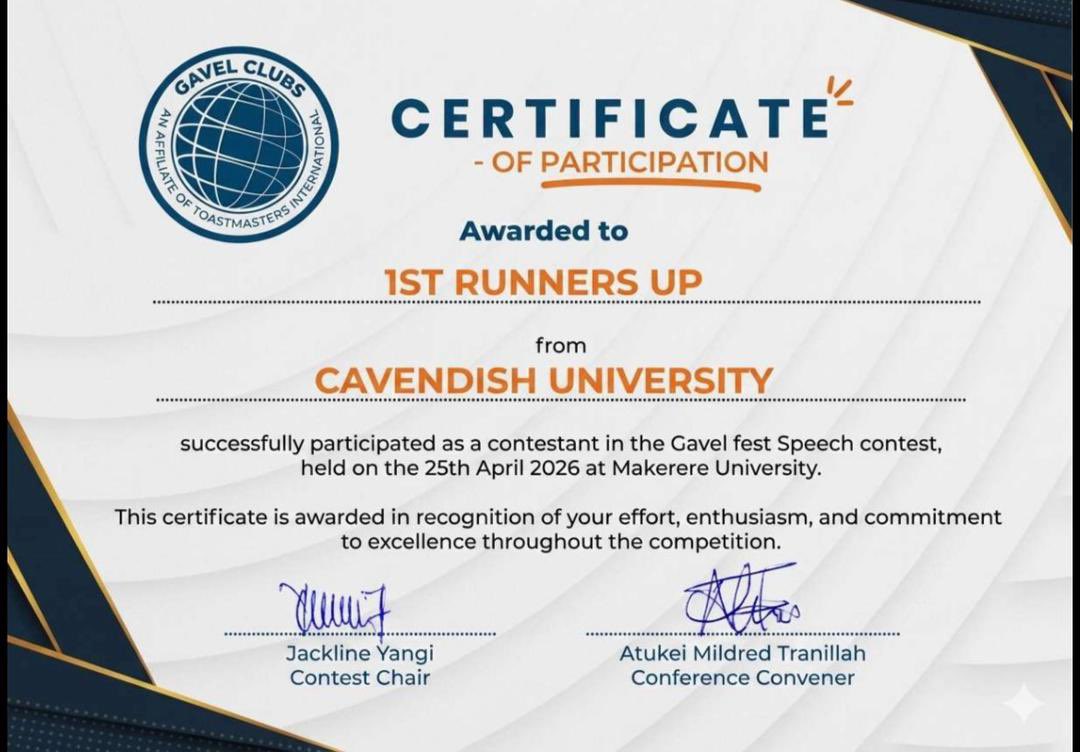
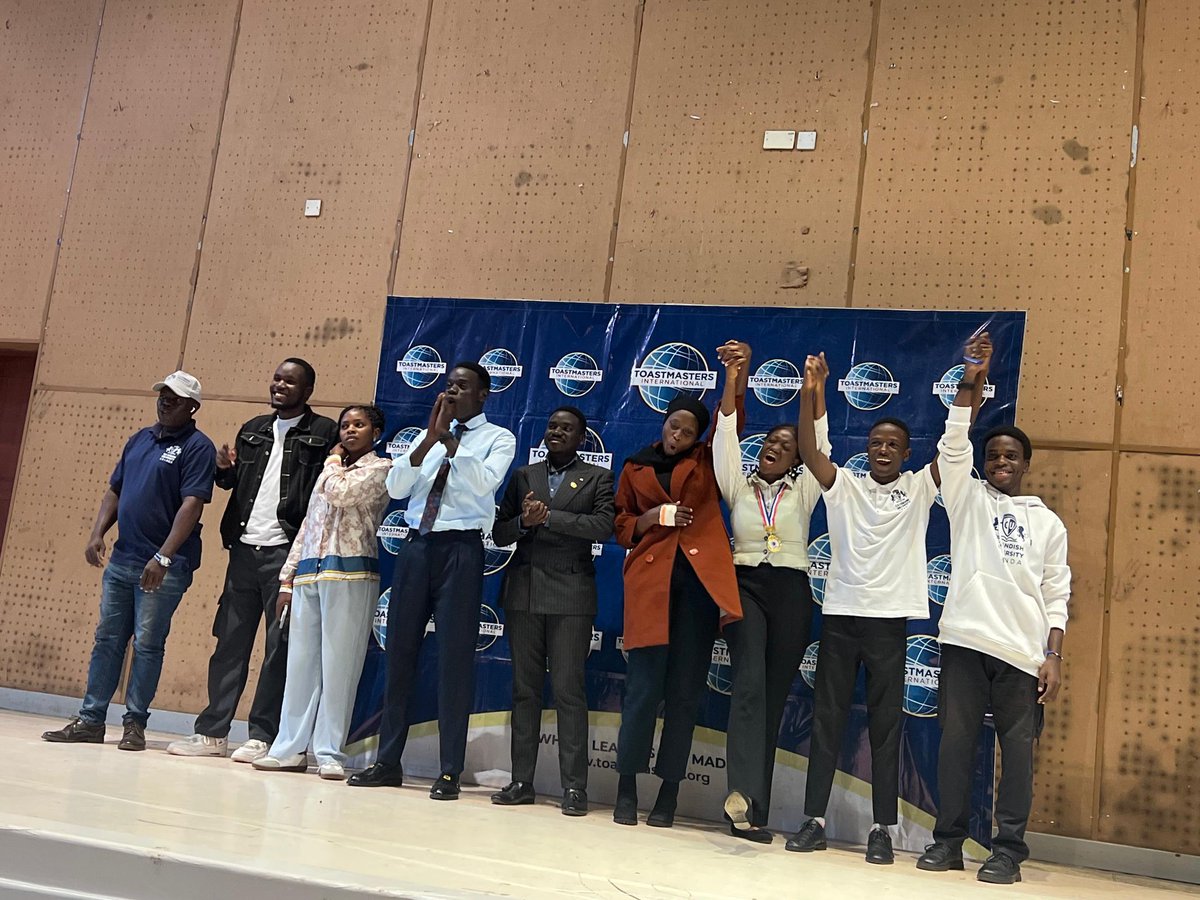
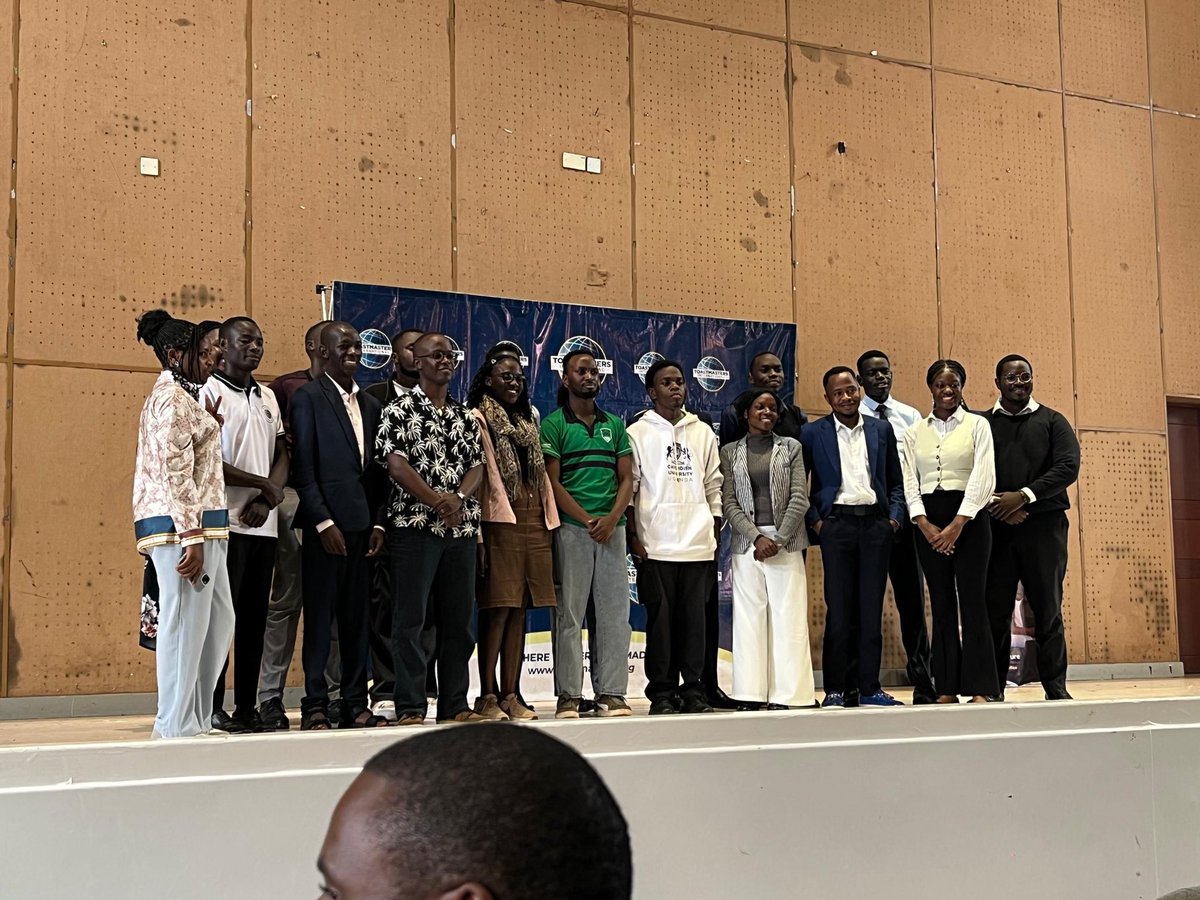
A proud moment for CUU! 🎤🏆 At the Gavel Speech Contest hosted by Makerere University: 🏆Oyindamola Abigail Oseni – Winner, Prepared Speech 🥈 Angelo Emmanuel Lual – 1st Runner Up, Icebreaker Speech 🥉 Ssenyonga Prosper Peter Paul – 2nd Runner Up, Table Topic Plus, our Gavel Club has officially been granted Gavel Club status by Toastmasters International. Excellence in leadership. Confidence in communication. #CUU #Toastmasters #GavelClub #Leadership
Cavendish University Uganda tweet mediaCavendish University Uganda tweet mediaCavendish University Uganda tweet mediaCavendish University Uganda tweet media
English
1
5
27
731
Blessed Atwine retweetledi
Isaac Ssemakadde
Isaac Ssemakadde@IsaacSsemakadde·
State brief counsel in the Ggaba trial have been abysmally inadequate. They failed to contact defence witnesses & rushed to close the defence case. All this in a mob-adjacent venue—knowing full well that it would scare off witnesses. It’s a violation of the right to a fair trial.
Isaac Ssemakadde tweet mediaIsaac Ssemakadde tweet media
English
23
69
535
29K
Blessed Atwine retweetledi
Buganda Royal Law Chambers
Buganda Royal Law Chambers@BugandaLawyers·
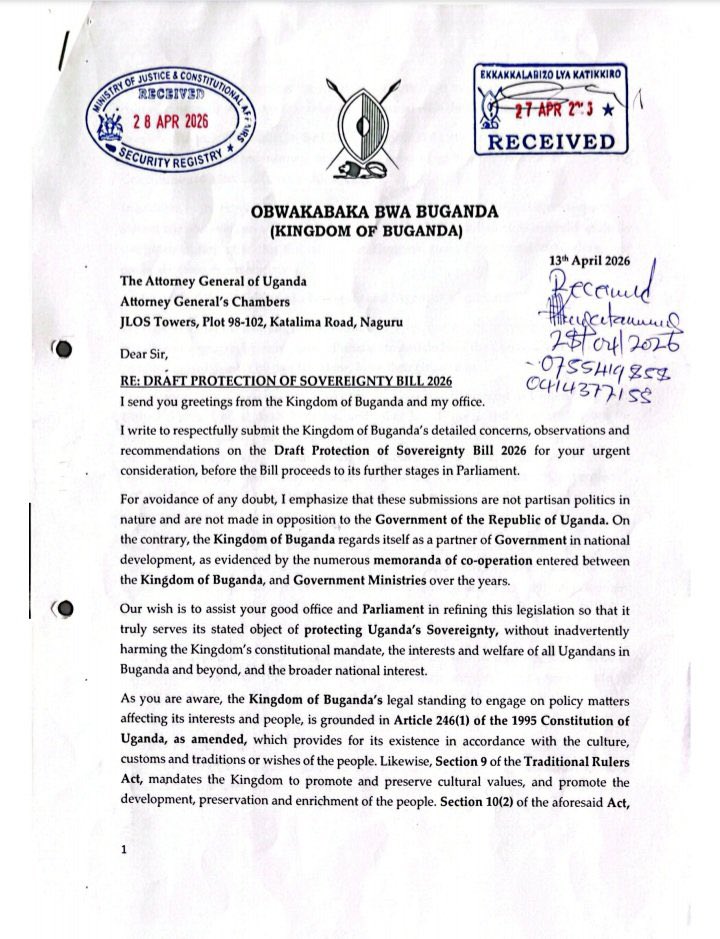
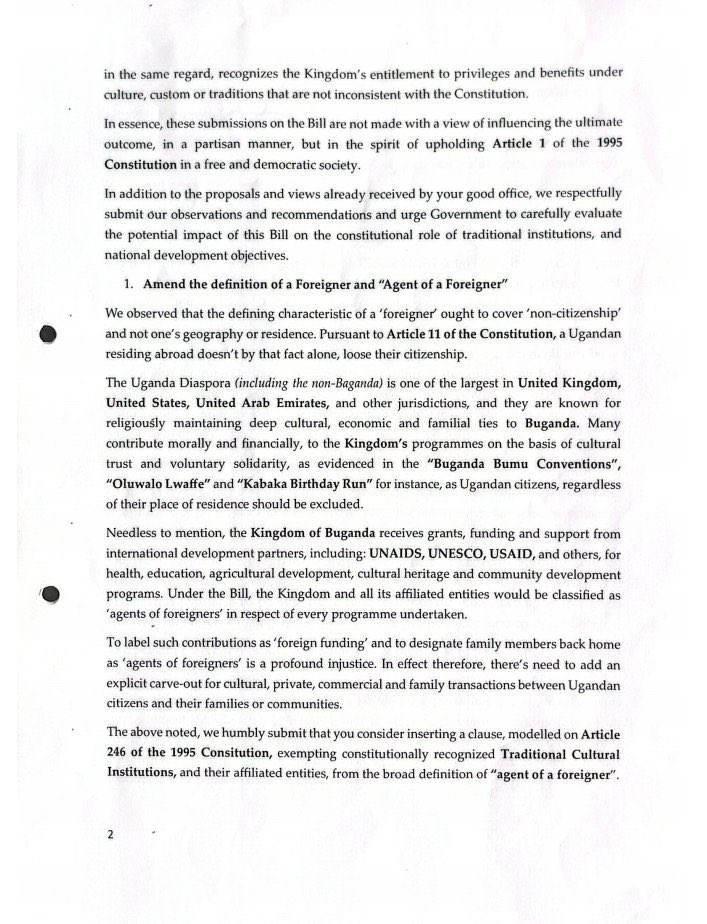
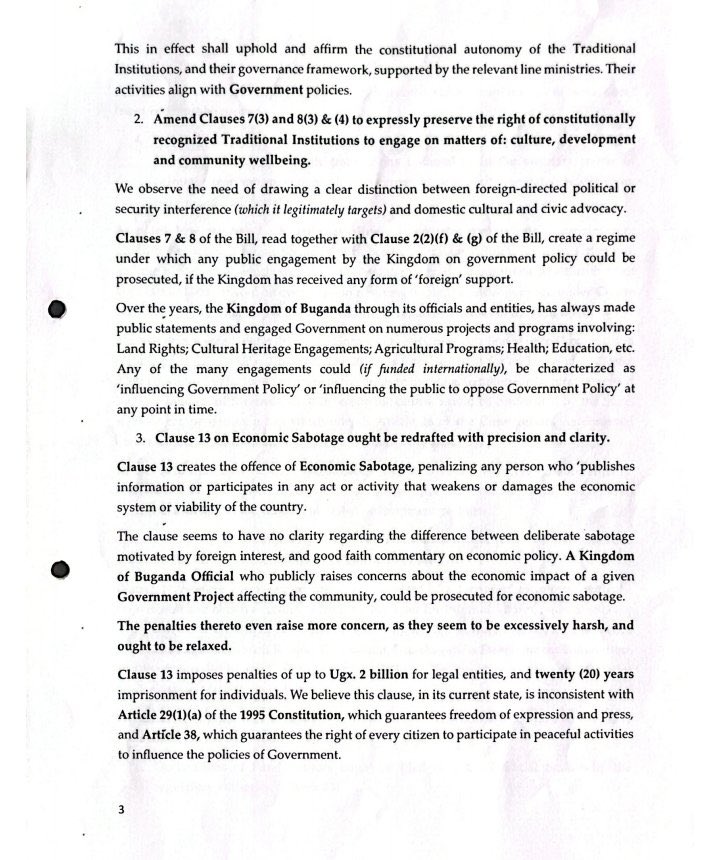
BREAKING NEWS! The Kingdom of Buganda has given its detailed concerns, observations and recommendations on the Draft Protection of Sovereignty Bill 2026 citing that it can not serve the interests of Uganda and her sovereignty, as it stands in its current state. Find attached…
Buganda Royal Law Chambers tweet mediaBuganda Royal Law Chambers tweet mediaBuganda Royal Law Chambers tweet mediaBuganda Royal Law Chambers tweet media
English
23
306
946
33K
Blessed Atwine retweetledi
SON OF LOYOLA
SON OF LOYOLA@FERDINANDIUS·
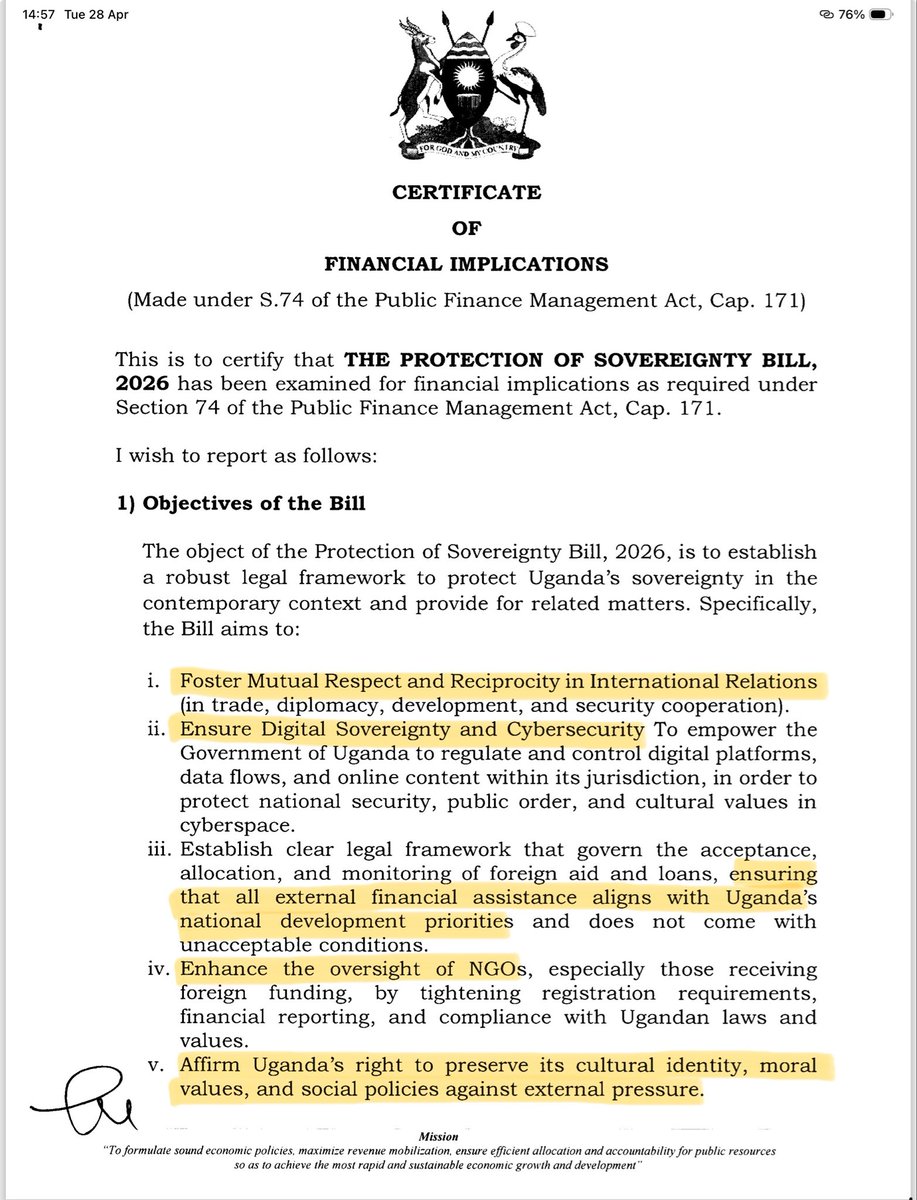
In serious countries, the guy that signed that certificate of financial implication would resign immediately after that BOU Submission. What do u mean the Bill has no financial implication when the Governor BOU is saying our currency would be heavily depreciated?
English
15
117
464
16.3K
Blessed Atwine retweetledi
Silver Kayondo
Silver Kayondo@SilverKayondo·
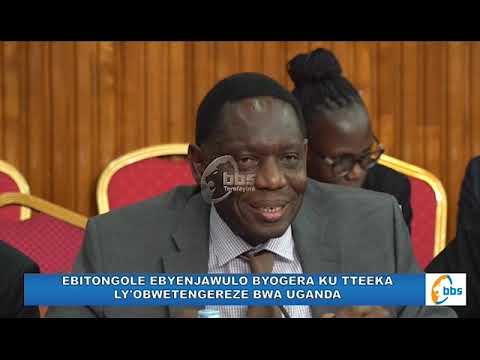
If you want a technical take on the potential impact of the Sovereignty Bill on balance of payments and Uganda's foreign reserves. This is the level of professional boldness we expect from public officials. Institutions must serve the citizens first. youtu.be/J3LUk3jBHwE?si…
YouTube video
YouTube
English
2
37
97
3.5K
Blessed Atwine retweetledi
Phillip Karugaba
Phillip Karugaba@PhillipKarugaba·
A certificate of financial implications that misrepresents a Bill’s objects and ignores economic reality is no certificate at all, but a constitutional nullity. @BOU_Official have exposed the lie! Parliament cannot proceed on this fiction. #StopTheFarce #RejectSovereigntyBill
Phillip Karugaba tweet mediaPhillip Karugaba tweet mediaPhillip Karugaba tweet media
English
22
199
365
23.8K
Blessed Atwine retweetledi
SON OF LOYOLA
SON OF LOYOLA@FERDINANDIUS·
Sovereignty must arise through governance and not the law. The legitimacy of any ruling government is not through legislation but citizens acceptance of the regime. It’s like a man who doesn’t look after his family and every evening he reminds them: I am your father! Well, being a father is just more than one episode of coitus. Your presence should be felt and not forced.
English
1
9
44
1.4K
Blessed Atwine retweetledi
Bank of Uganda
Bank of Uganda@BOU_Official·
"Chairman, a country without reserves is not sovereign. The potential of this Bill to destabilize Uganda’s balance of payments is our primary concern as a central bank. For example, last financial year the overall balance of payment surplus was USD 1.5 billion. That’s how we were able to increase our reserve coverage by USD 1.5 billion. Today as we speak our reserves are close to USD 6 billion. Why? Because these inflows have been coming in. The moment you tamper with these inflows here, we risk running down our reserves, and that is economic disaster for a country.” Governor Atingi-Ego on the Protection of Sovereignty Bill 2026 in an appearance before Parliament today.
Bank of Uganda tweet media
English
527
2.8K
7.4K
472.3K
Blessed Atwine retweetledi
MMAKS Advocates | ALN Uganda
MMAKS Advocates | ALN Uganda@MMAKS_Advocates·
We are pleased to share our latest thought leadership piece titled “𝗨𝗴𝗮𝗻𝗱𝗮’𝘀 𝗟𝗮𝘄𝘀 𝗼𝗻 𝗧𝗿𝘂𝘀𝘁𝘀 𝗮𝗻𝗱 𝘁𝗵𝗲 𝗖𝗮𝘀𝗲 𝗳𝗼𝗿 𝗥𝗲𝗳𝗼𝗿𝗺”. In this article, our team examines Uganda’s existing legal framework on trusts, highlights key limitations rooted in outdated legislation, and makes a strong case for reform to reflect modern economic and wealth‑preservation realities. The discussion also explores the practical use of trusts in succession planning, asset protection, and commercial transactions, and proposes targeted reforms to support their wider adoption. Authored by Fiona Davies Nalwanga, alongside Laura Taaka, this piece contributes to the ongoing conversation on legal reform and financial planning in Uganda. 📖 Read the full article here: mmaks.co.ug/articles/2026/… #Trusts #LegalReform #WealthPreservation #EstatePlanning #UgandaLaw #ThoughtLeadership #MMAKSAdvocates
English
2
26
71
5.1K
Blessed Atwine retweetledi
Uganda Legal Information Institute
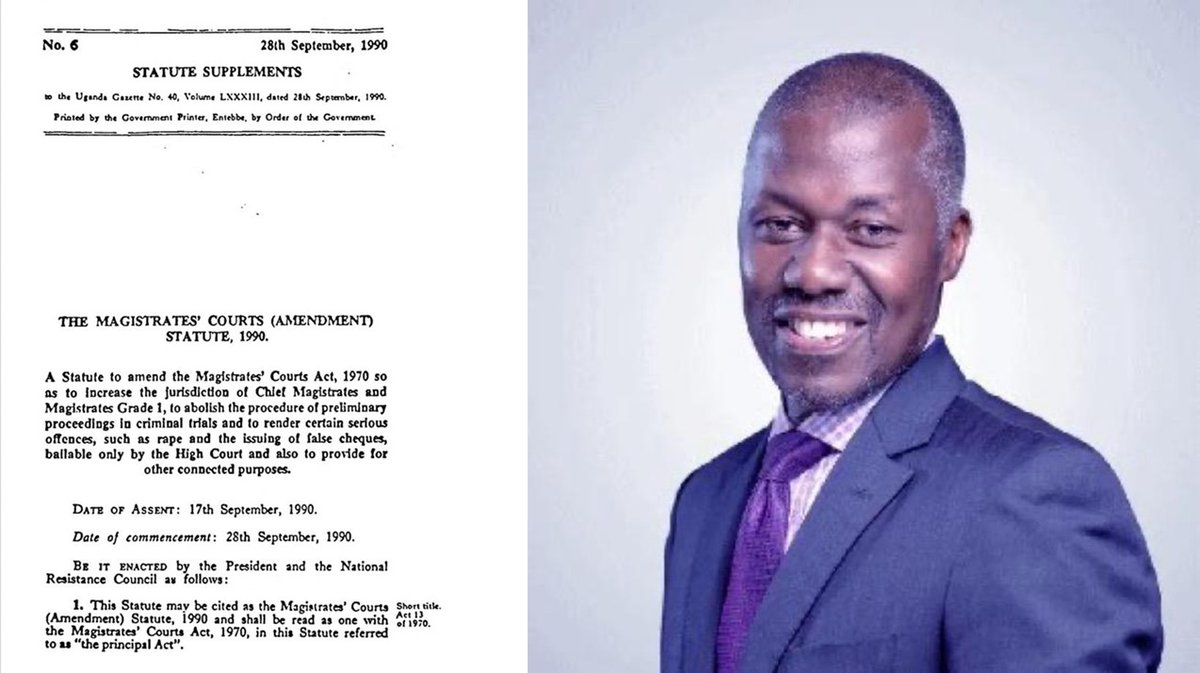
A catch from Uganda’s legislative history ⚖️ The Magistrates Courts (Amendment) Statute No. 6 of 1990, traceable in ULII’s legislative history, marked the era of “trial by ambush,” later displaced by constitutional jurisprudence affirming pre-trial disclosure under Article 28. 👉:@1990-09-28" target="_blank" rel="nofollow noopener">ulii.org/en/akn/ug/act/… @AFMpangaUG @nickopiyo @HamzahSsebunya @SarahBireete
Uganda Legal Information Institute tweet media
English
1
35
107
11.1K
Blessed Atwine retweetledi
Paul MUKIIBI
Paul MUKIIBI@pmpaulmukiibi·
In Kalali Steven v Attorney General and Electoral Commission, Miscellaneous Cause No 35 of 2018 (High Court of Uganda, Civil Division, 17 June 2020), the High Court treated sovereignty as a participatory constitutional principle rather than an exclusionary device. The Court anchored its reasoning in Article 1 of the Constitution, under which all power belongs to the people, and Article 59, which provides that every Ugandan citizen aged eighteen years and above has the right to vote. It rejected any reading of citizenship that would allow residence outside Uganda to dilute constitutional participation, holding that Ugandans in the diaspora are part of the citizens envisaged under Article 59 and that being in the diaspora does not take away citizenship or the constitutional rights flowing from it, including the right to vote. The ruling therefore treats diaspora Ugandans as constitutional participants in Uganda’s democracy, not as external threats to it. Clause 11 of the Protection of Sovereignty Bill, 2026 creates a sharp constitutional tension. While it invokes the people’s will and consent in elections, it provides that such will shall not be subject to influence by an agent of a foreigner, yet the Bill defines foreigner to include a Ugandan citizen residing outside Uganda. The result is a troubling constitutional irony: the Court in Kalali requires the State to facilitate diaspora Ugandans’ participation in the electoral process, while Clause 11 risks treating diaspora-linked electoral engagement, where undertaken through or attributed to an alleged agent of a foreigner, as foreign influence capable of criminal punishment. Put differently, Kalali protects sovereignty by enfranchising citizens; Clause 11 risks protecting sovereignty by penalising electoral mobilisation, advocacy or facilitation connected to the very citizens whom the Constitution, as interpreted by the Court, requires the State to bring into the democratic process. Read and download the full decision here: drive.google.com/file/d/1i214CZ…
Paul MUKIIBI tweet media
English
2
45
93
5.8K
Blessed Atwine retweetledi
Hugamara Group
Hugamara Group@HugamaraGroup·
Our Group CEO, @Ronkawamara, speaks out about the proposed Protection of Sovereignty Bill 2026 🗣️
Hugamara Group tweet media
English
15
62
433
162.2K