The entire word relies on China for rare earths:
Brazil imports 97% of all its rare earths from China, the most among major global economies.
Turkey follows with 93%, while Germany and the UK import 91% and 89%, respectively.
Korea relies on China for 80% of its rare earth supply, while the US depends on China for 78%.
This comes as China’s estimated rare earth reserves have reached 44 million metric tons, 23 TIMES larger than the US.
China’s dominance in rare earths is quickly becoming one of the most powerful dynamics in the global economy.
The world needs China.
@chrmosimann@marklewandoski Twist1 is a great marker. Weve been running whole mount immunos and it very specially labells the elongating LPM and somites.
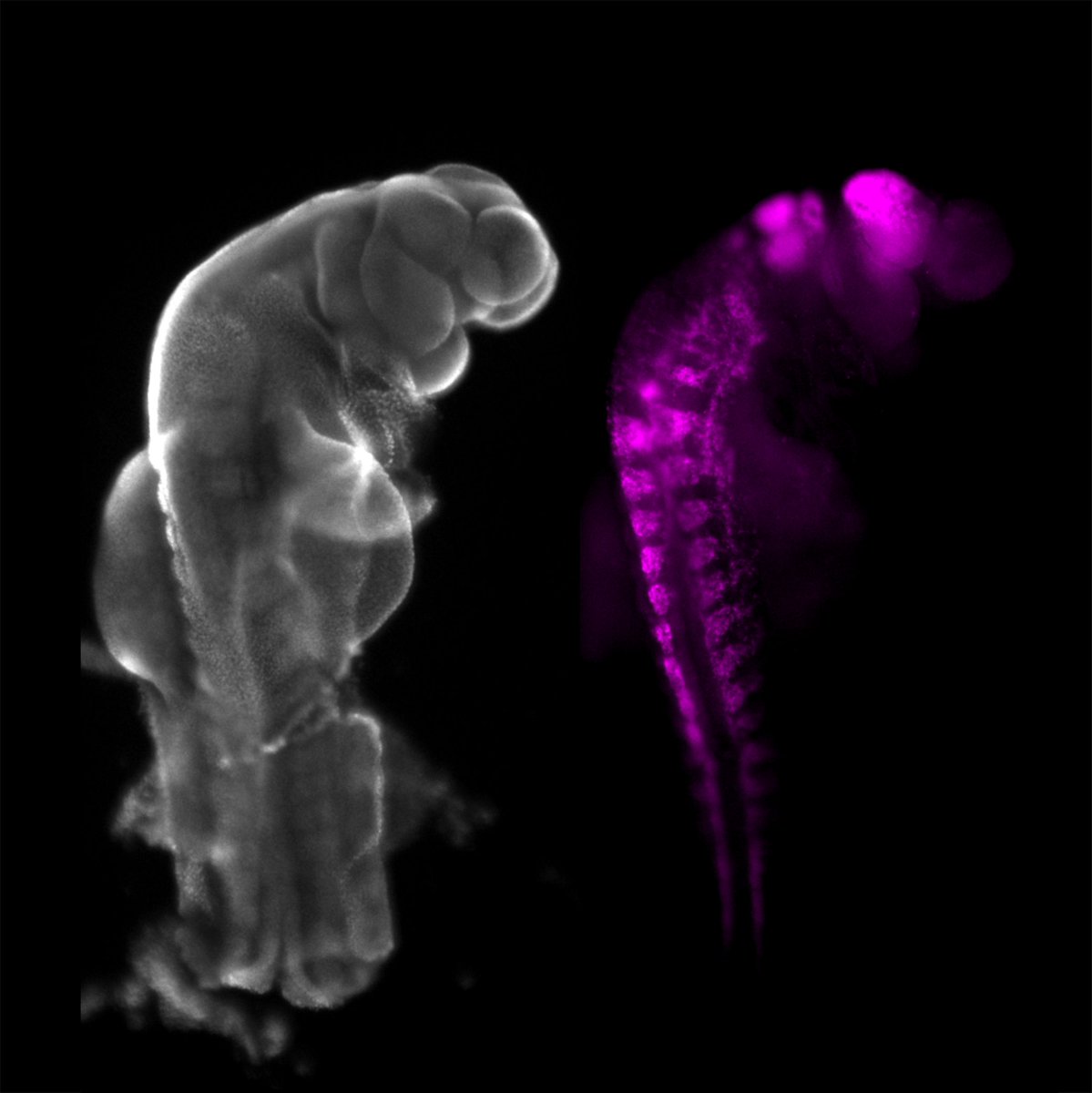
And it begins! Interrogating of NCC development in dasyurid marsupials 🤩 Mid-gestation dunnart embryo visualized with DAPI and SOX10 probe, thanks to @HCRimaging.
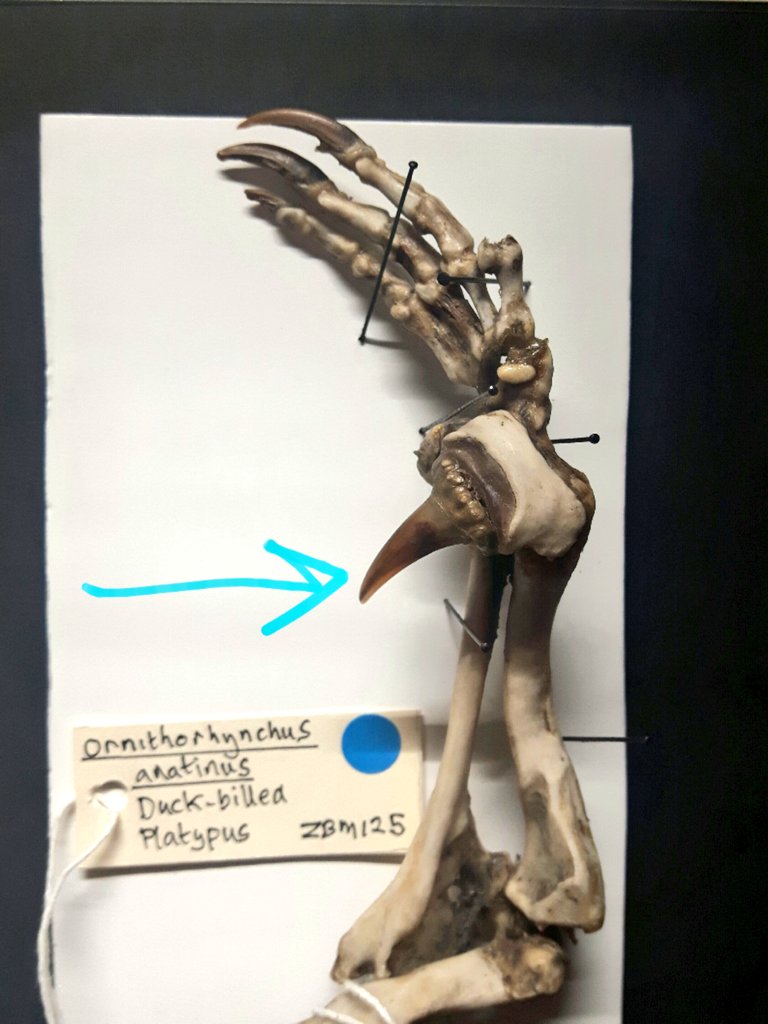
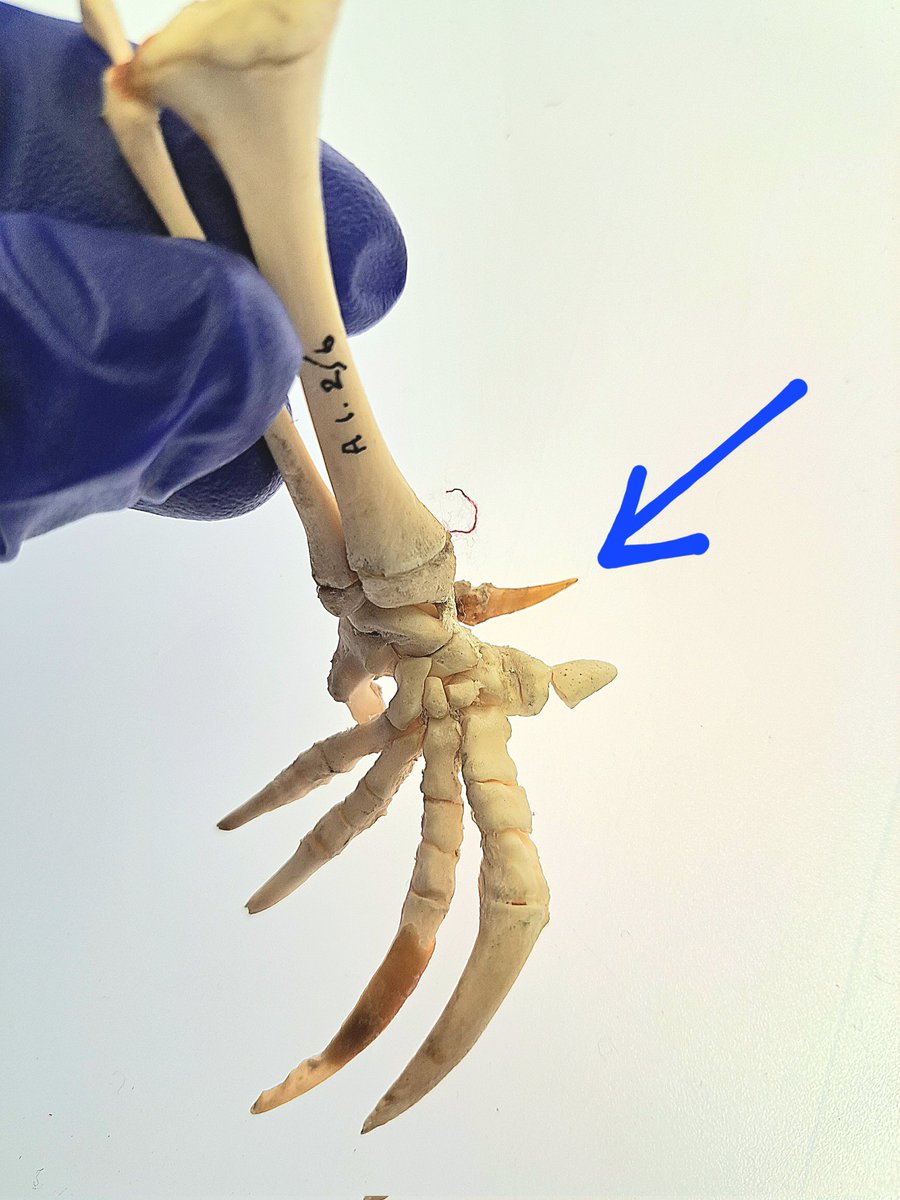
@AxelHNewton Platypus and echidna spurs are bone covered in a keratin sheath (with a duct running through them leading to a venom or scent gland). All young individuals have them, but they drop off by the time females reach adolescence. They're not digits.
Male #echidnas have a horny spur on their ankles, just like a #platypus. But unlike #platypuses (from which echidnas evolved), in #echidnas the spur does not deliver venom. It's believed to produce scent during the breeding season. #WildOz
@JackDAshby We we're fortunate to scan the ultra precious AMS 12 week PY specimen, which I think would have been of a similar stage. Though if you are able to CT this little one and make public that would be fantastic. @DSRovinsky has been doing some cool follow up work on thylacine crania!
@AxelHNewton Aw, before my time at the museum, but I suspect that the team was deep in the abyss of the redevelopment project back then, but we're very much open for business again now!
Sorry it didn't work out then - this *is* a seriously cool specimen, & your development paper is brilliant!
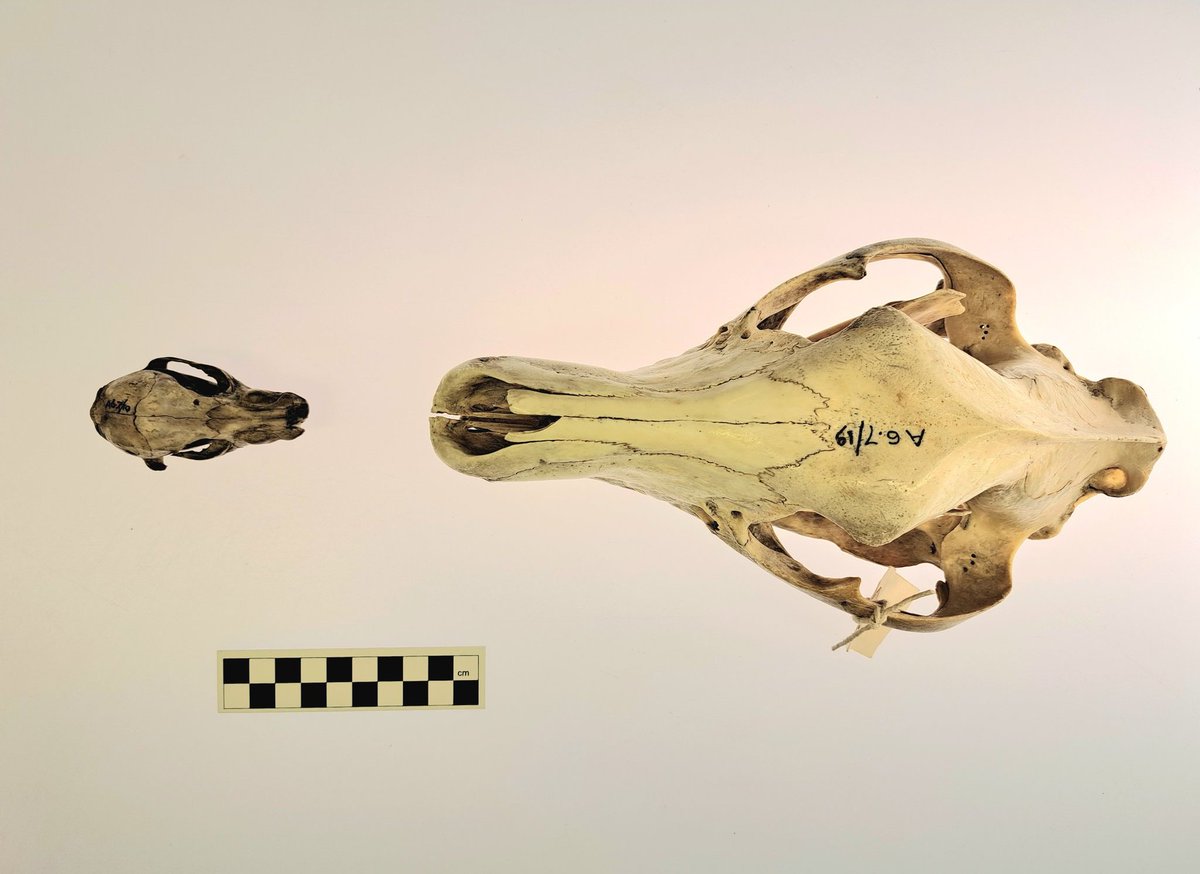
We're imaging all our Australian mammals at @ZoologyMuseum this week, so here's a🧵 of interesting things from our #thylacines...
Starting with the world's smallest #thylacine skull alongside one of the very largest.
@JackDAshby@ZoologyMuseum This was one of our dream thylacine specimens that we never got access to sample! I made a request for this when we we're putting together our thylacine developmental series paper but I didn't hear anything back :(
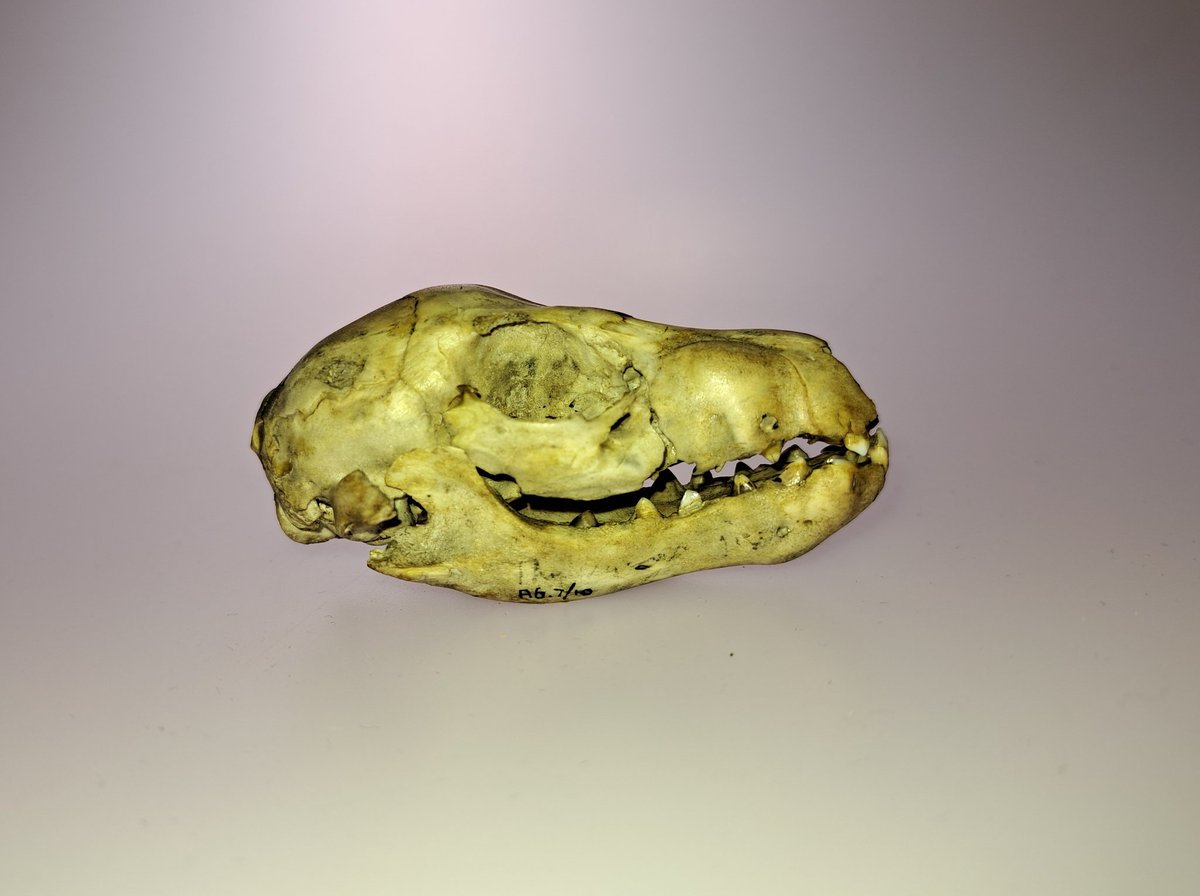
The tiny #thylacine would have still been in its mother's pouch when it died, and its teeth are just starting to come through. This specimen came to @ZoologyMuseum in 1830 - it's one of the earlier #thylacines to reach Europe.
Happy #FluorescenceFriday! We are finally getting to play with the light sheet using chick embryos. 😍 Can’t wait to do more imaging! Thanks to the @ucdavisvetmed Advanced Imaging Facility and to Julia Godinez who took this image during her rotation in our lab!