Sabitlenmiş Tweet
Dr B.S.Bhati BSB 🇮🇳
351 posts

Dr B.S.Bhati BSB 🇮🇳
@BSBaiims
MBBS | MD (Internal Medicine) | DM Medical Oncology AIIMS New Delhi |
Jaisalmer , The Golden City Katılım Mayıs 2021
1.1K Takip Edilen2.2K Takipçiler
Dr B.S.Bhati BSB 🇮🇳 retweetledi

DESTINY-Breast11 #ESMO25 🧬
Neoadjuvant T-DXd-THP vs ddAC-THP in high-risk HER2+ eBC:
pCR 67.3 vs 56.3 % (+11.2%, p = 0.003)
Grade ≥3 AE 37.5 vs 55.8 %
LVEF 1.9 vs 9 %
ILD 4.4 vs 5.1 %
Early EFS HR 0.56 (immature).
➡️ Better efficacy + safety, anthracycline-free option.
But pCR ≠ EFS ?? — needs mature follow-up.
Also cost factor ??
What to give on relapse ?
Surprised to see more ILD IN NON TDXD ARM ?
@myESMO
#esmo2025 @OncoAlert @OncBrothers


English
Dr B.S.Bhati BSB 🇮🇳 retweetledi

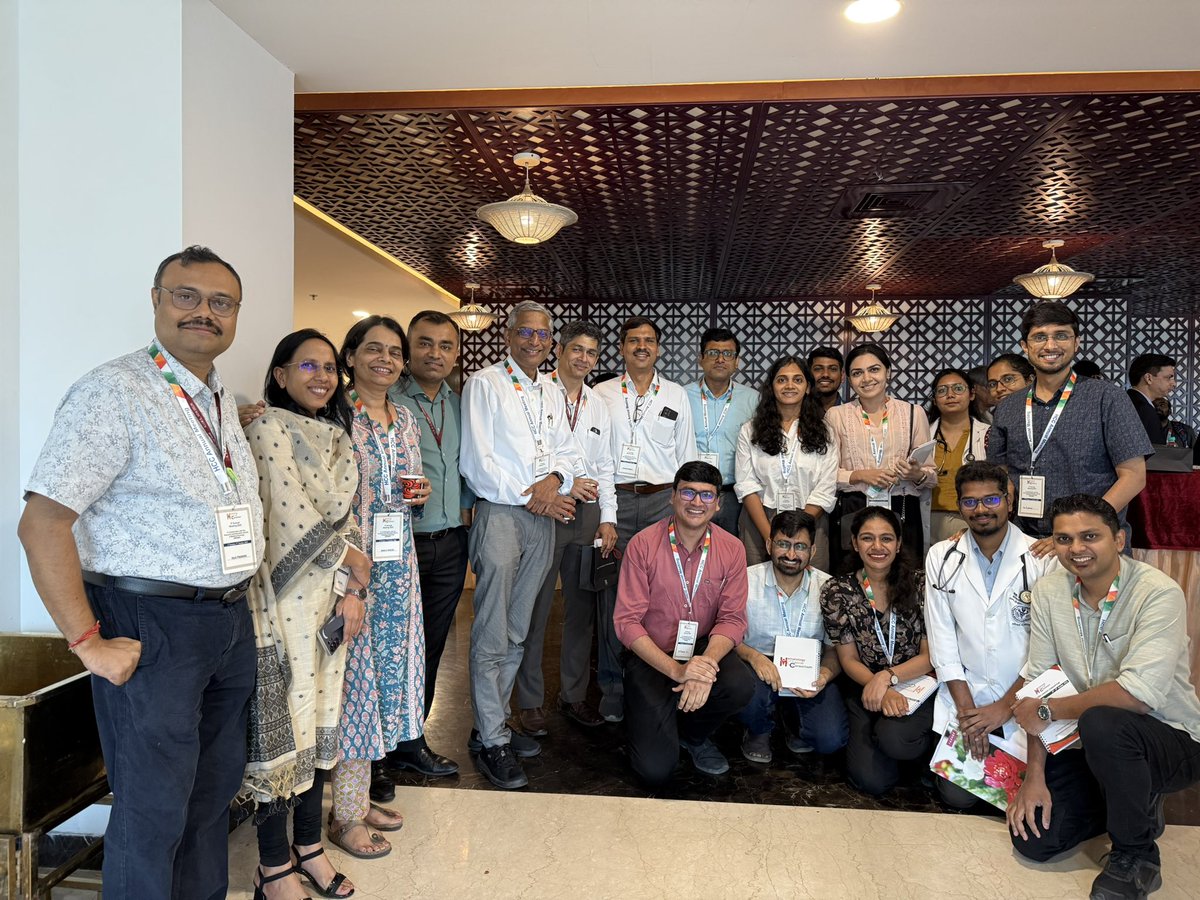
Privileged to participate in 5th Annual Hematology Cancer Consortium @HCC_HemeCancer that brought together leading experts and researchers in hematologic malignancies from across the globe.
@RanjitKSMD @myelomaMD @NitinJainMD @ManjuSengar7 @Prasshmehta @HariMenon68 @DrRishabhOnco @BSBaiims @DrGPrakash @dr_rajapramanik


English
Dr B.S.Bhati BSB 🇮🇳 retweetledi

Grateful to speak about #thymic tumors @AATSHQ #ITSOS2025 @Itmig_society @chulkimMD @ChrisNabelMD #thysm @DFarberThoracic


English
Dr B.S.Bhati BSB 🇮🇳 retweetledi

The OncoAlert WEEKLY RoundUp 🚨
Covering the TOP of the week Sept 19-25, 2025
REGISTER at OncoAlert360.com OR oncoalert.m-pages.com/nhMpwe/oncoale…
Discussing:
✅evERA Update : Oral SERD giredestrant + everolimus improves PFS in ER+/HER2– advanced Breast #Cancer
✅FDA Approval🇺🇸SC pembrolizumab approved for solid tumor indications.
✅PCS-9: Adding SBRT to ADT + enzalutamide doubles rPFS in oligometastatic CR #ProstateCancer
✅ARON-3 : ^177Lu-PSMA outperforms cabazitaxel w/ higher responses, longer survival & similar safety in PC
✅ #PancreaticCancer Review: Advances in early detection, neoadjuvant therapy, and emerging treatments aim to overcome resistance.
✅SBRT☢️offers high local control, bridge-to-transplant use, and synergy with immunotherapy in #HepatocellularCarcinoma
✅NSCLC 50-Year Review🫁 From no options to molecular profiling, screening, and targeted therapies
✅COMPEL : Osimertinib + chemo improves PFS & OS beyond progression🆚chemo alone in🧬EGFR+ #NSCLC
✅ Platinum chemo with PD-(L)1 increases resistance: CTLA-4 adds no benefit. Non Small Cell #LungCancer
✅ in early #BreastCancer HR+/HER2– patients gain recurrence benefit from anthracyclines + taxane chemo.
✅SAFE Trial ❤️Cardioprotective therapy preserves LV & RV function during anthracycline-based chemo.
✅Genomic HRD-based #OvarianCancer model predicts PARPi response better than current assessments
✅Proton craniospinal irradiation☢️improves CNS-PFS & OS🆚 photon IFRT in leptomeningeal metastasis🧠
@DrRishabhOnco
@jhaveri_komal
@DrSAHaddad
@SPremji7866
@Onco_Cifu88
@LoiSher
@teamoncology
@double_whammied
@Dr_ElvinaA
@AbiSivaMD
@RitaNandaMD
@Icro_Meattini
@IacopoOlivotto
@m0370
@CarlottaBecher1
@VSalvestrini
@niazi_Dr7
@urologymd1
@SbrtSean
@dralvaropinto
@gusviani
@ZilliThomas
@dr_cury
@AndrewFarach
@EfstathiouEleni
@DrYukselUrun
@BourlonMaite
@fsabino_onco
@fmassari79
@cdanicas
@DraMartinezLago
@igzalina
@ADesaiMD
@StephenVLiu
@diegoadiazg
@Latinamd
@Tony_Calles
@duenas_gon28
@BSBaiims
@OncologyMarwarD
@RobertoFerrara_
@g_mountzios
@Niccolo_Manjuba
@aminfield
@ozdogan_md
@drsarahsam
@DrAlexUrology
@darioT_
@matteolambe
English

🚨 AURIGA Trial (NDMM post-ASCT)
💊 Maintenance: Dara+Len vs Len
MRD-neg @10⁻⁵: 61% vs 29%
MRD-neg @10⁻⁶: 36% vs 14%
Sustained MRD-neg (12 mo): 30% vs 8%
3-yr PFS: 77% vs 61% (HR 0.55)
OS (immature): 95% vs 91%
⚠️ Slight ↑ G3/4 infections, but overall manageable safety.
📌 Message: Adding Daratumumab to Len maintenance post-ASCT deepens MRD responses → translates into longer PFS, with OS trend favoring combo.
#Oncotwitter #Hematology #Myeloma
@Myeloma_Society @Annals_Oncology

English

Tagrisso® (AstraZeneca) is the only version with approval from stringent regulators (US FDA/EMA/etc.) and clinical-trial–level, lot-to-lot oversight. Bangladesh/Bhutan “generics” (e.g., Beacon Tagrix®, Incepta Osicent®) are made under Bangladesh’s TRIPS waiver and are locally approved but not approved by US FDA/EMA; public, regulator-reviewed bioequivalence data aren’t available. So reliability is unknown/variable compared with Tagrisso, and depends entirely on the specific manufacturer’s GMP and the integrity of your supply chain.
English

@BSBaiims Sir, could you kindly guide about the authenticity and clinical reliability of Osimertinib 80mg from Bangladesh (Everest Pharma, ‘Osimert’) and Bhutan (Azista, ‘OsiTab’)? patients are coming across these versions in India through pharmacies, but we are unsure if they are genuine
English

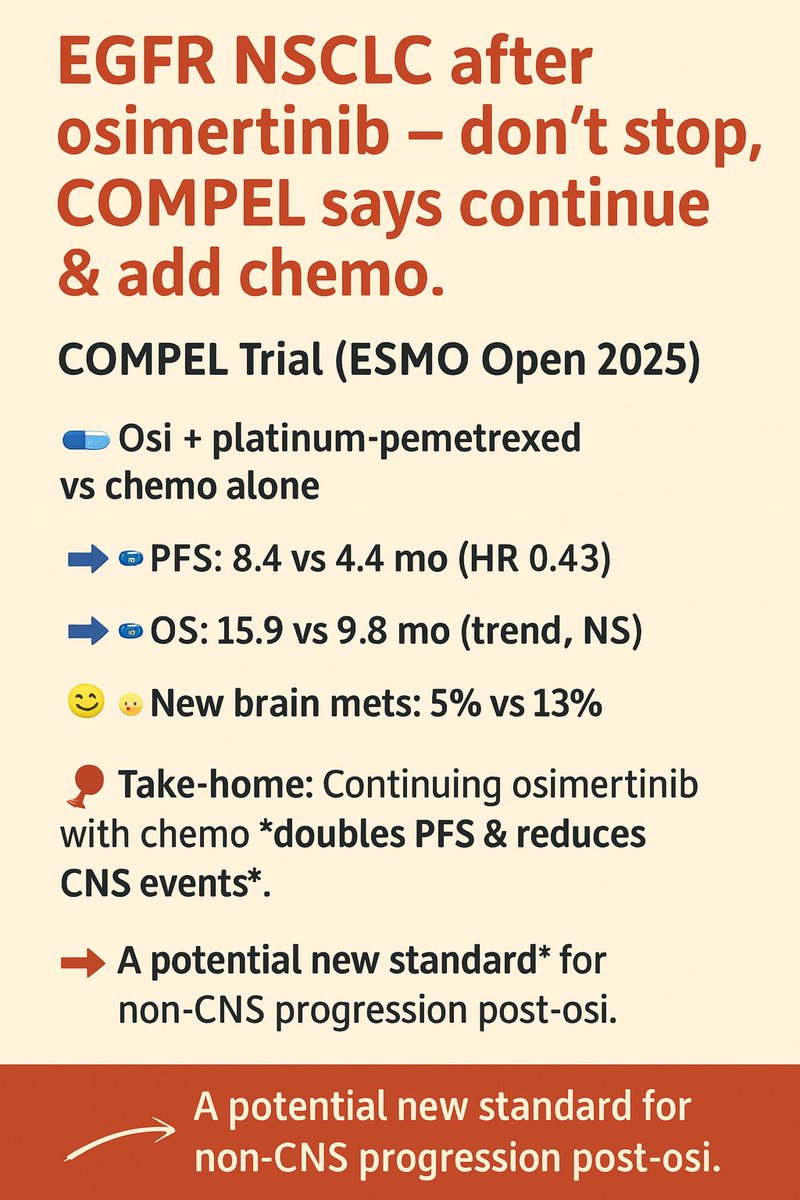
“EGFR NSCLC after osimertinib — don’t stop, COMPEL says continue & add chemo”
COMPEL Trial (ESMO Open 2025)
Post-progression strategy in EGFR-mutant NSCLC (non-CNS PD after 1L osimertinib):
🔹 Osi + platinum-pemetrexed vs chemo alone
➡️ PFS: 8.4 vs 4.4 mo (HR 0.43)
➡️ OS: 15.9 vs 9.8 mo (trend, NS)
➡️ New brain mets: 5% vs 13%
➡️ Safety: manageable, no new signals
📌 Take-home: Continuing osimertinib with chemo doubles PFS & reduces CNS events.
→ A potential new standard for non-CNS progression post-osi.
@Annals_Oncology @ESMO_Open @myESMO


English

🚨 Zidesamtinib (NVL-520) in ROS1+ NSCLC
👉 ARROS-1 trial:
ORR: 79% (TKI-naïve), 44% (pretreated)
Durable: 78% maintained ≥12 mo response
CNS-penetrant: IC responses incl. after entrectinib/repotrectinib
Active vs ROS1 G2032R (key solvent-front mutation)
💡 Why it matters
vs Lorlatinib: equally CNS-penetrant but covers G2032R (Lorla does not) + fewer CNS toxicities
vs NTRK-active TKIs (entrectinib, repotrectinib, taletrectinib): retains CNS activity + G2032R coverage but is TRK-sparing → minimal neurologic AEs
✅ Potential best-in-class ROS1 TKI: combines durability, CNS control, resistance coverage, and favorable safety
#NSCLC #oncologia #Onco
#Oncotwitter @OncoAlert @oncodaily
@Annals_Oncology @myESMO

Français
Dr B.S.Bhati BSB 🇮🇳 retweetledi

The OncoAlert WEEKLY RoundUp 🚨
Covering the TOP of the week Sept 12-18, 2025
REGISTER at OncoAlert360.com OR oncoalert.m-pages.com/nhMpwe/oncoale…
Discussing:
🔹 PRIME Diagnostic Trial (JAMA): Biparametric MRI is noninferior to multiparametric MRI for #ProstateCancer
🔹 NECTIN4-CAR T cells show strong activity in #BladderCancer
🔹 Global consensus sets event-free survival as the key endpoint for next-gen bladder-sparing MIBC trials.
🔹 PREOPANC-2 : No OS difference between neoadjuvant FOLFIRINOX and gemcitabine-CRT in resectable #PancreaticCancer
🔹 WU-KONG1B : Sunvozertinib achieves ~46% response in EGFR exon 20–mutated #NSCLC
🔹 ASTRO–ASCO–SSO Guideline : Updated PMRT guidance for node+ and high-risk node- #BreastCancer
🔹 Sequential ADC use shortens PFS in HER2-negative MBC, impacting later therapy effectiveness.
🔹 IJGC: Sacituzumab govitecan shows potent preclinical activity in TROP2+ low-grade serous #OvarianCancer
🔹 OlAnCa Trial: Olanzapine improves anorexia, weight, and QoL in cancer cachexia patients.
🔹Brief, nurse-delivered Meaning-Centered Psychotherapy feasible and beneficial for advanced cancer at home.
@AdrianoDiasRad
@ananthuro
@DongNguyeb
@jimhumd
@dattasn
@ShingoHatakeya1
@denzel_zhu
@FryeUroOnc
@AlexBCDNg
@drenriquegrande
@jonchou05
@BladderCancerUS
@AndreaNecchi
@UroDocAsh
@mingmingin
@SpiessPhilippe
@LiangChengMD
@shilpaonc
@brookmans76
@BasGrootKoerkam
@Gio_Marchegiani
@SyedAAhmad5
@free_radical28
@Nedamini
@fedenichetti
@drgmiranda
@ZhiVenFongMD
@MarcBesselink
@Aiims1742
@DrRishabhOnco
@LeXiuning
@KatsuakiMaehara
@diegoadiazg
@BSBaiims
@ASTRO_org
@SocSurgOnc
@RachelJimenezMD
@u1rokikawa
@YAbdouMD
@ChrisFloresRT
@LauraNadeau11
@JaniceTNBCmets
@DraMartinezLago
@FelekeHailemar1
@CateSposetti
English
Dr B.S.Bhati BSB 🇮🇳 retweetledi

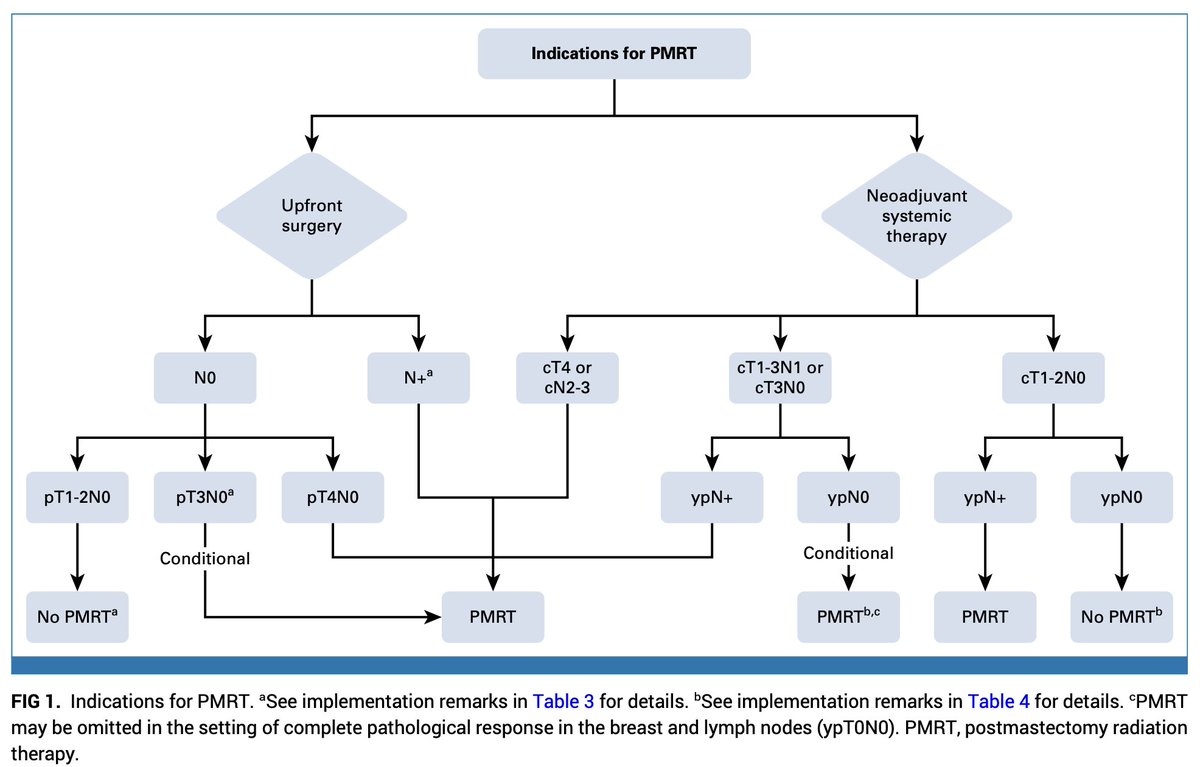
Postmastectomy Radiation Therapy: An ASTRO-ASCO-SSO Clinical Practice Guideline-2025
PMRT in ≥4 LN+, T4, residual ypN+; consider in cN1→ypN0 or T3N0; omit in T1-2N0 low-risk.
Hypofractionation is SoC, IMRT & DIBH↓ cardiopulmonary toxicity.
ascopubs.org/doi/10.1200/JC… @OncoAlert

English

💡 Etoposide May Rescue OHI+ T-Cell Lymphoma
🚨 OHI+ =Optimized HLH Inflammatory (OHI)=Deadly Hyperinflammation in Lymphoma
📊 135 pts, multicenter study
OHI+ (sCD25 >3900 + Ferritin >1000):
1-yr OS: 33% vs 81% (OHI−)
Median OS: 190 days
13× ↑ mortality risk
⚰️ Causes of death
OHI+: 58% multi-organ failure, only 6% lymphoma progression
OHI−: 43% lymphoma progression
💡 Etoposide improved OS in OHI+ T-cell lymphoma (P = .007)
👉 OHI = strong prognostic tool; identifies patients dying from inflammation, not tumor → need tailored therapy.
Full text: orcid.org/0000-0002-3157…
#Lymphoma #HLH #Oncology
#Oncotwitter
@Annals_Oncology @ASH_hematology @EHA_Hematology

English
Dr B.S.Bhati BSB 🇮🇳 retweetledi

Can New HER2 ADC Match T-DXd? - Bhoor Singh Bhati
@BSBaiims
oncodaily.com/voices/bhoor-s…
#OncoDaily #Oncology #Cancer #Health #Medicine #MedX #MedEd #MedNews @CancerWorldmag

English

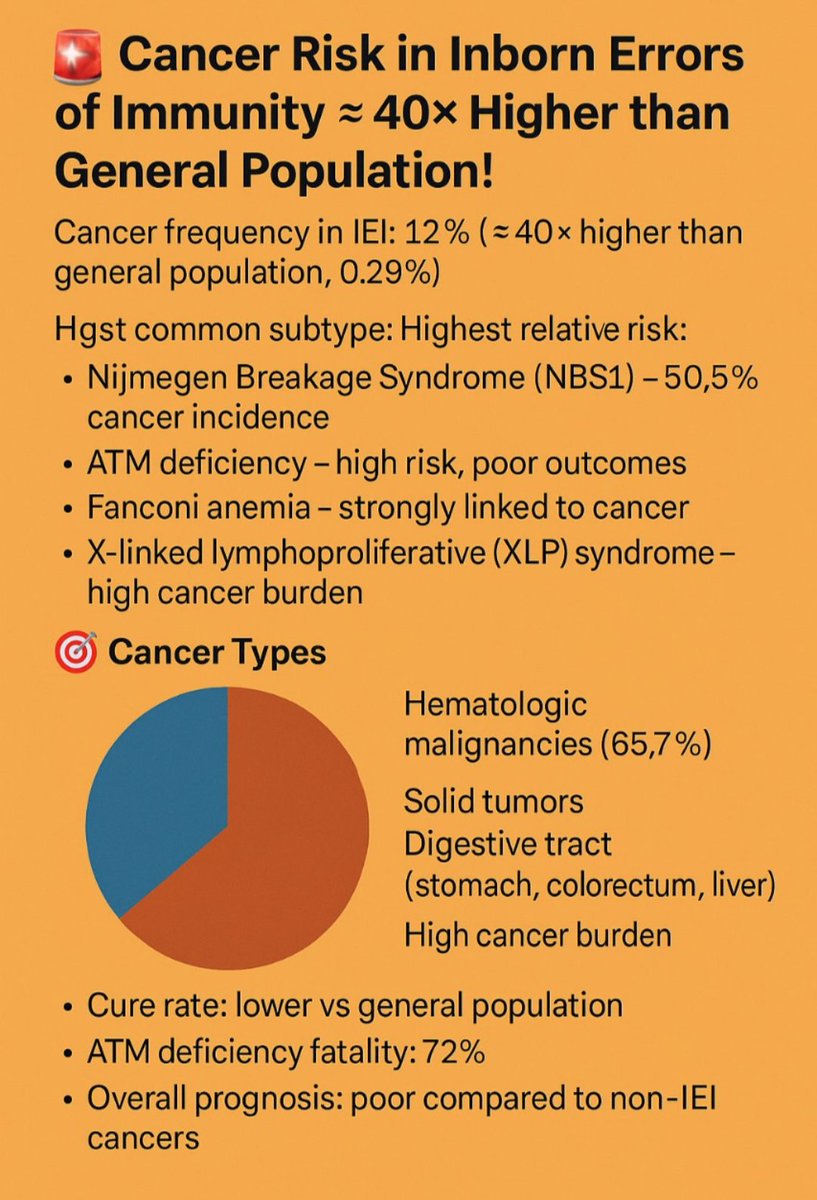
🚨 Cancer Risk in Inborn Errors of Immunity ≈ 40× Higher than General Population!
Cancer frequency in IEI: 12% (≈40× higher than general population, 0.29%)
Most common subtype (absolute cases): CVID – 1,284 cases
Highest relative risk:
Nijmegen Breakage Syndrome (NBS1) – 50.5% cancer incidence
ATM deficiency – high risk, poor outcomes
Fanconi anemia – strongly linked to cancer
X-linked lymphoproliferative (XLP) syndrome – high cancer burden
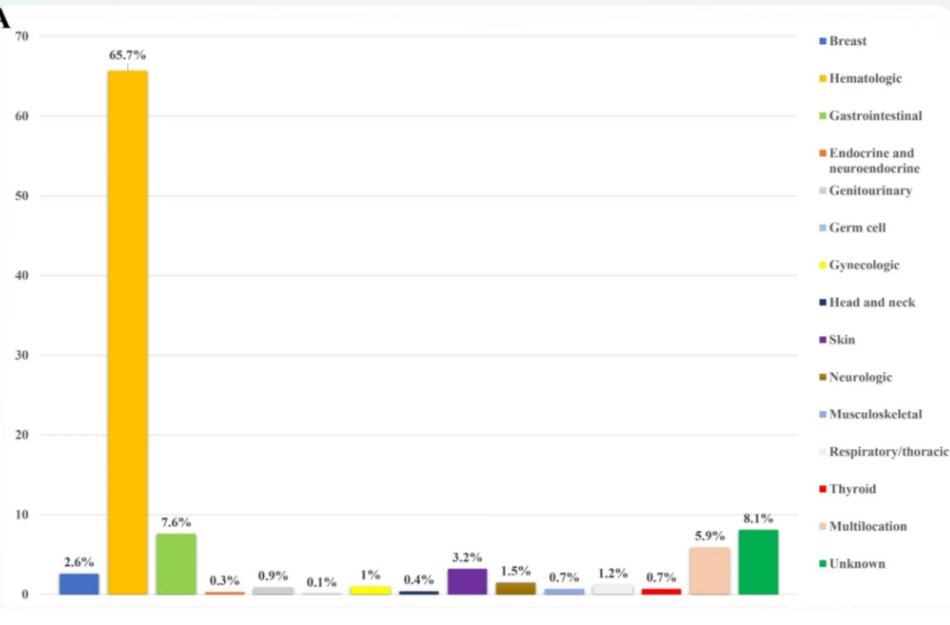
🎯 Cancer Types
Hematologic malignancies (65.7%)
Most frequent: Diffuse Large B-cell Lymphoma (DLBCL)
Solid tumors:
Digestive tract (stomach, colorectum, liver) most common
Cure rate: lower vs general population
ATM deficiency fatality: 72%
Overall prognosis: poor compared to non-IEI cancers.
Systematic Review and Meta-Analysis. J Clin Immunol 45, 34 (2025). doi.org/10.1007/s10875…
@oncodaily @NatImmunol @CImmunobiology @ESMO_Open


English
Dr B.S.Bhati BSB 🇮🇳 retweetledi

@BSBaiims We would like to inform you that your post has been published on OncoDaily.com. Thank you for sharing.
oncodaily.com/voices/bhoor-s…
English
Dr B.S.Bhati BSB 🇮🇳 retweetledi

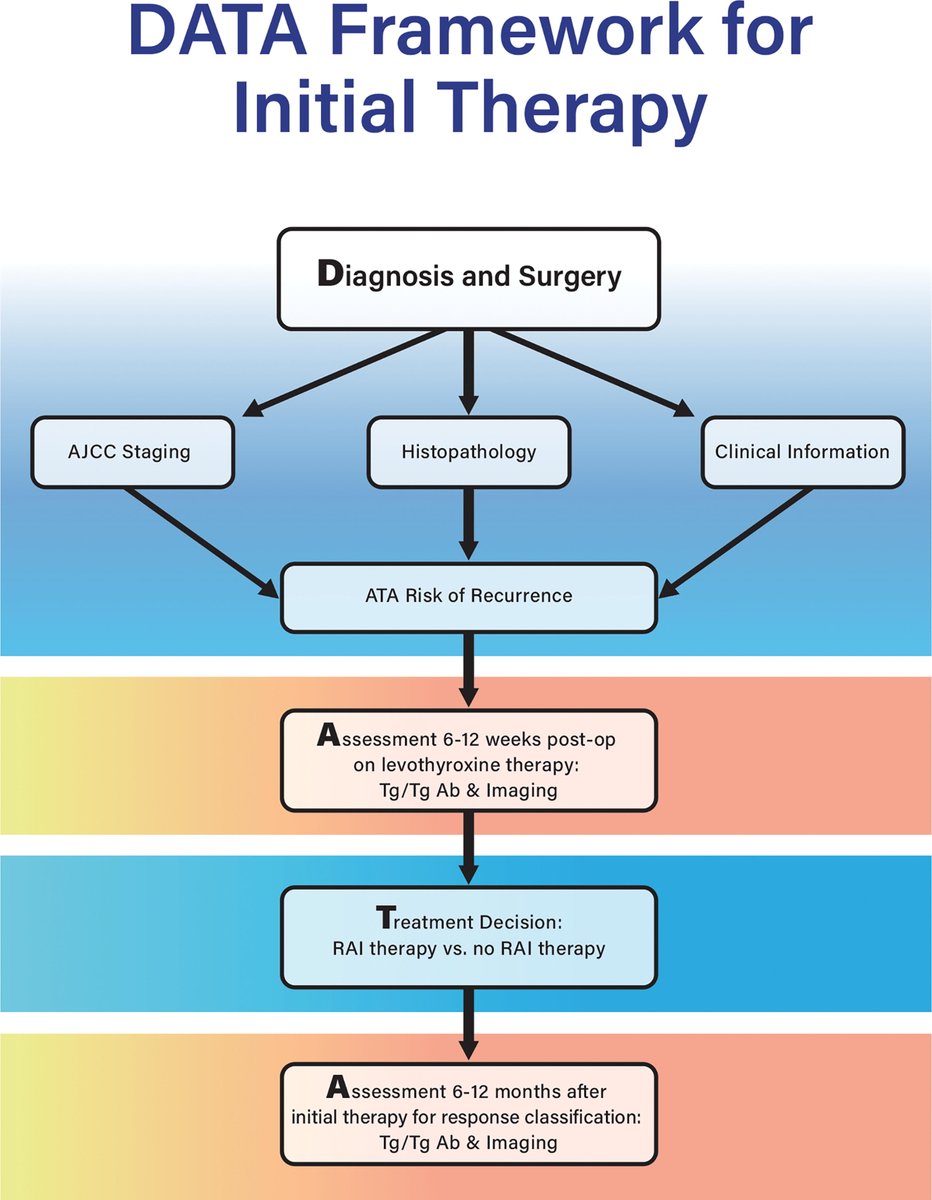
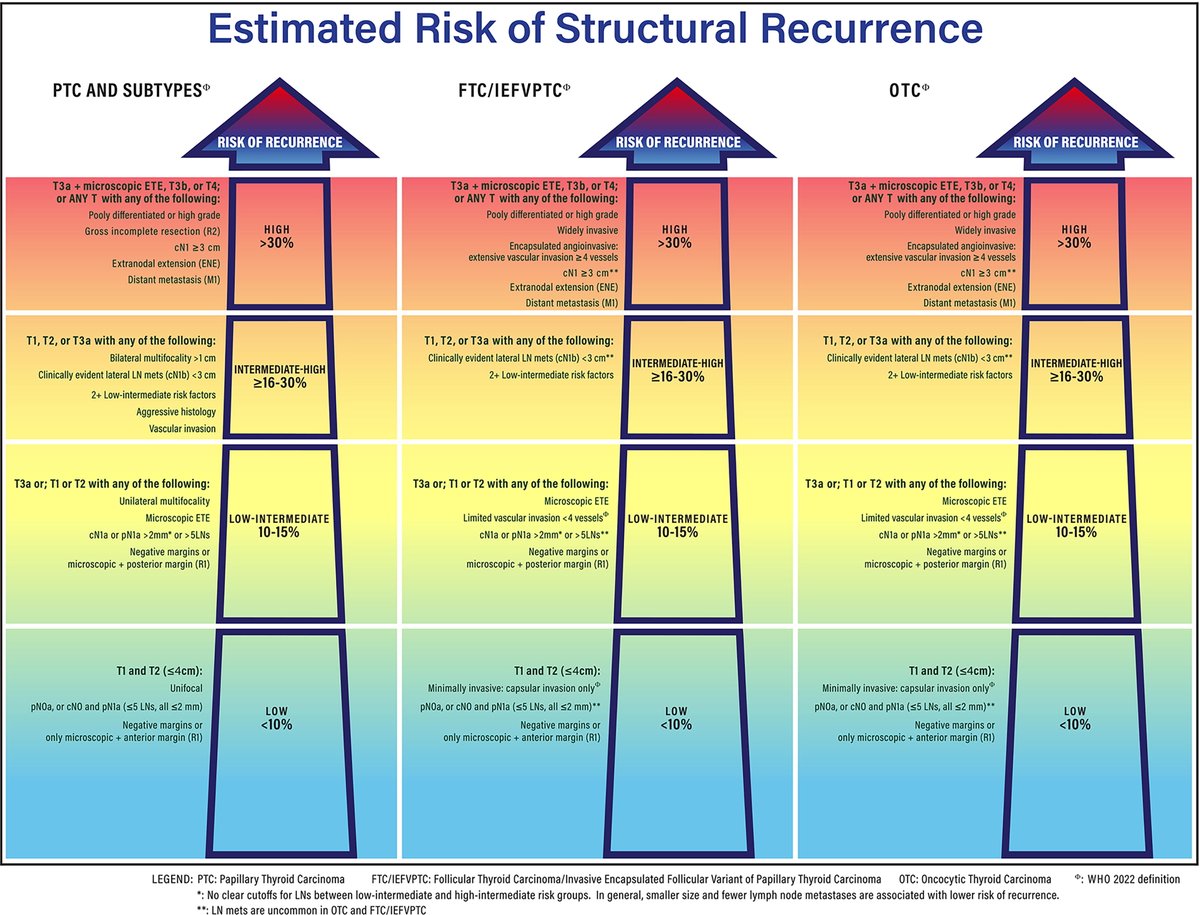
🚨 The 2025 ATA Guidelines for Differentiated Thyroid Cancer mark the first major update in a decade, emphasizing:
🔹 Active surveillance for low-risk patients
🔹 Less aggressive surgery
🔹 Smarter, individualized follow-up
📖 Read more: liebertpub.com/doi/10.1177/10…


English

“New HER2 ADC Shows Promise Beyond T-DM1 — But Can It Match T-DXd?”
🚨 HER2+ mBC Update
📊 Phase 3 (N=224, China)
🔹 Trastuzumab Pamirtecan (BNT323/DB-1303) vs T-DM1
✅ Significant PFS benefit → primary endpoint met
❓ Why vs T-DM1, not T-DXd?
👉 Trial designed when T-DM1 was global 2L standard
👉 Regulatory path in China still required T-DM1 comparator
🌍 Next: HR+ mBC (DYNASTY-Breast02)
✨ New HER2 ADC contender, but true test will be vs T-DXd
#Oncology #BreastCancer #ADC
@Annals_Oncology @myESMO @BreastCancerNow @ASCO @oncodaily

English

🩸 AIHA in CLL
📊 Incidence & Types
Overall incidence: 5–10% of CLL patients.
Warm AIHA (WAIHA): ~70–80%
Cold Agglutinin Disease (CAD): ~20–25%
DAT-negative AIHA: ~5–10% (challenging diagnosis; false negatives possible).
🔬 DAT Testing in AIHA
DAT (Coombs test) detects immunoglobulin and/or complement bound to RBCs.
Typical findings:
Warm AIHA: DAT positive for IgG (± C3d).
CAD: DAT positive for C3d only (IgM fixes complement, usually washes off).
Mixed-type AIHA: DAT positive for both IgG + C3d.
DAT-negative AIHA: Clinical AIHA but standard DAT negative → enhanced DAT (flow cytometry, cold LISS wash, polybrene, anti-IgA/IgM testing) often reveals low-affinity or non-IgG autoantibodies.
📌 Clinical note: DAT positivity alone ≠ hemolysis (can persist despite clinical remission). Always correlate with Hb, reticulocytes, LDH, haptoglobin, bilirubin.
⚕️ Management Approach
1. Warm AIHA (most common)
First-line: Steroids (Pred 1 mg/kg/day, taper) ± Rituximab.
Second-line: Rituximab monotherapy, R-CVP, cyclophosphamide, azathioprine, mycophenolate, splenectomy.
Relapsed/Refractory (RR): Move to CLL-directed therapy (BTKi, Venetoclax).
2. Cold Agglutinin Disease (CAD)
DAT: C3d positivity only.
Supportive care: avoid cold, warmed transfusions.
First-line systemic: Rituximab (ORR ~50%), steroids less effective.
RR cases: Rituximab–fludarabine (toxic), sutimlimab (C1s inhibitor, trials).
Splenectomy: Ineffective (destruction is hepatic).
3. DAT-Negative AIHA
DAT: Negative by routine testing, but enhanced DAT can detect low-affinity IgG, IgA, or warm IgM.
Approach: Treat clinically identical to WAIHA.
Management: Steroids ± Rituximab remain cornerstone.
🔑 When to Consider CLL-Directed Therapy
Indication: Refractory or relapsed AIHA despite steroids/immunosuppression.
BTK inhibitors (ibrutinib, acalabrutinib, zanubrutinib):
Modulate immune microenvironment (Tregs, cytokines).
Control AIHA even without marrow clearance.
Often used after steroid/ritux failure.
Venetoclax ± Rituximab:
Potent cytoreduction → reduces autoantibody production.
Particularly effective in refractory AIHA/ITP in CLL.
NCCN/ESMO: Refractory autoimmune cytopenia = CLL therapy indication, even without iwCLL progression.
Steroids: Control autoimmunity temporarily.
Rituximab ± IS: Extend responses but relapse common.
BTKi/Venetoclax: Address underlying CLL clone → break relapse cycle.

English

The OlAnCa trial suggests that short-course olanzapine can improve appetite in advanced cancer, but several pitfalls limit its interpretation. The study enrolled a mixed solid-tumor cohort without stratification by cancer type or chemosensitivity, so it remains unclear which tumors truly benefit; improvements may simply reflect disease response in chemosensitive cancers, since concurrent palliative therapy was allowed but not rigorously analyzed. Cachexia is a chronic process evolving over months, yet follow-up was only 4 weeks, too short to meaningfully assess body composition or functional outcomes. Results rely heavily on a single subjective ESAS item, showed discordance with ACS at 4 weeks, and were confounded by high attrition and per-protocol shrinkage. The trial was single-center (Egypt), raising concerns about generalizability, and safety signals (anemia, leukopenia, hyperglycemia, CNS effects) were more frequent than in prior antiemetic studies. Finally, there was no active comparator (e.g., megestrol or steroids), making it difficult to position olanzapine against current standards. Overall, the trial provides an important signal for rapid short-term appetite benefit, but questions remain about durability, cancer-specific benefit, and real-world applicability.
English

🍽️ Turning “no appetite” into “pass the plate” with olanzapine
📝 JNCCN 2025 | OlAnCa trial | DB RCT | n=164 | Cairo Univ
🔑 Trial essentials
• 🌐 Incurable solid tumors + cachexia
• 🎲 Randomized: Olanzapine 5 mg QHS vs placebo
• 🎯 Primary: Appetite (ESAS-Anorexia) @ 1 wk
📊 Results
🍴 Appetite ↑ more with olanzapine (–2 vs –1; p=0.003)
⚖️ ≥5% weight gain: 14% vs 0% (p=0.008)
😀 QoL (FAACT-ACS) improved
💪 BUT ↓ handgrip strength (–2.8 kg) & ↑ grade ≥3 anemia/leukopenia
💡 Takeaway
Olanzapine 5 mg = rapid appetite & weight gains in cachexia — but ⚠️ safety & durability remain open questions.
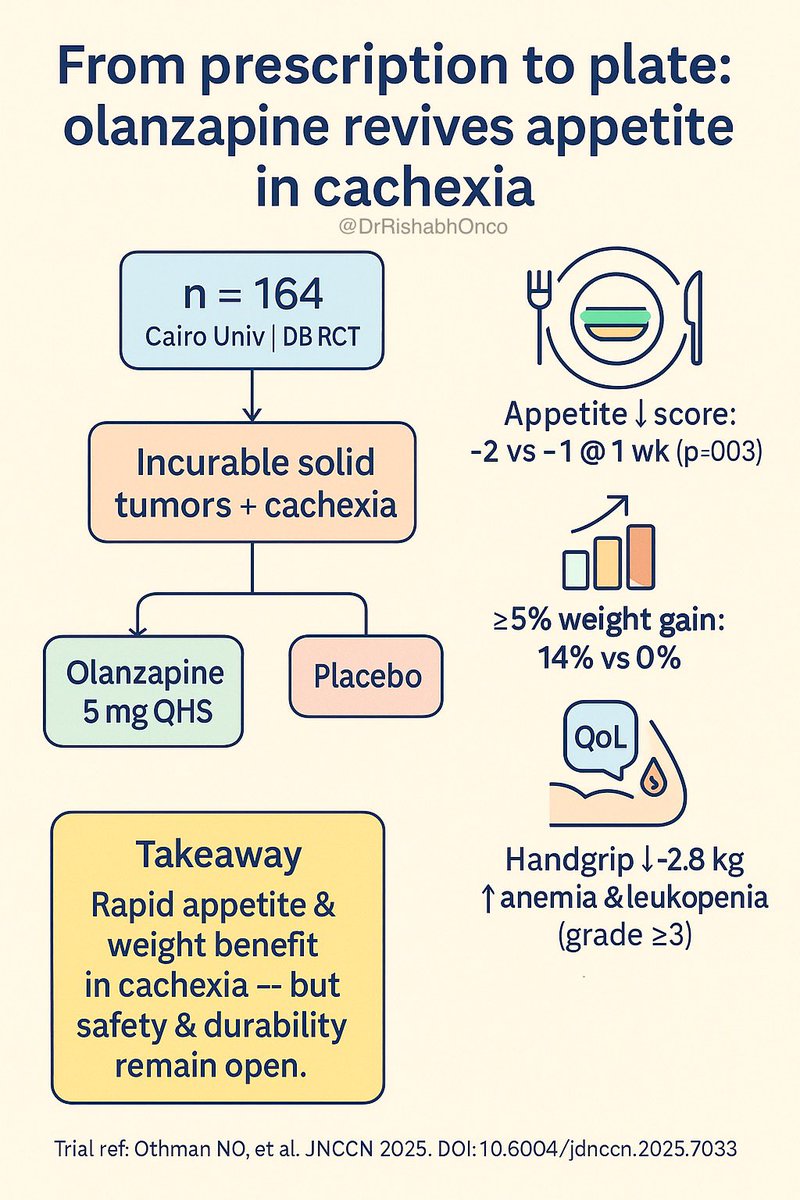
📓Othman NO, et al. JNCCN. 2025;23(9):385–392.
🔗DOI: jnccn.org/abstract/journ…
#OncoTwitter #MedTwitter #PalliativeCare #Cachexia
@OncoAlert @myesmo @asco @JNCCN

English

#oncosnapshots
Subcutaneous Panniculitis-Like T-Cell Lymphoma (SPTCL)
1. Epidemiology
Very rare form of peripheral T-cell lymphoma (~<1% of all NHL).
Median age: ~30 years (younger adults, also children/adolescents).
Female predominance (F:M ≈ 2:1).
2. Etiology / Pathogenesis
Derived from α/β T cells (almost always CD8+ cytotoxic).
Characterized by infiltration of subcutaneous adipose tissue by malignant T cells → mimics panniculitis.
Associated with autoimmune disorders (e.g. SLE, Sjögren’s, dermatomyositis).
~20% may develop hemophagocytic lymphohistiocytosis (HLH) — poor prognostic factor.
Genetics: No pathognomonic recurrent mutation, but clonal TCR gene rearrangements are demonstrable.
3. Clinical Presentation
Painful, indurated subcutaneous nodules/plaques on extremities, trunk, buttocks.
B symptoms: fever, weight loss, night sweats common.
HLH features: cytopenias, hepatosplenomegaly, high ferritin, hypertriglyceridemia.
Skin-only disease most common, but systemic spread rare.
4. Diagnosis
Biopsy (deep incisional/excisional, including subcutis).
Histology: lobular panniculitis-like infiltrate of atypical lymphocytes rimming adipocytes; karyorrhexis, fat necrosis.
Immunophenotype:
CD3+, CD8+, TCR α/β+, granzyme B+, perforin+.
Negative: CD4, CD56, TCR γ/δ (helps distinguish from aggressive γ/δ T-cell lymphoma, which has worse prognosis).
Molecular: TCR clonality by PCR confirms diagnosis.
Differential diagnosis: lupus panniculitis, cytophagic histiocytic panniculitis, other cutaneous lymphomas.
5. Management
NCCN (2025, T-cell Lymphomas) & ESMO (2023)
Indolent course in many, especially without HLH.
First-line:
Immunosuppressive therapy: corticosteroids, cyclosporine, methotrexate.
Often effective in disease control.
Chemotherapy: CHOP-like regimens (limited benefit, often not needed unless aggressive disease).
HLH or aggressive disease: multi-agent chemotherapy ± allo-HSCT in selected cases.
6. Prognosis
Generally favorable compared to other PTCLs.
5-year OS: ~80–90% (if no HLH).
With HLH: OS drops dramatically (<50%).
Poor prognostic features: presence of HLH, systemic symptoms, high LDH.
#lymphoma #OncoTwitter #oncolo
@Annals_Oncology @lymphoma @lymphomahub @myESMO

English