Brian Scott

2.2K posts

Brian Scott

Brian Scott

@BSCoach42

Jack of All Trades Master of None. Life Coach. About asking the right question.

Katılım Ocak 2023
182 Takip Edilen415 Takipçiler
Brian Scott
Brian Scott@BSCoach42·
@FutureAZA Agreed, doesn't mean they can't become a niche market. They will not be the giant they are today. My guess they're buoghtout for brand loyalty, like other brands already.
English
0
0
0
8
Brian Scott
Brian Scott@BSCoach42·
@FutureAZA 100% possible if the U.S. and Japan can keep competitive EV brands out of their markets for at least 10 years. ICE could survive until 2040 in at least those two markets. Hopefully not, but possible if current politics continue.
English
2
0
1
54
Brian Scott
Brian Scott@BSCoach42·
@VraserX Who is agreeing to divide their companies into billions of single shares to give 1 to everyone on the planet? Why would any company agree to this?
English
0
0
0
1
VraserX e/acc
VraserX e/acc@VraserX·
“You will own nothing and be happy” only sounds dystopian because today ownership is protection against scarcity. But if AI makes transport, housing, healthcare, education and services abundant, owning less could mean less debt, less maintenance and more freedom. The danger is not owning fewer things. The danger is not owning a share of the machines that create abundance. Would you still fear owning less if access, security and freedom became universal?
VraserX e/acc tweet media
English
19
4
28
1.5K
Brian Scott
Brian Scott@BSCoach42·
@VraserX I know you want to keep money, so everyone on the planet gets equal shows of all companies & they pay a divided for everyone to live off? How is that going to work?
English
0
0
0
10
VraserX e/acc
VraserX e/acc@VraserX·
Sam Altman is right. People will always find something to do. But most of today’s work will either become light oversight, checking AI agents for an hour or two a day, or get fully automated by humanoid robots with very little human supervision. The real question is not purpose. It is ownership. Universal Capital Ownership is how everyone benefits.
English
31
8
118
7.4K
Brian Scott
Brian Scott@BSCoach42·
Agreed, layers will keep building. Here’s the factor you’re not applying… AI isn’t another hammer or the internet, it’s a new workforce. It’ll be faster, cheaper, less make mistakes. Today it’s just reaching a real level to worker. In the next 0-5 years new companies will explode, anyone that wants to build a company, alone, will never need to higher a single other person to build an empire. Anything that isn’t physical labor, one person will replace all other humans with a team of AI, working 24/7 for a fraction of cost. This isn’t a doomer outlook, it’s a reality outlook of greed. China is implementing businesses can’t train AI to replace workers, only augment to make them more efficient. This will stretch out how long it takes, but starts the no need to hire new employees. If everyone wanted to run their own company, we would be great. The don’t. I’m working with someone that their company is struggling because people can’t afford their services. They are willing to learn how to use AI, but only see it as another tool to help write marketing. They can’t see how much more it can be. The young will adapt faster, but the most generations will lose jobs faster then they can learn the new reality. An Expert cheaper, faster, never resting workforce is coming.
English
0
0
0
28
Daniel Jeffries
Daniel Jeffries@Dan_Jeffries1·
AI will create more jobs than any other technology in history. The doomers' fundamental error isn't just the lump of labor fallacy. It's deeper than that. They assume a finite problem space. This is the fundamental error of AI and job doomers. They look at the economy and see a fixed amount of work to be done, a pie that can only be sliced thinner as machines take bigger bites. They see humans a competitive resource for a finite amount of work and a finite amount of problems to solve that must be eliminated. This is fundamentally, totally and completely wrong. The pie isn't fixed. It never was. And the reason it isn't fixed is baked into the very nature of technology itself. Technology is nothing but abstraction stacking. And abstraction stacking is infinite. Therefore the work is infinite. The hammer didn't reduce the amount of work. It moved the work up the stack. And the new work was more complex, more varied, and more interesting than the old work. Complexity breeds more complexity and more variety. Once you have houses instead of mud huts, you have a cascade of new problems that didn't exist before. Plumbing. Wiring. Insulation. Roofing materials that don't rot. Drainage systems so the foundation doesn't flood. Fire codes so your neighbor's bad wiring doesn't burn down the whole block. Each of those problems becomes a job. A plumber. An electrician. An insulator. A roofer. A civil engineer. A building inspector. None of those jobs existed when we lived in mud huts. They exist because we solved the mud hut problem. Think of all of human technological development as a stack of abstraction layers, each one built on top of the ones below it. At the bottom: raw survival. Finding food. Building shelter. Making fire. These are the base-layer problems. Each major technology wave solved a base-layer problem and in doing so created an entirely new layer of problems above it: Agriculture solved "how do we reliably eat?" — and created problems of land ownership, irrigation, crop rotation, storage, trade, taxation, and governance. Writing solved "how do we remember things across generations?" — and created problems of literacy, education, record-keeping, law, bureaucracy, and literature. The printing press solved "how do we spread knowledge at scale?" — and created problems of intellectual property, censorship, journalism, publishing, public opinion, and democratic discourse. The steam engine solved "how do we generate mechanical power without muscles?" — and created problems of factory design, worker safety, urban planning, railroad engineering, coal mining, labor relations, and environmental pollution. Electricity solved "how do we deliver energy anywhere?" — and created problems of grid design, power generation, appliance manufacturing, electrical safety codes, utility regulation, and an entire consumer electronics industry. The Internet solved "how do we connect all human knowledge?" — and created problems of cybersecurity, digital privacy, online commerce, content moderation, network infrastructure, cloud computing, social media dynamics, and an entire digital economy that employs tens of millions. Notice the pattern? Each solution didn't just solve a problem. It created an entirely new problem space that was larger, more complex, and more varied than the one it replaced. The stack grows. It never shrinks. It's turtles all the way down and all the way up.
English
247
340
1.4K
147.1K
Brian Scott
Brian Scott@BSCoach42·
Today we can solve homelessness and starvation, we don’t. Why? Greed Unless greed is dealt with on a foundational level, cheap intelligence, cheaper energy, robots, doesn’t equal Abundance (for all). It provides greater ease to the consolidation of resources. Unless we move away from monetary systems & personal value based on how much you’ve earned in those systems, “abundance” will not be for all.
English
3
2
6
84
Dr Singularity
Dr Singularity@Dr_Singularity·
Abundance (for all) is the obvious destination once intelligence gets cheap, energy gets cheaper, robots start doing real work, and computation keeps compounding. We will get there soon.
English
29
42
317
9.3K
Brian Scott
Brian Scott@BSCoach42·
This is generalizing an issue to create a different problem. How many different situations only require the same exact answer? Even in math there are different ways to calculate the same result. Trying to limit rigid answers would break AI, not improve it. We need to make sure the answers make sense, not parroting what you or any one person thinks is the only answer. You’re correct judgement & challenging AI are necessary & valuable. Again, that’s not exclusive to AIs, and that’s the real problem. People generally except answers from sources they trues, without question. We need to question, not except what makes us emotionally feel good. AI is only 1 more source of answers, it shouldn’t be considered absolute. No source should be.
English
0
0
2
119
Mark Cuban
Mark Cuban@mcuban·
I’m coming to the conclusion that the biggest challenge for Enterprise AI, and AI in general , as of now, is that it’s still impossible to make sure that everyone gets the same answer to the same question, every time. Which is a great response to the doomers. AI doesn’t know the consequences of its output. Judgement and the ability to challenge AI output is becoming increasingly necessary, and valuable. Which makes domain knowledge more valuable by the second. Am I wrong ?
English
1.9K
447
6.2K
1.5M
Brian Scott
Brian Scott@BSCoach42·
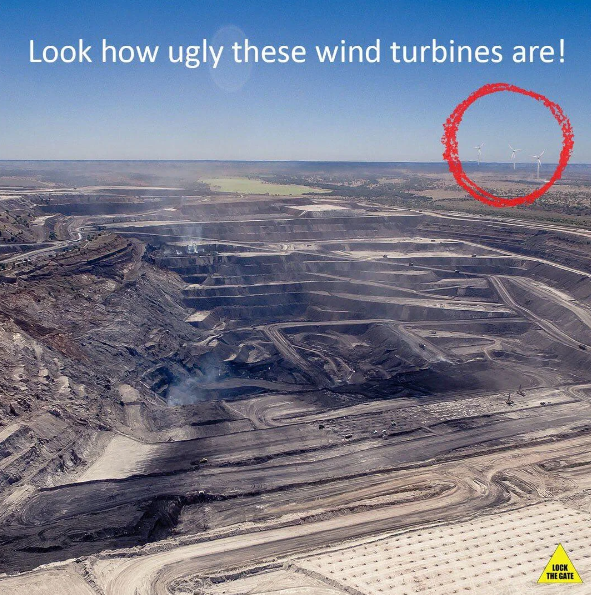
@FutureAZA Don’t forget they are the reason people are getting cancer.
English
0
0
1
40
FutureAzA
FutureAzA@FutureAZA·
Getting real sick of all these windmills ruining my view.
FutureAzA tweet media
English
252
1.6K
35K
388.8K
Brian Scott
Brian Scott@BSCoach42·
@JessieChimni @FutureAZA A minor change could be using the same material they use for the Cybercab, to replace the stainless panels. Otherwise I think only a new "normal" truck body is needed.
English
0
0
1
18
Brian Scott
Brian Scott@BSCoach42·
The problem with Capitalism or every current/past system is they are based on limited resources. Today we can overproduce food & housing. We don’t because profit is more important than feeding or keeping people in homes. Greed, it’s what truly makes the world go round. If we want to change, go to a Star Trek reality, it’s about eliminating money. A true “shares in upside”, means getting the benefits without investing. It’s changing how we evaluate people’s worth, including our own. It would mean if you want to be a chief & open a restaurant, you find a location, order supplies & equipment, it all shows up free. You put out an open sign and people come eat for free. You do it for the joy of cooking for others, not for a living. This is a fundamental change. As long as we keep money, poverty & rich exists. We judge each other off what we have. Can say “I worked harder, they should work harder.” Society gives very little value unless something earns money. We look up to stars, but down on singers scraping by because they’re “wasting their lives”. In truth luck dictates which musicians starve, waste their lives, & which become ideals for people to envy. “Sharing” I would support is a socialist/communist idea. It’s going to fail because it keeps money as the foundation everything is valued on. If abundance is truly the goal, it’s about changing from monetary systems to valuing service/hobby/activity actions. Star Trek isnt about sharing the wealth, it’s about doing what you value & sharing that with others. Being a police officer to protect, firefighter to save, singer, dancer, politician, not for pay, but to truly make a difference & add value to the world for value sake. It’s a foundational needed change if we want an abundance based future.
English
0
0
2
9
VraserX e/acc
VraserX e/acc@VraserX·
Sam is right. UBI is just a safety net. Collective ownership is the real play. In the AI age, people shouldn’t get pocket money from the machine. It should be “the robots work and everyone shares the upside.”
English
57
5
122
4K
Brian Scott
Brian Scott@BSCoach42·
@elonmusk No that's how people starve because they never get to play because they never had cards.
English
4
0
18
331
Elon Musk
Elon Musk@elonmusk·
This is how an economy actually works
Brivael Le Pogam@brivael

Elon Musk avait dit un truc qui m'avait marqué sur l'allocation de ressources. En substance : passé un certain niveau de richesse, l'argent n'est plus de la consommation, c'est de l'allocation de capital. Cette phrase change tout. L'économie, dans le fond, c'est juste un problème d'allocation. Tu as des ressources finies et des usages infinis. Qui décide où va quoi ? Imagine une cour de récré. 100 enfants, des paquets de cartes Pokémon distribués au hasard. Tu laisses faire. Très vite, un ordre émerge. Les bons joueurs accumulent les cartes rares, les collectionneurs trient, les négociateurs trouvent des deals. Personne n'a planifié. Et pourtant chaque carte finit dans les mains de celui qui en tire le plus de valeur. Le système maximise le bonheur total de la cour. C'est ça, la main invisible. Maintenant fais entrer la maîtresse. Elle trouve ça injuste. Léo a 50 cartes, Tom en a 3. Elle confisque, redistribue, impose l'égalité. Trois effets immédiats. Les bons joueurs arrêtent de jouer, à quoi bon. Les mauvais n'ont plus de raison de progresser, ils auront leur part. Les échanges s'effondrent. La cour est égale, et morte. Elle a maximisé l'égalité, elle a détruit le bonheur. Le problème de la maîtresse, c'est qu'elle ne peut pas avoir l'information que la cour avait collectivement. C'est le problème du calcul économique de Mises, formulé en 1920. L'URSS a essayé de le résoudre pendant 70 ans avec le Gosplan. Résultat : pénuries, queues, effondrement. Pas parce que les Soviétiques étaient bêtes, parce que le problème est mathématiquement insoluble en mode centralisé. Quand Musk a 200 milliards, il ne les consomme pas, il les alloue. SpaceX, Starlink, Neuralink, xAI. Chaque dollar est un pari sur le futur. Et lui a un track record. PayPal, Tesla, SpaceX. Il a démontré qu'il sait identifier des problèmes immenses et y allouer des ressources avec un rendement spectaculaire. L'État aussi a un track record. Hôpitaux qui s'effondrent, éducation qui décline, dette qui explose, services publics qui se dégradent malgré des budgets en hausse constante. Le marché identifie les bons allocateurs, la politique identifie les bons communicants. Le profit n'est pas une finalité, c'est un signal. Il dit : tu as alloué des ressources rares vers un usage que les gens valorisent suffisamment pour payer. Plus le profit est gros, plus la création de valeur est grande. Quand Starlink est rentable, ça veut dire que des millions de gens dans des zones rurales ont enfin internet. Quand un ministère est en déficit, ça veut dire qu'il consomme plus qu'il ne produit. L'un crée, l'autre détruit, et on appelle ça redistribution. Dans nos sociétés il y a deux catégories d'acteurs. Les entrepreneurs et les bureaucrates. L'entrepreneur prend un risque personnel pour identifier un problème, mobiliser des ressources, créer une solution. S'il se trompe il perd. S'il a raison, ses clients gagnent, ses employés gagnent, ses fournisseurs gagnent, l'État collecte des impôts. Il est la cellule de base du progrès humain. Le bureaucrate ne prend aucun risque personnel. Son salaire est garanti. Au mieux il maintient une rente existante. Au pire il la détruit par excès de réglementation, mauvaise allocation forcée, incitations perverses qui découragent ceux qui produisent. Mais dans aucun cas il ne crée. Regarde les 50 dernières années. iPhone, internet civil, SpaceX, Tesla, Google, Amazon, Stripe, mRNA, ChatGPT. Toutes des inventions privées, portées par des entrepreneurs, financées par du capital risque. Pas un seul ministère n'a inventé quoi que ce soit qui ait changé ta vie au quotidien. La France est devenue le laboratoire mondial de la dérive bureaucratique. 57% du PIB en dépenses publiques, record absolu. Une administration tentaculaire, une fiscalité qui pénalise la création de richesse. Résultat : décrochage face aux États-Unis, à l'Allemagne, à la Suisse. Fuite des cerveaux. Désindustrialisation. Dette qui explose. Et le pire c'est que la mauvaise allocation s'auto-renforce. Plus l'État prélève, moins les entrepreneurs créent. Moins ils créent, moins il y a de base fiscale. Plus l'État s'endette et taxe. Boucle de rétroaction négative parfaite. La maîtresse pense qu'elle aide, et chaque année la cour produit moins. Dans nos sociétés, ce sont les entrepreneurs, toujours, qui font avancer la civilisation. Les bureaucrates au mieux maintiennent une rente, au pire la détruisent. Aucune société n'a jamais progressé en taxant ses créateurs pour subventionner ses gestionnaires. La question n'est jamais qui a combien. C'est qui alloue le mieux la prochaine unité de ressource pour maximiser le futur de l'humanité. La réponse depuis 200 ans n'a jamais changé. Ce ne sont pas les fonctionnaires.


English
5.6K
18.4K
130.3K
79.9M
Brian Scott
Brian Scott@BSCoach42·
A few issues with your example. 1. Your only talking about consumers not entrepreneurs. No kid created anything, was just able to gain more of the resources. You incorrectly assume the kid with the most cards got them by being the best. Could have stolen, cheated, bullied. 2. How many packs were given out? Some kids never get to try winning because they never get a card. So a kid loans cards out takes 1 card for every 5 cards won. Ends up with most cards because bad luck happens. Starts taking lunches for cards, kids with no cards starve trying to play, kids with many cards eat all they want. Card loaning banker didn't use skill to gain cards, used others bad luck. Teacher is just trying to keep as many children from starvation as they can. Never has enough resources to. Those with all the cards they never won a game to get, let other children die from greed. Say they should have worked harder. Even if some never had a card to try their luck. Governments fail from greed & corruption, not good intentions. Russia failed for 70 years because greed & corruption, they kept more then they shared. Ultra rich oligarchs. France, same. USA, same. History shows the rich keep more & more until the poor can't live anymore. Revolution, start over, greed ruins system, rinse repeat. Entrepreneurs introduce create new resources, they don't shuffle the same old cards. Lenders/investors didn't get there because they worked harder then everyone else, but off others hard work. That's reality.
English
0
0
3
131
Brivael Le Pogam
Brivael Le Pogam@brivael·
Elon Musk avait dit un truc qui m'avait marqué sur l'allocation de ressources. En substance : passé un certain niveau de richesse, l'argent n'est plus de la consommation, c'est de l'allocation de capital. Cette phrase change tout. L'économie, dans le fond, c'est juste un problème d'allocation. Tu as des ressources finies et des usages infinis. Qui décide où va quoi ? Imagine une cour de récré. 100 enfants, des paquets de cartes Pokémon distribués au hasard. Tu laisses faire. Très vite, un ordre émerge. Les bons joueurs accumulent les cartes rares, les collectionneurs trient, les négociateurs trouvent des deals. Personne n'a planifié. Et pourtant chaque carte finit dans les mains de celui qui en tire le plus de valeur. Le système maximise le bonheur total de la cour. C'est ça, la main invisible. Maintenant fais entrer la maîtresse. Elle trouve ça injuste. Léo a 50 cartes, Tom en a 3. Elle confisque, redistribue, impose l'égalité. Trois effets immédiats. Les bons joueurs arrêtent de jouer, à quoi bon. Les mauvais n'ont plus de raison de progresser, ils auront leur part. Les échanges s'effondrent. La cour est égale, et morte. Elle a maximisé l'égalité, elle a détruit le bonheur. Le problème de la maîtresse, c'est qu'elle ne peut pas avoir l'information que la cour avait collectivement. C'est le problème du calcul économique de Mises, formulé en 1920. L'URSS a essayé de le résoudre pendant 70 ans avec le Gosplan. Résultat : pénuries, queues, effondrement. Pas parce que les Soviétiques étaient bêtes, parce que le problème est mathématiquement insoluble en mode centralisé. Quand Musk a 200 milliards, il ne les consomme pas, il les alloue. SpaceX, Starlink, Neuralink, xAI. Chaque dollar est un pari sur le futur. Et lui a un track record. PayPal, Tesla, SpaceX. Il a démontré qu'il sait identifier des problèmes immenses et y allouer des ressources avec un rendement spectaculaire. L'État aussi a un track record. Hôpitaux qui s'effondrent, éducation qui décline, dette qui explose, services publics qui se dégradent malgré des budgets en hausse constante. Le marché identifie les bons allocateurs, la politique identifie les bons communicants. Le profit n'est pas une finalité, c'est un signal. Il dit : tu as alloué des ressources rares vers un usage que les gens valorisent suffisamment pour payer. Plus le profit est gros, plus la création de valeur est grande. Quand Starlink est rentable, ça veut dire que des millions de gens dans des zones rurales ont enfin internet. Quand un ministère est en déficit, ça veut dire qu'il consomme plus qu'il ne produit. L'un crée, l'autre détruit, et on appelle ça redistribution. Dans nos sociétés il y a deux catégories d'acteurs. Les entrepreneurs et les bureaucrates. L'entrepreneur prend un risque personnel pour identifier un problème, mobiliser des ressources, créer une solution. S'il se trompe il perd. S'il a raison, ses clients gagnent, ses employés gagnent, ses fournisseurs gagnent, l'État collecte des impôts. Il est la cellule de base du progrès humain. Le bureaucrate ne prend aucun risque personnel. Son salaire est garanti. Au mieux il maintient une rente existante. Au pire il la détruit par excès de réglementation, mauvaise allocation forcée, incitations perverses qui découragent ceux qui produisent. Mais dans aucun cas il ne crée. Regarde les 50 dernières années. iPhone, internet civil, SpaceX, Tesla, Google, Amazon, Stripe, mRNA, ChatGPT. Toutes des inventions privées, portées par des entrepreneurs, financées par du capital risque. Pas un seul ministère n'a inventé quoi que ce soit qui ait changé ta vie au quotidien. La France est devenue le laboratoire mondial de la dérive bureaucratique. 57% du PIB en dépenses publiques, record absolu. Une administration tentaculaire, une fiscalité qui pénalise la création de richesse. Résultat : décrochage face aux États-Unis, à l'Allemagne, à la Suisse. Fuite des cerveaux. Désindustrialisation. Dette qui explose. Et le pire c'est que la mauvaise allocation s'auto-renforce. Plus l'État prélève, moins les entrepreneurs créent. Moins ils créent, moins il y a de base fiscale. Plus l'État s'endette et taxe. Boucle de rétroaction négative parfaite. La maîtresse pense qu'elle aide, et chaque année la cour produit moins. Dans nos sociétés, ce sont les entrepreneurs, toujours, qui font avancer la civilisation. Les bureaucrates au mieux maintiennent une rente, au pire la détruisent. Aucune société n'a jamais progressé en taxant ses créateurs pour subventionner ses gestionnaires. La question n'est jamais qui a combien. C'est qui alloue le mieux la prochaine unité de ressource pour maximiser le futur de l'humanité. La réponse depuis 200 ans n'a jamais changé. Ce ne sont pas les fonctionnaires.
Français
3.3K
16.5K
61.8K
81.5M
Brian Scott
Brian Scott@BSCoach42·
Great theory. Reality, who do you think is getting those jobs? Do you think it’s their first choice? They wake up thinking “Ya I’ll take one of the worse jobs I can at the lowest pay I can get, YA!!” Maybe if we give people better education, train from grade school trade skills. But that isn’t going to help for long. As robotics gets better the better more skilled jobs will be taken. We have to change society & start valuing people & ourselves more than the job they have. Because if AI & robotics truly take over, few will be more then the hobbies they choose.
English
1
0
4
180
Pascal Bornet
Pascal Bornet@pascal_bornet·
There are many jobs people fear AI will take. Scrubbing toilets is not one I feel compelled to defend. That is what struck me about the Zerith H1. It is a wheeled humanoid robot designed to clean hotel bathrooms and public spaces, handling the kind of work most people are happy to avoid: toilets, showers, sinks, floors, restocking. And honestly, this is one of the clearest examples of where robotics makes immediate sense. Because this is not glamorous work. It is repetitive. It is physically exhausting. It is chemical-heavy. And in many places, it is hard to staff consistently even though it is essential for everyone’s comfort. That is why I think this matters. If robots can take over the most draining, unpleasant, and low-value parts of these jobs, the real opportunity is not just efficiency. It is dignity. It is the chance to move people away from the most punishing tasks and into roles that are safer, more stable, and more human. → less physical strain → less exposure to harsh chemicals → more consistency in essential services → more room for people to do work where judgment and care matter more To me, this is one of the few areas where the AI debate becomes refreshingly clear. Not every job should be handed to a machine. But some tasks probably should. And toilet cleaning is making a very strong case. Is this the kind of job robots should take first? #AI #Robotics #Automation #FutureOfWork #Innovation #Hospitality #Technology #SmartCleaning #HumanoidRobots
English
177
155
581
82.3K
Brian Scott
Brian Scott@BSCoach42·
I have a 2016, only gets 200 mpc, it’s a little to short. Rented a model 3 with 325 mpc, was great. With Tesla planning the trip most stops are 10-15 min stops every 2 1/2 - 3 hours. Usually enough time to stretch, bathroom break, quickly eat. Most stops the car was ready to go before we were. Does it really take 5 mins? No. Now, time how long putting gas in for total stop. Start timer from turning on blinker to get off freeway, to blinder getting back onto freeway up to speed. Add a lap for at the pump. Add a lap if you move the car to go in or do you leave the car pumping? Stops take much longer than 5 mins. Unless you’re trying to get there in record time, don’t take bathroom breaks, don’t have kids or pets, the trip is marginally longer. Far more enjoyable.
English
0
0
6
699
Collin Rutherford
Collin Rutherford@collin_ruth89·
@nahuelhilal @Tesla I’m thinking about a Tesla but my biggest concern is that I drove from Buffalo to Florida and back every year. Does charging really only take 5 mins now?
English
64
1
42
96.1K
Nahuel Hilal - TattooGuy
Nahuel Hilal - TattooGuy@nahuelhilal·
Yesterday I drove my @tesla 900 miles on FSD from Miami to Nashville and I realized it’s genuinely the better option. I fly that route 2 to 3 times a month. Flights are never under $400. Most times $600. Sometimes $800. Add Uber to and from both airports, or parking garage fees. Then factor in the delays, the cancellations, the security theater, the chaos, the guy next to you who hasn’t met deodorant yet. On the other hand: I pack healthy snacks, press one button, and the car just goes. I took calls. Replied to emails. FaceTimed my family. Ate without pulling over. Did everything I normally do on a travel day, except none of the stuff that makes travel days miserable. My biggest concern going in was range and charging. Here’s what actually happened: My bladder needed one extra stop the car didn’t even suggest. Most charging stops were under five minutes. Total cost for the whole trip was less than just the uber to the airport. And this was the base model Y. Now I’m thinking I should get something comfier and just make this the default.
GIF
English
1K
1.1K
15K
5.2M
Brian Scott
Brian Scott@BSCoach42·
@PeterDiamandis Who's buying these? Individuals can't send them to work for them. Businesses 100% will replace human workers asap. Abundance 100% for business, not for individuals. The K economy will just get worst.
English
0
0
5
104
Peter H. Diamandis, MD
Peter H. Diamandis, MD@PeterDiamandis·
A humanoid robot will cost us $30K and works 24/7 for $0.40/hour. A solar panel generates electricity for 3 cents/kWh. What exactly is the argument that we CAN'T create abundance?
English
1.1K
378
4.3K
249.6K
Brian Scott
Brian Scott@BSCoach42·
We could wipe out homelessness, starvation today, why not? Greed. How does AI/robotics change greed? Abundance to who? Capitalism doesn't look fondly on handouts, which is what Elon's UHI would be. How do we change our attitudes about "lazy people should work for a living", "living off hard working people"?
English
0
0
0
15
Pierre Ferragu
Pierre Ferragu@p_ferragu·
We’ve reached abundance. Questions: 1. Do you want the federal government handling income distribution? 2. Everyone gets a penthouse? who lives downstairs, and who gets the sea view? Abundance is exciting, but how economy, society & government work under it is still TBD.
Elon Musk@elonmusk

Universal HIGH INCOME via checks issued by the Federal government is the best way to deal with unemployment caused by AI. AI/robotics will produce goods & services far in excess of the increase in the money supply, so there will not be inflation.

English
91
12
130
17.7K
DogeDesigner
DogeDesigner@cb_doge·
"Things will just be free in the future. Sounds nuts, but if you've got an AI or robotics economy that is anywhere close to million times the size of the current Earth economy, literally any need you possibly want can be met. If you can think of it, you can have it" 一 Elon Musk
English
1.8K
2.1K
7K
1.1M
Brian Scott
Brian Scott@BSCoach42·
@elonmusk @Not_the_Bee Who's logging or mining for free to build the penthouses? The property owners give everything away for free? You provide the AI/robots for free to go logging? Something breaks you replace it for free? Who is doing this?
English
0
0
0
50
Elon Musk
Elon Musk@elonmusk·
Actually, AI/Robotics will mean everyone can have a penthouse if they want. The output of goods & services will be several orders of magnitude higher than today’s economy. Read the Iain Banks Culture books for the best imagining of how it will be. That said, what is the future you want? Amazing abundance seems the best to me.
English
4.7K
2.3K
12.9K
3.3M
Elon Musk
Elon Musk@elonmusk·
Universal HIGH INCOME via checks issued by the Federal government is the best way to deal with unemployment caused by AI. AI/robotics will produce goods & services far in excess of the increase in the money supply, so there will not be inflation.
English
46.4K
22.5K
194.9K
69.3M
Brian Scott
Brian Scott@BSCoach42·
Great theory, a reality check. How do you deal with greed? We can over produce now. The reality of current poverty, homeless, starvation, was solved years ago. Greed stops it. Today companies are more productive then ever, become more productive. Executives get 1000x, 10000x workers. They people actually doing the work, fight to get raises. AI & robots only move greater % to profits, not workers. AI won't remove greed. It'll only allow those at the top to up their wages. Look at history. The divid between rich & poor has only increased. Unless AI take over, are taught sharing, enforce sharing (socialism) is not happening. Where in any capitalist society companies give products & money to unemployed/homeless, so they spend money on that company. They fight to keep every penny.
English
0
0
0
33
Penny2x
Penny2x@imPenny2x·
99% of people really do not understand abundance as Elon describes it. The fundamental reason is that they don’t understand compound growth. Same people who would probably pick 1 million dollars today over a penny that doubles in value every day for 30 days. It’s a bad choice by the way. You lose out on millions. Imagine if that doubling object was a labor producing robot instead of a penny. Compounding labor. It’s actually crazy if you try and wrap your mind around it. So Elon mentions Universl High Income and the midwits flip a lid. “The elites won’t share” You don’t get it. They won’t need to share. They will make everything so cheap, it is effectively free. Charities will have immense resources to distribute. Unfathomable intelligence will exist to help optimize production and distribution. An unfathomably large labor pool will exist that operates on solar power exclusively. The public work projects that are erected will be unseen before levels of breathtaking. I think we are incredibly blessed to steward this new age of abundance. Can you see it now? Can you see the future?
English
5.1K
2.5K
18.5K
45.7M