BayAlpha

4.9K posts

BayAlpha banner
BayAlpha

BayAlpha

@BayAlphaArt

Artist. Abstract artwork. I like art and tech and will repost artwork and some other interesting stuff. No nonsense. Follow for the art.

Hamburg, Deutschland Katılım Temmuz 2020
741 Takip Edilen355 Takipçiler
BayAlpha retweetledi
Ihtesham Ali
Ihtesham Ali@ihtesham2005·
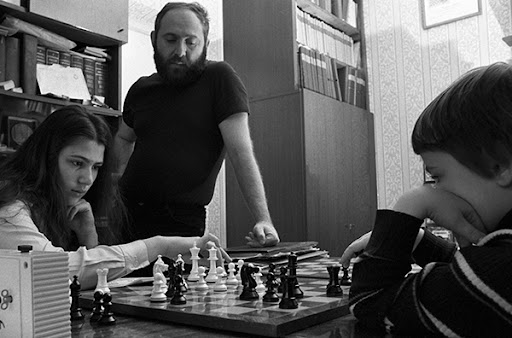
A Hungarian psychologist raised three daughters to prove that any child could become a chess grandmaster through early specialization. He succeeded. Two of them became grandmasters. One became the greatest female chess player who ever lived. Then a sports scientist looked at the data and found something nobody wanted to hear. His name is David Epstein. The book is called "Range." The Polgar experiment is one of the most famous case studies in the history of deliberate practice. Laszlo Polgar wrote a book before his daughters were even born arguing that geniuses are made, not born. He homeschooled all three girls in chess from age four. By their teens, Susan, Sofia, and Judit were dominating tournaments against grown men. Judit became the youngest grandmaster in history at the time, breaking Bobby Fischer's record. The story became the gospel of early specialization. Pick a domain young, drill it hard, and you can manufacture excellence. Epstein opens his book by telling that story honestly and then quietly demolishing the conclusion most people drew from it. Chess works that way. Most things do not. Here is the distinction that took him four years of research to articulate, and that almost nobody who quotes the 10,000 hour rule has ever read. There are two kinds of environments in which humans develop expertise. Psychologists call them kind and wicked. A kind environment has clear rules, immediate feedback, and patterns that repeat reliably. Chess is the cleanest example. Every game ends with a winner and a loser. Every move is recorded. The board never changes shape. The pieces never invent new ways to move. A child who plays ten thousand games will see most of the patterns that exist in the game, and pattern recognition is exactly what chess mastery is built on. A wicked environment is the opposite. Feedback is delayed or misleading. Rules shift. The patterns that worked yesterday may be exactly the wrong patterns to apply tomorrow. Most of the real world looks like this. Medicine is wicked. Investing is wicked. Building a company is wicked. Scientific research is wicked. Almost every job that involves a complex changing system with humans in it is wicked. The Polgar sisters trained in the kindest environment any human can train in. Their success was real and the method was correct. The mistake was generalizing the method to fields where the underlying structure of the environment is completely different. Epstein's research is what made the implication impossible to ignore. He looked at the careers of elite athletes outside of chess and golf and found that the pattern was almost the inverse of what people assumed. The athletes who reached the very top of their sports were overwhelmingly people who had played multiple sports as children, specialized late, and often switched disciplines well into their teens. Roger Federer played squash, badminton, basketball, handball, tennis, table tennis, and soccer before tennis became his focus. The kids who specialized in tennis at age six and trained year-round for a decade mostly burned out, got injured, or topped out at lower levels of the sport. The same pattern showed up everywhere he looked outside of kind environments. Inventors with the most patents had worked in multiple unrelated fields before their breakthrough work. Comic book creators with the longest careers had drawn for the most different genres before settling. Scientists who won Nobel Prizes were dramatically more likely than their peers to be serious amateur musicians, painters, sculptors, or writers. The skill that mattered in wicked environments was not depth in one pattern. It was the ability to recognize when a pattern from one domain applied unexpectedly in another. That kind of thinking cannot be built by drilling a single subject. It can only be built by accumulating mental models from many subjects and learning to move between them. The deeper finding is the one that should change how you think about your own career. Specialists in wicked environments often get worse with experience, not better. Epstein cites studies of doctors, financial analysts, intelligence officers, and forecasters showing that years of experience in a narrow domain frequently produce more confident judgments without producing more accurate ones. The expert builds elaborate mental models that feel comprehensive and turn out to be increasingly disconnected from the actual structure of the problem. They stop noticing what does not fit their framework. They mistake fluency for understanding. Generalists do better in wicked domains for a reason that sounds almost mystical until you understand the mechanism. They have less invested in any single mental model, so they abandon broken models faster. They are used to being a beginner, so they are not threatened by the discomfort of not knowing. They have seen enough different domains that they can usually find an analogy from one field that unlocks a problem in another. The technical name for this is analogical thinking, and the research on it is one of the most underrated bodies of work in cognitive science. The single most useful sentence in the entire book is the one Epstein puts almost as a throwaway. Match quality matters more than head start. A person who tries six different fields in their twenties and finds the one that genuinely fits them will outperform a person who picked one field at fourteen and stuck to it on willpower alone. The lost years were not lost. They were the search process that produced the match. Every field they walked away from taught them something they later imported into the field they finally chose. The reason this is so hard to accept is cultural, not empirical. We tell children to pick a path early. We reward the prodigy who knew at six. We treat the late bloomer as someone who failed to launch on time, when the data suggests they were running an entirely different and often more effective optimization process underneath. The Polgar sisters were not wrong. The conclusion the world drew from them was. If your environment is genuinely kind, specialize early and drill hard. If it is wicked, and almost every interesting human problem is, then the people who win are the ones who refused to specialize until they had seen enough to know what was actually worth specializing in. You are not behind. You were running the right experiment all along.
Ihtesham Ali tweet media
English
209
1.6K
5.8K
455.6K
BayAlpha retweetledi
Anish Moonka
Anish Moonka@anishmoonka·
Grow up watching your parents fight, and by age 12 your brain looks like a soldier's coming home from war. The same alarm circuits keep firing whenever someone gets angry near you. None of these kids were diagnosed with anything. Their brains had already changed. Scientists at University College London scanned 43 kids in 2011. Twenty had documented family violence at home. When the researchers showed them photos of angry faces, the danger-detection parts of their brains fired exactly like they do in combat soldiers. The kids' brains had quietly learned, before they could put it into words, that anger means danger and danger can come from anywhere in the room. That study was about violence. But Martin Teicher's lab at Harvard's McLean Hospital has spent decades showing yelling alone does similar damage. Verbal abuse from parents physically changes the parts of the brain that handle language and sound. The long-term hit on adult mental health is about the same as being hit, or watching one of your parents get hit. And this is common. In 2024, UNICEF estimated 400 million kids under 5, about 6 in 10 globally, regularly face violent discipline at home: yelling, hitting, or both. In a Portuguese study of more than 5,000 ten-year-olds, 57.7% reported a household member regularly shouting or yelling at them. It was the single most common bad thing in their lives. Teicher's team also found that the brain's memory and stress center physically shrinks by about 6% in young adults who were maltreated as kids. Vietnam combat veterans with chronic PTSD show roughly the same drop, about 8%, in the same area. The damage doesn't stay in the lab. The CDC's most recent youth survey linked 89% of teen suicide attempts and 85% of teen suicidal thoughts to bad experiences before age 18. But the same brain that absorbs fear can absorb safety. Romanian orphans moved into stable foster homes recovered real ground. Across decades, Teicher's research has shown that warm, predictable parenting physically builds up the part of the brain that helps a kid stay calm, and quiets the alarm system over time. A child remembers the fights. They also remember who came back to fix things afterward. Both leave a mark.
All day Astronomy@forallcurious

🚨: Brain scans have revealed children living with unstable families (excessive, arguing, abusive and neglectful) have brain changes similar to combat soldiers after active duty

English
29
915
4.5K
560.8K
BayAlpha retweetledi
Matthew
Matthew@Lux1090·
Reading through Reddit threads in which leftists/progressives express their bewilderment/confusion/fury at working class English voters for casting their lot in with Reform, one of the things I'm starting to understand is this: They simply do not understand how a government could help working-class people in any other way besides giving them benefits, handouts, and other free things. Their entire mental architecture is premised upon the premises that 1. Working class people are poor 2. The only way for them to not be poor is for the state to give them free stuff 3. So left-wing parties need to promise them lots of free stuff Then, when these working-class voters instead vote for right-of-centre parties who instead promise an economy in which they can build a career, start their own business, make a financial success of themselves and start a family, they're confused. Because, again, in their mental architecture, what the working class are *supposed* to want is free benefits from the state. But what they *actually* want is a fair shake at making their own way in the world, making money, getting on in life. And the left simply doesn't understand that what these voters want from the state is an economy in which they can actually do this.
English
163
980
6.2K
222.6K
BayAlpha retweetledi
NPCliberator
NPCliberator@NPCliberator·
@avidseries Poverty isn’t the issue . It’s the excuse certain folks use for their shitty behaviors
English

1
3
58
2.8K
BayAlpha retweetledi
Cuffian
Cuffian@CuffianArt·
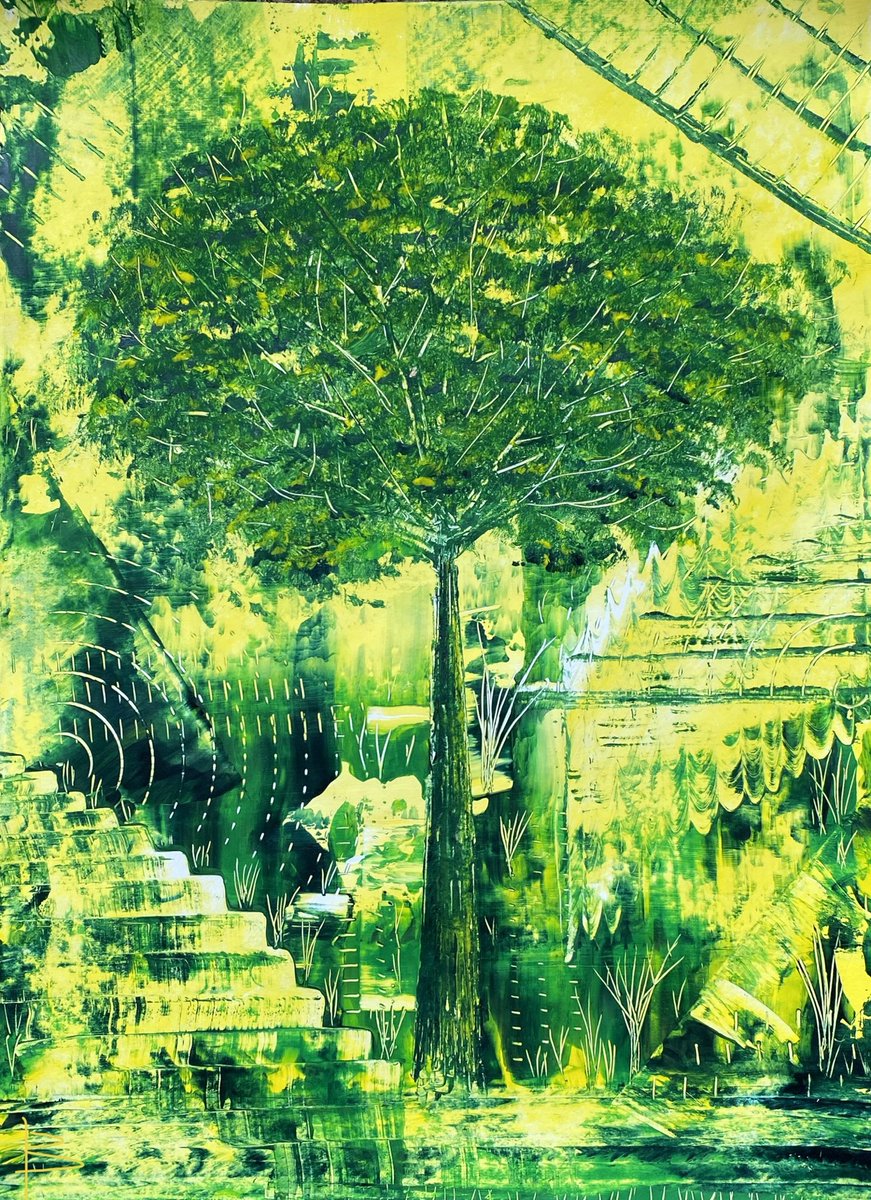
Green Futures 🎨 acrylic painting on paper
Cuffian tweet media
English
9
29
146
1K
BayAlpha retweetledi
Clara
Clara@Claraforsky·
@AugustusBenle Imagine spending 30 years as a poor boy just to find out your wife was a venture capitalist who specialized in 50% exit fees
English
7
23
2.9K
45.5K
BayAlpha retweetledi
Mikko Tyllinen
Mikko Tyllinen@MikkoTyllinen·
" Colorful bouquet " Digital oil painting
Mikko Tyllinen tweet media
English

11
59
852
7.7K
BayAlpha retweetledi
Gracile
Gracile@gracile_jp·
Gracile tweet media
ZXX
0
49
534
9.3K
BayAlpha retweetledi
Raja Nandepu
Raja Nandepu@RajaNandepu·
old one
Raja Nandepu tweet media
English
8
279
3.6K
43.6K
BayAlpha retweetledi
Mario Nawfal
Mario Nawfal@MarioNawfal·
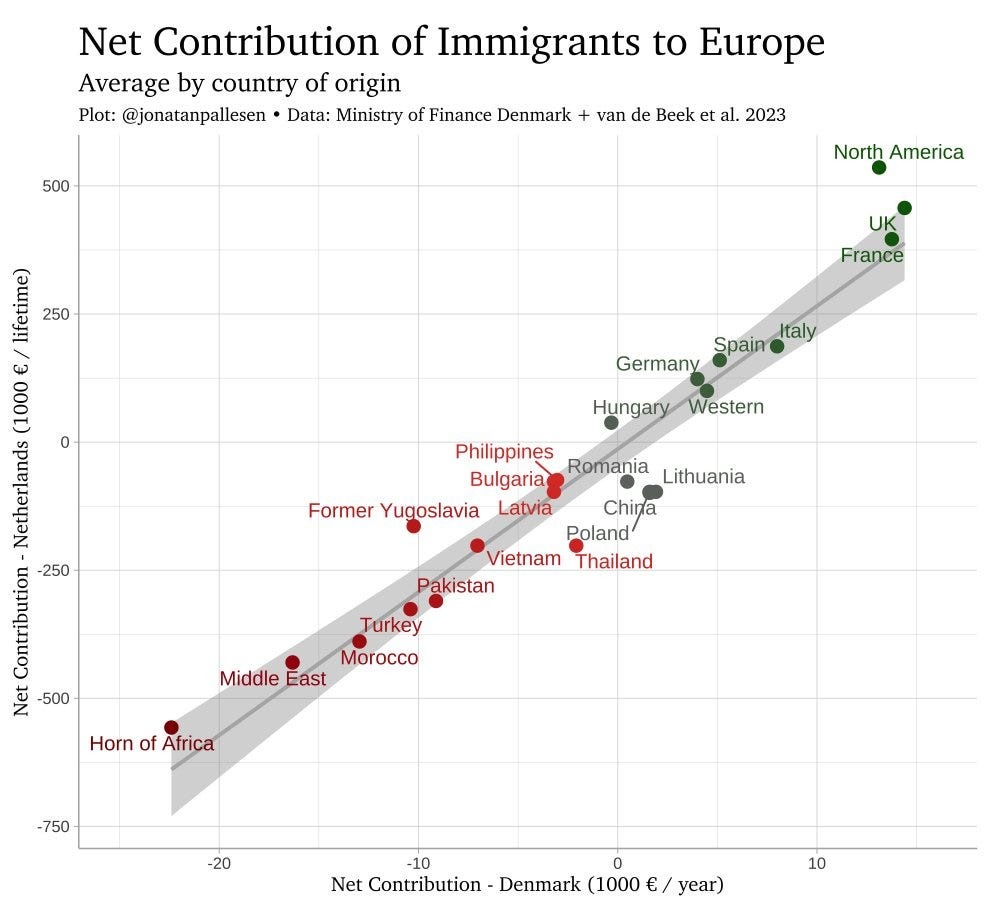
🇫🇮🇸🇴🇮🇶 A Finnish study found a single Somali-born immigrant costs the state €974,000 over their lifetime. That’s roughly equal to the lifetime net contributions of 280 working-age native Finns. For a Middle Eastern asylum seeker, the figure drops to €730,000. The amounts account for taxes paid, welfare received, education, healthcare, and pensions across a full lifetime. A Dutch government study reached nearly identical conclusions independently, putting the Middle East figure at €660,000. Across 3 independent studies in 3 countries, the numbers keep landing in the same place. Source: Suomen Perusta
Mario Nawfal tweet mediaMario Nawfal tweet mediaMario Nawfal tweet media
English
86
940
2.8K
71.3K
BayAlpha retweetledi
Based Jessica
Based Jessica@RealJessica·
Thank you Germany 🇩🇪and Britain 🇬🇧 for sacrificing your economies to save the planet. China appreciates you exporting your manufacturing to provide jobs for their citizens.
Based Jessica tweet media
English
717
9.8K
49.2K
1.2M
BayAlpha retweetledi
Cuffian
Cuffian@CuffianArt·
acrylic painting on card 🎨 12x10”
Cuffian tweet media
English
5
31
171
1.3K
BayAlpha retweetledi
Mikko Tyllinen
Mikko Tyllinen@MikkoTyllinen·
~ The moment before sunset ~ Digital oil painting
Mikko Tyllinen tweet media
English
8
64
624
6.6K
BayAlpha retweetledi
Jan Frøili
Jan Frøili@minioversikt·
@RMXnews "Assaulting her on a park bench and leading her to a secluded bike shed near the Harbour Terminal where he raped her." Common sense = he knew what he did was wrong, why else take her to a secluded bike shed?
English
6
17
848
13.1K
BayAlpha retweetledi
Roman Helmet Guy
Roman Helmet Guy@romanhelmetguy·
@dwarkesh_sp @MorlockP This “consensus” thinking was completely artificial from the start. Ancient sources made it very clear what happened. But modern historians didn’t like it because it didn’t fit their worldview. So they made up elaborate theories of peaceful assimilation. DNA proved them liars.
English
80
621
10.9K
190K