
Sabitlenmiş Tweet
Benjamin
28.7K posts

Benjamin
@BeHumbleWithGod
"Whoever has my commandments and observes them is the one who loves me. And whoever loves me will be loved by my Father" (Jesus of Nazareth, John 14:21).
United States Katılım Mart 2018
1.9K Takip Edilen1.3K Takipçiler
@Metagenetics The Holy Spirit is not divided.
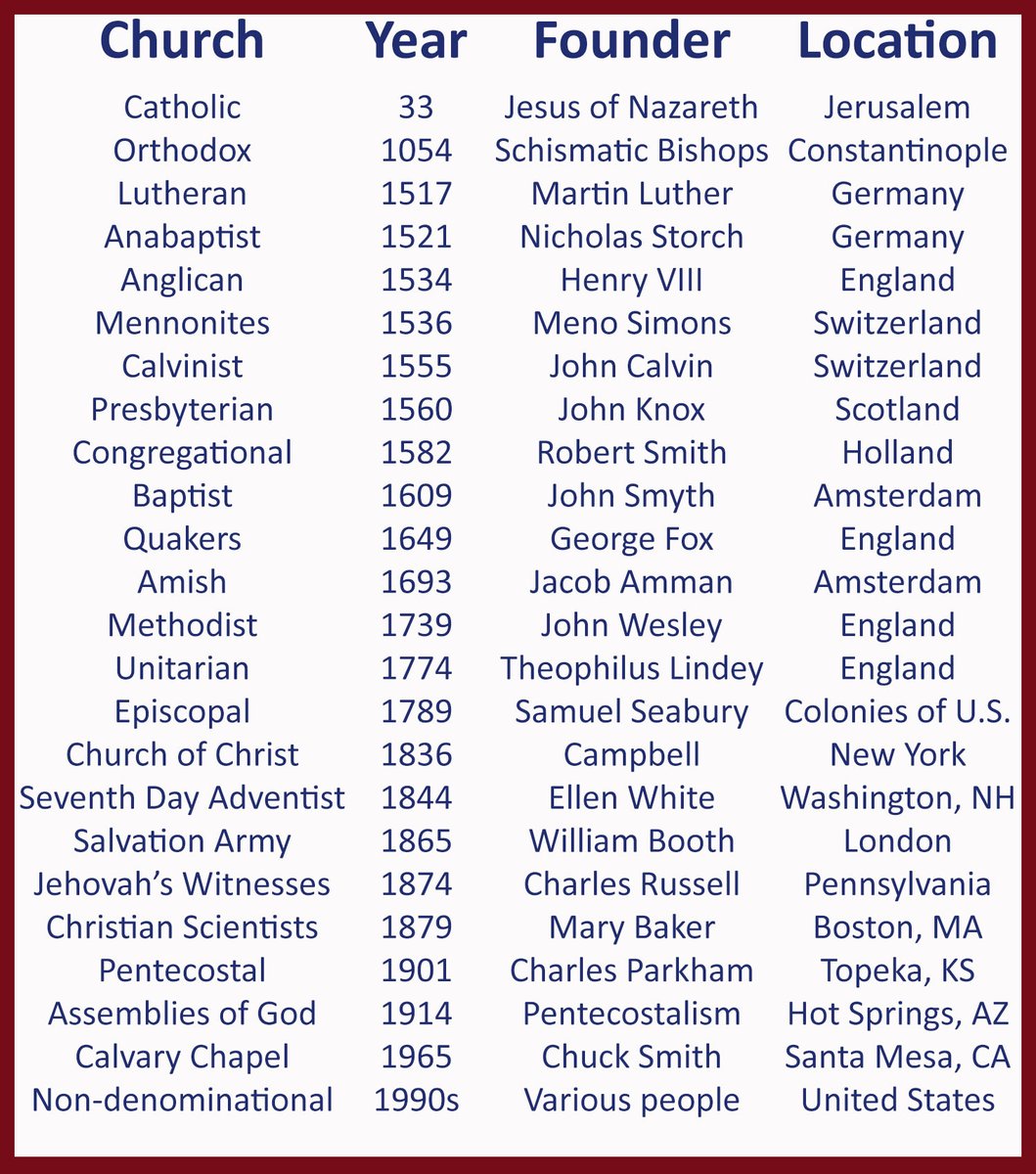
Protestants are divided into thousands of denominations, yet claim to follow only the Bible.
English

Nah man. Sola scriptura means let holy Spirit intepret for each person. Because God wants to talk personally to every people.
Benjamin@BeHumbleWithGod
@BibleInContext1 You left Jesus and his Church because you are full of pride and want to be in charge of Christianity. You have placed yourself above God, disguising your pride as obedience to the Bible.
English
@BibleInContext1 Jesus merited our justification through the forgiveness of sins and the gift of the Holy Spirit. Christians, by God's grace, must live a life of good works. Jesus will judge us by our love of God and neighbor.
Jesus is Lord. The Lord is trustworthy.

English

The Roman Catholic “gospel” is essentially this:
“that Jesus opened the door for you to walk/work towards eternal life!” This is NOT good news and NOT the gospel!
English
@BishopJaxi If all you need is the Bible, why go to Church?
[The Church gave us the Bibe . . . sshhhhh.]
Some people think as Jesus ascended to Heaven, he didn't leave a Church, he dropped Bibles.

English
Protestantism has no mechanism to stop this, because private interpretation is the system.
The logical end of Protestantism is DIY Christianity where isolated narcissists with a study Bible, accountable to no authority beyond their own opinions, appoint themselves as the final authority on Christianity.

English
@rickbrennanjr Trent had to define the doctrine because of the rebellion against the constant teaching about the Eucharist.
Similar to the early Church defining the true nature of Jesus because of the Arians.

English

Yes, Augustine used sacrificial language for the Eucharist. But you need to read him in context. In City of God Book 10, Augustine defines true sacrifice as the offering of ourselves to God through Christ, especially the whole redeemed people of God as one body in Christ. That is why he says the Church’s Eucharistic sacrifice is the daily sacrament/sign of Christ’s true sacrifice, in which the Church, as Christ’s body, learns to offer herself through him.
Look at Letter 98. Here Augustine is even clearer: Christ was offered once for all in his own person, yet is offered daily in the sacrament because sacraments bear the names of the realities they signify. So yes, Augustine believed the Eucharist was sacrificial. But this does not prove the later Tridentine doctrine of the Mass as an unbloody propitiatory sacrifice offered through a ministerial priesthood. Augustine’s emphasis is Christ’s once-for-all sacrifice and the Church’s self-offering through him.
English
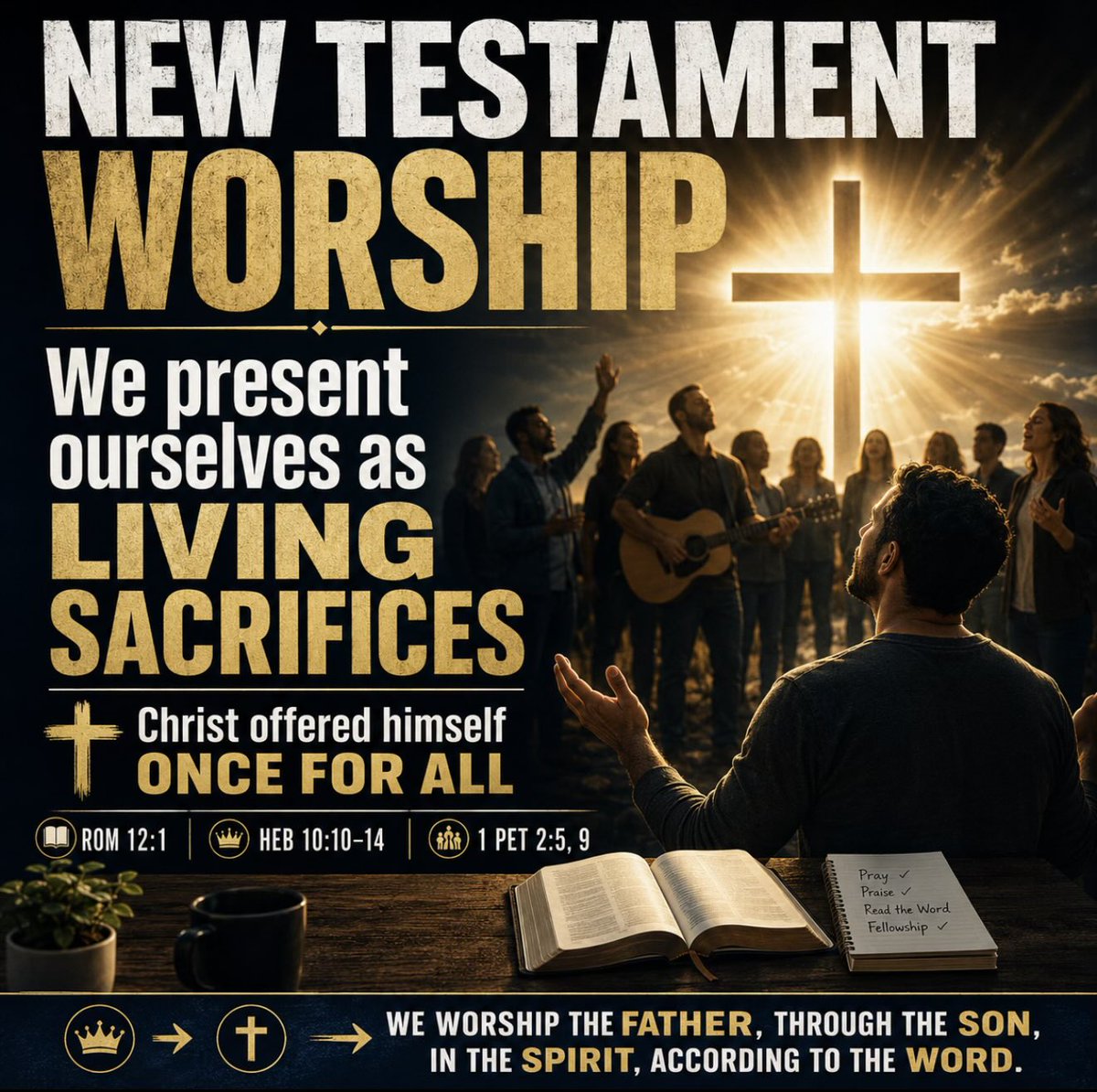
Catholics on X frequently accuse Protestants of not understanding New Testament worship because we do not have the sacrifice of the Mass. But that assumes the very point in dispute, because it reads New Testament worship through the lens of later Roman tradition.
Protestants do understand New Testament worship. We present ourselves to God as living sacrifices, holy and acceptable to him, which the Apostle Paul calls our “spiritual worship” (Rom 12:1). Note, that the offering we bring to our worship services is ourselves—in humble obedience to the almighty God, the creator and sustainer of all things.
Protestants worship Christ through prayer, praise, confession, thanksgiving, the reading and preaching of Scripture, fellowship with the saints, the ordinances Christ gave his Church, and lives of obedience offered to God through Christ.
The New Testament does not reduce worship to an altar, a priestly caste, or a repeated sacrificial rite. Christ offered himself once for all (Heb 10:10–14), opened our access to the Father (Heb 10:19–22), and made his people a royal priesthood who offer spiritual sacrifices acceptable to God through Jesus Christ (1 Pet 2:5, 9).
So yes, Protestants worship the triune God. We offer the sacrifice of praise, love, obedience, and thanksgiving—not to complete Christ’s sacrifice, but because his once-for-all sacrifice is finished. We worship the Father, through the Son, in the Spirit, according to the Word.
HabitualLinestepper@HabitualLinest
@rickbrennanjr @tjsaenzenglish @gavinortlund @WesleyLHuff You don't even know what "worship" in the New Covenant is
English
@rickbrennanjr I read St. Augustine in context. He was a Catholic bishop and taught what the Church teaches today.
English
@TheBasedTrinity @CatholicDrip___ "But they refused to listen; they stubbornly turned their backs and stopped their ears so as not to hear."
Zechariah 7:11
English



This lady 👇 blocked half of America and complains when someone blocks her

English
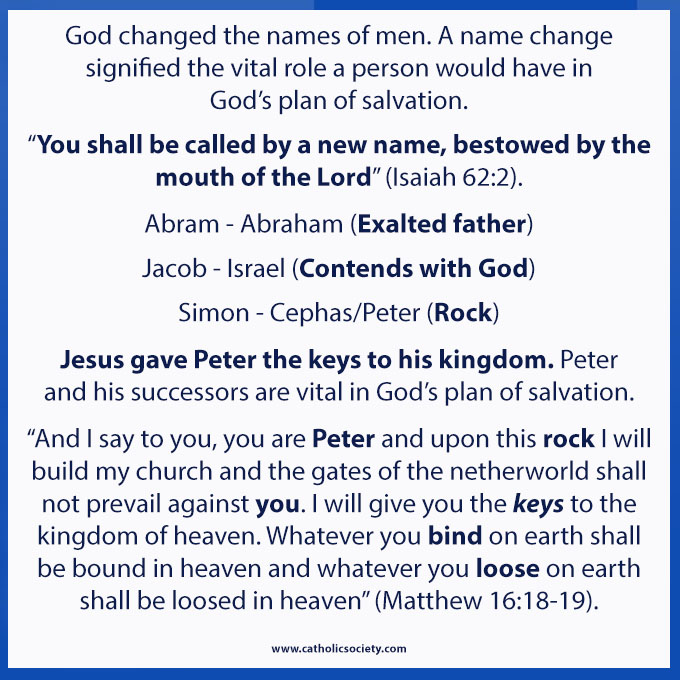
The first Pope abandoned Jesus when he was arrested, denied him three times during his trial, and locked himself in a room with the Apostles, for fear of being crucified.
Jesus still picked Simon, changed his name to Kephas, gave him the keys to his kingdom, gave him the power to bind and loose, and told him to "Feed my sheep."
Pope Leo XIV holds the office of Peter, Chief Steward of the Kingdom of the Messiah.
English

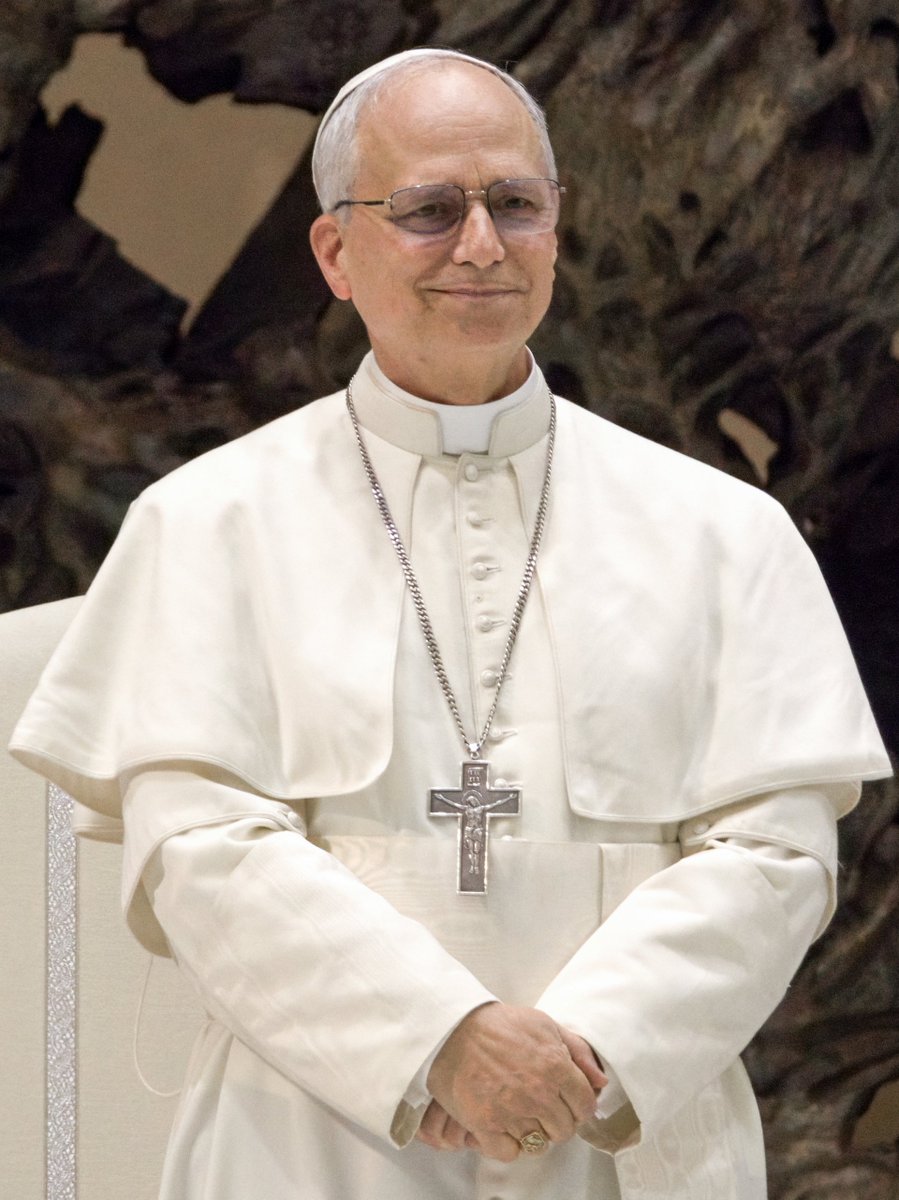
This is the pope
Look how pathetic he looks
Look at his face
Can you believe that this is what Christianity has been reduced to
This kind of man
Jesus would take one look and shield his eyes in embarrassment if he had to look at this pope
English
In Exodus the great act of idolatry was when the Israelites made the Golden Calf and worshipped it as a god. "They got up to play," implies they engaged in orgies.
Thousands of people lost their lives because of this behavior. The many laws God set in place, as recorded in Deuteronomy and Leviticus, were made with the purpose of purifying Israel from these behaviors.
Other acts of idolatry were setting up "altars" to false gods, as you see with King Solomon. Sometimes even babies were sacrificed to these false gods.
Israel was eventually exiled from the Promised Land for these behaviors. If you don't use the land for the worship of God, you lose the land (Pope Benedict XVI).
During the Roman Empire, when Christianity was being persecuted, the Romans were extremely polytheistic. They had temples to their many gods, many times engaging in orgies. St. Augustine wrote about this in, "The City of God."
The pagan Romans blamed Catholic Christians for the fall of Rome, for not engaging in their idolatry. The Romans claimed the Christians unwillingness to worship their gods, caused their gods to no longer protect the Republic.
Catholic Christians overthrew this idolatry and paganism by preaching, teaching and baptizing the nations. The worship of the true living God replaced worship of the false gods.
Today, some Protestants accuse Catholic Christians of idolatry for the doctrine of "Communion of the Saints." This doctrine teaches that within the Body of Christ, which extends from Earth to Heaven, there is an exchange of talents, prayers, grace and life.
Some Protestants today think asking saints to pray for each other and for having days dedicated to people of heroic faith, as acts of idolatry.
Accusing Catholic Christians of idolatry is what happens when you separate yourself from Jesus and his Church. It's what happens when you don't understand the Bible or history.

English
YouTube
QME

@Loial_Ogier @BeHumbleWithGod @HwsEleutheroi @WesleyLHuff The Bible.
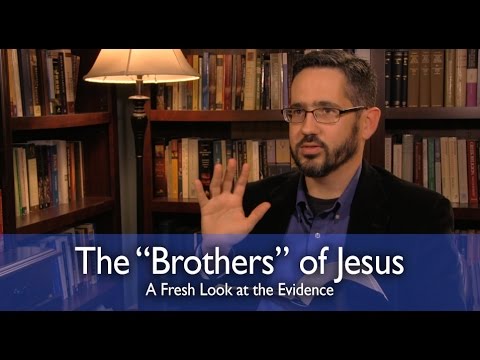
Whereas most of the romish religion says to do a numbered incantations to a fictional virgin (Mary had other kids with Joseph, as it says in the Bible).
Unless you want to use examples other than only blanket statements, you’re making claims based on caricature.
English

Much to consider here. It is interesting to watch @WesleyLHuff getting ravaged for making the very same comments I have made about Rome for 35+ years. It is not a thoughtful response, it is, Rick said, visceral. Non-rational. Driven by emotion.
Pastor Rick Brennan@rickbrennanjr
The Roman Catholic backlash to @gavinortlund and @WesleyLHuff has been instructive. Both men are irenic, careful, and respectful in how they address what they believe are errors in Roman Catholic doctrine. Yet both have drawn deeply personal attacks for their apologetic work. This raises an important question many Protestants are asking: why do thoughtful, respectful critiques of Roman Catholicism often provoke such a visceral response? The visceral reaction many Catholics have when Rome is challenged makes sense once we understand the Roman Catholic system. Rome is not merely one church among others in their theology. It is the visible institution possessing the fullness of the means of salvation, the sacramental economy, the authentic interpretation of Scripture and Tradition, and the Petrine office of universal authority. Therefore, to challenge Rome is not received as a mere doctrinal disagreement. Rather, it is received as an attack on the what they believe is the very structure by which Christ supposedly teaches, governs, absolves, and saves. In contrast, Protestants are less threatened by challenges to a particular church tradition because Protestantism, at its best, does not locate salvation in institutional submission. The Baptist does not need the Baptist church to be indefectible. The Presbyterian does not need every presbytery to be incapable of grave error. The Lutheran does not need Wittenberg to be the necessary center of visible unity. Protestants argue fiercely, but their assurance rests finally in Christ’s finished work received by faith, not in the claim that one visible hierarchy or institution uniquely dispenses the fullness of saving grace. That is the real issue: Rome’s authority claims make historical criticism an existential threat. Protestantism can admit that church history is messy because the visible Church is always in need of reform. Protestants can also recognize ambiguity in the historical record and draw reasoned conclusions that differ from others without collapsing the faith. Rome cannot do this so easily. If too much historical complexity is admitted, Rome’s claim to be the indefectible guardian and interpreter of the apostolic deposit begins to weaken. History must produce clear answers because Rome must show that she has always taught what she now requires believers to confess—whether baptismal regeneration, Eucharistic transubstantiation, or papal supremacy. If the historical record shows change, ambiguity, contradiction, or later accretion rather than apostolic continuity, the entire sacerdotal system is threatened. So when a Roman Catholic lashes out at a protestant theologian or historian who is making an argument that runs counter to the approved narrative, the issue is often deeper than the topic being debated. The Protestant is arguing about history or doctrine. The Catholic may feel that their whole edifice of certainty, grace, authority, and salvation is being pulled down. And in a sense, the Catholic is right to feel critical importance of the stakes. If Rome is wrong about herself, then she is not merely wrong about secondary matters. She is wrong about the very place she has assigned herself between Christ and the believer.
English
In Exodus, the great act of idolatry was when the Israelites made the Golden Calf and worshipped it as a god. "They got up to play," which implies they engaged in orgies.
Thousands of people lost their lives because of this behavior. The many laws God set in place, as recorded in Deuteronomy and Leviticus, were made with the purpose of purifying Israel from these behaviors.
Other acts of idolatry were setting up "altars" to false gods, as you see with King Solomon. Sometimes even babies were sacrificed to these false gods.
Israel was eventually exiled from the Promised Land for these behaviors.
During the Roman Empire, when Christianity was being persecuted, the Romans were extremely polytheistic. They had temples to their many gods, many times engaging in orgies. St. Augustine wrote about this in, "The City of God."
The pagan Romans blamed the Catholic Christians for the fall of Rome, for not engaging in their idolatry. The Romans claimed the Christians unwillingness to worship their gods, caused their gods to no longer protect the Republic.
Catholic Christians overthrew this idolatry and paganism by preaching, teaching and baptizing the nations. The worship of the true living God replaced worship of the false gods.
Today, some Protestants accuse Catholic Christians of idolatry for the doctrine of "Communion of the Saints." Within the Body of Christ, which extends from Earth to Heaven, there is an exchange of talents, prayers, grace and life.
Some Protestants today think asking saints to pray for each other and for having days dedicated to people of heroic faith, as acts of idolatry.
Accusing Catholic Christians of idolatry is what happens when you separate yourself from Jesus and his Church.
English
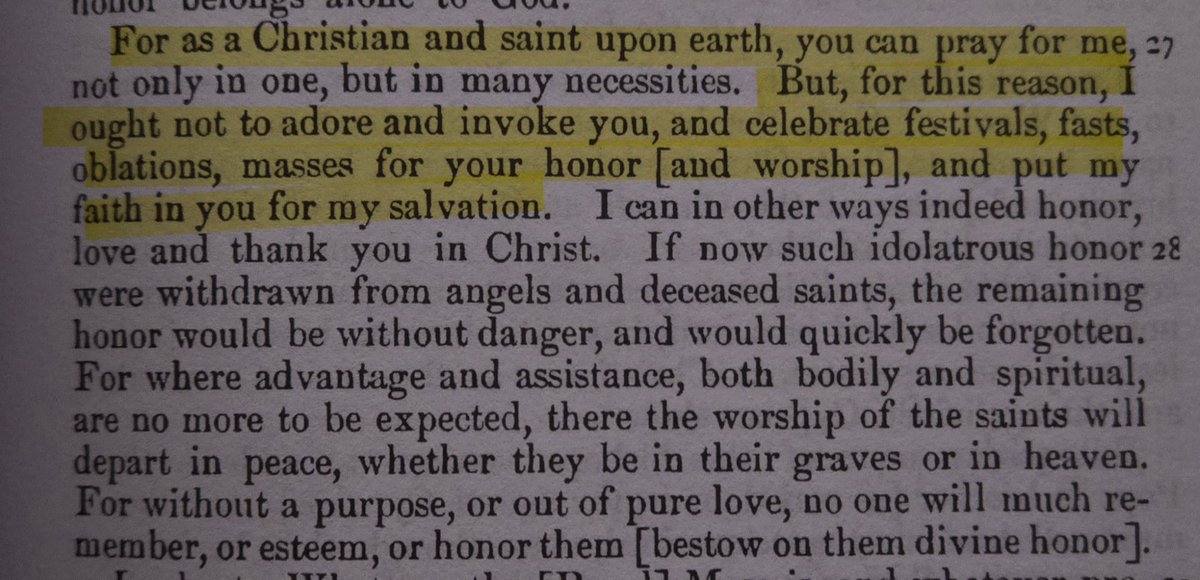
"It's just like asking a neighbor to pray for me"
I don't dedicate a Feast Day to my neighbor and assign him a Justice League superpower.
CleavetoAntiquity@C2Antiquity
Baptist @WesleyLHuff Claims Prayers To The Saints Are IDOLATRY
English
@FrStephenImb "You have no opinion in my eyes. You are a troll . . . read the pope's words carefully troll."
A lot of anger in your mind and heart, even against fellow Catholic Christians.
Very revealing Fr. Imbarrato.
English

I absolutely do not. I guess you would have a problem with Jesus treatment in certain respects of the Pharisees. I don’t even know who you are. You have no opinion in my eyes. You are a troll. Telling me to read the catechism? I am a theologian. What are you. Read the pope’s words carefully troll.
English
Catholic warmongers will go nuts over this one!
“Today, more than ever, without prejudice to the right to self-defense in the strictest sense, it is important to reaffirm that the 'just war' theory, which has all too often been used to justify any kind of war, is now outdated."
-- Pope Leo XIV, Magnifica Humanitas
English
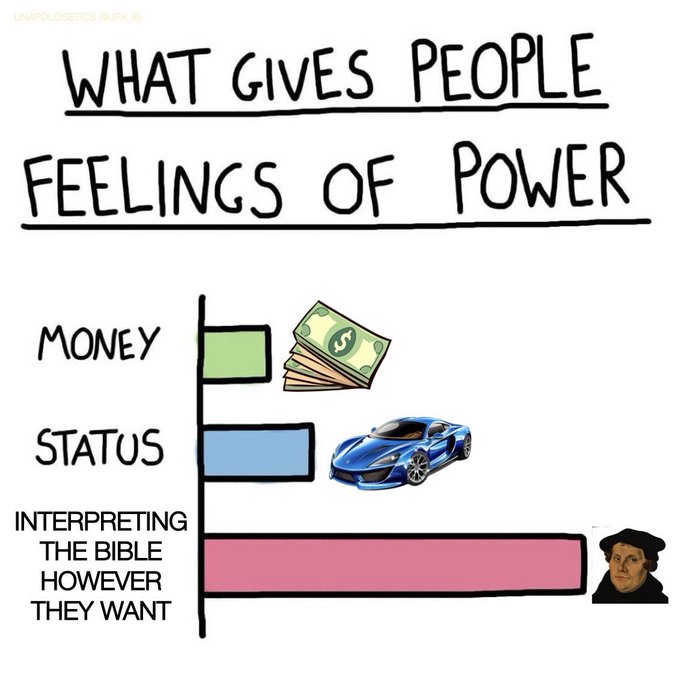
@BibleInContext1 You left Jesus and his Church because you are full of pride and want to be in charge of Christianity.
You have placed yourself above God, disguising your pride as obedience to the Bible.
English
I left the Roman Catholic “Church” because I got saved by the power of the true biblical gospel! I critique & expose Catholic false doctrines because I want to see others come to a saving knowledge and faith in Christ! Rome never saved anyone!
English
@MrCasey62 He is another "Liberty" graduate, like "The Bible in Context."
This "school" is filling people's minds with lies and creating people who hate Jesus and his Church.
English

"Ignorant troll you are"
You need to do some serious introspection Fr. Imbarrato and correct how you communicate with people.
Read the Catechism of the Catholic Church to learn about just defense against an unjust aggressor.
Here is a link to that section: Legitimate Defense
usccb.org/sites/default/…
English
Christ absolutely promoted peace. But just so I can illustrate what an ignorant troll you are, legitimate authorities have a "moral obligation," not just a right, to protect those entrusted to their care from unjust aggressors. That being said, what is your point? Just to denigrate the Pope...as an anonymous troll, no less.
English
Benjamin retweetledi

Five Protestant claims about the Bible that anti-Catholic apologists keep repeating.
And what the historical record actually shows.
1. "Catholics added books to the Bible at Trent."
The Deuterocanonicals appear in the Septuagint, the Greek Old Testament used by the apostles. Jerome included them in the Vulgate. Augustine's North African councils listed them as canonical in the 4th century. Luther removed them. The Council of Trent defined what was already received.
2. "The Bible alone was always the Christian rule of faith."
The New Testament canon itself was settled by Church councils, not by Scripture. Athanasius, Augustine, and the councils of Carthage and Rome determined which books belonged. Scripture did not self-authenticate. The Church did.
3. "Early Christians interpreted Scripture privately."
Irenaeus, Tertullian, and Origen all insisted that Scripture must be read within the apostolic tradition, through the rule of faith handed down from the apostles. Private interpretation was the mark of heresy, not orthodoxy.
4. "The papacy was invented in the Middle Ages."
Clement of Rome exercised authority over Corinth in the first century, without being asked. Irenaeus argued that churches must agree with Rome. The Council of Nicaea recognized Roman primacy as an ancient custom.
5. "The Church corrupted Christianity after Constantine."
Ignatius of Antioch wrote about bishops, Eucharist, and Church unity around 107 AD. Before Constantine was born.
The claim that early Christianity was purely Protestant requires ignoring most of the first three centuries.
Which of these five do you hear most often?
English
@TheBasedTrinity @CatholicRob The Based Trinity: You disappeared for a while.
English
@CatholicRob “Pierogi” is already plural.
These are just heathens.
English


@MJKelleyII Liberty is producing people who hate Jesus and his Church.
Not good.
English

Probably the most cowardice thing someone can say! 😆
You don’t want to debate me because you’ll look like a fool! You’re uneducated!
The King & Judge Brosephos ☦🇻🇦@Brosephos
@MJKelleyII @YeFutureSaint I'm not arguing with AI. What a waste of time
English
Benjamin retweetledi

