Sabitlenmiş Tweet
Bobby Raeburn
4K posts
Bobby Raeburn
@BobbyRaeburn
Anti seed oil... Pro regenerative farming🥩... Anti sugar... Pro TRE... Anti dietary guidelines... Pro zero waste... Dietary fibre is a waste of my time🥦🌽
🏴 Katılım Kasım 2012
246 Takip Edilen2.5K Takipçiler
Bobby Raeburn retweetledi

@bigfatsurprise We have shown over and over again that a high saturated fat diet is not healthy. You are making everything up.
English

What are the real health myths not supported by the evidence?
Saturated fat is harmful → No strong evidence, despite decades of claims
Low-carb is dangerous → Clinical trials say the opposite
Seed oils are heart-healthy → Weak science, strong industry ties
Red meat is unhealthy → How could an ancient food cause modern diseases?
Fiber fixes constipation → Not proven, and the one clinical trial on this topic shows the opposite—that a fiber-free diet worked the best for resolving this condition
Protein damages kidneys → No solid evidence
All calories are equal → Our bodies clearly respond differently to a plate of salad vs. sugary cereal
The Mediterranean diet is low in red meat → Not in its original form
Fat makes you fat → Nope. Fat is satiating and prevents overeating (among other things!)
“The science is settled” → Not in nutrition, by a long shot.

English
Bobby Raeburn retweetledi

Food used to be fuel.
Now it’s entertainment.
That shift alone explains most overeating, junk cravings, and diet failure.
Let’s break it down 👇
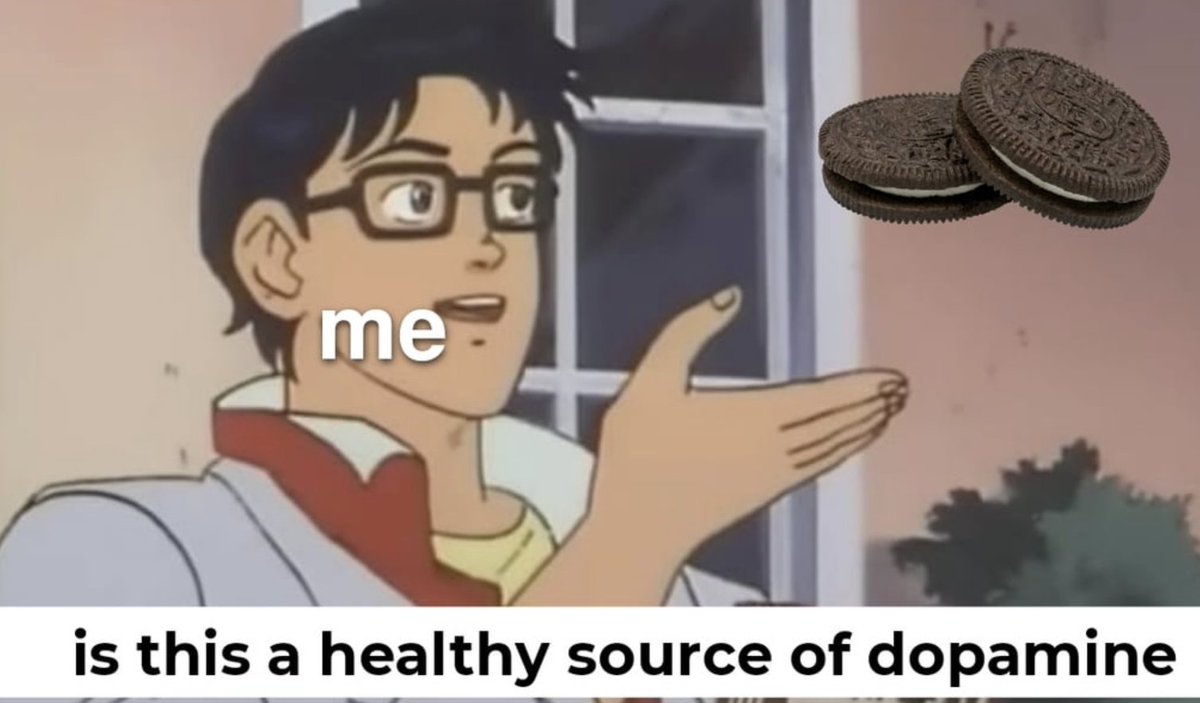
1) Entertainment food is engineered for dopamine, not nourishment.
2) Meals become events, not refuelling stops.
3) Appetite regulation fails because the goal is pleasure, not satiety.
4) Real food stops tasting “exciting,” so we think something’s wrong with us - not the system.
The cure is simple:
- Make food simple again.
- Let life, work, and purpose provide the stimulation - not your plate.

English

@olyveyaa These look awesome!
I'll be trying them at the weekend.
👍😋👍
English

Recipe:
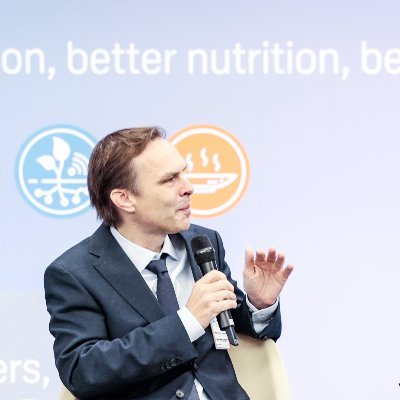
- 2 cups grated Parmesan (grate it yourself to avoid unwanted ingredients)
- 1 egg
Mix until you get a good paste.
Bake at 400 until they look ready.
I like them chewy , so I make them around half a centimeter thick but if you want them crispy, make them thinner like chips I line a baking sheet with parchment paper and then just pour the batter on there and pat it out.
Olyveya@olyveyaa
You can make cheezits without the soy slop by just baking grated Parmesan mixed with an egg…
English
Bobby Raeburn retweetledi

A group of eloquent & committed young meat scientist have a few things to say to activists, journalists & policymakers, with respect to the continuous lambasting of their research & reputations. Do read it please, it's important:
We, the next generation of meat scientists, stand at a crossroads. We are not only committed to science, but also to people, animal welfare, and the planet. All of these must thrive together if we are to build a sustainable and prosperous future. The food system is a complex web of interconnected components, where changes in one part can have far-reaching socio-economic consequences. Our work spans the entire production chain, from animal genetics and health to processing, food safety, and environmental efficiency. We are therefore ideally placed to identify challenges and develop practical ways forward. We are not just studying meat, we are contributing to what people eat, and that matters. We care about the planet, we care about people, with a refusal to accept that feeding the world means harming it.
Policy makers must recognize that meat and livestock systems vary greatly between countries or regions. The livestock production and meat processing sectors, in particular, are crucial to the livelihoods of small local farmers, rural communities, and entire families. Moreover, nutritional requirements vary across life stages, with children, adults, and the elderly needing different quantities and forms of essential nutrients, many of which are more bioavailable in animal-based foods. We need policies that understand these differences, that support both new innovations and traditional practices. It is our responsibility to consider such critical aspects when discussing reductions in livestock production. In many regions, meat is not a luxury; it is a necessity. Calls to eliminate it must consider cultural, nutritional, and economic realities. For many, reducing or removing meat from the diet is not a practical or affordable option, but rather a privilege of abundance. Without that context, we risk deepening global inequality.
We understand that, to the general population, the core of the public dispute against meat consumption is animal welfare and the contribution of the meat industry to climate change. Improving the meat industry in these areas must be a priority, not just to answer the criticism, but because it is the right thing to do. It is possible to value the role of meat in society and still advocate for improvements. Meat, sustainability and animal welfare are not enemies, they can and must go hand in hand. We consider it our responsibility to develop transfer and communication strategies to inform society based on scientific knowledge, thereby enabling transparency and building trust in the food system. The majority of the population does not hold a rigid view. Instead, they exist within a broad spectrum, awaiting honest answers. That is where we come in. Our role as scientists is not to promote beliefs, but to conduct sound research, communicate it clearly, and ensure that decisions are guided by facts, not fear.
The discussion about meat does not have to be divisive. However, due to entrenched positions, there is sometimes little room left for meaningful dialogue or constructive debate. What we want from journalists, and the media, is to dig deeper than the first headline, to show the real stories, not half-truths or sensationalized misinformation designed to attract the most attention. To highlight the progress of science in a neutral, unbiased way. As researchers, we have a duty to ensure that our work is conducted with rigor and integrity. It must be free from bias and strong enough to withstand questions about conflicts of interest or ideological influence. We need to react with maturity, engage with reasonable criticism and ignore hateful noise. There are those who intentionally misrepresent our work, maliciously scrutinizing our livelihoods and our character. Among the ill-intended, some extremists go so far as to insult, threaten, and attempt to silence us into obscurity. We will not be silenced.
To policymakers, funding bodies, and the general public: we ask for fairness, transparency, and a respect for science. Support a future where science informs, not persuades. In an environment increasingly shaped by confusion and conflicting messages, the need for sound, transparent science is more important than ever. Only through credible, evidence-based research can we build trust and support effective progress. We need a new generation of livestock systems—smart, sustainable, equitable, and resilient—grounded in science and adapted to local contexts. Where producers are seen as stewards, and not scapegoats. Where meat is recognized not just as food, but as a cultural, nutritional, and economic cornerstone.
As young meat scientists, our position is clear: we stand for neutrality, scientific rigor, and precision. The future of food systems must be shaped through cooperation and knowledge, not confrontation or ideology. Let’s move beyond "either/or" debates and work together on “how” to make livestock systems better—for everyone. We must stay rooted in evidence, open to interdisciplinary collaboration, and bold in our scientific imagination. We are not anti-vegan, we are pro-science, pro-facts, in favour of progress. We want to drive meat systems toward their most sustainable, ethical, and innovative future.
dublin-declaration.org/early-career-s…

English
Bobby Raeburn retweetledi

An update on the Bovaer scandal in Denmark. This is not covered by the Danish mainstream media, but it is covered by psst-nyt.dk
The Danish people have started a boycott campaign against Arla! We are asking people around the world to help us boycott Arla.
10/7 25
English

@AjRockatansky @SBakerMD That post is gold AJ, GOLD I tells ya!!!!
English

@SBakerMD I am Carnivore for over two years now.
Seeing as how Carnivore made my health awesome and continues to do so, I declare the term "fad" is way beyond over at this point.
Here is what a fad is and here is what it looks like when it is over. WAY over:

English

@weimbslab @PBjornstadMD I had to discover this fact myself🤣.
No one ever mentioned fructose to me. Just gave me some pills and told me to cut down on meat.
I've been zero fructose Carnivore for 6 years and I'm not dead yet!! (No pills😁)..
English

@BobbyRaeburn @PBjornstadMD Absolutely. Fructose is one of the main drivers of uric acid production in the body. Anyone with gout should cut out fructose from their diet.
English

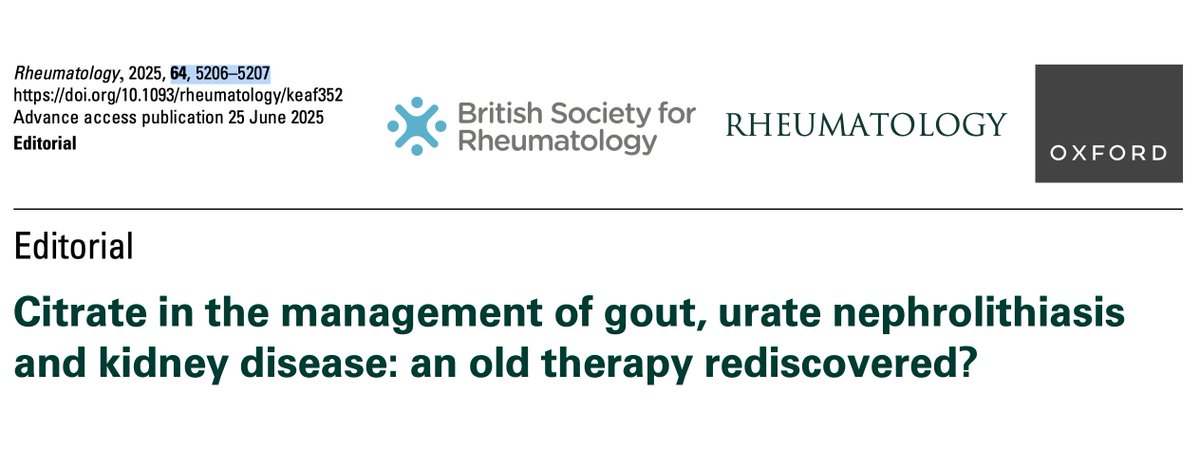
Citrate in the Management of Gout, Urate Nephrolithiasis and Kidney Disease: An Old Therapy Rediscovered?
Final version of editorial with Richard Johnson and @PBjornstadMD published. Full paper here:
labs.mcdb.ucsb.edu/weimbs/thomas/…

English
Bobby Raeburn retweetledi

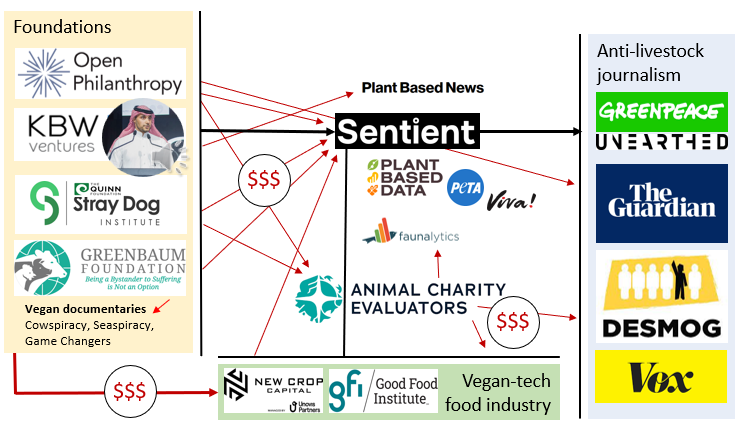
"Animal rights activists relentlessly label research and science communication that contradict their views as unreliable or industry-biased, while relying on a narrow circle of like-minded researchers to create an illusion of “scientific consensus” favoring plant-based diets. Ironically, these activists are themselves funded by wealthy effective altruists and by the vegan-tech sector. Recent attacks on the Dublin Declaration, the FAO, and critics of the EAT-Lancet report exemplify this troubling trend of supressing inconvenient science." aleph2020.org/opinion/activi…

English
Bobby Raeburn retweetledi


Keto diets may drop some weight, but cause hyperlipidemia, liver/heart disease, and even diabetes type I [haidut.me/?p=2891] #cvd #diabetes #keto #liver #low-carb #obesity #pancreas #steatosis #raypeat #idealabs #idealabsdc
English

@notabot89714641 @SamaHoole I'm not type 1. I'm surprised that this happened to me after 1 kilo of rib-eye.

English

@SamaHoole As a type 1 diabetic, I assure you that when I eat nothing but meat, my blood sugar goes high, and I need lots of insulin to handle it. Perfect blood sugar is incorrect for type 1 diabetics who are carnivores.
English

Every carnivore I know has:
- Low triglycerides
- High HDL
- Excellent blood pressure
- Perfect blood sugar
- Zero inflammation
- Great body composition
Some have elevated LDL.
None have had heart attacks.
But we're constantly told we're ticking time bombs because of a theory that's never actually manifested.
English

@SPHdeORD @DavidSvendsen @nicknorwitz 40% of calories from carbs is not the same as a low carb diet.
English

@DavidSvendsen @nicknorwitz A low carb diet is not the same as a ketogenic diet.
English

People are citing this new paper (published yesterday) as evidence low-carb diets are “BAD” for diabetes.
🚨NOTE: They use “low carb diet scores.” This is a useful way to obscure actual intake. The LOWEST carb groups were eating ~40% Calories from Carbs.
That’s similar to a Reese’s PB Cup
Cc @metcoalition @AdrianSotoMota @AKoutnik @janellison @realDaveFeldman

English

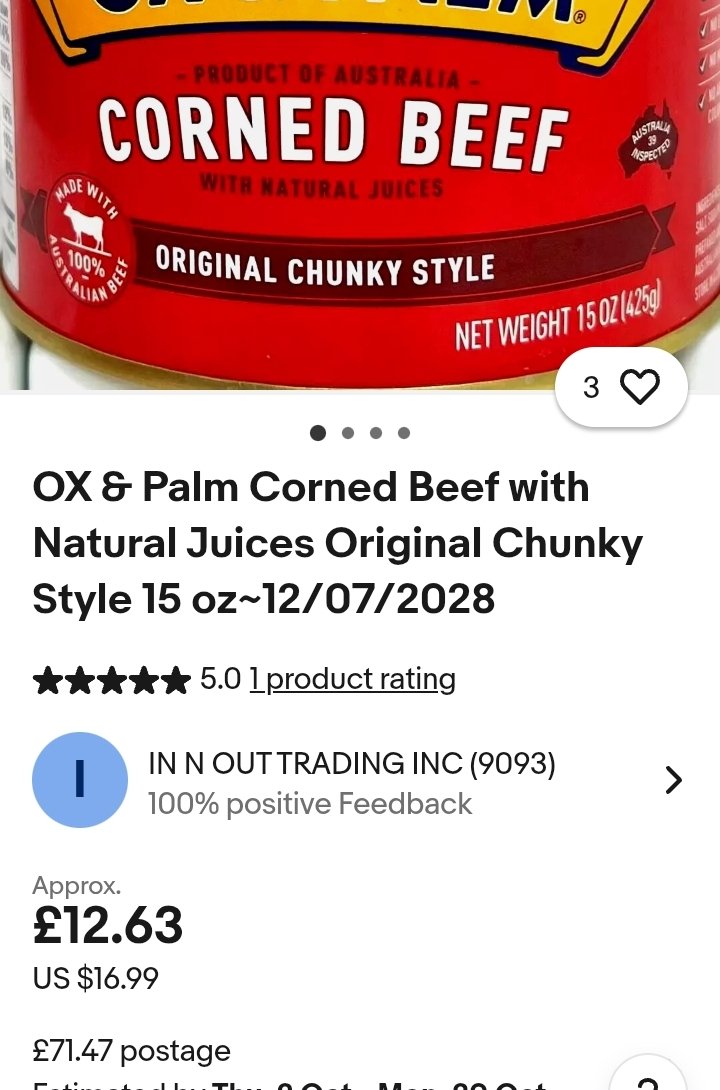
@CraigSwann1 I hope you like it.
I just looked it up, one tin would cost me £84 with postage😂..

English