
Sabitlenmiş Tweet
Mike
2.1K posts


Mike
@BookishRetard
Patriot (DM = Block) Not looking for a Pen Pal
Gulf of America Katılım Ekim 2023
5.1K Takip Edilen5.2K Takipçiler
@RealEmirHan It’s not “shaming.” Get your language straight. It’s a critique of his obesity in a satirical line. Wells should have taken this to ahem, heart, as he died of a heart attack at age 70. Remember, no body has the ability to “offend” you. It’s your interpretation of what they mean.
English
Mike retweetledi
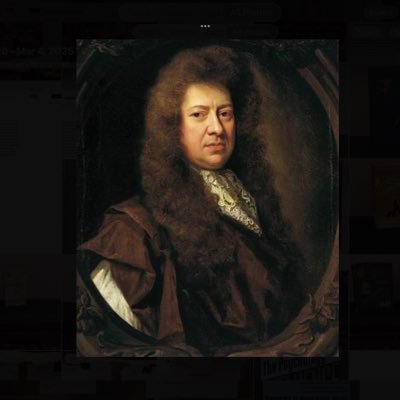
Monday 30 March 1663
Up betimes and found my weather-glass sunk again just to the same position which it was last night before I had any fire made in my chamber, which had made it rise in two hours time above half a degree. So to my office where all the morning and at the Glass-house, and after dinner by coach with Sir W. Pen I carried my wife and her woman to Westminster, they to visit Mrs. Ferrers and Clerke, we to the Duke, where we did our usual business …
Thence to see my Lord Sandwich, who I found very merry and every day better and better. So to my wife, who waited my coming at my Lord’s lodgings, and took her up and by coach home, where no sooner come but to bed, finding myself just in the same condition I was lately by the extreme cold weather, my pores stopt and so my body all inflamed and itching. So keeping myself warm and provoking myself to a moderate sweat, and so somewhat better in the morning.
weather-glass (a thermometer, recently acquired from instrument-maker Ralph Greatorex on 23 March. barometers and thermometers were novel tools for tracking weather and indoor conditions.
Glasshouse inn (Broad St)
Jane Ferrer & Frances Clarke
James Stuart (Duke of York, Lord High Admiral)
Sam blamed extreme cold for stopping his pores, causing inflammation and itching (classic humoral imbalance) where cold was thought to trap “humors.” An alchemist would have suggested sweating to reopen pores. Modern immunology echoes this: fever-range heat (100–102°F) boosts T-cell proliferation and cytokine production while reducing regulatory T-cell suppression, ramping up immune attack.
David Teniers the Younger, The Alchemist

English
Mike retweetledi

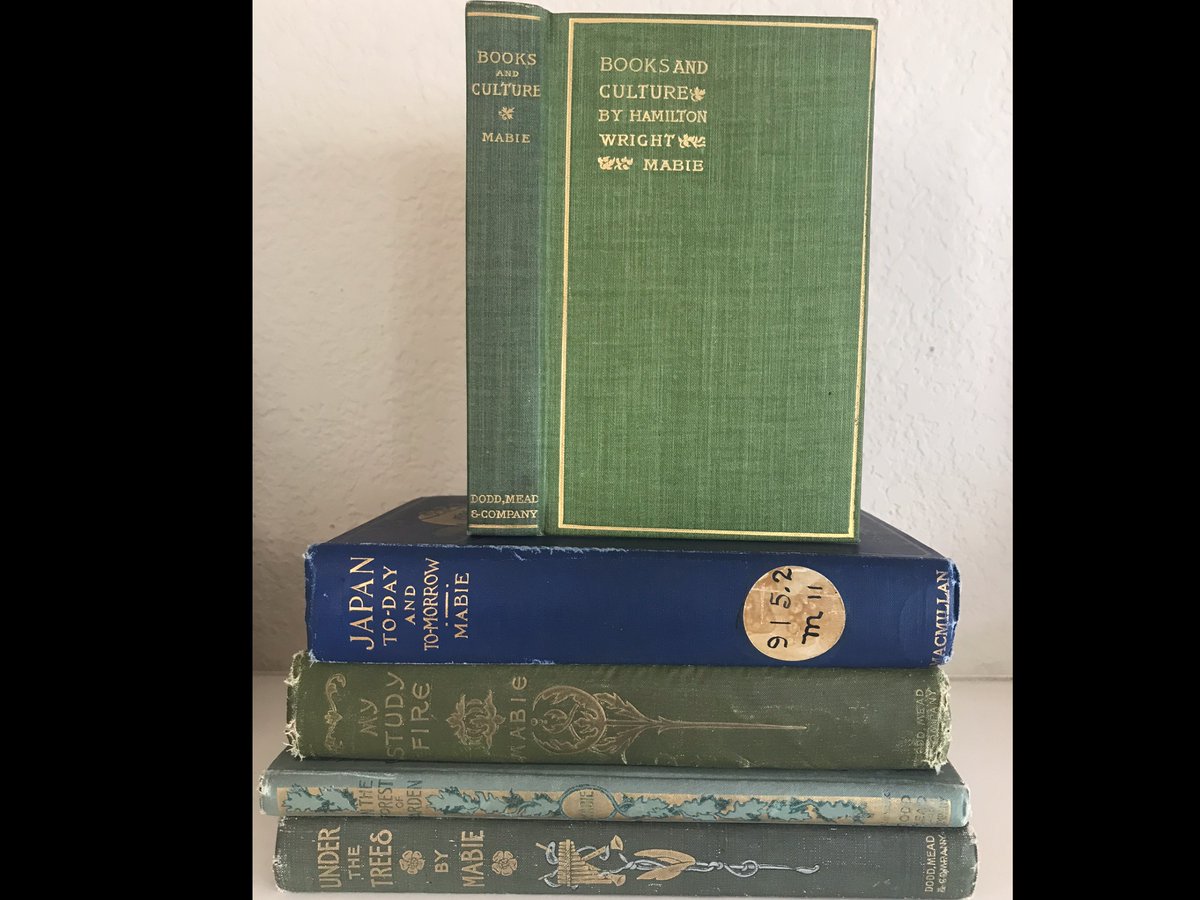
Books and Culture (1896) by Hamilton Wright Mabie
"To get at the heart of books we must live with and in them; we must make them our constant companions; we must turn them over and over in thought, slowly penetrating their innermost meaning; and when we possess their thought we must work it into our own thought."
I love the above quote as I’m constantly battling the urge to multitask and mark books as “finished” so that I can move onto the next one.
As you can see from my photo, I’ve developed a fondness for Mr. Mabie, who was a prolific American essayist. Here he delves into how books enrich human experience, thought, and personal growth in a collection of essays that explore the profound relationship between literature and culture. His work remains an eloquent defense of deep, purposeful reading as a path to intellectual maturity. He has convinced me to read Dante!
Some fantastic snippets:
“No man can better prepare himself to enter into the formative life of his time than by thoroughly familiarising himself with the greatest books of the past; for in these are revealed, not the secrets of past forms of life, but the secrets of that spirit whose historic life is one unbroken revelation of its nature and destiny.”
“A great book is a possession for all time, because a writer of the first rank is the contemporary of every generation; he is never outgrown, exhausted, or even old-fashioned, although the garments he wore may have been laid aside long ago.”
“Culture rests on ideas rather than on knowledge; its distinctive use of knowledge is to gain material for ideas. For this reason the “Iliad” and “ Odyssey” are of more importance than Thucydides and Curtius. For Homer was not only in a very important sense the historian of his race; he was, above all, the expositor of its ideas.”
“It is this deeper knowledge which holds a lighted torch aloft in the deepest recesses of the soul, or over those abysses of possible experience which open on all sides about every man, which is to be found in the pages of Homer, Dante, Shakespeare, and Goethe, and of all those great artists who have seen men in those decisive and significant moments when they strike into the movement of history, or, through their deeds and sufferings, the order of life suddenly shines forth.”
Love the phrase, “supreme books of life.”
"The man who would get the ripest culture from books ought to read many, but there are a few books which he must read; among them, first and foremost, are the Bible, and the works of Homer, Dante, Shakespeare, and Goethe. These are the supreme books of life as distinguished from the books of knowledge and skill."
English
Mike retweetledi

Mike retweetledi
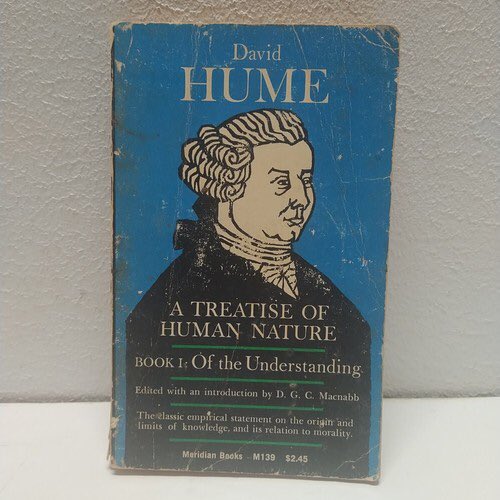
@peterboghossian @michaeljknowles @wil_da_beast630 Ah Peter, I suspect you know that our brains run “Incognito.” How you feel determines how you “reason.” This guy is more articulate: “Reason is, and ought only to be the slave of the passions, and can never pretend to any other office than to serve and obey them.” Hume
English
Mike retweetledi
Sunday 29 March 1663
(Lord’s day). Waked as I used to do betimes, but being Sunday and very cold I lay long, it raining and snowing very hard, which I did never think it would have done any more this year.
Up and to church, home to dinner. After dinner in comes Mr. Moore, and sat and talked with us a good while; among other things telling me, that [neither] my Lord nor he are under apprehensions of the late discourse in the House of Commons, concerning resumption of Crowne lands, which I am very glad of.
He being gone, up to my chamber, where my wife and Ashwell and I all the afternoon talking and laughing, and by and by I a while to my office, reading over some papers which I found in my man William’s chest of drawers, among others some old precedents concerning the practice of this office heretofore, which I am glad to find and shall make use of, among others an oath, which the Principal Officers were bound to swear at their entrance into their offices, which I would be glad were in use still.
So home and fell hard to make up my monthly accounts, letting my family go to bed after prayers. I staid up long, and find myself, as I think, fully worth 670l.. So with good comfort to bed, finding that though it be but little, yet I do get ground every month. I pray God it may continue so with me.
This entry nicely illustrates several running themes in Sam’s life at this stage:
Dependence on patronage: Relief about Lord Sandwich’s position.
Professional ambition: Enthusiasm for old office precedents and oaths.
Domestic pleasure: Simple enjoyment of time with his wife.
Financial prudence and anxiety: The ritual of monthly accounts and gratitude for incremental improvement.
“raining and snowing very hard”
Winter Landscape with a Bird Trap: Pieter Bruegel the Elder

English
Mike retweetledi

Mike retweetledi
Mike retweetledi
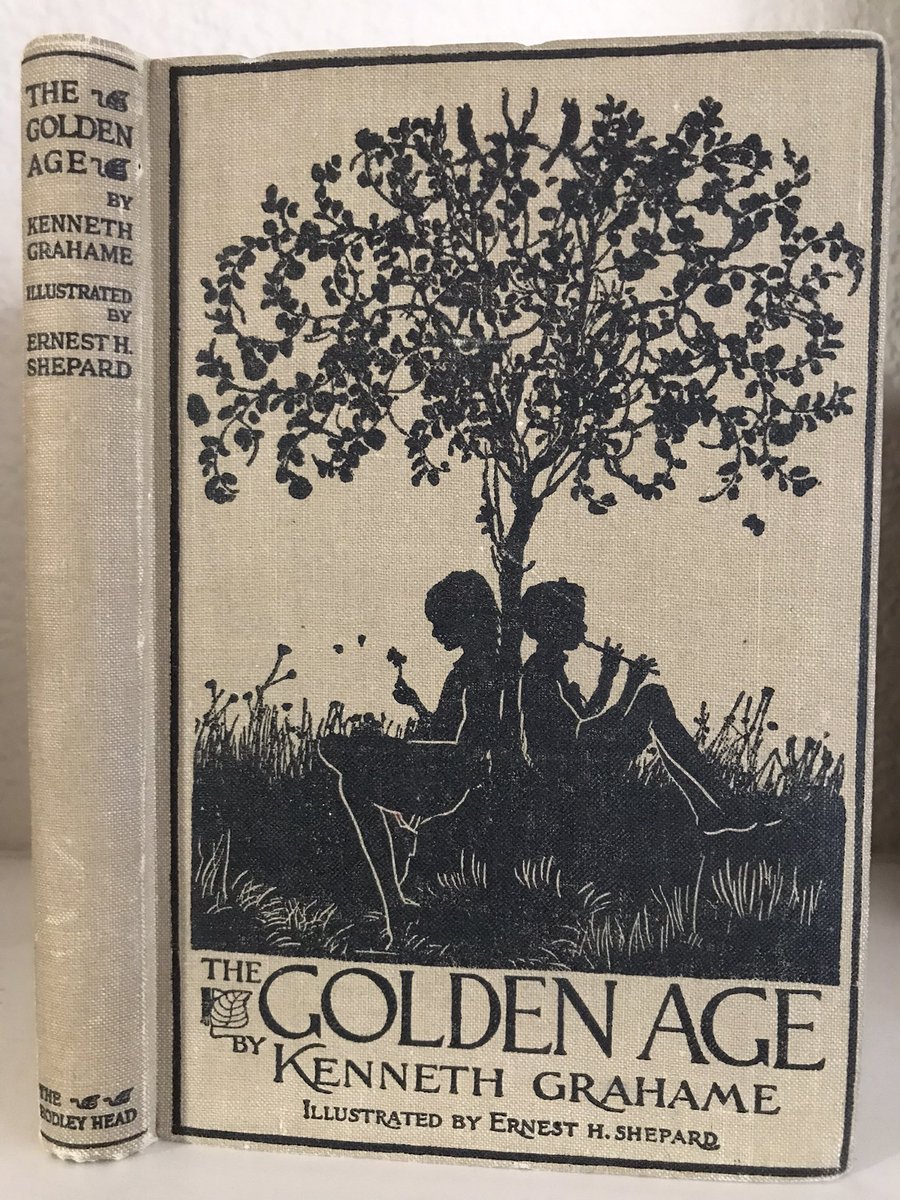
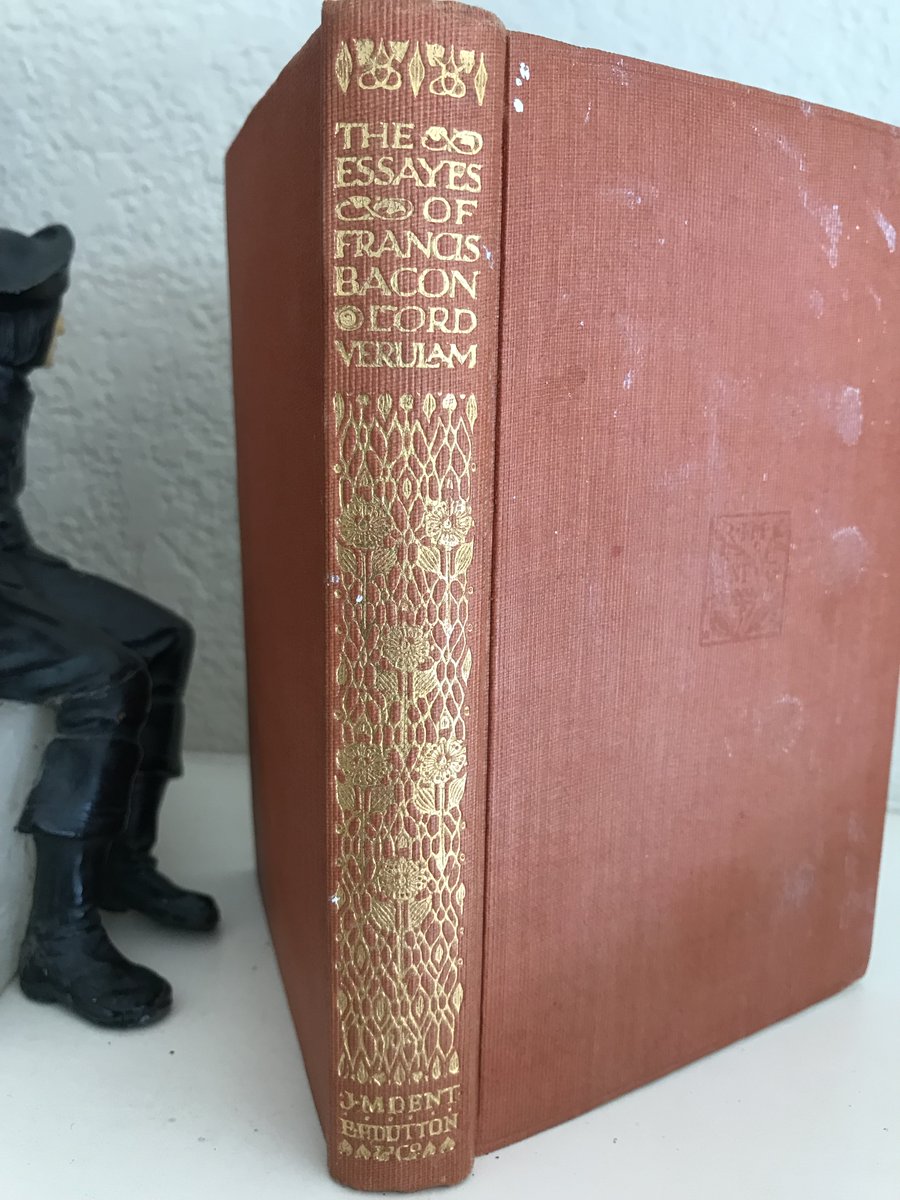
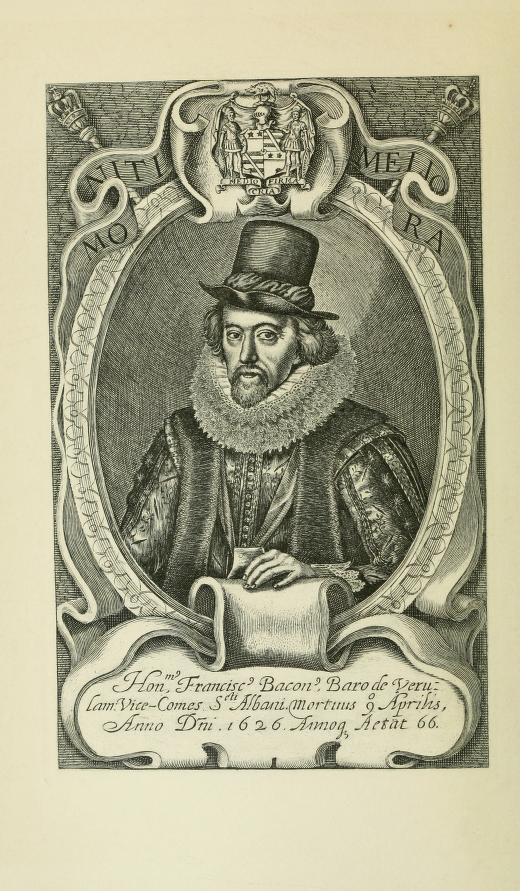
Bacon's Essays (1597)
“Read not to Contradict and Confute, nor to believe and take for granted, nor to find Talk and Discourse, but to weigh and consider. Some Books are to be tasted, others to be swallowed, and some few to be chewed and digested; that is, some Books are to be read only in parts; others to be read, but not curiously; and some few to be read wholly, and with Diligence and Attention.”
This is one of those foundational landmarks of English prose: fifty-eight short reflections on human nature, power, knowledge, and society. Known as the "father of the scientific method" and a champion of empirical inquiry, he advocated inductive reasoning and systematic observation to master nature for human benefit. His Essays established a concise (2 pages for most) style that shaped modern English prose. They gave us worldly wisdom and in your face realism.
“Certainly Vertue is like precious Odours, most fragrant when they are incensed or crushed: For Prosperity doth best discover Vice, but Adversity doth best discover Vertue.”
“Costly Followers are not to be liked, lest while a man maketh his Train longer, he make his Wings shorter.”
“But little do men perceive what Solitude is, and how far it extendeth: for a Crowd is not Company, and Faces are but a Gallery of Pictures, and Talk but a Tinkling Cymbal where there is no Love.”
“Histories make men Wise, Poets Witty, the Mathematicks Subtil, Natural Philosophy Deep, Moral Grave, Logick and Rhetorick able to Contend.”
"Certainly Fame is like a River, that beareth up things Light and Swoln, and drowns things Weighty and Solid."
"Deformed persons, and Eunuchs, and old Men, and Bastards are envious: for he that cannot possibly mend his own case, will do what he can to impair another's."
"A man that hath no virtue in himself, ever envieth virtue in others. For men's minds will either feed upon their own good, or upon others evil; and who wanteth the one, will prey upon the other; and whoso is out of hope to attain to another's virtue, will seek to come at even hand by depressing another's fortune."
English
Mike retweetledi
26 March 1664
Up very betimes and to my office, and there read over some papers …
so home, and there found Madam Turner, her daughter The., Joyce Norton, my father and Mr. Honywood, and by and by come my uncle Wight and aunt. This being my solemn feast for my cutting of the stone,* it being now, blessed be God! this day six years since the time; and I bless God I do in all respects find myself free from that disease or any signs of it, more than that upon the least cold I continue to have pain in making water, by gathering of wind and growing costive, till which be removed I am at no ease, but without that I am very well. One evil more I have, which is that upon the least squeeze almost my cods begin to swell and come to great pain, which is very strange and troublesome to me, though upon the speedy applying of a poultice it goes down, and in two days I am well again….
it raining very fast, we met many brave coaches coming from the Parke (Hyde) and so we turned and set them down at home, and so we home ourselves, and ended the day with great content to think how it hath pleased the Lord in six years time to raise me from a condition of constant and dangerous and most painfull sicknesse and low condition and poverty to a state of constant health almost, great honour and plenty, for which the Lord God of heaven …
So to the office and did business, and then home and to bed.
*Sam marked the sixth anniversary of his 1658 lithotomy at age 25. Surgeon Thomas Hollier removed a large bladder stone, the size of a tennis ball. Sam had suffered debilitating urinary issues since childhood. The operation largely succeeded, freeing him from major stone pain. Yet he endured recurring urinary discomfort from cold, wind or constipation, and painful testicular swelling (cods) from slight pressure, likely a lasting surgical complication.
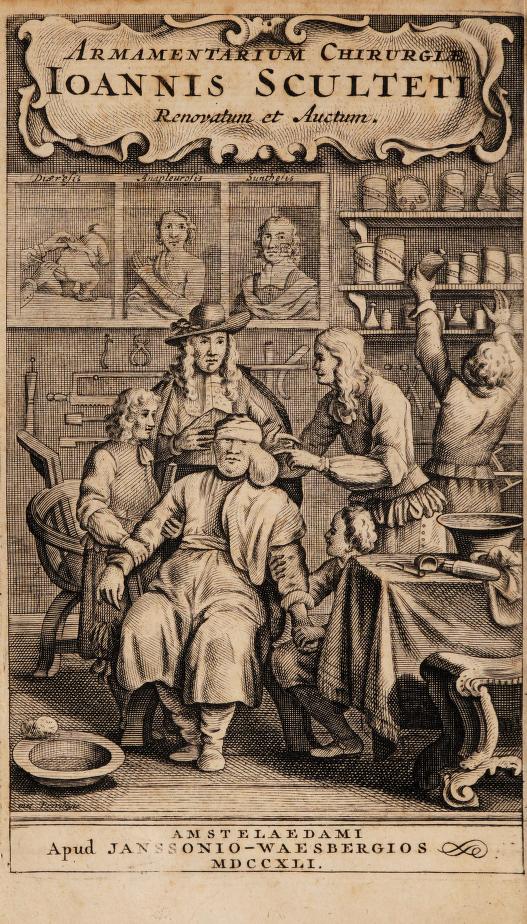
In practice, Hollier’s expertise likely came from apprenticeship and observation at St. Thomas’s Hospital, but there was an important text around at this time (below).
Scultetus’s Armamentarium Chirurgicum (1655) was one of the most important and widely consulted illustrated surgical textbooks of the mid-to-late 17th century.
It contains detailed descriptions and engravings of surgical instruments, bandaging techniques, and operative procedures like the lithotomy.
English
Mike retweetledi
25 March 1664
(Lady-day).* Up and by water to White Hall, and there to chappell; where it was most infinite full to hear Dr. Critton. Being not knowne, some great persons in the pew I pretended to, and went in, did question my coming in. I told them my pretence; so they turned to the orders of the chappell, which hung behind upon the wall, and read it; and were satisfied; but they did not demand whether I was in waiting or no; and so I was in some fear lest he that was in waiting might come and betray me.…**
He told the King and the ladies plainly, speaking of death and of the skulls and bones of dead men and women,1 how there is no difference; that nobody could tell that of the great Marius or Alexander from a pyoneer; nor, for all the pains the ladies take with their faces, he that should look in a charnels-house could not distinguish which was Cleopatra’s, or fair Rosamond’s, or Jane Shoare’s….+
Thence home with my wife, it being very dirty on foot, and bought some fowl in Gracious Street and some oysters against our feast to-morrow. So home, and after at the office a while, home to supper and to bed.
*In England, Lady Day was New Year's Day (i.e., the new year began on 25 March) from 1155 until 1752, when the Gregorian calendar was adopted in Great Britain and its Empire and with it the first of January as the official start of the year in England, Wales and Ireland.
**In the royal chapel at Whitehall, certain pews were reserved exclusively for those "in waiting" — officials on official duty attending the King that day. Pepys was not in waiting on 25 March 1664 and had no right to the seat. He had bluffed his way in.
+Skulls and bones look the same, so no one can distinguish the great Marius or Alexander from a common pioneer (foot soldier), nor Cleopatra, fair Rosamond (Rosamund Clifford, legendary beauty), or Jane Shore (Edward IV's mistress) from any other woman, no matter how much paint the ladies use on their faces. This is classic “vanity” preaching; equality in death, the futility of worldly vanity.
In the Christian calendar, Lady Day is the Feast of the Annunciation: The Annunciation by Paolo de Matteis

English
Mike retweetledi
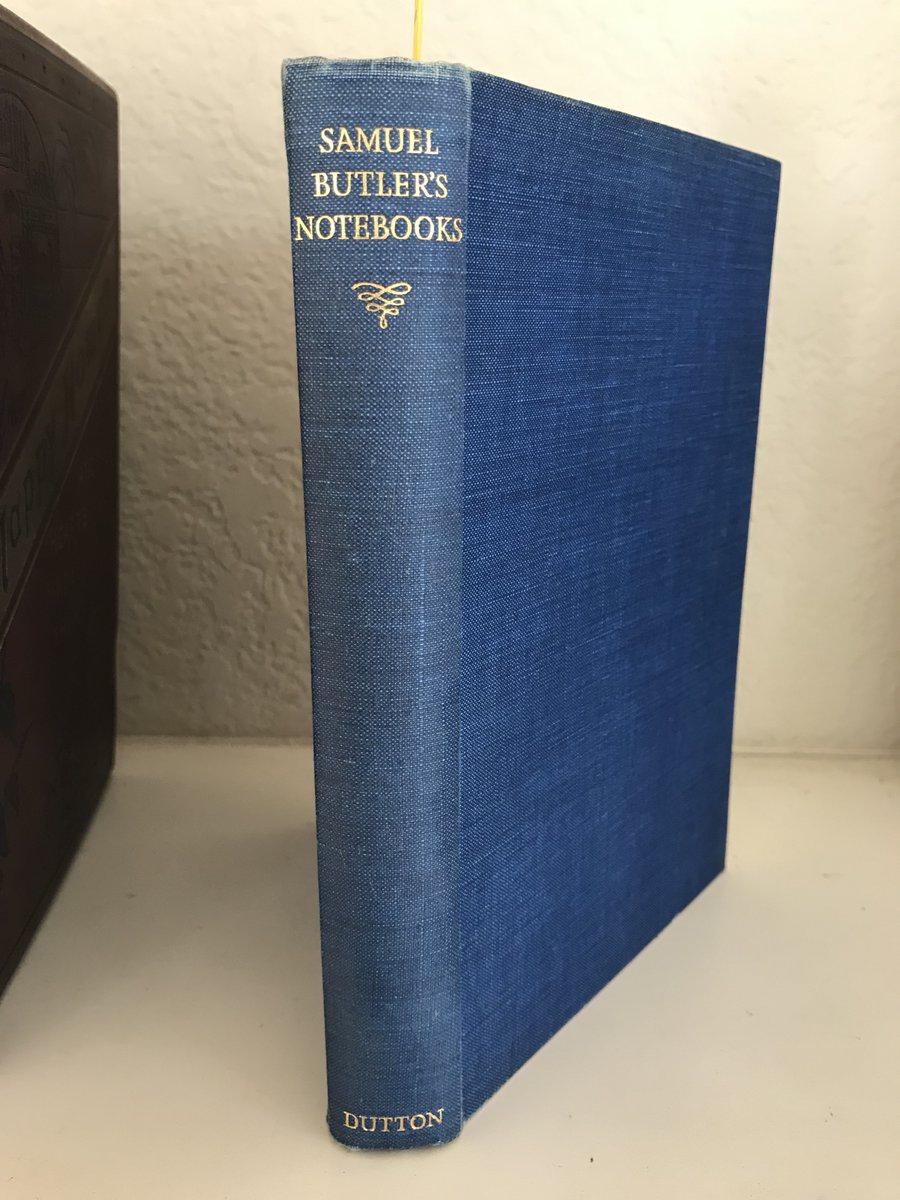
Samuel Butler's Notebooks (1912)
"Books are like imprisoned souls till someone takes them down from a shelf and frees them."
Samuel Butler is the Victorian author of Erewhon, and his "notebooks" are his posthumously published personal collection of thoughts and jottings of day to day life. He kept extensive notebooks throughout his life, recording observations, conversations, thoughts on art, literature, science, and daily events. Let's get to some of his pithier "notes."
"A man may make, as it were, cash entries of himself in a day-book, but the entries in the ledger and the balancing of the accounts should be done by others."
"Reputation is like a man's soul, which he may find in losing or lose in finding. It is like money, more easily made than kept."
"I really do not see much use in exalting the humble and meek; they do not remain humble and meek long when they are exalted."
"Life is the art of drawing sufficient conclusions from insufficient premises."
"It is a mistake to expect people to rise to the occasion unless the occasion is only a little above their ordinary limit. People seldom rise to their greater occasions, they almost always fall to them. It is only supreme men who are supreme at supreme moments. They differ from the rest of us in this that, when the moment for rising comes, they rise at once and instinctively."
"The oldest books are still only just out to those who have not read them."
"Bodily offspring I do not leave, but mental offspring I do. Well, my books do not have to be sent to school and college and then insist on going into the Church or take to drinking or marry their mother's maid."
"A sense of humour keen enough to show a man his own absurdities, as well as those of other people, will keep him from the commission of all sins, or nearly all, save those that are worth committing."
English
Mike retweetledi
24 March 1664
Called up by my father, poor man, coming to advise with me about Tom’s house and other matters, and he being gone I down by water to Greenwich, it being very-foggy, and I walked very finely to Woolwich, and there did very much business at both yards, and thence walked back, Captain Grove with me talking, and so to Deptford and did the like there, and then walked to Redriffe (calling and eating a bit of collops and eggs at Half-way house), and so home to the office, where we sat late, and home weary to supper and to bed.
The Half-way House: This was a well-known riverside inn/tavern roughly midway between London Bridge and Deptford (near modern Rotherhithe/Redriffe). Pepys often stopped there for a quick meal during his walks. "Collops" were slices of meat (usually bacon or beef), so he had a simple, hearty dish of meat and eggs, which was typical 17th-century fare for a traveler.
Sam walked a considerable distance on this day, roughly 12 miles. Greenwich to Woolwich is 4 miles and Woolwich back toward the west, via Deptford is another 4 miles. Deptford to Redriffe is 2 and back home is 2.
Walking and thinking: the oldest and surest remedy for a foggy mind.
Søren Kierkegaard, in his letters (1847), wrote, “Above all, do not lose your desire to walk: every day I walk myself into a state of well-being and walk away from every illness; I have walked myself into my best thoughts.”
Henry David Thoreau, in his 1862 essay “Walking,” reinforced this by declaring: "I think that I cannot preserve my health and spirits, unless I spend four hours a day at least — and it is commonly more than that — sauntering through the woods and over the hills and fields, absolutely free from all worldly engagements."
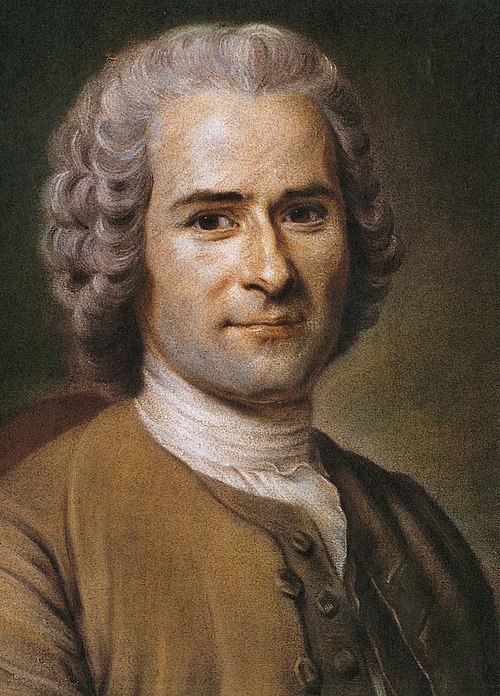
Jean-Jacques Rousseau, in his Confessions (1782), proclaimed, "I can only meditate when I am walking. When I stop, I cease to think; my mind only works with my legs."
Jean-Jacques Rousseau: Philosopher, writer, and composer whose political philosophy influenced the progress of the Age of Enlightenment.
Portrait by Maurice Quentin de La Tour, 1753
English
Mike retweetledi
Mike retweetledi
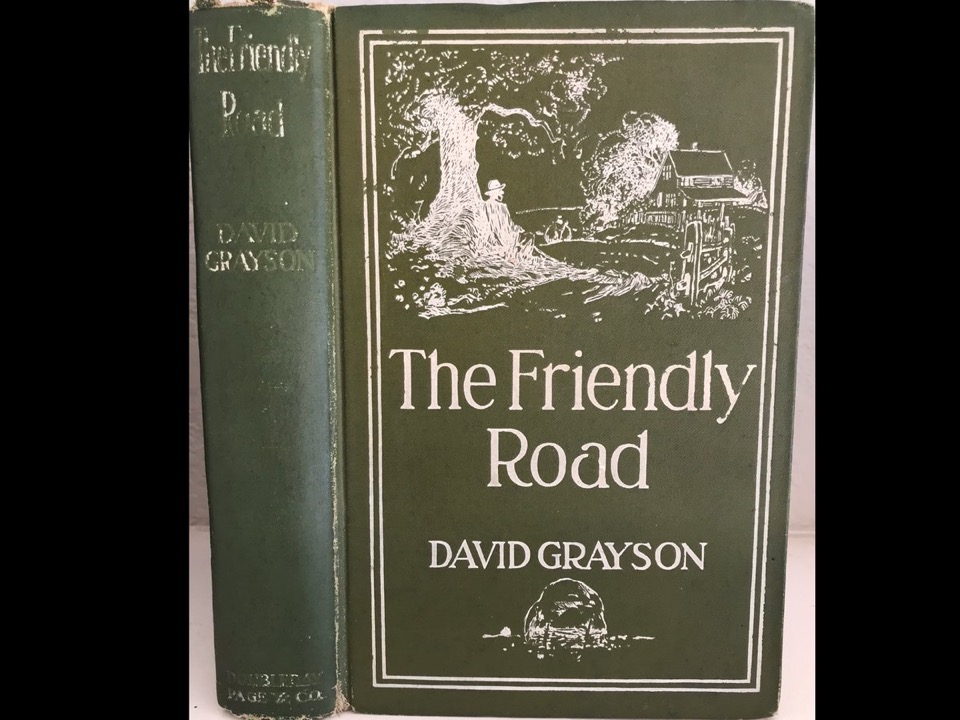
@goodreads “With me friendship never divides: it multiplies. A friend always makes me more than I am, better than I am, bigger than I am. We two make four, or fifteen, or forty.”
English
Mike retweetledi
21 March 1664
Up, and it snowing this morning a little, which from the mildness of the winter and the weather beginning to be hot and the summer to come on apace, is a little strange to us. I did not go abroad for fear of my tumour, for fear it shall rise again, but staid within, and by and by my, father came, poor man, to me, and my brother John. After much talke and taking them up to my chamber, I did there after some discourse bring in any business of anger — with John, and did before my father read all his roguish letters, which troubled my father mightily …
They dined with me, and after dinner abroad with my wife to buy some things for her, and I to the office …
I home and to supper and to bed.
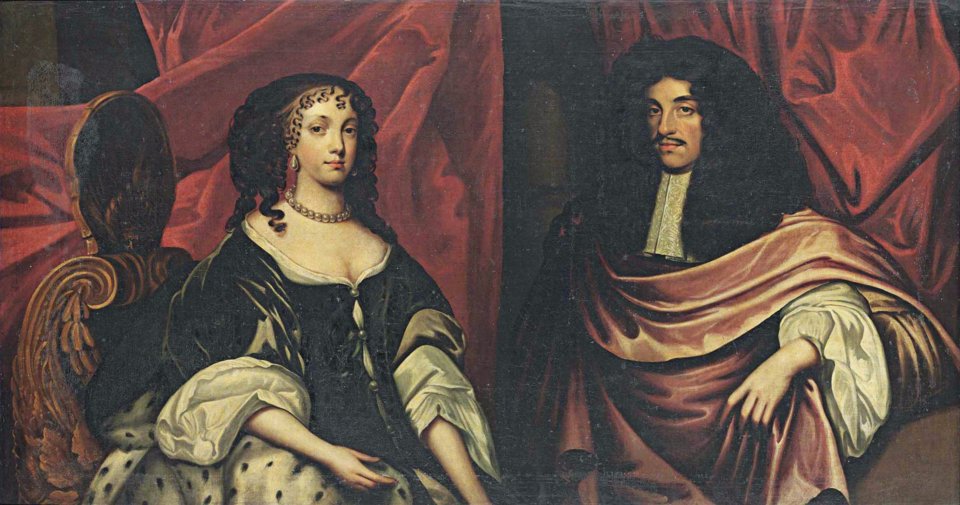
This day the Houses of Parliament met; and the King met them, with the Queene with him. And he made a speech to them: among other things, discoursing largely of the plots abroad against him and the peace of the kingdom; and, among other things, that the dissatisfied party had great hopes upon the effect of the Act for a Triennial Parliamentgranted by his father which he desired them to peruse, and, I think, repeal.
The "dissatisfied party" primarily meant dissenters from the royalist/Cavalier dominance or those who did not fully embrace the absolute restoration of monarchical power without significant checks.
The 1641 Triennial Act required Parliament to meet at least every three years (session of at least 50 days)
and included mechanisms (e.g., automatic assembly if the king failed to call it) to prevent the long personal rule Charles I had imposed from 1629–1640, a key grievance leading to the Civil War.
It was repealed removing enforcement mechanisms while vaguely requiring Parliament every three years (unenforceable without penalties). This strengthened Charles II.
Charles and Catherine
English
Mike retweetledi
“Whatever is lofty, profound, or acute in speculation, delicate or refined in feeling, wise, witty, or quaint in suggestion, is accessible to the lover of books. They enlarge space for him and prolong time. More wonderful than the wishing cap of the Arabian tales, they transport him back to former days. The orators declaim for him and the poets sing.”

English
Mike retweetledi
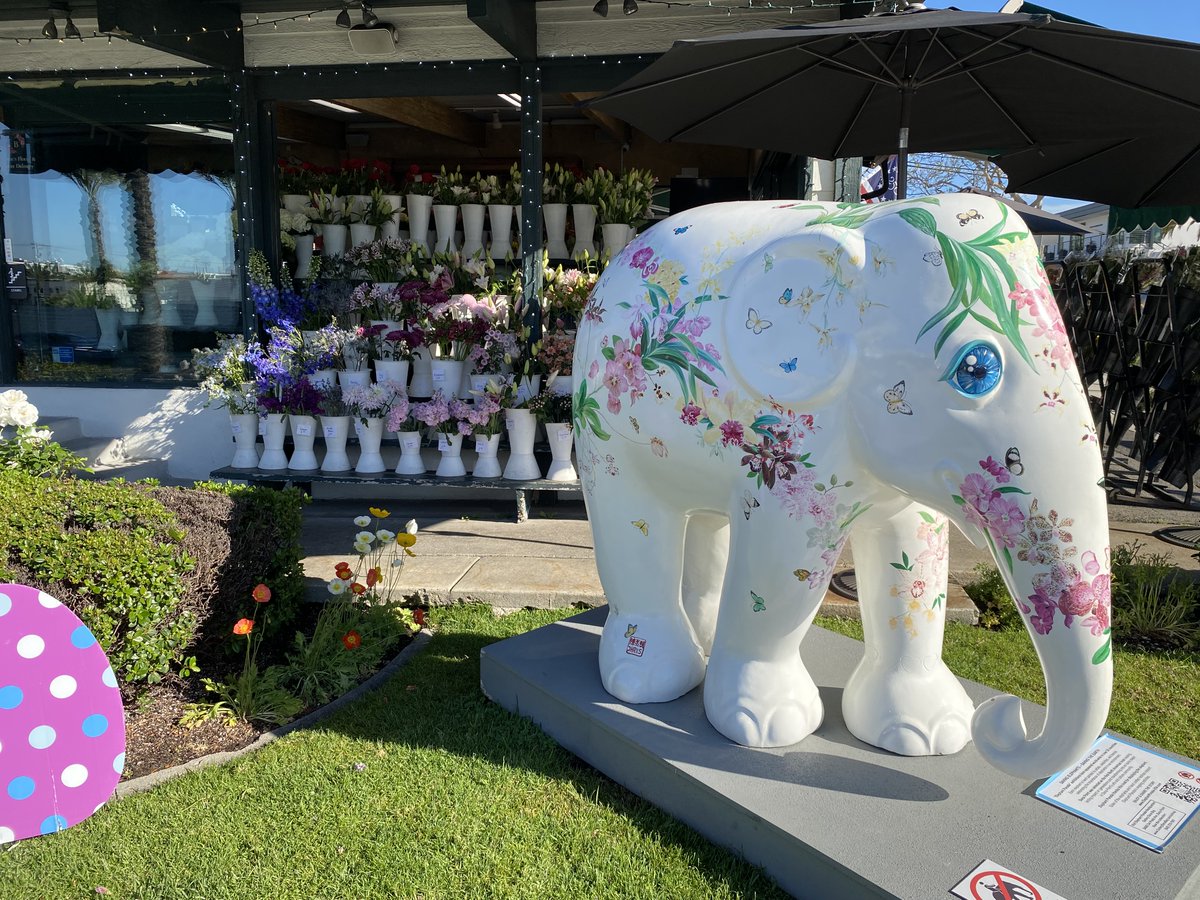
The Elephant Parade in Dana Point:
After I went to the farmers market, I visited a few of these that are sprinkled throughout my neighborhood to raise awareness for Asian Elephants.
English
Mike retweetledi
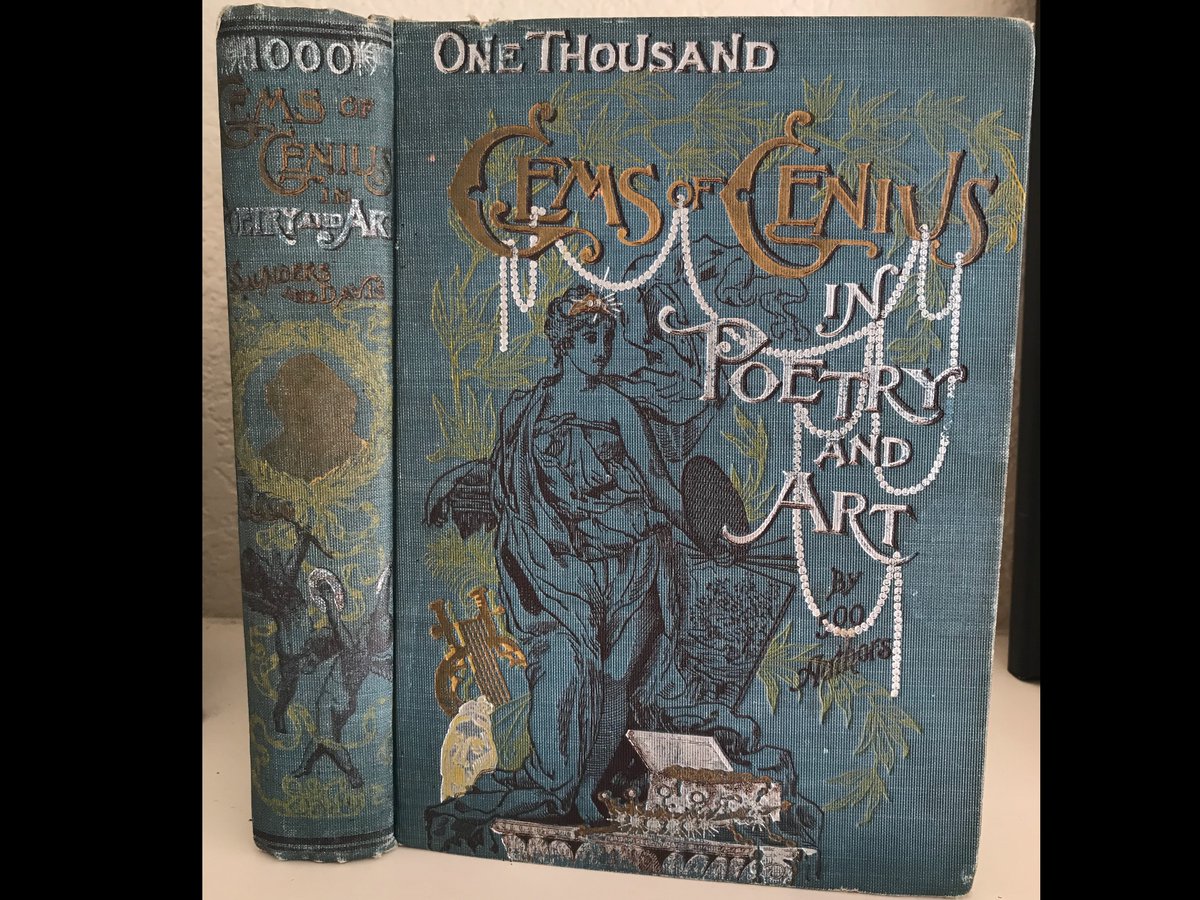
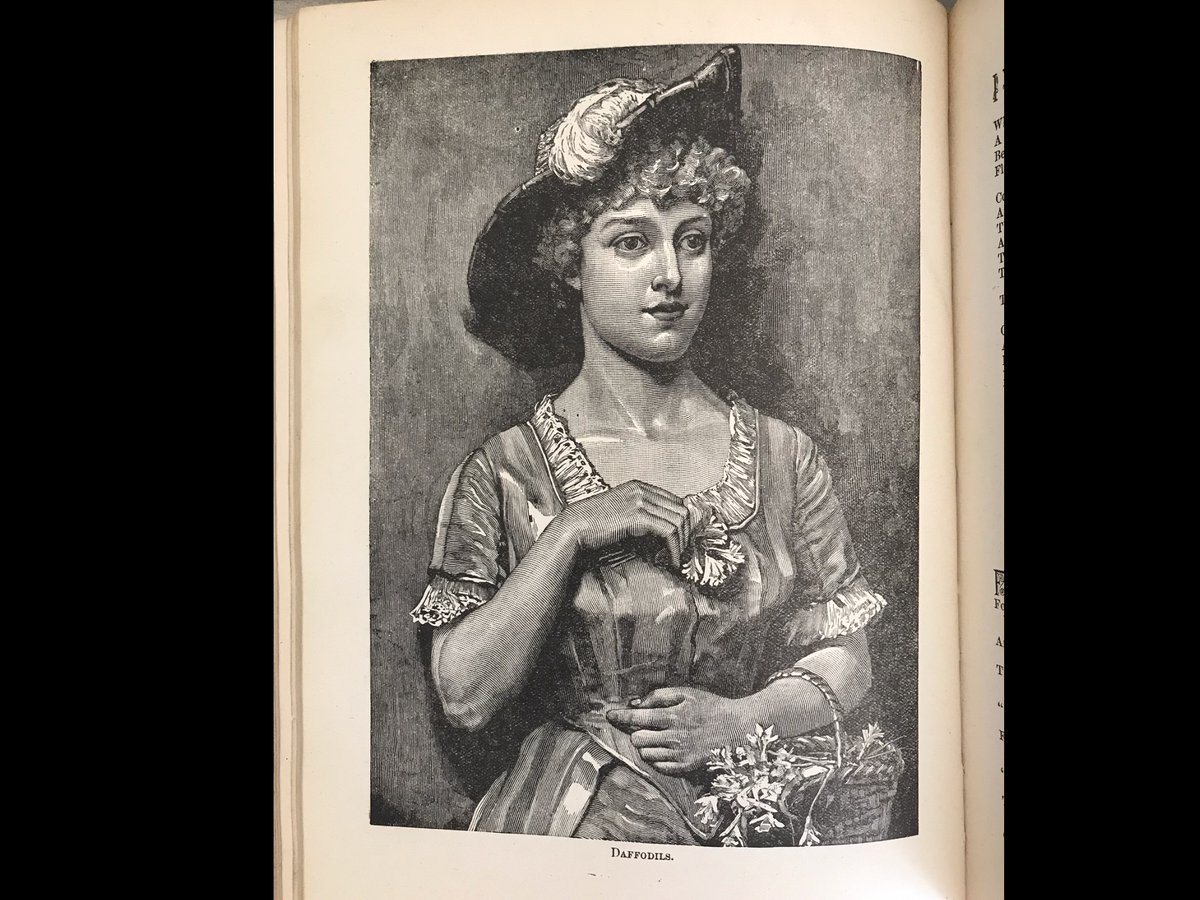
World Poetry Day
“I wandered lonely as a cloud
That floats on high o'er vales and hills,
When all at once I saw a crowd,
A host, of golden daffodils;
Beside the lake, beneath the trees,
Fluttering and dancing in the breeze …”
English