

Broken Undda
173 posts


because our government is keen on cutting down our forests and soon they're going to build more AI Data Centers to worsen the situation.
Epic Maps 🗺️@theepicmap
Why only India?
English
@NsNitinsinha It was the same even 50 years back. This is the El Nino year, which means India had an early peak summer.

English

India is hotter than middle eastern countries where there’s no water and vegetation. It seems, we have burnt our own house with unchecked development and deforestation. This project here and that expressway there.
English
@LostTemple7 Comparing Asaphalt vs moist soil. Your IQ must be below room temperature.
English


This is concerning , why the west is silent on these immigrants?
Elon musk will not speak on this issue ?
کیڑےمکوڑے@Form_45
Muslims in India are being told public roads aren't for prayer, while Indian wedding processions are taking over the streets of Midtown Manhattan. If Manhatta the busiest place on earth can accommodate a wedding procession, why is a short Eid prayer in India treated like a national crisis? It’s not about the traffic; it’s about the respect. Hypocrite India 👎🏾
English

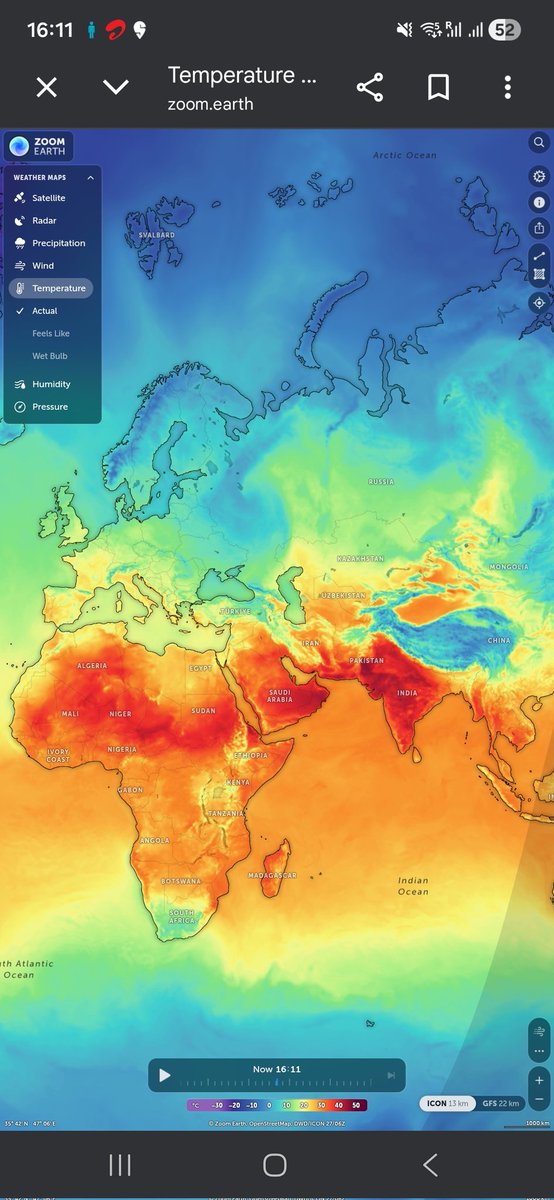

If you ever feel you are dumb, just remember that there are people who still support BJP.
Mohit@Warlock_mohit
If you ever feel you are dumb, just remember that there are people who blame BJP and Modi ji for the heat. 🤡
English



@YearOfTheKraken Kids don't even know what 'Loo' winds are. They talk as if they were born in Europe.
English

Is it only me who thinks Summers in India have always been crazy hot and has nothing to do with trees?
English
@YearOfTheKraken We used to play cricket in 44-45 degrees during summer vacation, while ma used to make Rasna. There used to be 4-5 hour long powercuts daily.
English
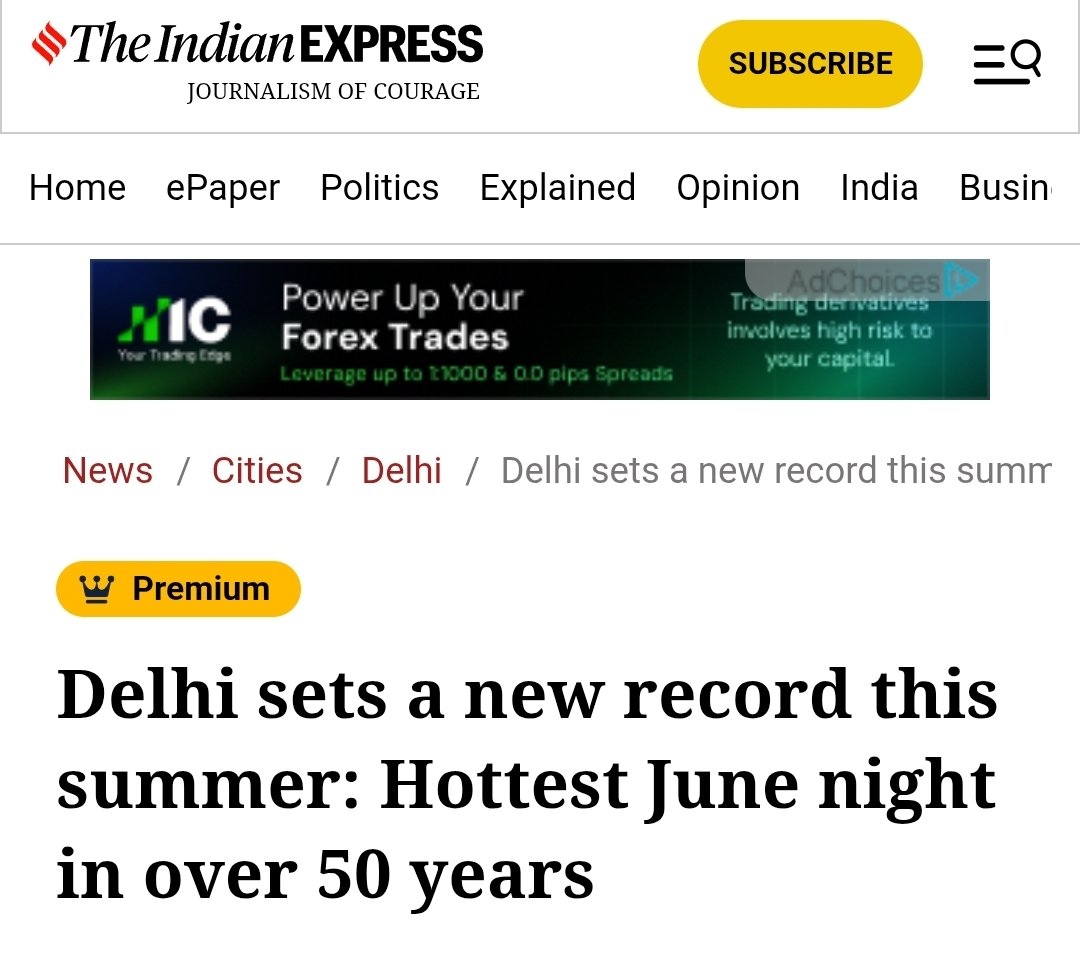

RealFeel is increasing with vast and unplanned urbanization. Earlier with 40°C was felt fine because RealFeel temps were 3-5°C lower.
Now, concrete trap the heat, release it during the night, the actual "Felt" temps remain higher and higher with each passing summer day.
manwithabigstick@bahutbadadanda
summers aren't new... high temperatures exceeding 40 celsius every other day isn't new either. what is new in urban/ semi urban Inya is endless construction, and destruction of all green/ semi green patches, and water bodies
English


Hello Indians read comments of this post.
This is the clear that we Pakistani Hindus are different from Indian Hindus.
My Pakistani Muslim brothers love and respect us.
Do Indian Hindus give same love and respect to Indian Muslims??
Monika@_Finance0
My Dear Pakistanis, what do you think about Pakistani Hindus? Write your comments as Indians can feel.
English
@deespeak Just a reminder for those who missed Geography classes. Tropic of Cancer runs through India. 'Loo' winds are scorching, dry summer winds prevalent in the Indo-Gangetic plains of India blowing mostly during May and June.
English

@Radicalist481 Have you ever planted creepers in Delhi summers? I have on my terrace. They don't survive in harsh heat and need outrageous amount of water to sustain. The only climber suitable in such conditions is Bougainvillea. But they pose serious risk due its thorny nature
English

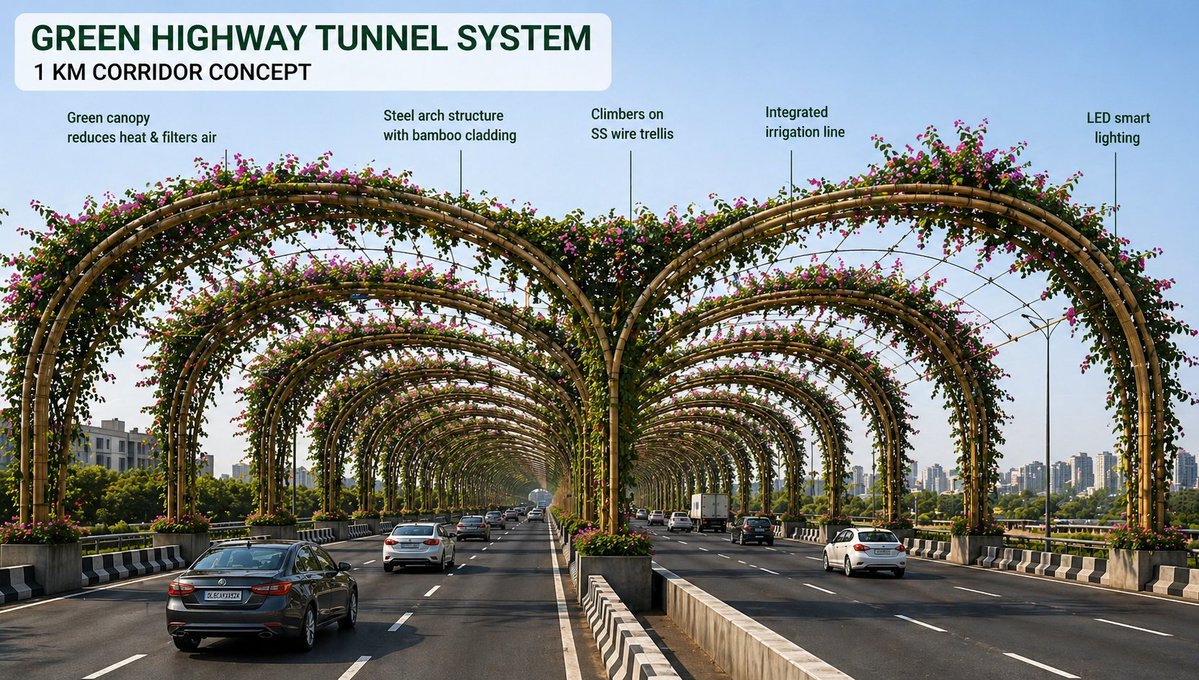
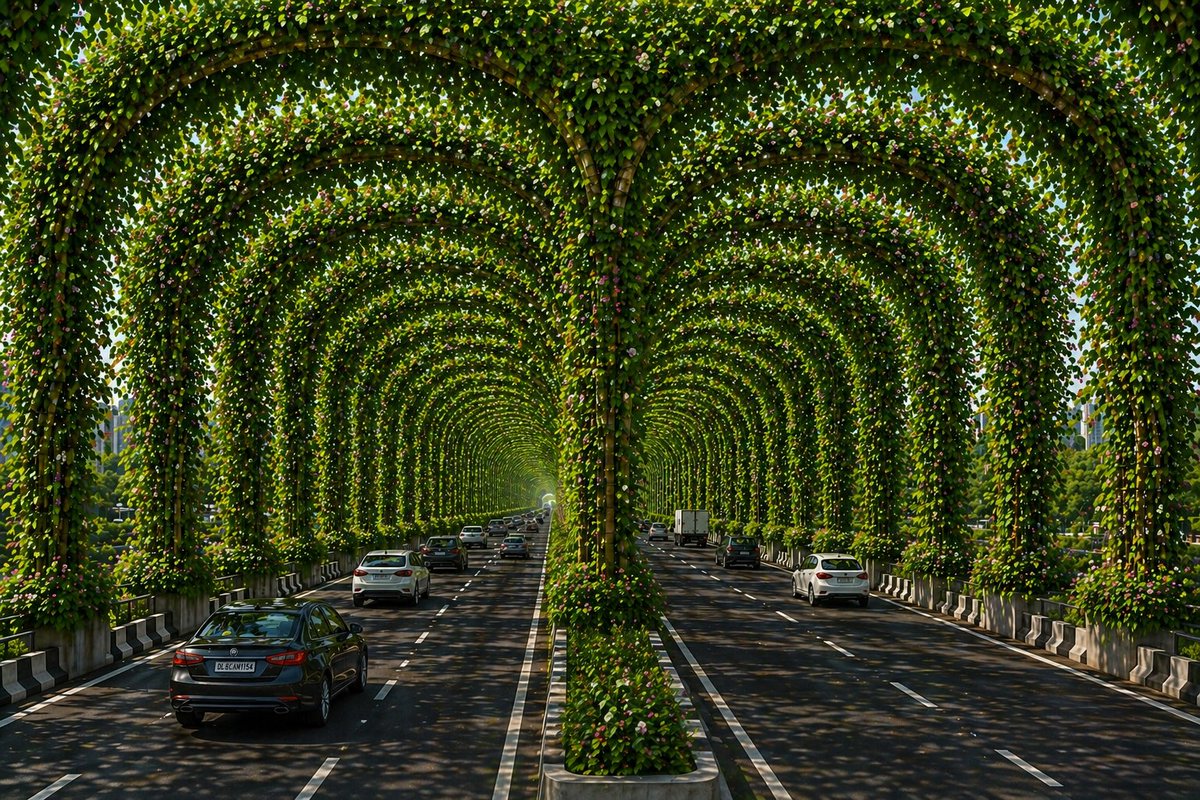
Hear me out folks... This is my first startup idea...
-basically a green tunnel
-using climbers and creepers
-covers the entire section of a road, looks good, less heat
-can add warm lights
-can be installed even in areas where you cannot dig for soil
(Imagined using ai)


English
@ImAbhishek7_ Majority of India does not live in Delhi or Northern Plains. We enjoy pleasant weather and good AQI. Try getting out of house sometimes.
English

40 degree in Summer.
AQI of 500 in Winter.
Cloudbursts, water logging, bridges and roads collapsing during rain.
Apart from all these we’ve amazing activities like standing in lines for LPG
Welcome to Amrit Kaal 🚩🌿
English
@84SikhGenocide Battle flag of the Khalsa Army of Maharaja Ranjit Singh from 1800s, depicting Durga Maa and Lord Hanuman

English

Sikhs have been part of Western societies since the late 1800s, building strong communities and contributing across many sectors. Their presence continues to play a meaningful role in these countries today. #Khalistan is coming.
Soviet India 🇮🇳 will Balkanize soon.

English
@Fintech00 It's been blown out of proportion on social media. We used to have the same 'heatwaves' even 20 years back when we were in school.
English

Have you seen any tweet or update from the ministers regarding heatwave n India?
Not a single right?
No one cares about us guyz.
We are on our own.
Your vote is valuable
Not You.
English
@garvit_sethii Why are people allergic to common sense? Trees don't grow overnight. It takes years.
English

Why is our govt so allergic to trees?
ANI@ANI
#WATCH | Ayodhya, Uttar Pradesh: Iron sheds are being installed on the Hanuman Garhi darshan route to protect devotees from the heat.
English
@Sydusm Helping a million jobless people run their homes through India centric engagement farming.
English

State one area where India is doing great.
Take your time, I'll wait.
English