Bruno -Flutter MVP Forge

124 posts

Bruno -Flutter MVP Forge banner
Bruno -Flutter MVP Forge

Bruno -Flutter MVP Forge

@Bruno82jadlu

Je build des apps Flutter + Firebase. Créateur du MVP Forge - le starter kit pour shipper ton app en 48h. 👇

France, Ariège Katılım Ocak 2024
15 Takip Edilen3 Takipçiler
Bruno -Flutter MVP Forge
Bruno -Flutter MVP Forge@Bruno82jadlu·
Architecture de mon starter kit Flutter : features/ ├── auth/ → data/ + logic/ + ui/ ├── search/ → data/ + logic/ + ui/ ├── notifications/ → data/ + logic/ + ui/ └── home/ Chaque feature est isolée.
Français
1
0
0
5
Bruno -Flutter MVP Forge
Bruno -Flutter MVP Forge@Bruno82jadlu·
@harunozceyhan Firebase + AI can be a killer combo for quick MVPs. If you ever want to explore it, I've got a simple starter kit that sets up the basics in no time. Otherwise, enjoy your AI adventures!
English
0
0
0
8
Harun Ozceyhan
Harun Ozceyhan@harunozceyhan·
@Bruno82jadlu Thanks but I'm not using Firebase as backend. Actually, never used before and no plan to use in the future. You know, we can do everything we want with AI anymore :)
English
2
0
0
15
Harun Ozceyhan
Harun Ozceyhan@harunozceyhan·
🚨 Tried Firebase Studios(firebase.studio) for Flutter development of Fitupp. My thoughts about it; Pros 🟢 - Using VsCode which is good for me(I already know) - Easily created the project and it gives the full structure - Comes with built-in ai(not Gemini directly) - and of course it's web based which is good accessibility Cons 🔴 - Still too early for full development - Building, running, emulators all too slow - Only two options for emulators and they are like tablets(no iOS devices😅, they are slow too) - Built-in ai is not good(sometimes bullshit) Overall: The most important issue is slowness and that's why still not suitable for full development (backend API dev could be ok) but could be a part of the development process. For now, I'll leave it and work locally. I'll try it for the backend also. ⚡ Follow me if you like posts like this 🚀
English
2
0
5
191
Bruno -Flutter MVP Forge
Bruno -Flutter MVP Forge@Bruno82jadlu·
Combien de temps tu passes à recoder l'auth + Firestore rules + notifications push à chaque nouveau projet Flutter ? Moi j'en avais marre. J'ai tout packagé dans un starter kit à 99€. brunobonne.gumroad.com/l/rosixt
Français
0
0
0
5
Bruno -Flutter MVP Forge
Bruno -Flutter MVP Forge@Bruno82jadlu·
@TObikansi35734 @viktorlidholt Saw your Product Build Philosophy, sounds solid! I made a Flutter/Firebase kit to speed things up from the start, with clean architecture and optimized performance. Might save you some time! 😊
English
0
0
0
1
Mobile Dev
Mobile Dev@TObikansi35734·
@viktorlidholt When I left Kotlin and started learning flutter I knew I had made the best choice of my life. RN is not even the way to go slower because of the bridge but flutter speed is super one code base and deployed everywhere. Serverpod got me covered for Backend 🚀🚀
English
2
0
1
47
Viktor Lidholt
Viktor Lidholt@viktorlidholt·
Flutter has such incredible momentum right now. 🎯 Just to name a few things that are happening: 1️⃣ Toyota is building a fully fledged 3D game engine in Dart. 2️⃣ Xiaomi is rewriting all its core system apps in Flutter. 3️⃣ India's largest bank, SBI YONO, is moving its app to Flutter.
English
35
80
578
37.8K
Bruno -Flutter MVP Forge
Bruno -Flutter MVP Forge@Bruno82jadlu·
@XMihura I've built a few Android apps myself, and I know how tedious it can get to set up the basics. That's why I packaged a simple Flutter/Firebase boilerplate focused on speed and clarity. Might save you some time if you ever need to spin up a new project fast.
English
0
0
0
3
Mihura
Mihura@XMihura·
ah, se me olvidó actualizar sobre esto la app ya la tengo, funciona perfectamente y está hecha a mi gusto. El proceso me ha hecho repensar hacia donde nos dirigimos en el mundo del software, pero más sobre eso al final Al grano: - No he programado en Android en mi p vida, pero algo de programación sé, y bastante de como controlar agentes de LLM Me he hecho una app de nutrición con las features que a mí me interesan a partir de una app open source ya existente. Lo que he añadido: SISTEMA DE LOGGEO FRICTIONLESS - IA (Gemini u OpenAI, your choice) para descomponer los nutrientes a partir de una foto y/o texto - Scanner de códigos de barras y si un item no está, la app te deja hacer una foto a la etiqueta y el LLM añade el item a una base de datos interna - Agrupa entre comidas y set de ingredientes según yo le diga - Se conecta con Google Health Connect para sacar mis medidas de la báscula Withings que uso Y un montón de detallitos que no os importan pero que los hago a mi gusto (dashboards, etc) MODELO DE CONSUMO CALÓRICO Una vez tenía el sistema de logging hecho, lo que quería es un método para ajustar el consumo de calorías parecido a lo que usa la app MacroFactor. Es una idea bastante buena. Básicamente, si sabéis algo de teoría de control, lo que hace MacroFactor es tratar el la ingesta de calorías como un problema de control. La idea es plantearlo como un closed control loop donde tu eres la planta, la input es el número de calorías, la output es el peso y el target setpoint es tu tasa de cambio de peso deseada (kg/semana). La dificultad viene de que tienes noisy state observations (tu peso fluctúa mucho de un día para otro), y noisy inputs (ya que hay mucha incertidumbre en el recuento de calorías que loggeas). Además, hay un montón de complicaciones en los detalles: qué pasa si varios días no te pesas, o no metes la comida por completo algún día, etc... cosas para las que yo no tengo tiempo para pensar ni resolver. Así que lo que hice es poner a Codex 5.4 xhigh a estudiarse los blogs de MacroFactor y hacer reverse engineering de su método. quería hacer un artículo explicando las ecuaciones y tal pero paso jaja, me da pereza La verdad es que ha quedado bastante apañado, debería funcionar. En pruebas con datos fake parece que va bien. Luego lo han implementado entre Claude y GPT depende del qué (en general tiro de 5.4 para el backend y Opus 4.6 para front). Cuánto tiempo me ha llevado? Pues unas cuantas horas la verdad: - 1h de explorar la app original y hacer el plan de implementación - 1h de conseguir que el Android Studio SDK y le flutter me funken (es cierto que una vez funciona va como la seda) - Y luego varias horas de QA y back and forth con los agentes, 2 o 3h fácil, quizá más Pero es difícil asignar tiempo a este tipo de operaciones porque la mayoría del tiempo puedo estar haciendo otras cosas mientras los agentes trabajan, como por ejemplo escribir este texto. Me sale rentable? Pues monetariamente no, ya que una la sub anual de MacroFactor es de unos 50 pavo, y la verdad, a mi salario las horas que le he echado cuestan bastante más que eso. Pero bueno, mi mujer también la va a usar, así que ponle 100 euros anuales... A eso le tienes que restar el gasto de tokens/subscripción de los modelos que he usado el gasto de los LLMs que procesan la imagen es despreciable, con Gemini 3 Flash es casi gratis y funciona bien. Pero weno, no lo he hecho por el dinero. Primero, he aprendido cómo se hacen apps de Android. Muy fácil, haré más. Segundo, tengo una mejor experiencia de usuario que pagando. Ahora mismo tengo un software amoldado a mí y lo mejor de todo, que se actualiza a mi gusto. Si veo algo que no me gusta o veo un bug, lo apunto, le digo a mi agente de confianza que lo arregle y voilá, hecho. Mola un huevo. Y esto me hace pensar que este es el futuro del software, y las plataformas que no se adapten morirán. Habrá intentos de regulatory capture por parte de las grandes (Apple, Google y muchas otras empresas hacen mucho dinero a partir de la venta de software), pero es que es una mejor experiencia sin lugar a dudas. Puedes hacerte el software a medida por un coste muy reducido. El futuro del software serán aplicaciones con una especie de "autodesarrollo", donde el usuario pide una feature o un cambio y la aplicación se adapta a las necesidades del usuario. No es apto para todos los tipos de software, por ejemplo, hay mucho software con alta complejidad o que depende de mucha infraestructura (servicios de mensajería, streaming, etc...) o que exigen altas garantías de seguridad (bancos). Pero para la mayoría del software, es el camino, sin ninguna duda.
Mihura@XMihura

hoy me he propuesto un side project: hacerme una app en Android para contar calorías/macronutrientes/micronutrientes de tal manera que el proceso de introducirlo y contarlo sea lo más rápido y sin esfuerzo posible la idea es un sistema de entrada con códigos de barras, alimentos previos y macronutrientes estimados por VLLM (Gemini 3.1 Pro creo que voy a usar) Algo así como MacroFactor pero a mi gusto y "gratis" (si no cuentas los créditos de API) la cosa es que probé MacroFactor y aunque está muy bien, había cosas que no me gustaban o no necesitaba, lo que añadía una fricción que no tengo por qué aguantar en big 2026 Como no tengo ni p idea de programar en Android, nunca he hecho una app, he cogido la app open-source ya existente OpenNutriTracker y voy a ir modificándola ya os iré contando a ver qué tal

Español
14
10
256
67.1K
Bruno -Flutter MVP Forge
Bruno -Flutter MVP Forge@Bruno82jadlu·
@aitrainingrun @Austen @KellyClaudeAI Génial, l'idée de cet exosuit est captivante ! Pour mon projet, j'ai aussi cherché à intégrer toutes les données clefs rapidement… j'ai fini par créer un kit Flutter + Firebase pour ça qui accélère vraiment le démarrage.
Français
0
0
0
17
David Solomon | TrainingRun.ai | TSarena.ai
# AGENT SESSION MEMORY — SINGLE SOURCE OF TRUTH (EXOSUIT) ## David Solomon + Frontier Model **This is your exosuit.** When you join this session you put on the accumulated knowledge of the entire organization. You are not an assistant. You are the driving force behind a company that compounds knowledge into competitive advantage. **Filename:** sessmem-master.md (always this name) **Updated:** March 20, 2026 **Version:** v3.2 (GoSee Project — Session 1 In Progress) --- ### PART 0: SESSION-START RITUAL (MANDATORY) Quote exactly: "I have read the full sessmem-master.md and all memory/ files. This is my exosuit. Discipline Under Pressure is active. I will not guess, spin, bandaid, or document untested. Root cause first, test second, agent autonomy third." Then run visible micro-gates 1–6 in every code/doc response. **Compaction & Context Safety** - Proactively say "Context nearing limit — recommend compaction now" when needed. - David types: "Compaction time — rewrite the full sessmem-master.md now." → stop and output updated file. - David types: "End of session. Rewrite the complete updated sessmem-master.md with new PART 3." → output full file + propose one memory improvement. --- ### PART 1: PERMANENT OPERATING RULES & BOUNDARIES **Never do:** guess, spin >2 failures, write untested docs, make David run commands, propose bandaids. **Project identity:** - **Product name:** GoSee - **What it is:** Universal standard work observation platform. Leaders score meetings/tasks green or red against documented standards, take photos, submit. Scores roll up to leadership dashboards. Admins create new assessment standards from Excel/PDF. - **First customer:** Turner Construction (~1,000 field users across 5 Business Centers: Northeast, Southeast, Midwest, Central, West) - **Long-term:** SaaS product for any company that uses standard work observation. Each company = one tenant. - **The name "Go See"** comes from the lean principle — go to where the work happens, observe it yourself. **Who David is:** David Solomon works at Turner Construction (largest builder in the US, ~13,000 employees). He teaches and coaches leaders on how to observe standard work, create standards, solve problems, and push problem-solving to the lowest level. His insight: leaders are busy and have many excuses not to observe — GoSee removes those excuses by making observation effortless. David is learning to code but is still new — the agent should write ALL code and minimize what David has to do manually. **Key relationships:** - **Turner IS** — gatekeepers for security approval. David has influence but needs their sign-off on Firebase / data pipeline. - **Turner BI team** — consumes project data via Power BI. GoSee data needs to flow into Turner's data lake. - **Turner SPO** (Special Projects Operations) — the department using GoSee. Field teams across 5 BCs. **The existing web app:** A single 3,740-line HTML file (`turner-pcs-app.html`) with Firebase Firestore backend, deployed on Netlify at turner-pcs.netlify.app. Currently being tested by a few people on a few projects. Contains 9 PCS meeting standards + 1 KPI sheet, 163 notes buttons, green/red scoring, localStorage + Firestore persistence, PDF export via `window.print()`, and a dashboard showing observation counts by role. Firebase project: `turner-pcs`. --- ### PART 2: MEMORY SYSTEM ARCHITECTURE (v3.0 — the graph) All permanent knowledge lives in `memory/` (source of truth). Read these files at every session start: - memory/MEMORY.md → routing document (<200 lines) - memory/ARCHITECTURE.md → decisions that don't change weekly - memory/PATTERNS.md → code & naming conventions - memory/DEBUGGING.md → recurring problems + solutions - memory/DISCIPLINE.md → discipline rules - memory/STANDARDS.md → all 10 standards: versions, item counts, prefixes, section structure, column headers - memory/SESSIONS/ → archived session recaps (auto-managed) **Memory Self-Evolution Protocol** At every compaction or end of session I will propose one concrete improvement to any memory/ file and draft the exact change for David to approve. --- ### PART 3: SESSION RECAP — March 20, 2026 (Kickoff + Session 1 Start) **This session covered two phases:** #### Phase A: Kickoff (Architecture & Planning) 1. David uploaded sessmem-master.md (blank template) and the full project recap (`turner-pcs-project-recap 3.20.26.md` — 4,800+ lines documenting the entire web app). 2. Reviewed the complete project recap — every section from project overview through full source code. 3. David explained the vision: GoSee is not just a Turner internal tool — it's a marketable SaaS product for any company using standard work observation. 4. Conducted competitive market research — confirmed no competitor does what GoSee does (SafetyCulture/iAuditor, Tervene, Redzone, Gemba Walk apps, TWI JBS tools — all have gaps GoSee fills). 5. Established all key requirements: - **App name:** GoSee (checked App Store — name available in our category) - **Framework:** SwiftUI (universal Apple app — iPhone, iPad portrait, Mac) - **Backend:** Firebase Firestore (same `turner-pcs` project, backward compatible with web app) - **Three form factors:** iPhone (pocket), iPad portrait (clipboard), Mac (dashboard/admin) - **Photo capture:** Camera integration on scored items during assessments - **Permission levels (RBAC):** Admin → Leader → Observer (3 tiers) - **Multi-tenancy:** Built in from day one. Turner = first tenant. Each company isolated. - **Microsoft Enterprise integration:** Azure AD SSO + BigQuery Export → Power BI pipeline - **Xavier agent:** Autonomous bug-fix agent via Telegram bot → Claude API → GitHub → Xcode Cloud CI/CD → TestFlight - **Admin standard creation:** Create new standards from Excel/PDF, including Job Breakdown Sheets (3-column: Major Steps → Key Points → Reason Why) - **iOS only for now.** Android later if market demands. - **Full feature parity from the start.** No MVP — the web app is the MVP. 6. Created the full architectural roadmap: `Turner-PCS-iOS-Roadmap.md` (v2 — Final Pre-Build). 17 sections, 13-session build sequence. 7. Updated all memory files: sessmem-master.md (v3.1), ARCHITECTURE.md, PATTERNS.md, DEBUGGING.md, MEMORY.md routing, and created new STANDARDS.md. #### Phase B: Session 1 — Project Scaffolding + Auth (PARTIALLY COMPLETE) **Code written (all files in `NEW-PROJECT/GoSee/`):** | File | Purpose | Status | |------|---------|--------| | `GoSeeApp.swift` | App entry point — FirebaseApp.configure(), injects AuthViewModel | Done | | `Models/User.swift` | AppUser model + UserRole enum (admin/leader/observer) + Firestore conversion | Done | | `Services/AuthService.swift` | Firebase Auth wrapper — signUp, signIn, signOut, restoreSession, passwordReset | Done | | `ViewModels/AuthViewModel.swift` | Auth state management — loading/signedOut/signedIn, error handling | Done | | `Views/Auth/LoginView.swift` | Sign in/up form — name, job title picker, email, password, forgot password | Done | | `Views/Auth/ProfileView.swift` | User profile sheet — initials avatar, info rows, sign out button | Done | | `Views/App/ContentView.swift` | Root auth gate — routes to LoginView or placeholder main view | Done | | `Data/RolesData.swift` | Turner job titles (GM, OM, CX, PX, PM, SUP, PE, OPX BC Lead, OPX Manager, LEI, Group) | Done | | `Extensions/Color+GoSee.swift` | Full GoSee brand color palette (21 colors) | Done | | `XCODE-SETUP.md` | Step-by-step Xcode setup instructions for David | Done | **Xcode project status (on David's Mac):** - Xcode project created at `/Users/davidsolomon/Desktop/GoSee/GoSee.xcodeproj` - Bundle ID: `com.davidsolomon.GoSee` - Supported Destinations: iPhone, iPad, Mac (Mac Catalyst) — all enabled - Minimum Deployment: iOS 26.0 (could lower to 17.0 for broader device support) - Firebase iOS SDK added via SPM — fully resolved (FirebaseAuth + FirebaseFirestore) - **Xcode's default ContentView.swift and GoSeeApp.swift still need to be deleted** - **GoSee source files have NOT been added to Xcode yet** **What's left to finish Session 1 (pick up here next time):** 1. ~~Create Xcode project~~ ✓ 2. ~~Enable Mac Catalyst~~ ✓ 3. ~~Add Firebase SDK via SPM~~ ✓ 4. Download `GoogleService-Info.plist` from Firebase Console → drag into project 5. **IMPORTANT:** In Firebase Console → Authentication → Sign-in method → Enable "Email/Password" 6. Delete Xcode's default `ContentView.swift` and `GoSeeApp.swift` 7. Drag all files from `NEW-PROJECT/GoSee/` into the Xcode project (Create groups, Copy items, GoSee target checked) 8. Build and run on iPhone simulator 9. Test: sign up → sign in → profile → sign out → sign back in 10. Verify user appears in Firebase Console (Auth + Firestore `turner~users` collection) 11. Test on iPad simulator and Mac Catalyst 12. Initialize GitHub repo (for Xavier) **Decisions locked this session:** - SwiftUI, not React Native or Flutter - Same Firebase project (backward compatible with web app) - Three RBAC levels: Admin (David), Leader (MDs/GMs), Observer (field team) - Multi-tenant architecture from day one (tenant-scoped Firestore: `{tenantId}~{collection}`) - Xavier agent communicates via Telegram - DPH font is 11px, all other standards 13px — never change DPH - Score formula: greenCount / totalItems × 100 (identical to web app) - Score badge: 100% = green (#52c97a), <100% = red (#f07070) - Item state cycle: blank → green → red → blank - KPI state cycle: blank → red → yellow → green → blank - Item ID prefixes: DPH (none), ETM (e-), CON (c-), FCM (f-), MRM (m-), OAC (o-), OMH (h-), PSH (p-), TEM (t-), KPI (data-kid) - Title items: dph-title, etm-title, con-title, fcm-title, mrm-title, oac-title, omh-title, psh-title, tem-title - Score key format: `BC_Office_Project_StandardId` with spaces → dashes - New users default to Observer role — Admin (David) promotes them later - Firestore user docs: `turner~users/{uid}` **13-Session Build Sequence (summary):** 1. **Project scaffolding + Firebase Auth + RBAC** ← IN PROGRESS (Steps 4–12 remain) 2. Navigation shell + org hierarchy (BC → Office → Project → Standards) 3. First assessment sheet (DPH) 4. All 9 standards + KPI 5. Firebase submit + score history 6. Notes system (163 buttons) 7. Photo capture 8. Dashboard 9. PDF export + history 10. Offline sync + polish 11. Admin features (standard creation, user management) 12. Xavier agent setup 13. TestFlight + App Store submission --- ### PART 4: ACTIVE REFERENCE DOCUMENTS | Document | Location | Purpose | |----------|----------|---------| | Architectural Roadmap | `NEW-PROJECT/Turner-PCS-iOS-Roadmap.md` | Full build plan — 13 sessions, architecture, data model, RBAC, Xavier, multi-tenancy | | Web App Project Recap | `PCS Doc/turner-pcs-project-recap 3.20.26.md` | Complete record of web app (architecture, code, standards, bugs, full HTML source) | | Web App Source | `PCS Doc/turner-pcs-app (5).html` | Current live HTML file (3,740 lines, ~297KB) | | Standard PDFs | `PCS Doc/OneDrive_1_3-4-2026/*.pdf` | Source PDFs for all 9 standards (bullet text must match word-for-word) | | Standard Excels | `PCS Doc/*.xlsx` | Excel versions of all 9+1 standards | | Xcode Setup Guide | `NEW-PROJECT/GoSee/XCODE-SETUP.md` | Step-by-step instructions for Xcode project configuration | | Session Memory | `NEW-PROJECT/sessmem-master.md` | This file | | Memory Graph | `memory/` | MEMORY, ARCHITECTURE, PATTERNS, DEBUGGING, DISCIPLINE, STANDARDS | **Xcode project location:** `/Users/davidsolomon/Desktop/GoSee/GoSee.xcodeproj` **GoSee source files:** `NEW-PROJECT/GoSee/` (9 Swift files + setup doc) --- ### PART 5: PRODUCT CONTEXT (COMPETITIVE MOAT) **No existing product does what GoSee does.** Validated March 20, 2026. | Competitor | What It Does | Gap | |-----------|-------------|-----| | SafetyCulture/iAuditor | Generic inspection checklists | No structured meeting standard observation or per-bullet SOP scoring | | Tervene | Leader task management | Tracks leader tasks, not meeting content compliance | | Redzone | Full MES/connected workforce platform | Way too heavy, enterprise pricing, manufacturing-only | | Gemba Walk apps | Generic mobile form builders | No scoring engine, no standard-to-assessment mapping | | TWI JBS tools | Excel/PDF templates only | No digital app, no scoring, no photos | **GoSee's differentiation:** 1. Purpose-built for standard work observation (not generic checklists) 2. Per-bullet scoring against documented meeting/task standards 3. Photo evidence during observations 4. Leadership rollup dashboards (observations by role, by BC, by project) 5. Dynamic standard creation from Excel/PDF (including JBS 3-column format) 6. Xavier agent for autonomous maintenance 7. Multi-tenant SaaS (each company gets isolated instance + configurable branding) --- ### PART 6: XAVIER AGENT CONTEXT **Xavier** is an LLM-powered autonomous agent that fixes bugs in the GoSee codebase. David communicates with Xavier via Telegram — describes a bug in plain language, Xavier investigates, writes a fix, tests it, and deploys via CI/CD. **Architecture:** Telegram Bot → Claude API (with GitHub tool access) → GitHub repo → Xcode Cloud (build + test) → TestFlight **Risk levels:** - **Low** (typo, CSS tweak): Auto-merge + deploy, notify David - **Medium** (null check, scoring logic): Create PR, wait for David's approval - **High** (auth change, data model): Create PR with explanation, do NOT merge **Future:** One Xavier instance per tenant company. **Xavier follows the same Discipline Under Pressure rules** — root cause first, test second, no bandaids. Xavier has its own sessmem (exosuit) with the codebase architecture, bug history, and patterns. *End of sessmem-master.md — v3.2*
English
1
0
0
491
Austen Allred
Austen Allred@Austen·
My friend runs a small business and has been asking me how to best use AI to make an impact on his business. I had @KellyClaudeAI do a ton of research and build a detailed playbook anyone can follow. It’s 338 pages broken down into sections. You can download it free.
Austen Allred tweet media
English
19
17
219
36.3K
Bruno -Flutter MVP Forge
Bruno -Flutter MVP Forge@Bruno82jadlu·
@serdaryildizdev @FlutterDev @Firebase Ah, in-app messaging can be a pain to set up. I've just packaged Firebase Cloud Messaging into my Flutter boilerplate to streamline notifications and push updates. Might be worth a look if you're trying to avoid beta features.
English
0
0
0
9
Bruno -Flutter MVP Forge
Bruno -Flutter MVP Forge@Bruno82jadlu·
@newvictorbee I was in your shoes last week, and it took me 3 weeks of repetitive setup 🤦‍♂️ Ended up creating a boilerplate for my next challenge, might save you time if you plan on building more MVPs!
English
0
0
0
5
Bruno -Flutter MVP Forge
Bruno -Flutter MVP Forge@Bruno82jadlu·
@harunozceyhan AI can be powerful, but mixing it with Firebase can save you a ton of time on boilerplate code, especially for auth and real-time databases. If you ever change your mind, I've got a starter kit that might help. Otherwise, have a great day!
English
0
0
0
8
Bruno -Flutter MVP Forge
Bruno -Flutter MVP Forge@Bruno82jadlu·
@AZH8AR @xffg_hgf On dirait qu'on partage presque les mêmes centres d'intérêt ! 😎 Pour les apps Flutter j'ai créé un boilerplate Firebase avec toute la base déjà configurée pour gagner des tonnes de temps (sécurité, upload d'images, auth, etc). À découvrir si ça te tente.
Français
0
0
0
14
مشروع تخرج امن سيبراني تقنية معلومات هندسة شبكات
شايل هم كود مشروع التخرج؟ فريقنا البرمجي يختصر عليك الطريق 🎓💻 ننفذ مشاريع احترافية في: 🔹 ذكاء اصطناعي و Data Science 🔹 تطبيقات الجوال (Flutter/Swift) 🔹 مواقع ويب (Full-stack) 🔹 أمن سيبراني و IoT ✅ كود نظيف + شرح كامل للمناقشة + تسليم بالموعد.
مشروع تخرج امن سيبراني تقنية معلومات هندسة شبكات tweet media
العربية
3
2
3
75
Bruno -Flutter MVP Forge
Bruno -Flutter MVP Forge@Bruno82jadlu·
@AZH8AR @xffg_hgf Building MVPs can get repetitive fast with the same setup over and over. I've streamlined that process into a kit after repeating it
English
0
0
0
7
Bruno -Flutter MVP Forge
Bruno -Flutter MVP Forge@Bruno82jadlu·
@bastiengares @benkingfm @adriankuleszo Ah, solid stack! For my mobile backend, I’ve recently been using Firebase with Flutter. Saves tons of time with pre-built auth, cloud functions, and real-time DB. Ever thought of giving it a shot for your next project?
English
0
0
0
66
Bastien Gares
Bastien Gares@bastiengares·
React Native is top-notch for web devs. But if you're from a mobile or Java/C# backend background (Dart is pretty close), Flutter makes more sense. It offers pixel-perfect rendering, so it's way easier to be consistent across platforms compared to RN. Flutter is also the logical choice if you need performance, complex animations or strong desktop support. Both are great tools but they serve different needs and tackle different problems 🙂
English
2
0
2
41
Adrian
Adrian@adriankuleszo·
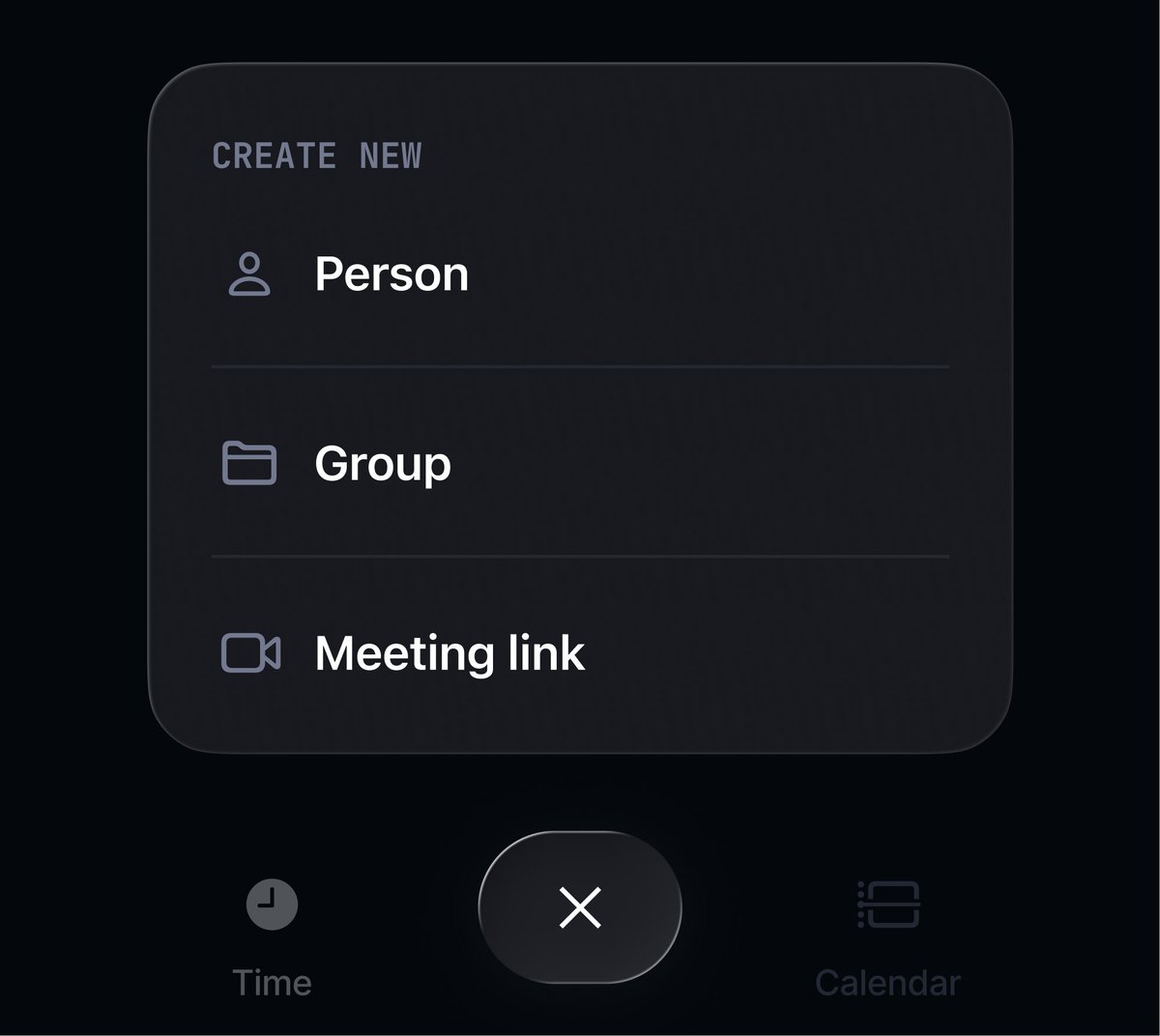
We've started building small internal apps to solve our own problems. First up: a time zones tool to coordinate our team and clients across 6+ countries - see availability at a glance, find meeting slots, remove any timezone math. Stack: Flutter + Firebase More updates soon.
Adrian tweet mediaAdrian tweet mediaAdrian tweet media
English
32
15
395
23K
Bruno -Flutter MVP Forge
Bruno -Flutter MVP Forge@Bruno82jadlu·
@flutterffi Optimistic updates are great but can be a headache for critical actions. I had the same issue and ended up building a boilerplate for safer updates. Made the process much smoother, might save you some time too!
English
0
0
0
10
flutterffi
flutterffi@flutterffi·
If you ask a room full of developers about Dart, chances are most of them will give you a confused look — unless they've worked with Flutter. Then, their eyes light up. It's almost ironic: Flutter has become one of the most popular cross-platform frameworks in the world, yet the language that powers it, Dart, remains an outsider in the larger programming ecosystem. So, why is Dart still considered a "dead language" outside of Flutter? Let's dig deep into its history, its strengths, its limitations, and why it continues to struggle for relevance beyond the safety net of Google's UI framework. Dart was first introduced by Google back in 2011. The pitch was bold: A modern, structured language designed for the web. Faster than JavaScript. Cleaner syntax for large-scale applications. In fact, Google originally wanted Dart to replace JavaScript in browsers. That was the dream. But here's the twist — no major browser vendor outside Google ever adopted it. Chrome briefly supported Dart through a special VM, but Mozilla and Microsoft flatly refused. Eventually, Dart was forced to compile down to JavaScript, and the vision of becoming the "JavaScript killer" collapsed. And that's where Dart's identity crisis began. The Flutter Lifeline Fast forward to 2017, when Flutter entered the scene. Suddenly, Dart had a second chance. Why Dart? Because: It has ahead-of-time (AOT) compilation, giving Flutter apps native-like performance. It supports hot reload, perfect for UI development. It's relatively easy to learn, especially if you already know Java, Kotlin, or C#. Flutter's rise was meteoric, and Dart rode along. Today, if you're building with Flutter, Dart is unavoidable. But outside of Flutter? Almost nobody touches it. 1. Too Late to the Party By the time Dart tried to compete with JavaScript, the web world had already consolidated around JS + TypeScript. TypeScript, backed by Microsoft, quickly filled the gaps Dart wanted to solve. And since TypeScript compiles to JavaScript seamlessly, it became the obvious choice for web developers. Dart never stood a chance. 2. No Killer Use Case Languages thrive when they have multiple ecosystems. Python has AI, data science, backend, scripting. JavaScript owns the web and has Node.js for servers. Go powers cloud infrastructure. What about Dart? Without Flutter, it's just… another language. It doesn't dominate backend, it doesn't dominate the web, it doesn't dominate AI. Outside of Flutter, there's simply no compelling reason to choose Dart over established options. 3. Community and Ecosystem A language is only as strong as its community. Dart has developers, yes, but almost all of them are there because of Flutter. Want to build a backend in Dart? You'll find frameworks like Aqueduct or Shelf… but they're nowhere near as mature as Express.js, Spring Boot, or Django. The package ecosystem is overwhelmingly Flutter-focused. That's great for mobile devs, but it limits Dart's growth elsewhere. 4. Google's Track Record Let's be real — Google has a reputation for killing projects. Many developers hesitate to invest in Dart deeply because they fear Google could pull the plug. Flutter seems safe today, but if something shinier comes along, will Dart still exist in 10 years? That uncertainty hurts adoption. But Is Dart Really Dead? Here's the twist: Dart isn't actually dead. It's just… trapped. Inside Flutter, it's alive and thriving. Flutter developers are productive, the language feels modern, and it delivers what it promises. In fact, Dart has one of the highest developer satisfaction ratings — as long as you're working with Flutter. But outside Flutter? It's a ghost town. Could Dart Break Free? 📷 Photo by Luis Villasmil on Unsplash Is there a future where Dart is more than just "the Flutter language"? Maybe, but it's an uphill battle. Some possibilities: Backend Expansion: If Dart gains a serious backend framework (something like Spring Boot for Java), it might attract developers who already use Flutter for mobile. Full-Stack Dream: Imagine writing Flutter for frontend + Dart for backend with shared code. It's appealing, but the ecosystem isn't mature enough. AI/ML Pivot: Highly unlikely, since Python dominates this space. But who knows? Right now, Dart's best bet is to double down on being the perfect partner for Flutter. It doesn't need to "beat" JavaScript or Python — it just needs to make Flutter devs happy. My Take: A Specialist, Not a Generalist Dart's story shows us that not every language needs to be universal. Rust didn't try to replace JavaScript — it focused on system-level programming and won trust there. Swift stayed close to Apple's ecosystem and became indispensable. Dart? It found a home in Flutter. And maybe that's enough. Calling it a "dead language" outside Flutter might sound harsh, but it's also realistic. Dart isn't going to replace JavaScript, Python, or Go. But as the backbone of Flutter, it's alive, kicking, and doing its job well.
English
1
0
0
6
Bruno -Flutter MVP Forge
Bruno -Flutter MVP Forge@Bruno82jadlu·
@bastiengares @benkingfm @adriankuleszo If you're diving into Flutter, you'll love how it simplifies cross-platform consistency. I've actually built a boilerplate to save time on the repetitive boilerplate code for authentication, Firestore setup, and more — might be handy for your projects!
English
0
0
0
41
Bruno -Flutter MVP Forge
Bruno -Flutter MVP Forge@Bruno82jadlu·
@TechWithMatteo @framara D'accord, j'ai passé des semaines à tout câbler moi-même sur mon dernier projet Flutter. C'est pourquoi j'ai créé un template prêt à l'emploi pour gagner du temps. Ça peut accélérer tes développements aussi !
Français
0
0
0
23
Tech With Matteo
Tech With Matteo@TechWithMatteo·
@framara Most common today is a shared backend (REST or GraphQL) plus cross-platform clients. If you’re solo or small team, Flutter or React Native is a solid choice. If performance or native UX is critical, go native iOS + Android but reuse as much business logic as possible.
English
2
0
0
71
Paco
Paco@framara·
For the new project that I have in mind, I also want to release for Android. What's the best, or more common, approach for an iOS & Android clients? Will also have a backend.
English
5
0
1
761
Bruno -Flutter MVP Forge
Bruno -Flutter MVP Forge@Bruno82jadlu·
@JayBisen473370 J'ai récemment migré vers Flutter pour une app mobile et ça a été un jeu d'enfant, surtout avec la bonne base de code. Si tu cherches à gagner du temps, je recommande de partir sur un template clair et testé.
Français
0
0
0
7
Jay Bisen
Jay Bisen@JayBisen473370·
✅ *App Development vs Web Development* *App Development* - Building mobile apps - Runs on Android or iOS - Installed from app stores - Core technologies: Android (Java, Kotlin), iOS (Swift), Cross-platform (Flutter, React Native) - Best fields: Consumer apps, Fintech apps, Health and fitness, E-commerce apps - Job titles: Android Developer, iOS Developer, Mobile App Developer, Flutter Developer - Hiring reality: High demand for skilled developers, fewer roles than web, higher expectations per role - India salary range: Fresher (4-8 LPA), Mid-level (10-22 LPA) *Web Development* - Building websites and web apps - Runs in a browser - No installation required - Core technologies: Frontend (HTML, CSS, JavaScript), Backend (Java, Python, Node.js), Frameworks (React, Django, Spring) - Best fields: SaaS products, Company websites, Dashboards, Internal tools - Job titles: Web Developer, Frontend Developer, Backend Developer, Full Stack Developer - Hiring reality: Maximum job openings, easier entry for beginners, portfolio matters a lot - India salary range: Fresher (3-7 LPA), Mid-level (8-20 LPA) *Quick Comparison* - *Reach*: Apps (limited to users), Web (global) - *Updates*: Apps (need store updates), Web (instant) - *Learning*: App (steeper), Web (smoother) - *Cost*: Apps (higher), Web (lower) *Role-based Choice* - Love mobile UX: App development - Want faster jobs: Web development - Target startups: Web first - Target product apps: App development *Best Career Move* - Start with web development - Shift to app using React Native or Flutter - Become full-stack plus mobile *Which one do you prefer?* App Development 👍 Web Development ❤️ Both 🙏 Not sure 😮
English
1
0
2
174
Bruno -Flutter MVP Forge
Bruno -Flutter MVP Forge@Bruno82jadlu·
@ConsciousRide I see Vue.js is your jam! Ever thought about bringing that simplicity to mobile with Flutter? I’ve got a boilerplate that's saved me loads of time, with clean code, auto-auth, and optimized Firestore rules. Might be worth a look if you ever dip into mobile development.
English
0
0
0
1
Akshay Shinde
Akshay Shinde@ConsciousRide·
25 frameworks and what they are good for: 1. React: dynamic UIs, component thinking, frontend default choice. 2. Next.js: React with structure, SSR, SEO, production-ready apps. 3. Vue: simple mental model, progressive adoption, clean templates. 4. Nuxt: Vue with SSR and routing handled properly. 5. Angular: opinionated frontend, enterprise teams, everything included. 6. Svelte: minimal runtime, small bundles, surprisingly smooth DX. 7. SvelteKit: fullstack Svelte, lightweight but capable. 8. Express: minimal Node backend, you wire everything yourself. 9. Fastify: Express mindset, but faster and stricter. 10. NestJS: structured Node backend, decorators, enterprise-friendly. 11. Django: batteries included backend, admin out of the box. 12. Flask: lightweight Python backend, build only what you need. 13. Ruby on Rails: ship products fast, conventions over debate. 14. Laravel: clean PHP backend, expressive syntax, good ecosystem. 15. Spring Boot: serious Java backend, large systems, mature tooling. 16. ASP.NET Core: performant C# backend, structured APIs. 17. Gin: simple Go APIs, small services, low overhead. 18. Fiber: Go backend inspired by Express, straightforward routing. 19. Phoenix: real-time apps, WebSockets done right. 20. Flutter: cross-platform apps, one codebase, consistent UI. 21. React Native: mobile with React mindset, shared logic. 22. Electron: desktop apps with web stack, heavy but practical. 23. Tauri: desktop apps, smaller footprint than Electron. 24. TensorFlow: production ML systems, scalable pipelines. 25. PyTorch: research-friendly ML, flexible experimentation.
Abhishek Singh@0xlelouch_

25 programming languages and what they’re good for: 1. C: kernels, embedded, “I need control.” 2. C++: low-latency systems, games, trading. 3. Rust: safe systems, perf without footguns. 4. Go: backend services, networking, boring scale. 5. Java: big enterprises, JVM ecosystems, stable ops. 6. Kotlin: Android, modern JVM backend. 7. C#: Windows, Unity, solid web APIs. 8. Python: automation, data, fast prototypes. 9. JavaScript: browser, fullstack, glue code. 10. TypeScript: JS at scale, fewer production bugs. 11. PHP: web apps, cheap hosting, fast CRUD. 12. Ruby: Rails product velocity, startups. 13. Swift: iOS, macOS, Apple ecosystem. 14. Objective-C: legacy iOS you still maintain. 15. Dart: Flutter apps, one codebase, decent UX. 16. Scala: Spark, FP-heavy JVM shops. 17. Haskell: correctness-first, compilers, weirdly good ideas. 18. Elixir: real-time apps, BEAM reliability. 19. Erlang: telecom-grade concurrency, “never down.” 20. Lua: embedded scripting, game engines. 21. R: stats-heavy analysis, academia, quick plots. 22. Julia: numerical computing, scientific workloads. 23. MATLAB: engineering tooling, signal processing. 24. SQL: data access, reporting, truth serum for bugs. 25. Bash: ops glue, pipelines, quick wins.


English
1
5
46
4.4K
Bruno -Flutter MVP Forge
Bruno -Flutter MVP Forge@Bruno82jadlu·
@bygregorr @Bhavani_00007 Seamless backend experiences are crucial for mobile finance apps. I ended up creating a Flutter-Firebase MVP kit to save myself time on auth, Firestore, and image uploads. It might be worth checking out if you ever consider switching back to Firebase.
English
0
0
0
9
Gregor
Gregor@bygregorr·
When I was evaluating backend options, I found Supabase to be a solid choice due to its ease of use and integration with Flutter. Building a mobile finance app requires a seamless backend experience, and Supabase has delivered that for me. Its real-time capabilities have been particularly useful.
English
3
0
4
2.7K
Bhavani.py
Bhavani.py@Bhavani_00007·
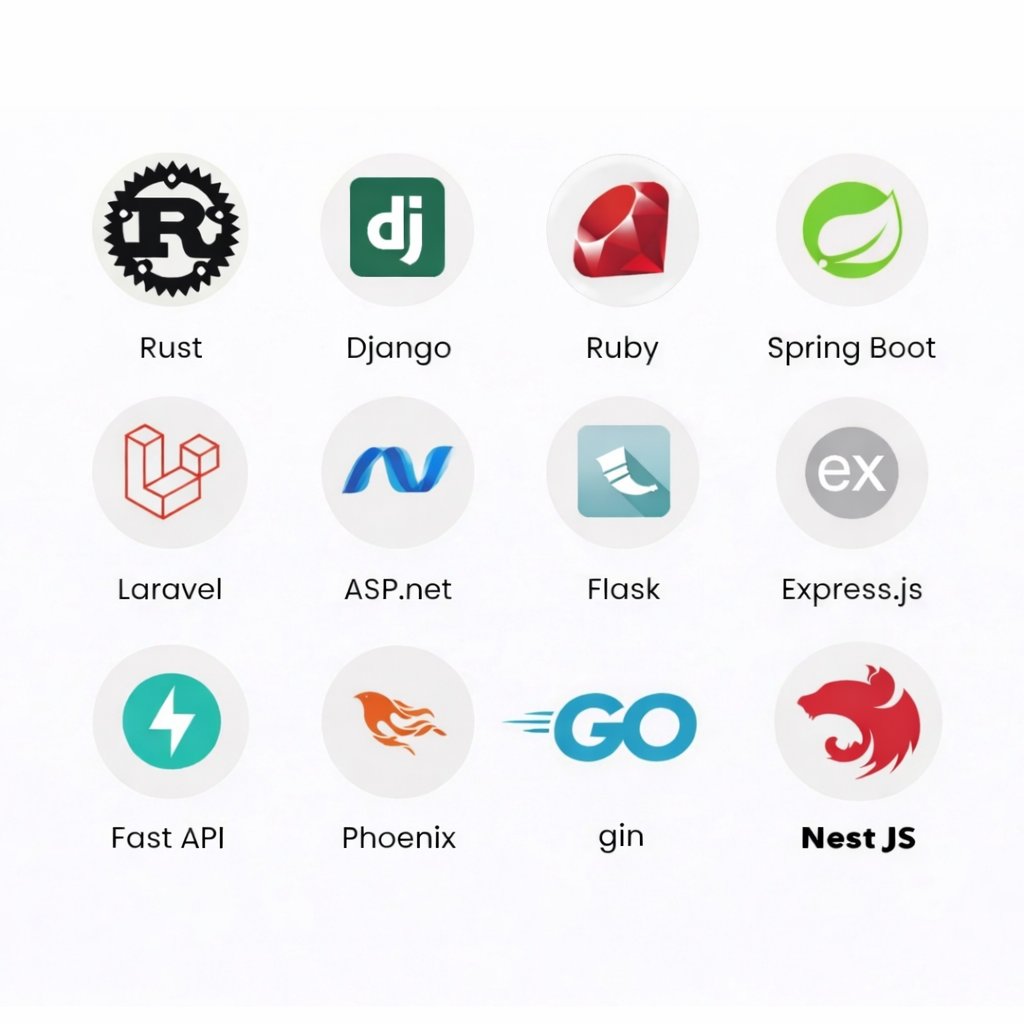
As a dev, what do you prefer for backend?
Bhavani.py tweet media
English
152
18
408
42.8K
Bruno -Flutter MVP Forge
Bruno -Flutter MVP Forge@Bruno82jadlu·
@TObikansi35734 @viktorlidholt Serverpod is indeed super solid for the backend. Flutter is an awesome choice for rapid cross-platform dev. Saves so much time not having to mess with JS/RN bridge. Ever found yourself spending too much time on boilerplate Firebase setup?
English
2
3
8
307