

Bryan Webb
8.3K posts

Bryan Webb
@BryanWWebb
Chef for 48 years. Michelin star for 10 years, 22 @ Tyddyn Llan, 14 @ Hilaire. Semi retired but open to ideas. Lover of goodfood, wine, cycling and Mrs Webby.
Hawarden, Wales Katılım Mayıs 2011
175 Takip Edilen4K Takipçiler


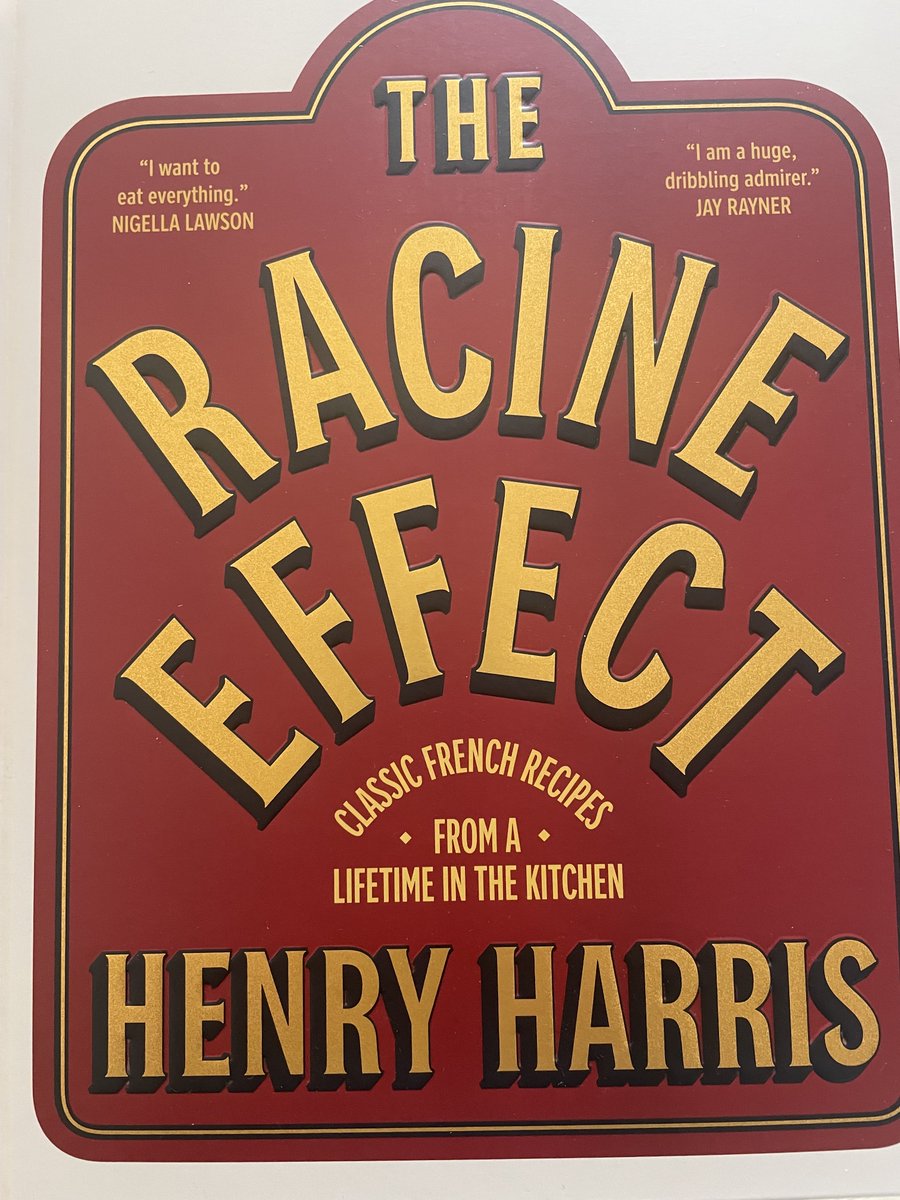
I don’t buy many cookery books these days but I highly recommend this one. Wonderful stories and fabulous food you would want to cook and eat.
English
Good Friday fish supper of wild bass with avocado and roasted cherry tomatoes. Mrs Webby favourite. Brill with asparagus for me. Fish stocks are running low. Happy Easter everyone.


English


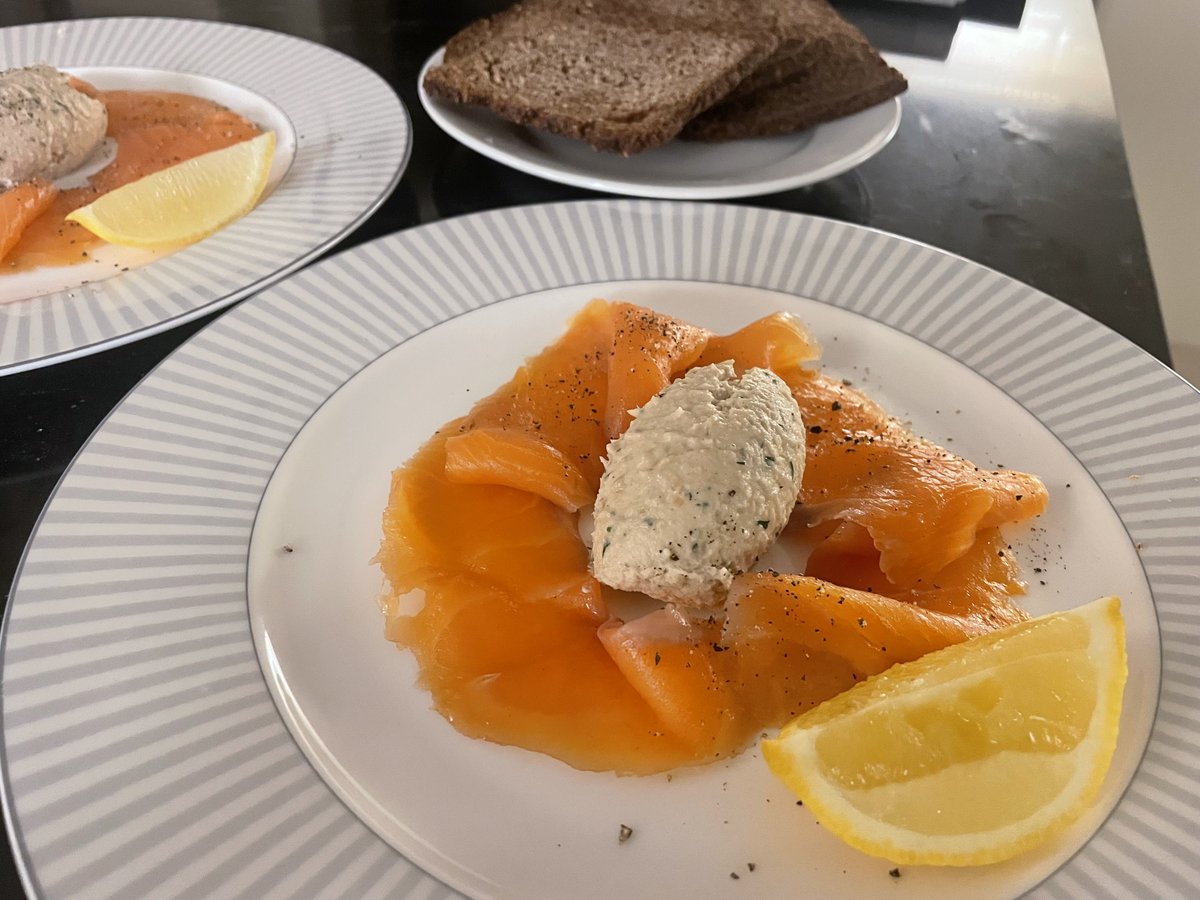
Sunday supper of Wye and Seven smoked salmon and mackerel pate plus Guinea fowl with morels and asparagus.

English
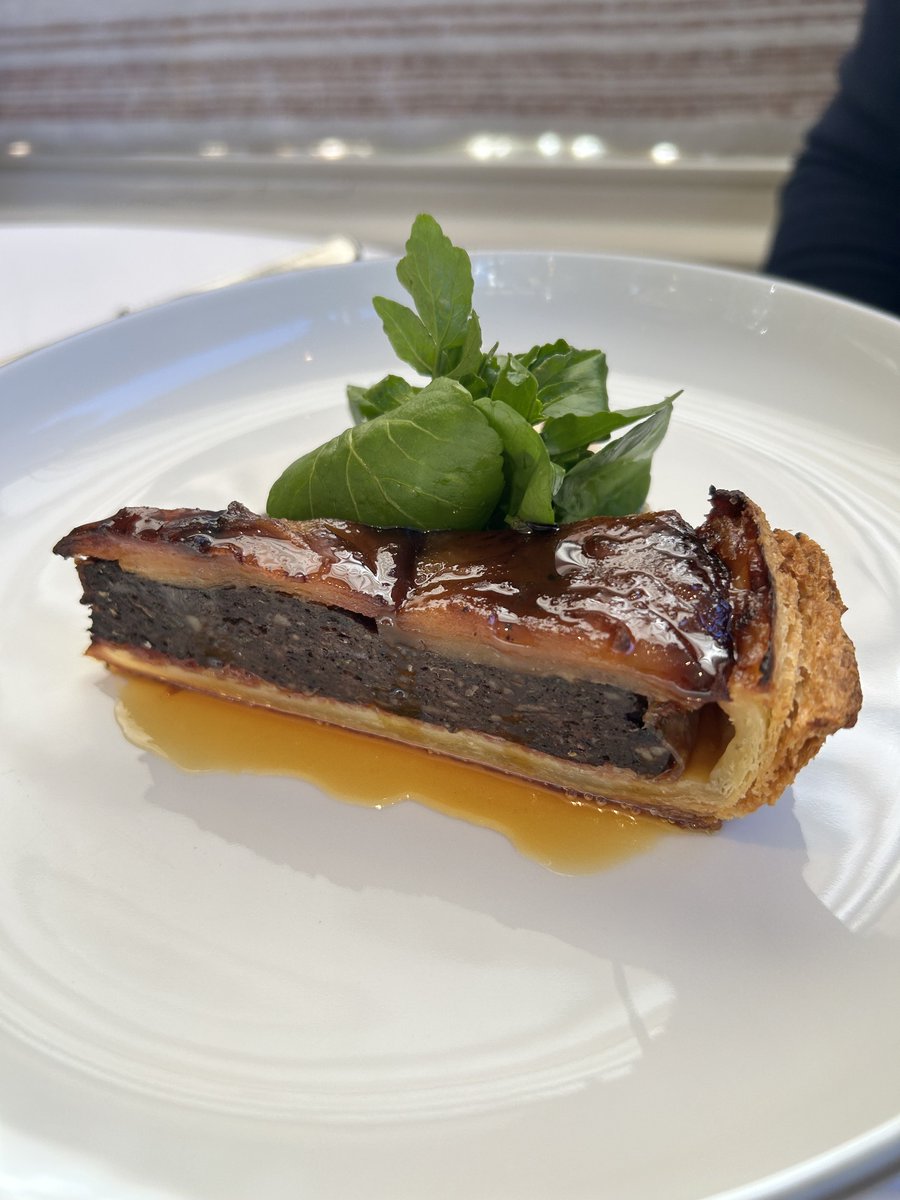
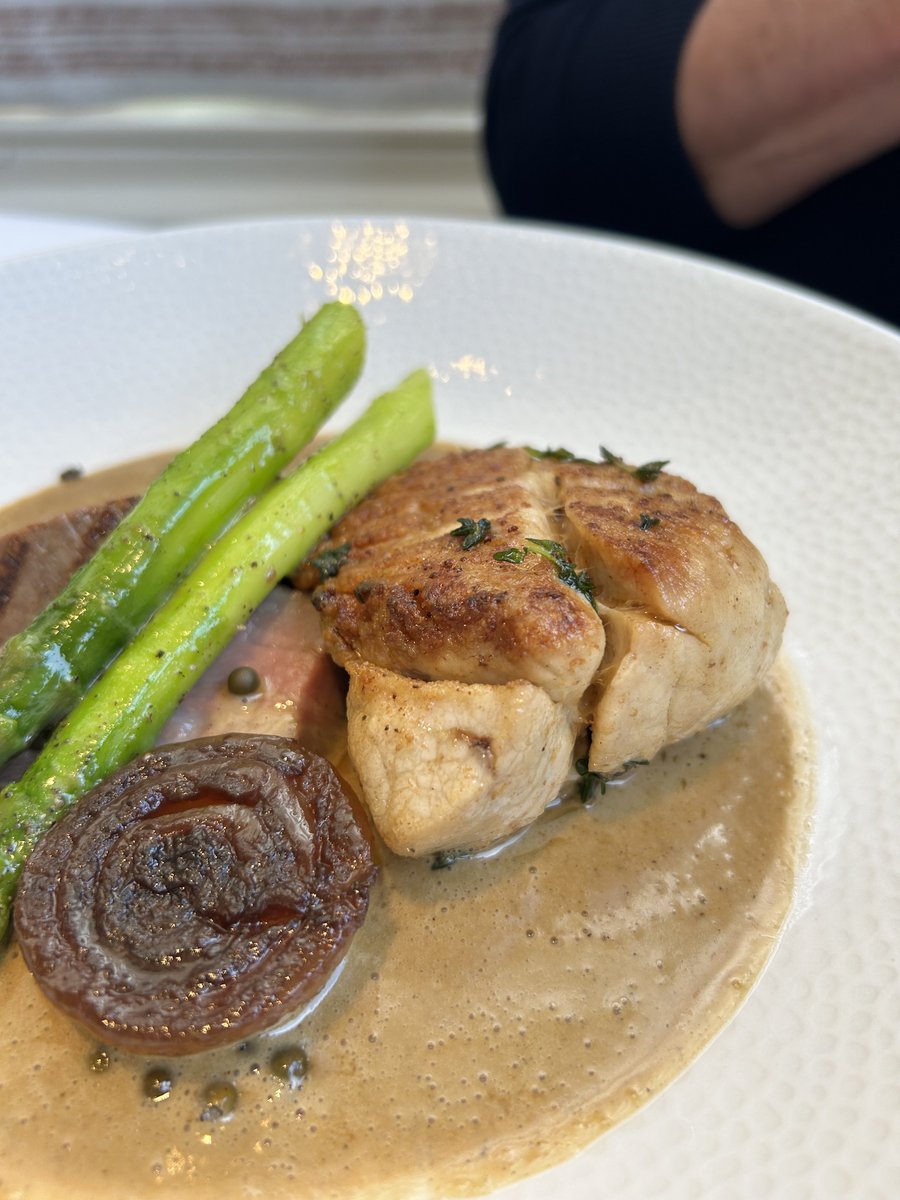
My delicious lunch dishes yesterday @ChezBruce amazing as always with fantastic service. Thank you.
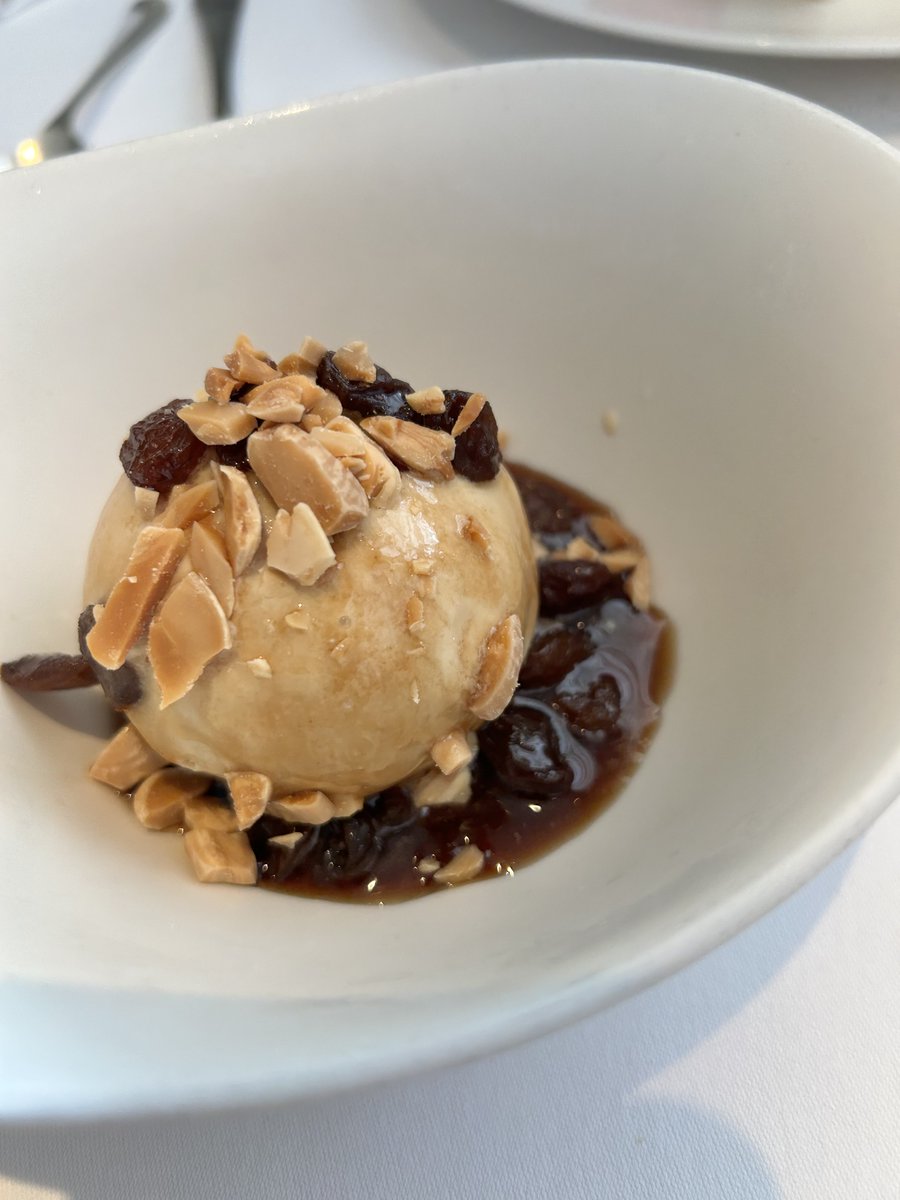
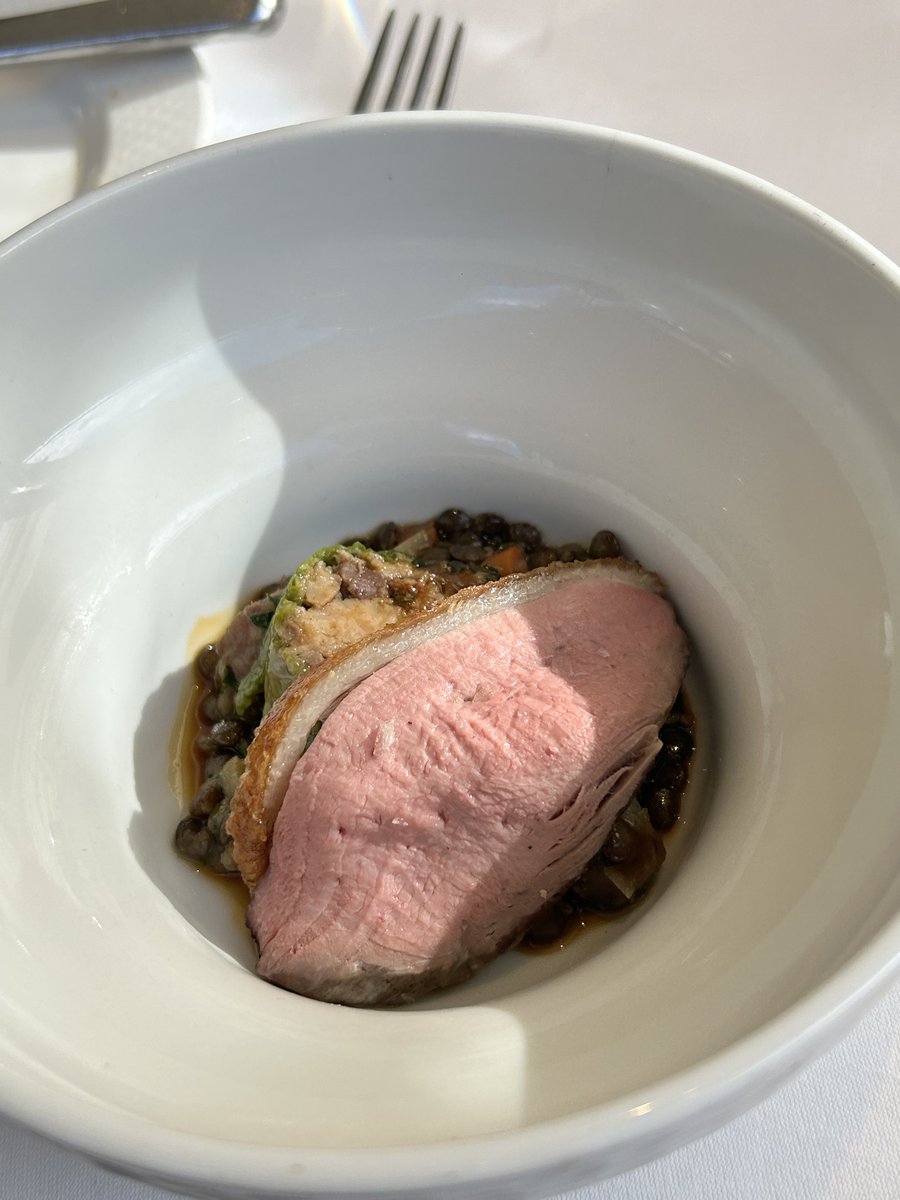
English
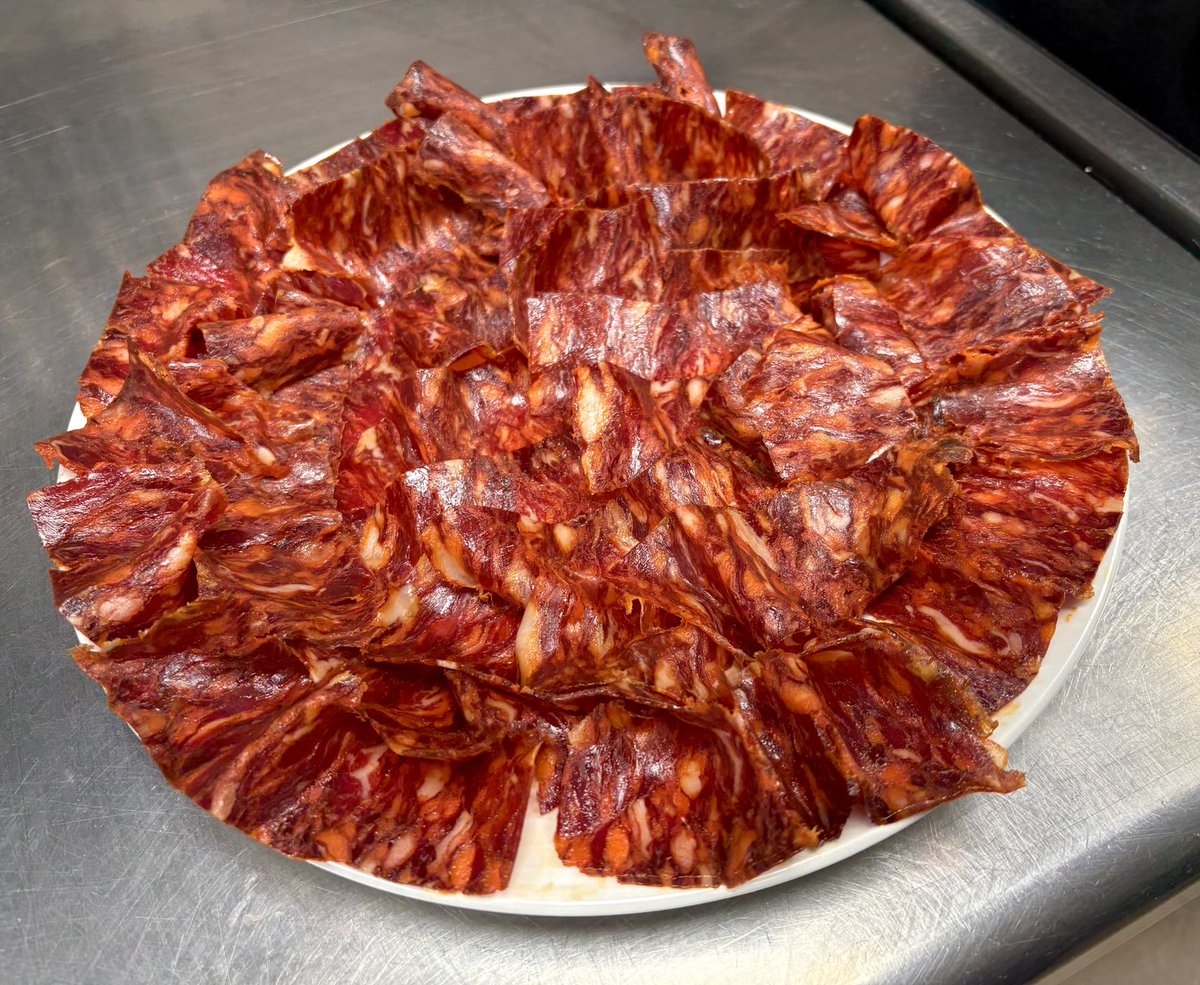
Excellent 2 course lunch on Friday for only £20 and £3 for delicious chocolate pot @StickyWalnut such a bargain with great tasty food.


English
@greatorex @UKHospKate @switherdenMP @KenSkatesMS @business_owen @andyjlennox @EdthePubMan @EssexPR @RachelReevesMP I can never understand why we have to pay VAT for gas, electricity and oil. They are basic for every day living. Not a luxury.
English

I had this joyous email only yesterday. Yet more taxes takes my daily standing charge for electricity up to nearly £10 a day (with VAT). Yet another blow for rural businesses. @switherdenMP @KenSkatesMS @business_owen @andyjlennox @EdthePubMan @EssexPR @RachelReevesMP @Ed_Miliband


English

This needs to look at commercial energy costs too because this impacts cost of living the most in the form of food prices across the supply chain. Scrap or pause the govt imposed levies that can make up 30-40% of total hospitality bills
Steven Swinford@Steven_Swinford
Exclusive: Keir Starmer will next week convene an emergency meeting of senior cabinet ministers and the governor of the Bank of England to discuss plans to help households with the soaring cost of living caused by the war in Iran As the conflict enters its fourth week, Starmer and Rachel Reeves, the chancellor, are weighing up a series of measures to help families facing an inflation shock, including a potential multibillion-pound energy bill bailout. Reeves favours a “targeted” approach that will focus on the poorest households amid concerns that a “universal” scheme will be too costly, although all options remain under consideration. The Tories opted for a universal bailout for every household in the wake of Russia’s invasion of Ukraine which cost more than £40billion. The chancellor is concerned that taxpayers are still paying off the cost of the huge subsidy, which benefited all households including the richest. “It’s a matter of fairness,” a source close to Reeves said. The average annual household energy bill will rise by £332 in July, according to the latest forecast from Cornwall Insight. Further rises in the price of petrol and diesel are “all but inevitable” next week, the RAC said, adding that a tank of diesel for an average family car could reach £100 by Easter The cost of government borrowing surged to the highest level since 2008, reflecting the concerns of investors that Britain is facing an inflation shock. Traders are now betting on as many as three interest rate rises this year and more than 500 mortgage deals have been pulled by banks this week. The average five-year fixed rate mortgage has risen from 4.95 per cent at the start of the month to 5.39 per cent, the highest level since July 2024 thetimes.com/article/ff2cee…
English

@MattChristmas1 Looks amazing as usual. I’m sure it delicious as well. Looking forward to lunch next Thursday.
English


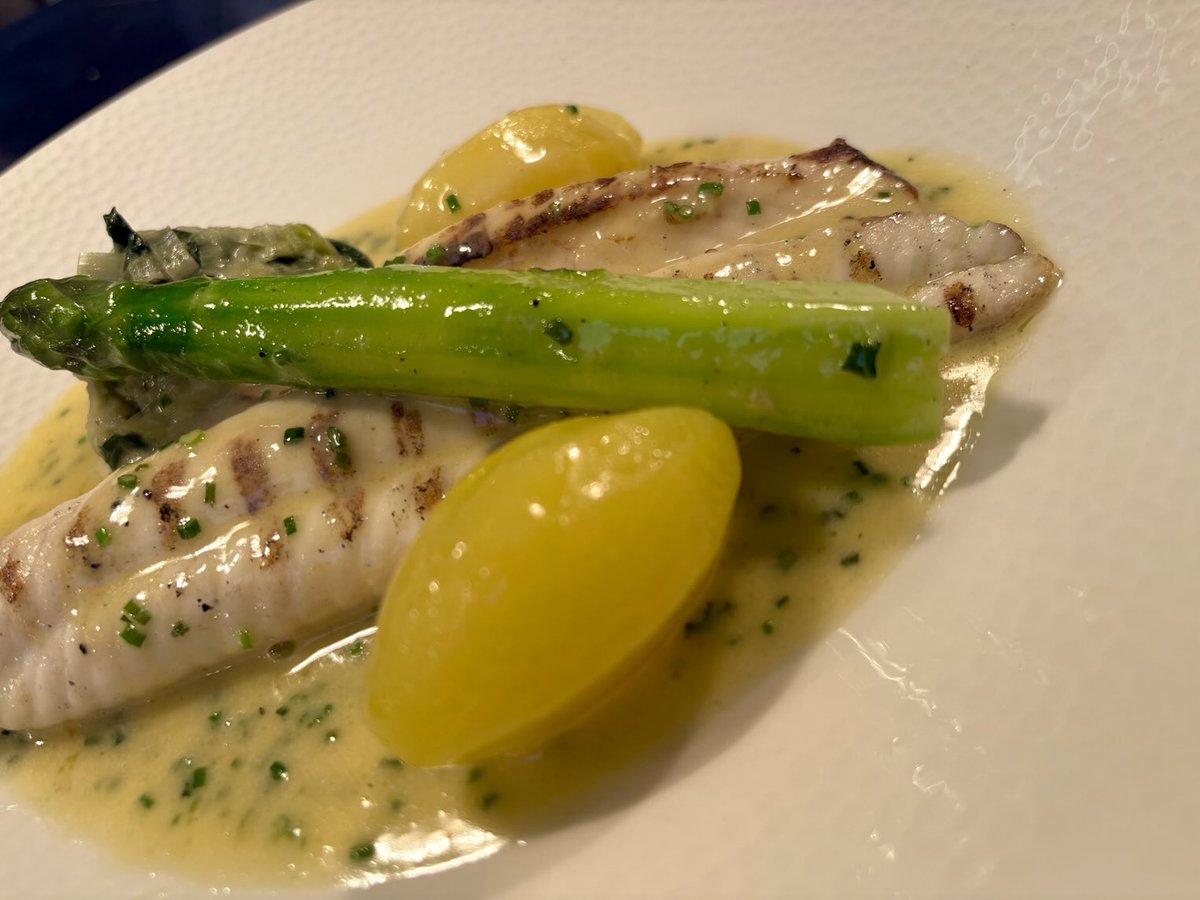
Grilled dover sole, chive beurre blanc, Wye Valley asparagus and spinach dressed with potted shrimps
English
@ChezBruce Were you impressed with Wrexham’s performance on Saturday? Now I understand your VR rants it’s a a game of football.
English
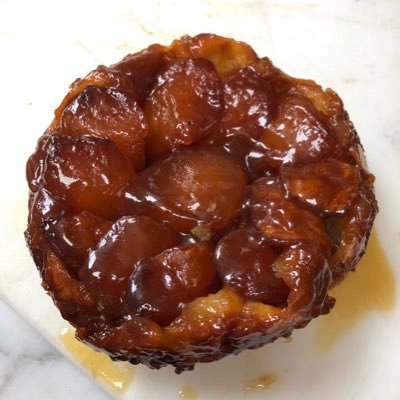
Note sure what all the fuss is about. This is what every corner is like in the Prem these days!
Jonathan Downey@DowneyJD
One is one up from handbags?
English
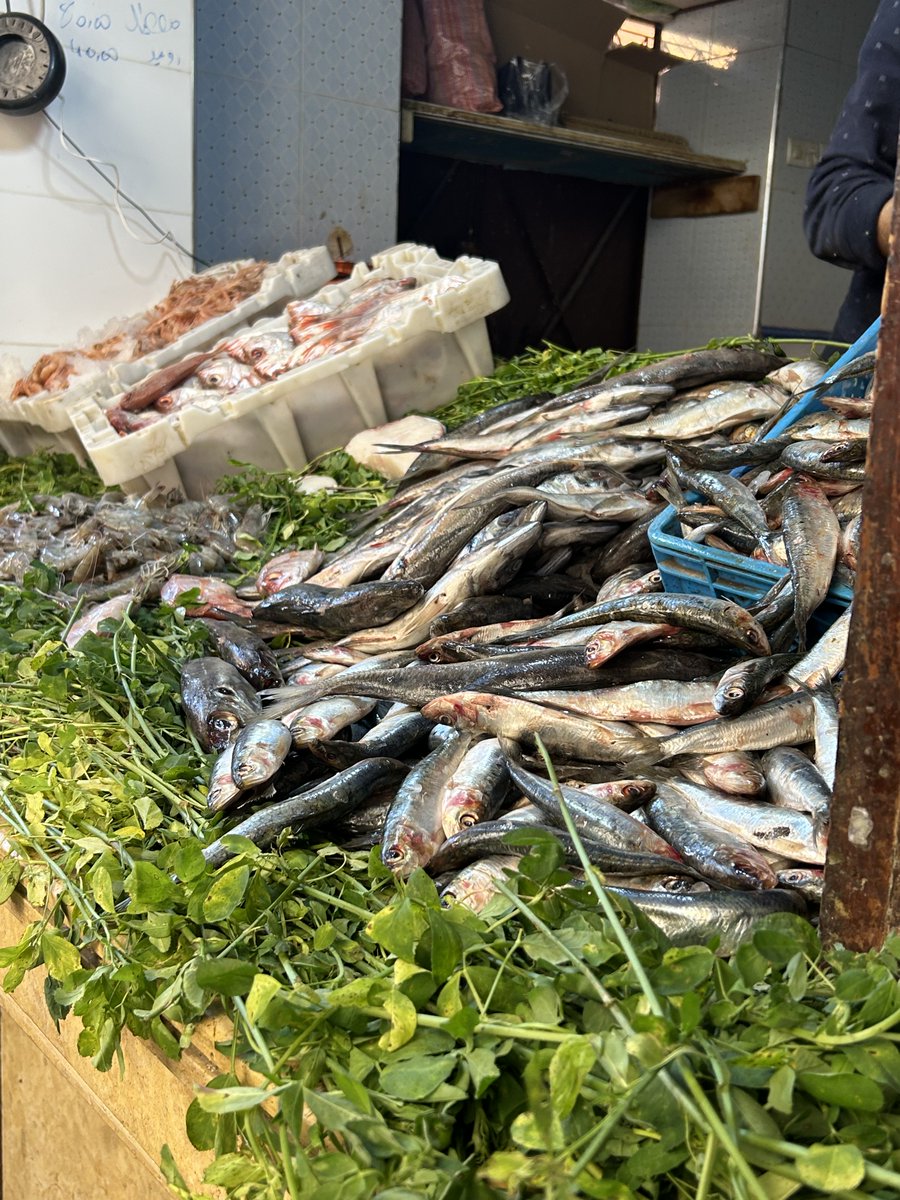
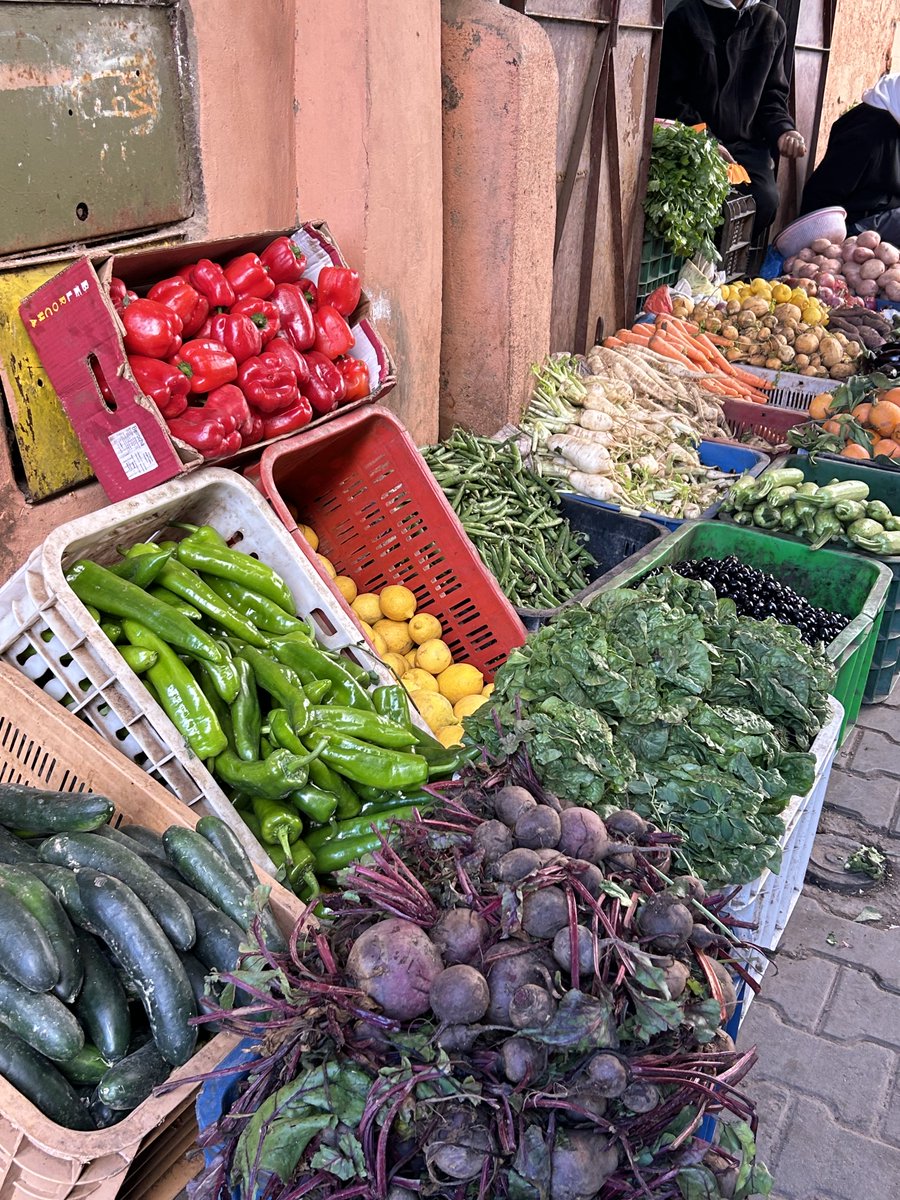


@ChezBruce @StickyWalnut And the cooking is the best it’s been for years. You should come up to this part of the world.
English
@StickyWalnut That’s a ridiculous bargain. A dodgy steak in a pub would cost the same as this wonderful 3 course menu!
English

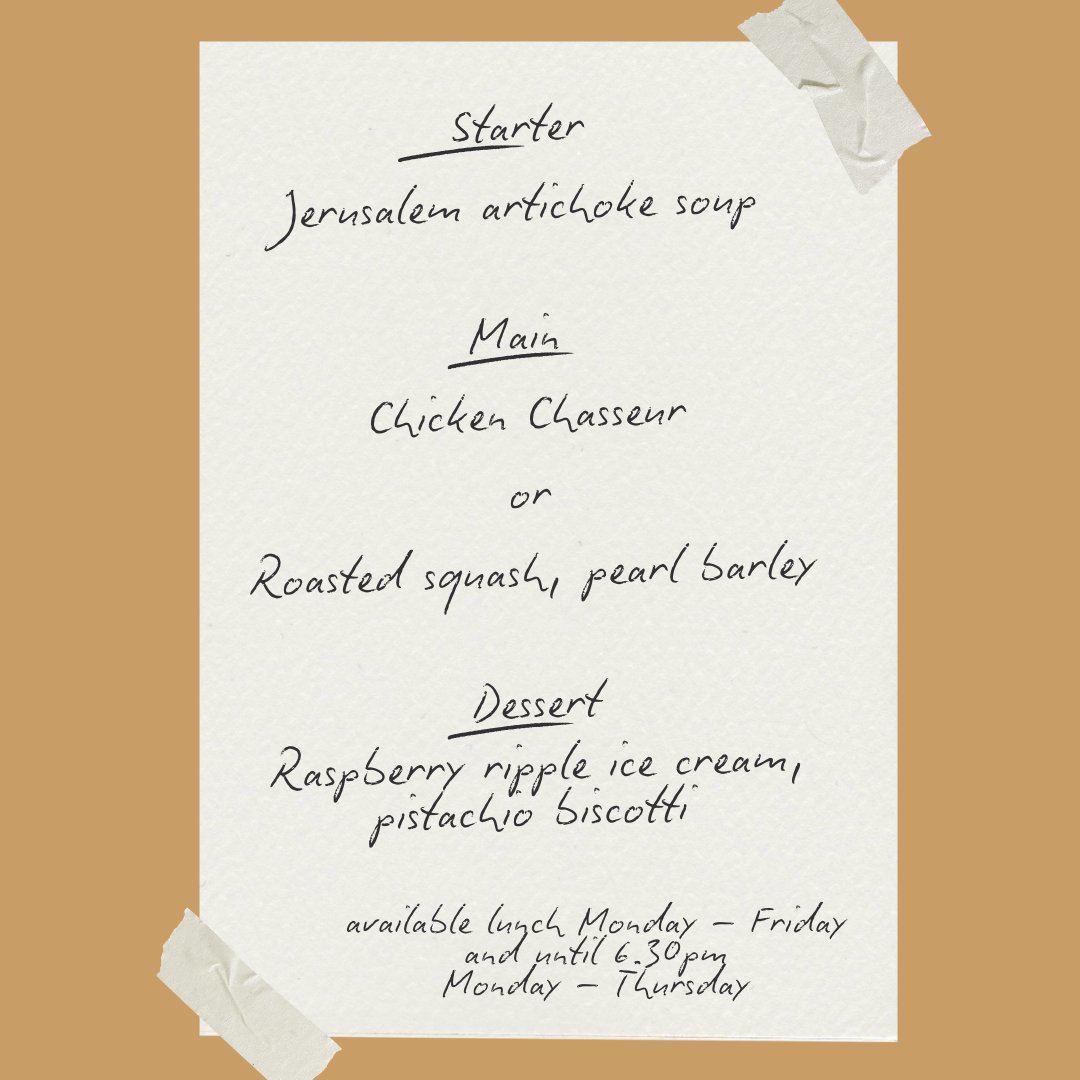
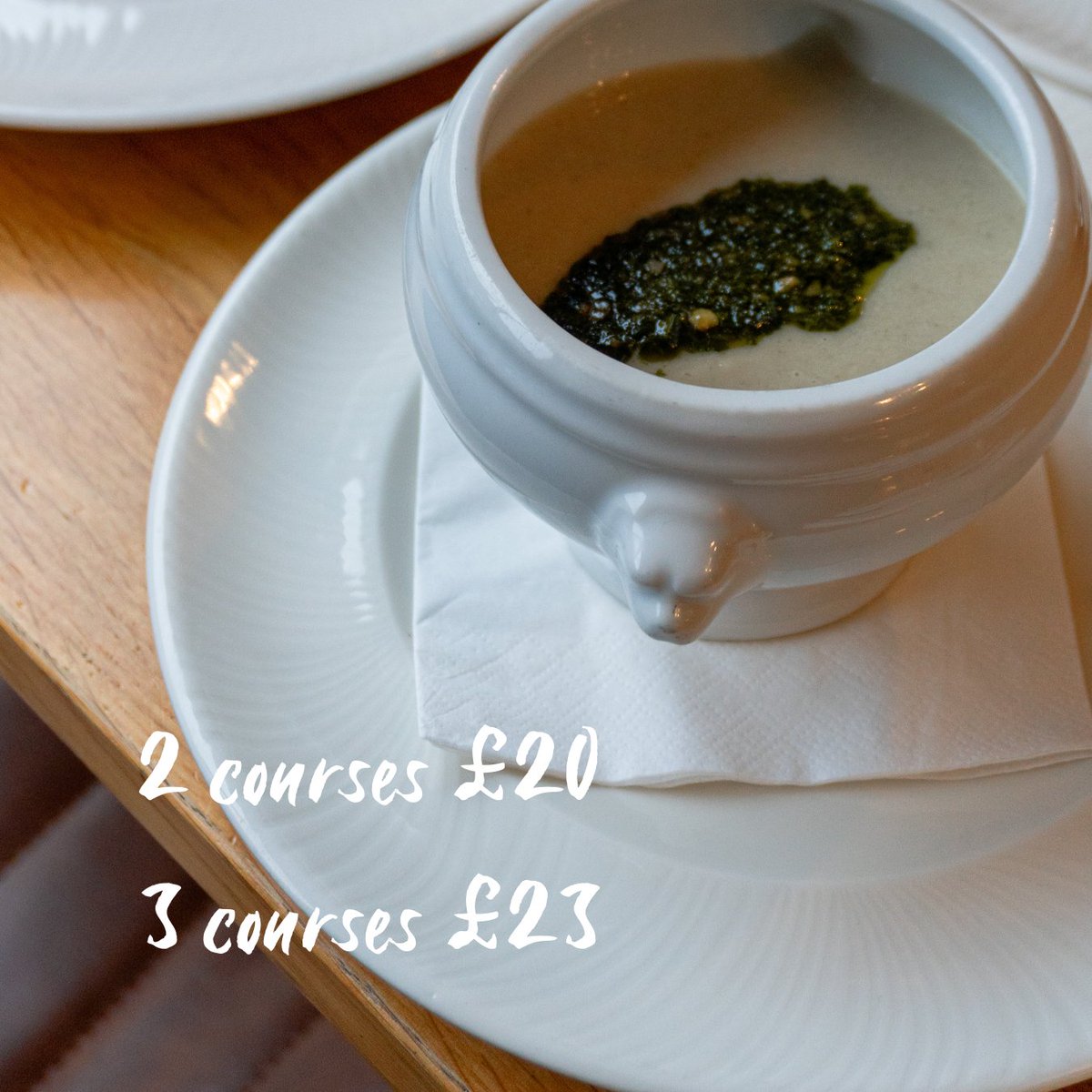
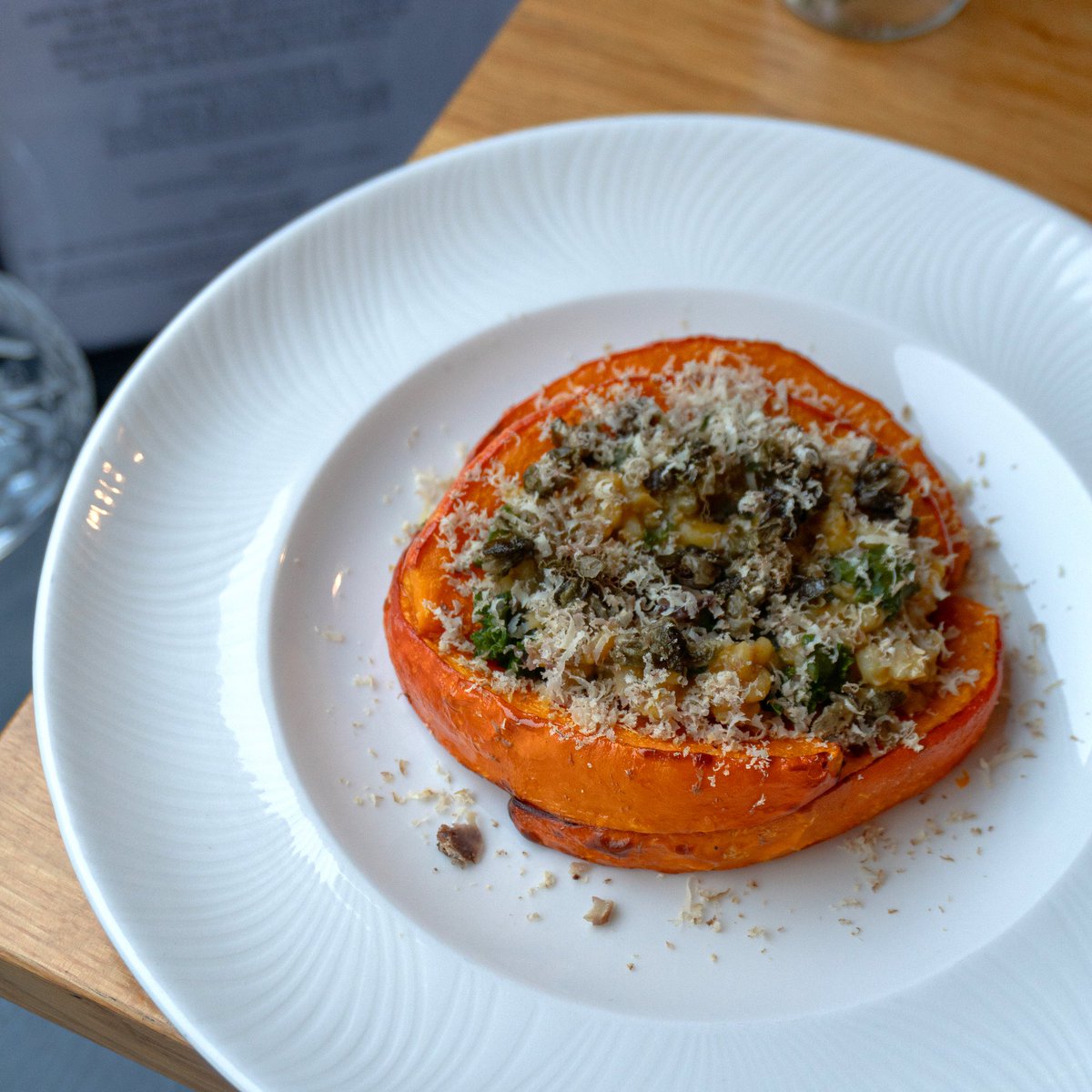
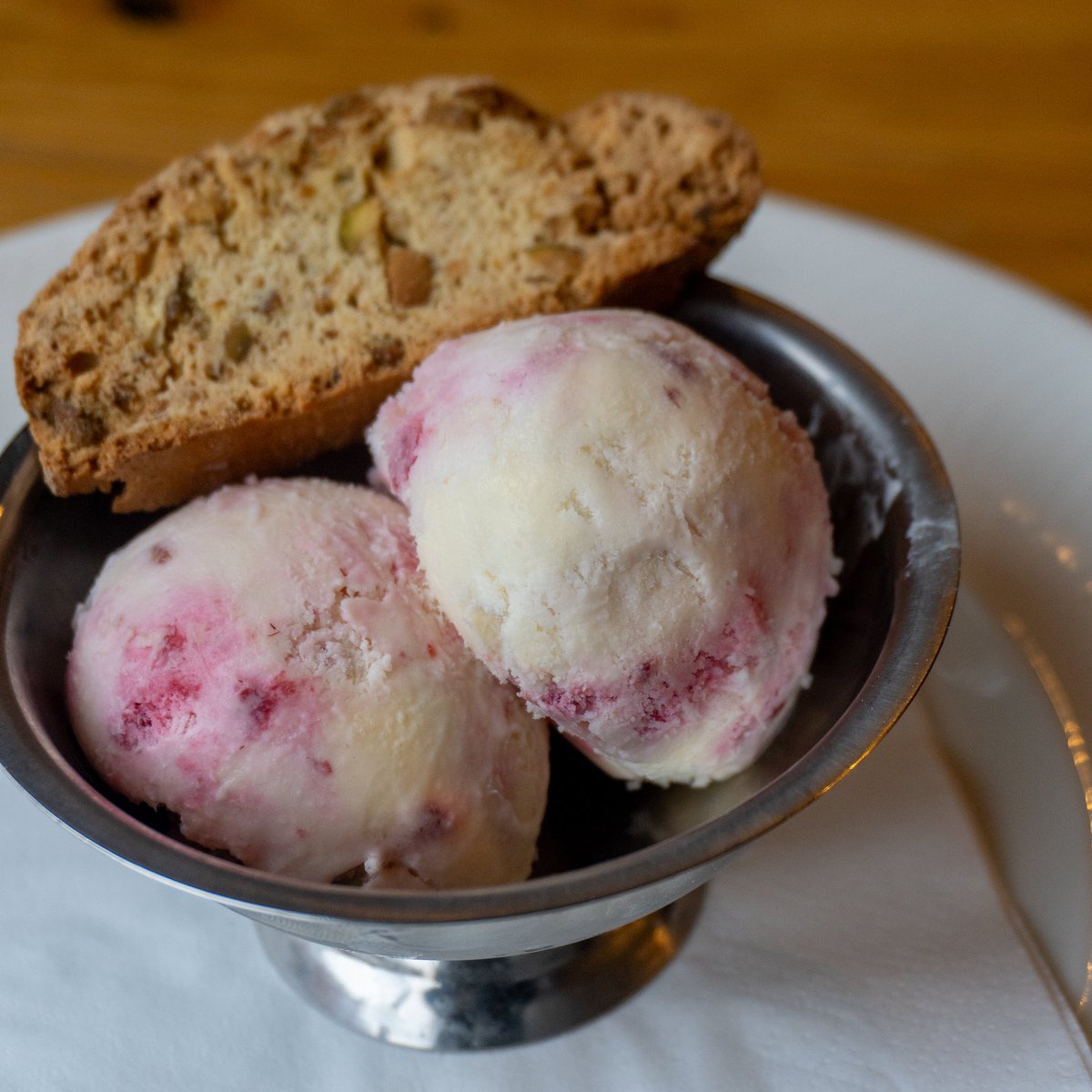
Find yourself with the afternoon off tomorrow?
You might want to get acquainted with month's weekday lunch/early doors menu👇
English




Bryan Webb retweetledi

The hygiene inspectors who gave @YnyshirRest in Wales a one star rating are “vindictive jobsworths”, “vicious” “fascistic” “don’t have a clue” and are “not fit for purpose” - not my words but those of Britain’s greatest restaurateurs and chefs.
thetimes.com/article/290330…
English
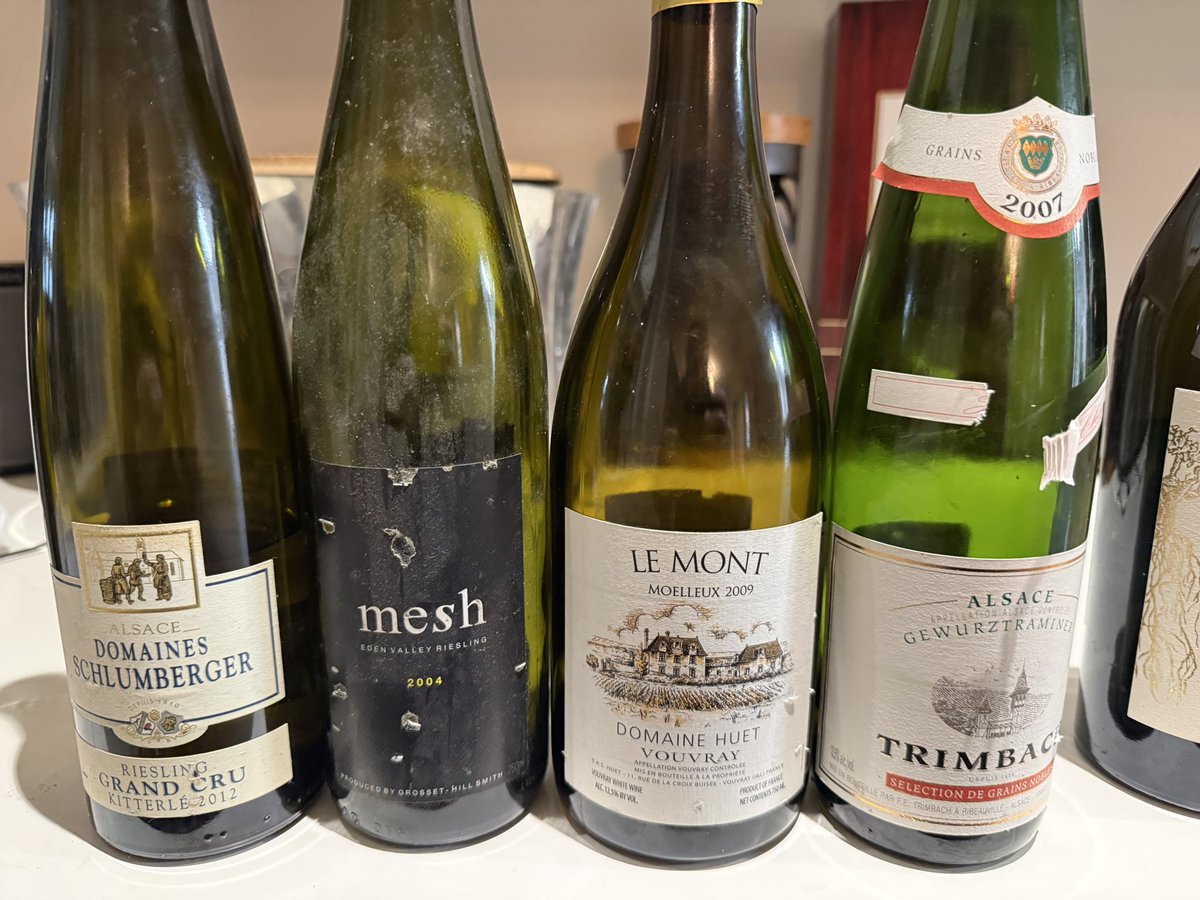
@MKnelmes @gilescoren I agree. @ChezBruce is my favourite restaurant in the UK but it would not survive giving free corkage every service. But it’s a way to make a slow Sunday night busy.
English

@BryanWWebb @gilescoren I went to chez Bruce last Sun & enjoyed free corkage; it was packed to the rafters. Great to see as there’s nothing as enjoyable for as dining out. The costs of the wine is v off-putting. Elystan St are currently offering 3 courses w/ 3 matched wines for £85, which I will explore
English
Save Britain — go out for lunch this weekend!
thetimes.com/article/5a5e89…
English