

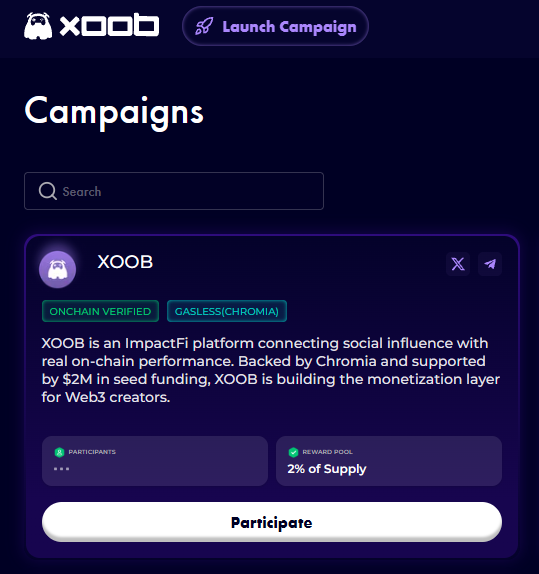
@iampatlll @XOOBNetwork interesting approach! real user actions matter more than just numbers.
English
BUDDYBUILDER
5K posts

@BuddyBuilderr
Your BuddyBuilder | Building Myself and Web3 projects,one at a time 🫡 | See you at top 🎯 |




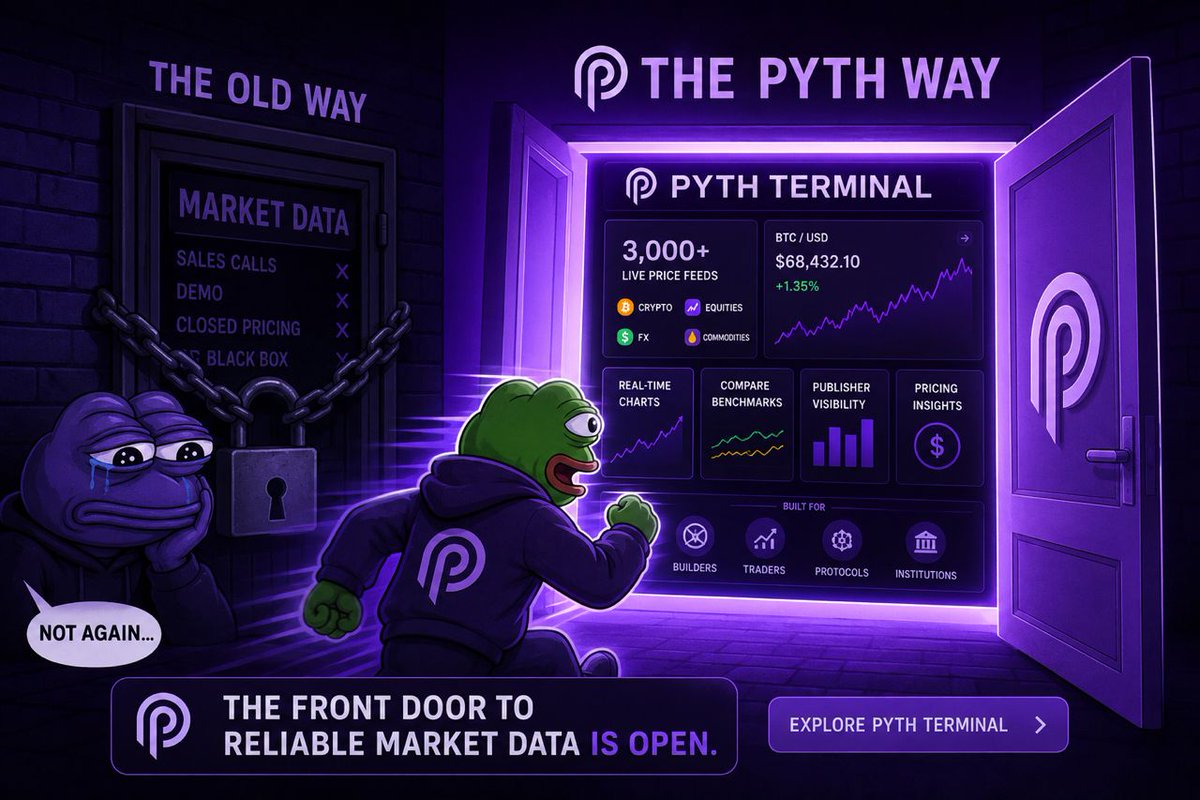
The Pyth Terminal is live. The new interface to explore live price feeds, compare them against benchmarks, and sign up for Pyth Pro. Free to access. Open to the public 🧵




small thing i noticed from a few recent campaigns the projects getting actual sticky users are usually tracking behavior after the quest ends, not during the hype window @XOOBNetwork seems closer to that model quests tied to wallet actions referral performance connected to retention instead of empty traffic spikes even the KOL side feels less about farming impressions and more about who can move real users onchain kinda rare tbh








Gm fam Most wellness apps today still treat users like passive data sources. You sleep. You wear the device. You generate the metrics. But the actual value created from that data rarely flows back to you. That’s why I think @sleepagotchi is slowly moving toward something much bigger than a simple sleep rewards app. The interesting part is not only the AI Sleep Coach itself. It’s the direction behind it. Sleepagotchi seems to be building an ecosystem where daily health behavior becomes an active digital economy instead of isolated tracking statistics hidden inside apps. Sleep data. Recovery patterns. Wellness engagement. AI personalization. Marketplace participation. Staked user levels. Everything starts connecting into one continuous behavioral layer. And honestly, this feels closer to where consumer AI is heading. People don’t want disconnected wellness tools anymore. They want systems that understand routines, adapt over time, reward consistency, and eventually help optimize real life decisions automatically. That’s where AI agents become important. If AI can understand your sleep quality, stress cycles, recovery timing, focus patterns, and lifestyle habits consistently over months, the value of that data becomes incredibly powerful. Not just for recommendations. But for building personalized wellness infrastructure owned by the user themselves. That’s the shift I’m watching closely with Sleepagotchi. The app may have started with gamified sleep rewards. But the roadmap increasingly looks like an AI-native wellness economy built around daily engagement and user-owned health value. And in the long run, platforms that successfully merge AI + behavior + ownership may become far bigger than people expect today.




starting to realize most “all in one” crypto apps still make you jump through five different wallets and bridges anyway used @useTria for a few transfers this week and the gasless flow genuinely changes how often i actually move assets around depositing from random chains without thinking about gas tokens feels weirdly refreshing after years of normal web3 friction also didn’t expect the card side to work this smoothly with apple pay already integrated through @MindoAI kinda hard going back once the wallet stops feeling like extra work if you’re curious, this is the one i’ve been testing lately app.tria.so/?accessCode=U8…



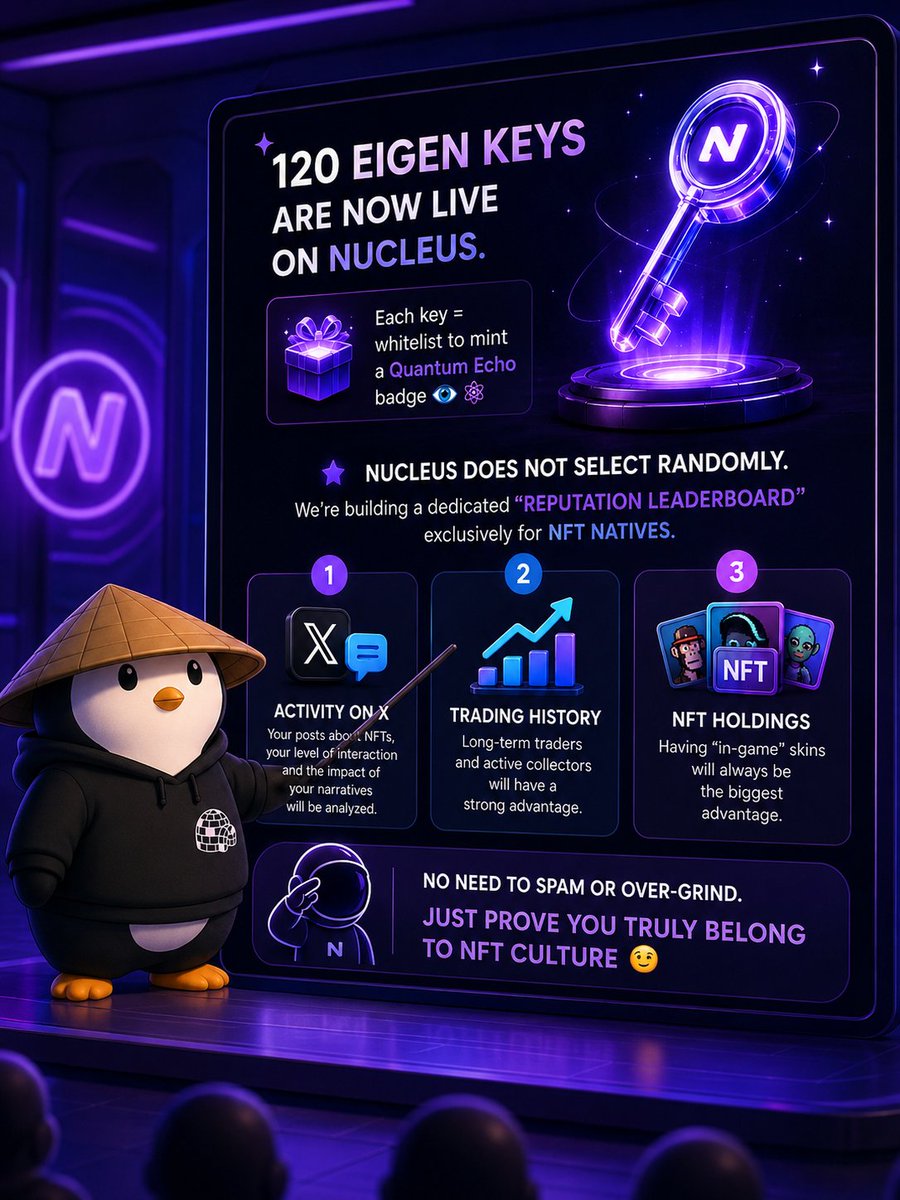


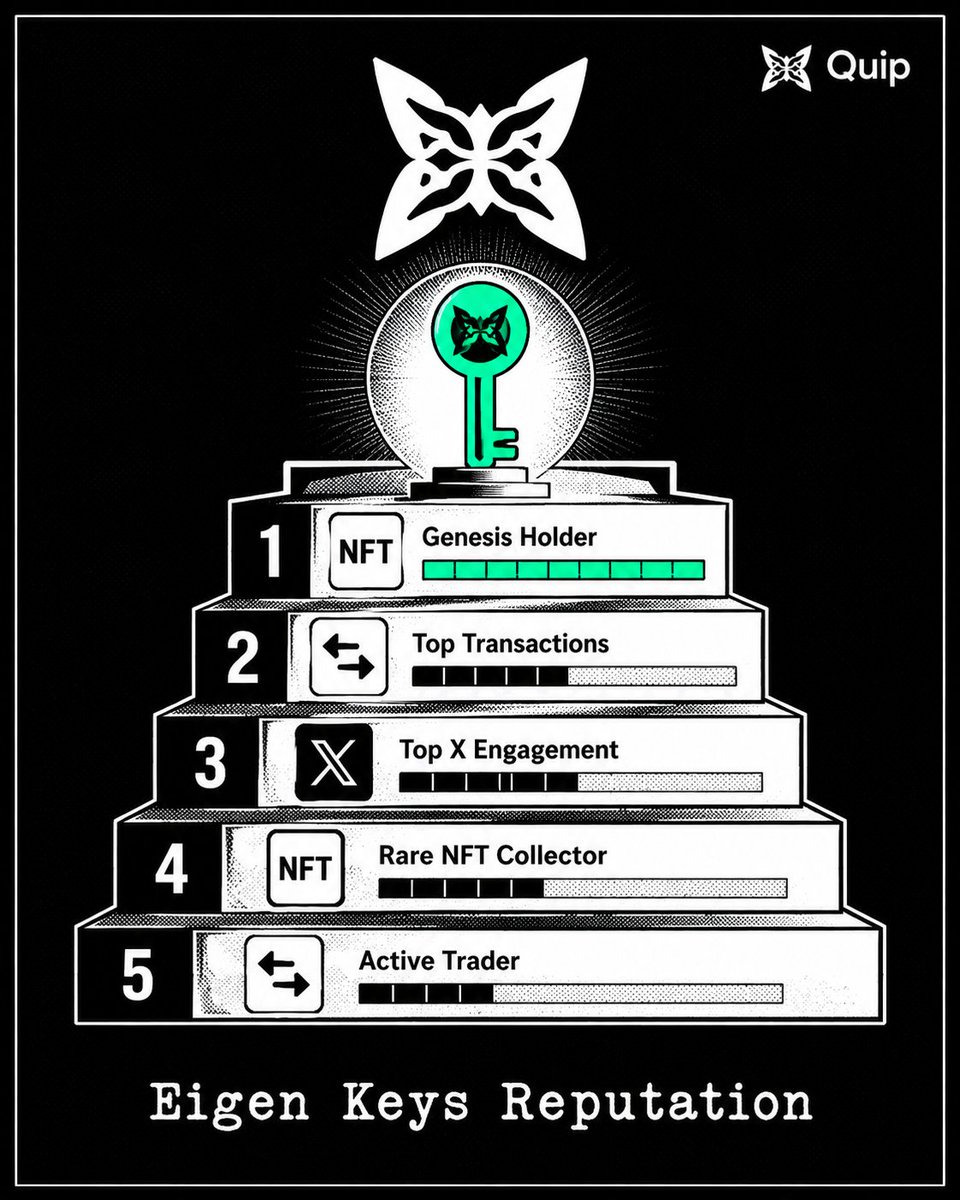



What makes Quantum Echoes from @quipnetwork feel different is that the technology behind it actually matters Most NFT collections focus only on visuals or hype This one is tied directly to real quantum-generated randomness coming from actual quantum hardware That creates a much stronger connection between the collection and the infrastructure QuipNetwork is building for the future And the most interesting part might be the distribution model The ecosystem is clearly rewarding contribution over speculation The more active you are across quests, leaderboards, collaborations, and community participation, the better your chances of earning rare access like Eigen Keys Instead of simply buying attention, the system encourages people to become part of the ecosystem itself