Cat Chen, @[email protected]

81.9K posts

Cat Chen, @catchen@mastodon.world banner
Cat Chen, @catchen@mastodon.world

@CatChen

Career coach, programmer, author, speaker. Former engineer & manager @ Chime, Robinhood, Facebook, Wandou Labs, Yahoo, Baidu. Career coaching available.

Palo Alto, CA Katılım Mart 2007
308 Takip Edilen19.1K Takipçiler
Cat Chen, @catchen@mastodon.world
分享一下我用来起草知乎答案的 skill 吧。这不是一个开盒即用的 skill,你需要有 DIY 精神,根据你的实际场景进行定制。 gist.github.com/CatChen/12633a… 这个 skill 假设你有一个可以用 qmd 进行搜索的知识库,里面有一个存放你知乎答案的 Zhihu 目录。你可以没有知乎答案,但你需要有其它内容为这个 skill 提供素材,否则它就是脱离你的知识进行写作。 这个 skill 还假设你的知识库有个 Wiki 目录,里面有 LLM Wiki 根据特定格式生成的 summary 文档和 concept 文档。你大概率不会有跟我一样的架构,所以对应的第 3 步你要删掉或者改写。 这个 skill 依赖于我让 Codex 生成的我在知乎的人设(persona),这是它读取我 80 篇过千赞的答案后归纳总结出来的。你可以用 AI 根据你的知乎回答或者其它内容生成这份文档,但请不要直接用我的人设。 这个 skill 设计给可操纵 Chrome 的 Codex 调用,但你可以适配给 Claude Code,也可以去掉对 Chrome 的依赖,让它自己下载问题。
中文
1
0
3
299
Orange AI
Orange AI@oran_ge·
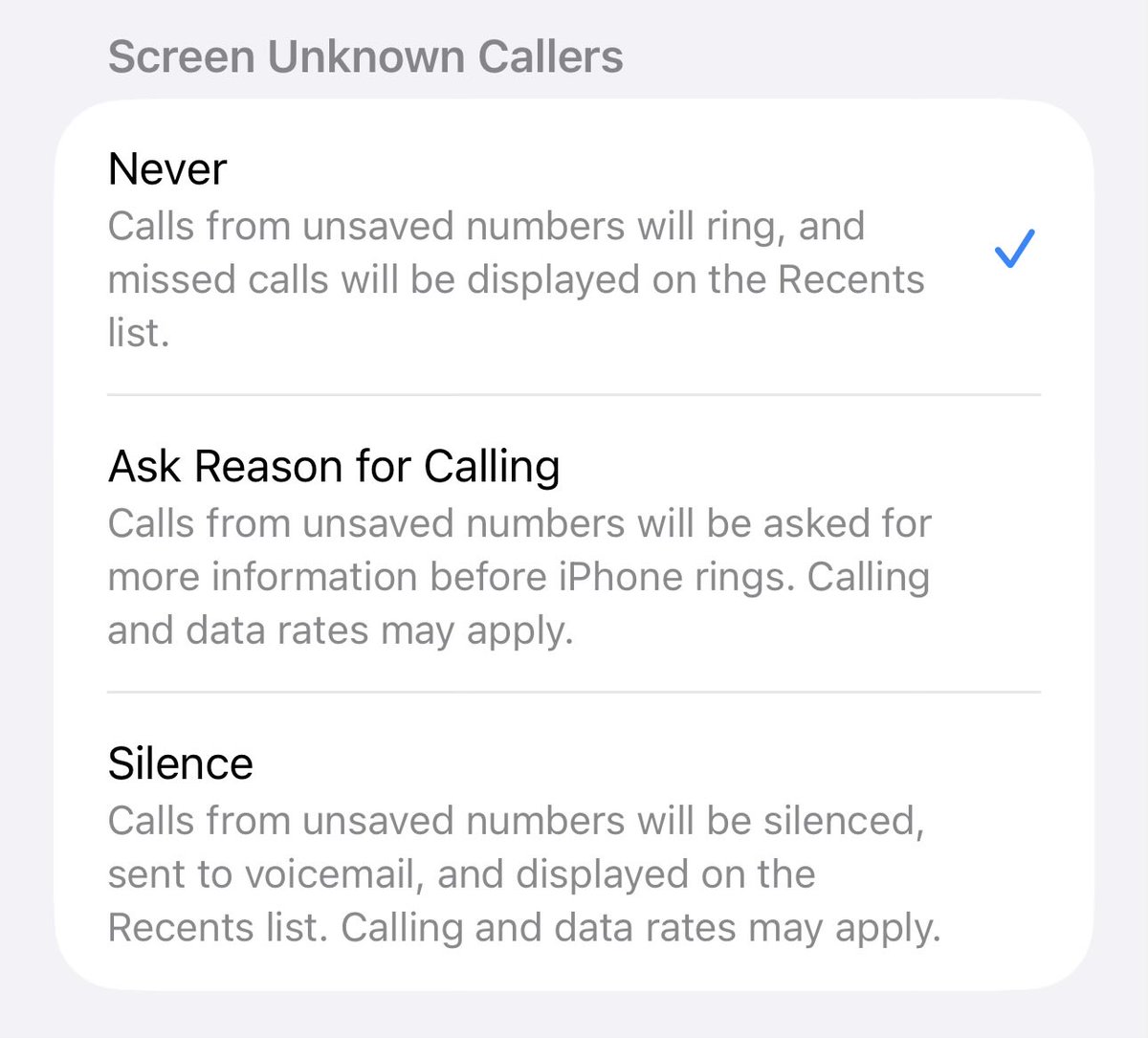
如何关闭 iPhone 的电话功能呢? 这个功能完全是鸡肋
中文
53
0
51
50.9K
Eric Xu (e/Mettā)
不知道推上有没有热心的同工开始把 POPE LEO XIV 的通喻翻译成中文 这将是一件有意义的事情
中文
1
0
8
2.1K
Cat Chen, @catchen@mastodon.world
@luoleiorg 我用的是 ora.ai。里面很多东西不适用于我的网站。我问 AI,AI 也说其实 Google 不看重这些东西,Google Search Console 也不提供相关的反馈。(但 Bing Webmaster Tools 能现实 AI Performance。)
中文
0
0
0
176
Cat Chen, @catchen@mastodon.world
@isukkaw Recall 被骂的最主要原因是默认启动,而不是默认关闭。默认关闭的话,大部分人不需要知道它的存在,也不会启动它,相当于 Recall 不存在,自然也就不会搞个大新闻。
中文
0
0
2
521
Sukka / 毛绒绒的大尾巴🦊
Windows 11 几年前搞得那个「Recall」也是一模一样的,微软也是 SOC Type II + ISO27001,也是说不上传服务器、仅本地加密存储,结果照样被骂的半死~(指 Recall 目录可以被跨用户访问、可被直接解密、包含敏感内容)
yetone@yetone

朋友们,我们今天正式在 ProductHunt 发布了 Yansu! producthunt.com/products/yansu Yansu 是一款主动型 Agent 应用。 它会在后台默默记录你的截图、操作和声音,理解你真实的工作方式,并把零散上下文沉淀成结构化知识。 然后,它会基于这些知识,主动帮你生成贴合自己工作流的定制工具:项目追踪器、AI spend 监控、会议 action item 提取器、专属 dashboard…… 它还有自己的虚拟光标,可以在后台开 App、填表单、提工单,不抢鼠标,也不打断你。 本地优先,数据不进我们的服务器;已通过 SOC 2 Type II 和 ISO 27001。支持 macOS / Windows / Linux,也有团队版和企业版。

中文
2
3
19
8.5K
Cat Chen, @catchen@mastodon.world
很多人不知道为什么 Pope Leo XIV(教宗良十四世)选择了「Leo」这个教宗名号。这是因为上一个叫 Leo 的教宗经历了第一次工业革命,并于 1989 年发表了名为《新事:资本与劳动的权利及义务》的通谕,探讨了当时劳动阶层的问题。 现任教宗认为,教会面临 AI 革命所带来的挑战跟第一次工业革命类似,所以他选择了 Leo 十三世的名号,成为了 Leo 十四世。他最近发表了名为《Magnifica Humanitas: On safeguarding the human person in the time of artificial intelligence》的通谕,强调 AI 必须以人为本,服务于人类而非监控和取代人类。 P.S. 「教宗良十四世」是梵蒂冈官方译名,但中国媒体时常译作「教皇利奥十四世」。
Pope Leo XIV@Pontifex

In the era of #ArtificialIntelligence, when human dignity is threatened by new forms of dehumanization, ours is the pressing duty to remain profoundly human. We must lovingly safeguard the grandeur of humanity bestowed upon us and revealed in its fullness in Christ, the splendor of which no machine can ever replace. #MagnificaHumanitas vatican.va/content/leo-xi…

中文
3
4
11
4.9K
Cat Chen, @[email protected] retweetledi
Melissa Chen
Melissa Chen@MsMelChen·
Since its founding, the CCP has sought to use the Leninist concept of the United Front to extend its influence abroad by weaponizing ethnic ties to the Chinese diaspora. Lee Kuan Yew knew this first hand. In the 1950s–60s, Chinese medium schools and left wing unions in Singapore were heavily infiltrated by communist elements tied to Maoist China and the Malayan Communist Party. They caused a lot of trouble for him. He once said: "The danger is, if you are Chinese-educated and only Chinese-educated, you are monolingual, then your source of literature will be communist." So one of the smartest things LKY did was to make English the working language of government, business, education, and administration (while promoting bilingualism with mother tongues). Lee recognized that "ethnic strings" could be weaponized. Prioritizing English was more than just an anti-communist measure. Lee Kuan Yew understood that it would help create a neutral, unifying language and identity in Singapore’s multiracial society, while also cutting the emotional and cultural ties that linked its ethnic Chinese population to their ancestral homeland. Ties which the CCP are only too happy to weaponize. It's significant that Lee Hsien Loong - Lee Kuan Yew’s own son and Singapore’s former Prime Minister - chose to reaffirm the very ethos of his father’s founding vision before an audience in mainland China, speaking directly to the Chinese leadership and the CCP itself.
UnveiledChina@Unveiled_ChinaX

Singapore's most senior diplomat just stood on Chinese soil and told the Chinese state directly: we cooperate with you because of shared interests, not because of shared blood. That sentence is more significant than it sounds. Lee Hsien Loong, Singapore's former Prime Minister and current Senior Minister, completed a five-day visit to China last week, meeting officials in Guangxi and Shanghai. Speaking to Singapore media on May 22, he was direct: "We are a Chinese-majority country, but we are a multiracial society. We are a separate country with separate sovereignty from China." He added that Singapore's ties with China are grounded in mutual benefit, not shared ethnicity or ancestry. This is a deliberate and pointed statement. The CCP has spent decades promoting the idea that ethnic Chinese people around the world, regardless of citizenship, share a special bond with the Chinese motherland. The concept of 同宗同源, meaning "same ancestry, same roots," is embedded in Chinese state rhetoric aimed at diaspora communities across Southeast Asia, including Singapore's Chinese majority. United Front Work Department operations, diaspora engagement programs, and state media all lean on this framing to cultivate affinity, influence, and loyalty among overseas Chinese populations. Lee Hsien Loong said that is not the basis of Singapore's relationship with China. Singapore cooperates with Beijing because it serves Singapore's interests. Full stop. The moment those interests diverge, the shared ethnicity changes nothing. Singapore has maintained this position since Lee Kuan Yew built the country. It rejects the "Third China" label. It maintains strong ties with the United States, Japan, and the West while trading extensively with Beijing. It is ethnically Chinese-majority and fiercely sovereign. That combination makes it a direct challenge to the CCP's narrative that Chinese ethnicity implies Chinese political alignment. Lee said it in Shanghai. In front of Chinese media. After visiting Chinese officials. The message was intentional and the audience was chosen carefully. #Singapore #China #CCP #LeeHsienLoong #Sovereignty #Geopolitics #SoutheastAsia #UnitedFront #Diaspora #ASEAN

English
68
285
1.1K
97.6K
Cat Chen, @catchen@mastodon.world
新手不要浪费时间折腾 Obsidian,随便任何一个 Markdown 编辑器先把内容写起来。在你有充足的内容之前,「如何管理内容」是个假命题,你根本没有东西可以管理。 以前你还可以说,「一开始不把内容架构做好,之后要改就很麻烦啦」。有了 AI 之后这就不是个问题,直接告诉 AI 你要如何重新组织你的 Markdown 文档库目录,它直接手工帮你整理,或者写个脚本帮你批量处理。 所以那些教你用 Obsidian 的文章不用看,直接让 AI 推荐简单的 Markdown 编辑器然后赶紧开始写。等你的内容增长到一定程度了,你能提出管理内容的需求了,再问 AI 怎么办。
中文
16
8
116
7.7K
Cat Chen, @catchen@mastodon.world
Exactly! Facebook has been doing this for a long time and people think MTS without level is a brand new idea. It worked well within Facebook for a decade. Engineers challenged each other regardless of levels, because they truly don’t know the levels. I saw an L3 bootcamper challenged the code review feedback from an L9. (He didn’t know the L9 invented the whole thing he’s working on.) Eventually people learn to “sniff” other people’s level and the system stopped working.
English
0
0
2
75
Kun Chen
Kun Chen@kunchenguid·
in terms of getting rid of leveling in the title, facebook used this system religiously since 20 years ago, long before these AI startups every IC engineer there was “software engineer” regardless of level MTS makes sense as a solution to include researchers but I think zuck should take more credit for being the most recent pioneer of making leveling invisible
English
1
0
0
859
Yuchen Jin
Yuchen Jin@Yuchenj_UW·
Tech industry spent decades building a title and leveling system. Greg brought the “Member of Technical Staff”, originally invented at Bell Labs, to OpenAI. It has been adopted by Anthropic, xAI, Thinky, and many AI startups. Young MTS can have huge impact. Alec created GPT for example. In a traditional system, he was just an “L4 software engineer”. Databricks AI recently started using MTS as well. I think this is a very positive change in Silicon Valley.
Yuchen Jin tweet media
Yuchen Jin@Yuchenj_UW

Whoever invented “Member of Technical Staff” was a genius. It filters out Staff/Principal title-maxxers, protects engineering and research from corporate ladder brain, and leaves recruiters staring at LinkedIn like: “Is this person L4 or L7?” MTS is the best title. Happy to be MTS.

English
64
52
1.1K
281.4K
Cat Chen, @[email protected] retweetledi
The Associated Press
Pope Leo XIV called for robust regulation of artificial intelligence and for its developers to work for the common good rather than profit, issuing a sweeping manifesto on safeguarding humankind as the technology impacts everything from work to war. apnews.com/article/pope-a…
English
192
2.1K
7.9K
940.8K
卫斯理
卫斯理@imwsl90·
我从不在网上跟别人吵架,每天只想赚点钱🤣🤣🤣 因为我有两个儿子要养啊🥶🥶🥶
中文
47
0
49
7K
Cat Chen, @catchen@mastodon.world
无论是系统设计面试还是实际工作,我都会 coach 别人「你既要有主见,又要接受反馈」。全盘输出自己的观点,不主动提供机会给别人输入,这是有问题的。但缺乏自己的想法,全盘接受别人的决定,后续执行会很被动。把握好平衡是个关键。 面对一个问题,你需要想好怎么做,然后主动向老板提议这么做,再问他有什么想法。如果这个问题没有完美解法,你需要想好多种做法,对比它们的优缺点(trade-off),然后陈列给你老板看,指出你推荐的做法,但让他做最终选择。这是平衡的做法。 想好了怎么做就立即动手去做,不过问老板,这是有风险的。你需要提前想好,哪些事情老板只看结果不看过程,哪些事情老板不同意你的 trade-off 你直接做了就会受到惩罚。 想都不想就问老板要解法则是懒惰,除非这是老板知道这是远超你能力范围的工作。(如果你和老板对于你「能力范围」的期望不一致,你同样会死。) Claude Code 比较平衡,它能说清楚自己准备要怎样做,但也会让我核准是不是要这样做。当它的方案合我意时我回一句「开工」就行。 Codex 往往直接跳进去做了,trade-off 不合我意时,我还要让它改。另外一种情况是,Codex 陈列一堆事实,但不说要怎么做。从事实到解法,这还有一定距离,这变成了我的责任。这两种情况我都不喜欢。
AI Babysitter@ai_babysitter

@CatChen 同感。我自己的感觉claude code更像L6,沟通非常好,而且相对擅长从全局出发,更有“常识”,更适合处理不确定性高的问题。codex更像L5,执行更注意细节,更细心,但是缺少常识,在我的case里无法处理有不确定性的,特别是边界不清晰的任务,沟通非常费劲(晚上我从不用codex甚至chatgpt,太气人)。

中文
4
9
77
7.8K
Cat Chen, @catchen@mastodon.world
在做细节(例如具体写代码)时,Codex 总是比 Claude Code 要差一点点。总有些我认为我不需要说得太明白的小事情,Codex 做出来的就不是我喜欢的样子,我就需要叫它再改,或者接受不完美的结果。Claude Code 做出来我就会感觉到「它 get 得到我」。 这跟工作上跟老板之间能否互相 get 得到有点类似。有时候不是工作能力的问题,就是风格不一致,无论你怎么做老板总觉得差了一点。这时候只能换老板,或者换下属。 我现在就只让 Codex 写那些我只看执行结果不看代码的脚本,这样大家都开心。那些我需要仔细看的代码,我会让 Claude Code 来写。
中文
13
2
38
10.7K
Cat Chen, @catchen@mastodon.world
@PandaTalk8 美国顶级的初创公司都很容易 bottom up。 只要你能招到全球最顶尖的人才,这是很自然就会发生的事情。他们不是进来为了拿份工资而打工的,他们进来就是有梦想的,如果你不打开通道给他们做,他们就会走。
中文
0
2
43
2K
monday | 和你走到 Sunday
这个哥不知道是勇敢还是没经验竟然去ads,我是中国人我都没敢去
Jeremy Bernier@jeremybernier

Meta was easily the most toxic company I've worked for. There's a reason the Chinese call it "Squid Game". Others refer to it as "Hunger Games" or "Lord of the Flies". I think they're all accurate. The company culture is basically every man/woman for themselves. The performance review process (PSC) not only doesn't incentivize helping others, if anything it actually discourages it since everyone is stack ranked against each other. Imagine working on a team where every 6 months, one of you is going to get axed. Of course it's going to become toxic. "Bottoms up" culture is a complete farce - it's just a way for leadership to offload accountability. The Tech Leads (TLs) have all the power - owning the relationships and tribal knowledge to gatekeep projects to their buddies. Managers are "people managers" with limited technical understanding, who basically aggregate TL feedback and create performance review packets to calibrate with other managers and IC7+. The takeaway is that your destiny is in the hands of the TLs, and TLs unlike managers have no responsibility for your career. There are no repercussions for unethical behavior. I've seen managers and TLs throw others under the bus and get away with it. The only mission bonding the company together is individual self-preservation. Save your own ass to survive for another stock vesting, and throw someone else under the bus if you need to. That's why layoffs rarely impact directors/VPs or tenured IC7+ despite the fact that they're paid by far the most. Even this recent mass layoff that was supposed to "flatten" managers layers barely affected directors/VPs/IC7+, and fell predominantly on M1s - the lowest rung of the management chain. The culture is extremely performative and focused on box ticking and optics. Everything is about PSC (the performance review system) and perception. This means tons of meetings, useless AI slop posts, and top-down initiatives that don't benefit anyone but maybe help tick off the impact box of some go-getter at the top. Impact is not enough - it has to have sufficient complexity. So complexity is added for complexity's sake. The org I was in (Facebook ads) is 90% Chinese, and the entire leadership chain up to the VP level is Chinese. Mandarin is the primary language at the office, except in official meetings with non-speakers. Chinese work culture is very different from American work culture, with 996 (9am-9pm, 6 days/week), top-down nature, emphasis on saving face (eg. don't question your superiors), and toxicity being quite common. Naturally when an org is completely dominated by a single ethnicity that's notorious for not integrating, elements from their work culture seep in. Of the layoffs I witnessed in this org, 3/4 were not Chinese (just to be clear, most Chinese are very kind so don't take this as an attack. But it is a reality that I think most people outside this company are completely unaware of, and I question if leadership is even aware despite the fact that we're talking about the company HQ) I had the most toxic manager of my life here. I watched him deliberately set up a new hire to fail, driving them to needing to see a psychiatrist for anxiety + depression, and getting them fired. Then he suddenly disappeared for 8 months, before leaving the company. I could go on and on, but this is already pretty long and I think you get the point. Yes there are a lot of great, kind people here. I managed to transfer out of my first team into a new team with a great manager where everyone was very smart, supportive, and hardworking. But the company has its Squid Game reputation for a reason. Company culture comes from the top. It seems leadership is either too removed to notice, or maybe don't really care anymore because I guess they already made their billions and us plebs are expendable these days.


中文
2
0
3
950