Charles F. Sherrod IV, M.D., M.Sc.

347 posts

Charles F. Sherrod IV, M.D., M.Sc. banner
Charles F. Sherrod IV, M.D., M.Sc.

Charles F. Sherrod IV, M.D., M.Sc.

@CharlesFoxIV

T32 CV Outcomes Research and General Cardiology Fellow @MidAmericaHeart via @BrownMedicine. Interested in health status, #HCM, and clinical trials.

Kansas City, MO Katılım Aralık 2018
682 Takip Edilen362 Takipçiler
Ramy Ghaly, MD, MS
Ramy Ghaly, MD, MS@RamyGhaly95·
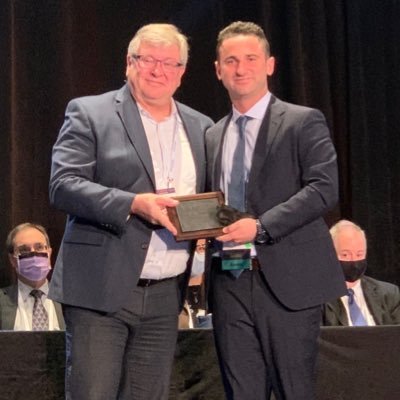
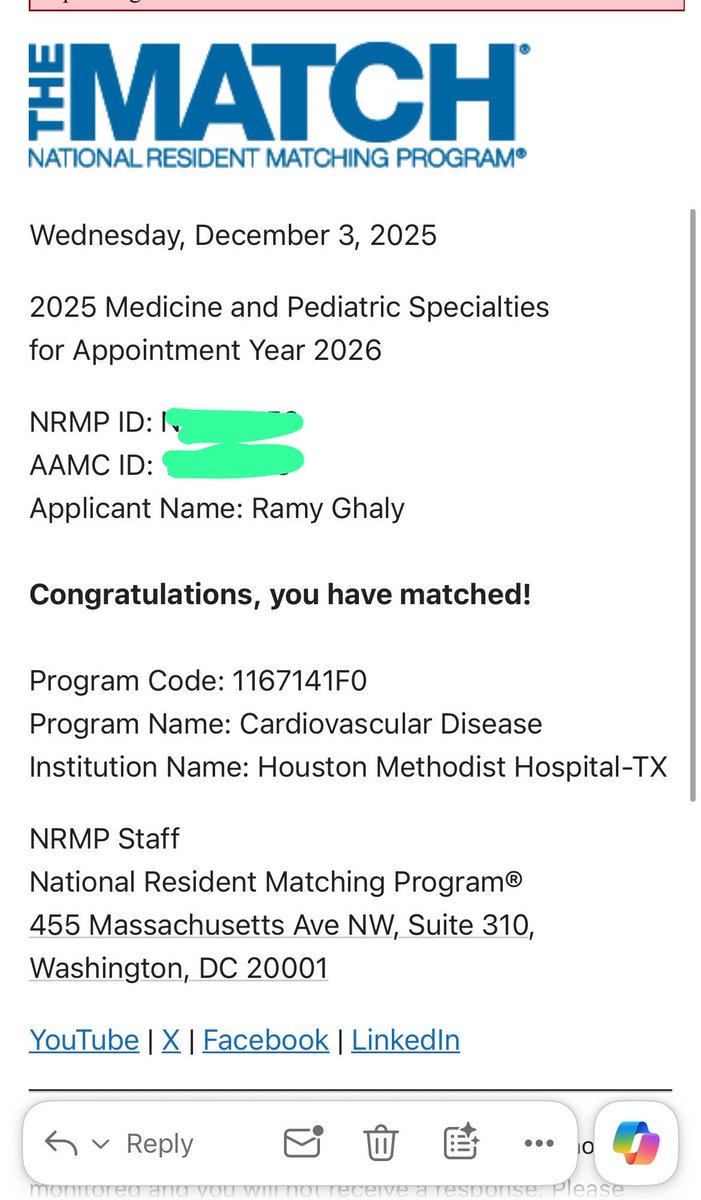
I matched into Cardiology at Houston Methodist Hospital! Beyond thrilled! @HMHCardioFellow Grateful to my family and to my colleagues and mentors at @umkcIM whose support made this possible.
Ramy Ghaly, MD, MS tweet media
English
19
5
381
11.6K
Nobuhiro Ikemura
Nobuhiro Ikemura@Nobu0129·
留学先での仕事をJACCばらんで取り上げてもらいました😊 ISCHEMIA 試験のpost-hoc解析でInvとConそれぞれのSAQの長期的な変化を解析しました。 手前味噌ですが、血行再建を検討する際、患者さんに具体的にどのタイミングで症状が改善するのか⁉️よりクリアに説明できると思います。ぜひご覧ください👍
Mitsuaki Sawano, MD, PhD, FACC@MitsuakiSawano

📢 Ep.33 #JACCばらん 「患者の“症状の旅路(Patient’s Journey)”を描く:ISCHEMIA試験からみた狭心症の軌跡」 🎙️ゲスト:池村 修寛 先生(国家公務員共済組合連合会 立川病院/前 Saint Luke’s Mid America Heart Institute 🇺🇸@MidAmericaHeart) 📝 “Trajectories of Angina After Initial Invasive vs Conservative Strategy for Chronic Coronary Disease” 🎥Youtube:youtube.com/watch?v=d61yaV… 🎧 Podcast:jacc.org/digital-conten… 📺 Video:jacc.org/digital-conten… 🔍 ISCHEMIA試験データを用い、慢性冠疾患(CCS)の狭心症を有する患者 2,977例を対象に、 侵襲的治療 vs 保存的治療での**症状改善の軌跡(trajectory)**を解析。 💡 潜在クラス軌跡モデル(Latent Class Trajectory Analysis) により、 個々の「症状の経過パターン」を6つに分類👇 1️⃣ 急速に狭心症が消失(Rapid resolution) 2️⃣ 徐々に改善(Gradual resolution) 3️⃣ 早期改善後に軽度症状が持続 4️⃣ 重度からの改善 5️⃣ 軽度〜中等度でほぼ変化なし 6️⃣ 重度のまま変化なし 🔸侵襲的群では「急速改善」+「早期改善」が過半数を占め、 🔸保存的群では「軽度で変化なし」が最多。 🔸女性や喫煙者は「改善しにくい軌跡」に属しやすい傾向。 💬 臨床的意義: ・平均値では見えない“患者ごとの回復の形”を明らかに。 ・症状持続群には追加治療・SDM(Shared Decision-Making)が必要。 ・狭心症の「軌跡」を把握することで、フォローアップ戦略を個別最適化できる。 🔗jacc.org/doi/10.1016/j.… @jspertus @MitsuakiSawano @Nobu0129 @jspertus @SS_cardiol @KenEjiri @sk2798 @JACCJournals @ACCinTouch #JACCばらん #ISCHEMIA #狭心症 #冠動脈疾患 #PRO #心血管疾患 #循環器 #CardioOutcomes #患者報告アウトカム #Cardiology
日本語
1
2
6
2.5K
Ahmad Masri
Ahmad Masri@MasriAhmadMD·
A clinical trial of bisoprolol and verapamil in nHCM. As you should expect by now, BB look bad. Presented at ESC by Dr. Bjerregaard #CardioTwitter
Ahmad Masri tweet mediaAhmad Masri tweet mediaAhmad Masri tweet mediaAhmad Masri tweet media
English
1
24
109
12.7K
Charles F. Sherrod IV, M.D., M.Sc.
@drjohnm Shared decision-making is the basis for decisions with trade offs. I think respecting patients’ preferences and empowering their voices when choosing between revasc, valve intervention, and initial oHCM treatments is highly important. I think our patients feel similarly…
English
0
0
2
159
John Mandrola, MD
John Mandrola, MD@drjohnm·
One more thing: shared decision making has been a huge net negative in real life. We did not need this concept as it is inherent in proper doctoring. Always was.
English
30
6
189
29.3K
Charles F. Sherrod IV, M.D., M.Sc.
@AnilMakam Kinda curious - any thoughts about the OCTAVE or OVERTURE trials? I often think about ARNI in the context of those rather than exclusively in other ACE/ARB when thinking about entresto.
English
0
0
0
46
Harriette Van Spall, MD MPH 🇨🇦
@djc795 @mad_sters @jspertus Thx & yes, I understand it is a 2 question section within kccqe therefore tagged you. I did see psychometrics on this, though 2 questions will not provide discrimination to test the effect of the planned intervention. I’m working with JS on another project so will ask.
English
2
0
1
321
Charles F. Sherrod IV, M.D., M.Sc. retweetledi
Andrew J Sauer MD
Andrew J Sauer MD@AndrewJSauer·
Understanding patient-reported outcomes in obstructive hypertrophic cardiomyopathy (oHCM) is vital for managing treatment effectively. We recently validated the Kansas City Cardiomyopathy Questionnaire-12 (KCCQ-12) in this population. Here’s why it matters: A quick🧵 doi.org/10.1016/j.card…
Andrew J Sauer MD tweet media
English
2
18
39
6.4K
Charles F. Sherrod IV, M.D., M.Sc.
@hvanspall I think we met at the equity in heart transplant project event in Philly! Maybe there’s an opportunity to explore some of these modeling strategies together. 😊
English
0
0
1
46
Harriette Van Spall, MD MPH 🇨🇦
@CharlesFoxIV Patients do not wish to be in the hospital either. I don’t think this is an either / or scenario. All of these important patient priorities can be considered in endpoint selection. PS. You work in a very good place with very good friends / collaborators of mine, by the way.
English
1
0
0
39
Charles F. Sherrod IV, M.D., M.Sc.
@hvanspall 2/2 Patients tend to prioritize QoL and death, and have mixed feelings about hospitalization. Alive and out of the hospital tries to blend things but we have way better tools like the KCCQ and SAQ that can reduce sample size and amplify the patient voice better.
English
1
0
1
43
Charles F. Sherrod IV, M.D., M.Sc.
@hvanspall 1/2 To me this emphasizes the need to prioritize PROs and should raise questions about hospitalizations as a patient centered endpoint. There is so much variability in who gets hospitalized, how long they may stay, and their dispo plan.
English
1
0
1
57
Charles F. Sherrod IV, M.D., M.Sc. retweetledi
Andrew J Sauer MD
Andrew J Sauer MD@AndrewJSauer·
📢 The Kansas City Cardiomyopathy Questionnaire (KCCQ-23) vs. NYHA Class in Obstructive Hypertrophic Cardiomyopathy 🔹 our brief report in @JCardFail explores how KCCQ-23 scores align with NYHA class in patients with obstructive hypertrophic cardiomyopathy (oHCM). 💡 Key Findings: ✅ KCCQ-23 scores inversely correlate with NYHA class but show wide variability within classes 📊 ✅ Moving from NYHA III to II showed greater improvement in KCCQ scores than II to I 🔄 ✅ Supports greater use of KCCQ-23 for precise patient-reported outcomes 🎯 🩺 These insights can help clinicians interpret KCCQ scores better for patients with oHCM 🔗 Read more: onlinejcf.com/article/S1071-…
English
0
6
9
1.9K
Milan Posts
Milan Posts@MilanPosts·
What did you think of Walker's performance?
Milan Posts tweet media
English
156
19
2.1K
103.1K