
Clive Hislop retweetledi

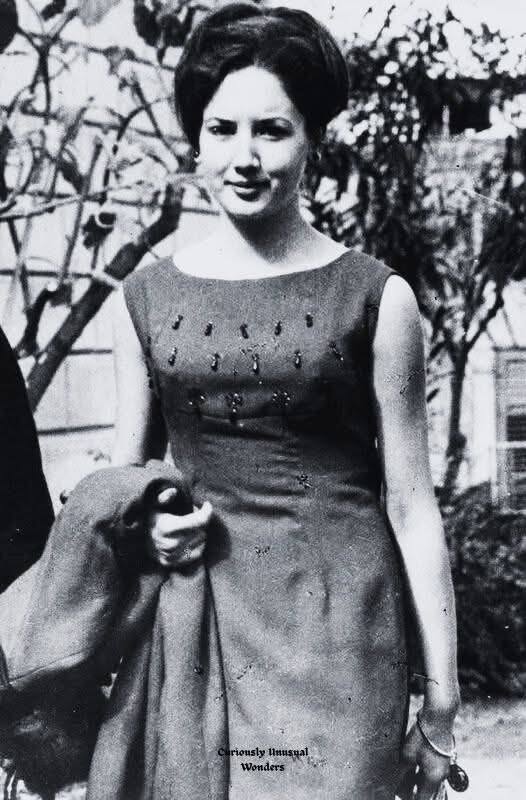
In 1966, a 17-year-old Sicilian girl named Franca Viola made history by rejecting one of Italy’s most oppressive traditions — the so-called “rehabilitating marriage.” At the time, Italian law allowed a rapist to avoid punishment if he married his victim, under the pretense that such a union would “restore” her honor. Franca, born into a humble family in Alcamo, became the first woman in Italy to publicly refuse this fate. Her stand not only broke the silence surrounding gender violence but also sparked a cultural awakening across the country.
Her ordeal began after she ended a relationship with Filippo Melodia, a man tied to the mafia. Refusing her decision, he stormed her home with armed accomplices, assaulted her mother, and abducted Franca along with her eight-year-old brother Mariano, who tried to protect her. Mariano was released, but Franca endured eight days of captivity, violence, and constant pressure to marry her attacker. When she was finally allowed to return home, she shocked Italy: she refused the marriage and, with her family’s support, brought Filippo before the law.
The backlash was swift and merciless. Her family was shunned, their fields set ablaze, and their name dragged through dishonor. Still, Franca stood unyielding, and her courage became a national reckoning. The trial gripped the country, forcing Italians to confront the cruelty of laws built on patriarchal honor codes. Filippo was sentenced to eleven years in prison, and Franca—though never seeking fame—emerged as a symbol of dignity and defiance. Welcomed by Italy’s president and even the Pope, she later married her childhood friend Giuseppe Ruisi, who loved her without prejudice. Franca Viola’s refusal to yield transformed her into a pioneer of women’s rights in Italy, her voice resonating through history as proof that one act of resistance can shift an entire nation.
English