My potentiometer board is connected to the computer now, and it works. Each slider controls a different property of the waveform animation on the computer.
@fidexcode I used to carry a binder with me, where I printed out my source code on paper, so I could debug it while I was away from my computer.
I called it "code on the road."
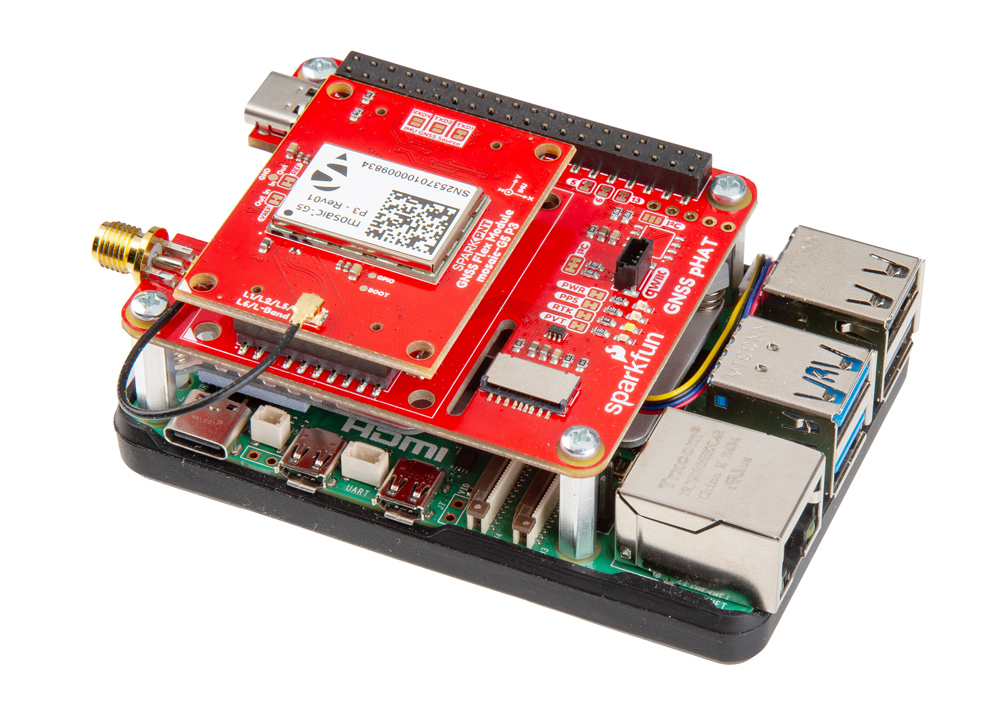
Want to add GPS/GNSS to your Raspberry Pi or NVIDIA Orin Nano Super?
We just put Septentrio's new Mosaic-G5 on a breakout and have incorporated it into our GNSS Flex system, which mounts to your favorite dev kits securely via an extended 40-pin header!
bit.ly/4q8Q2fd
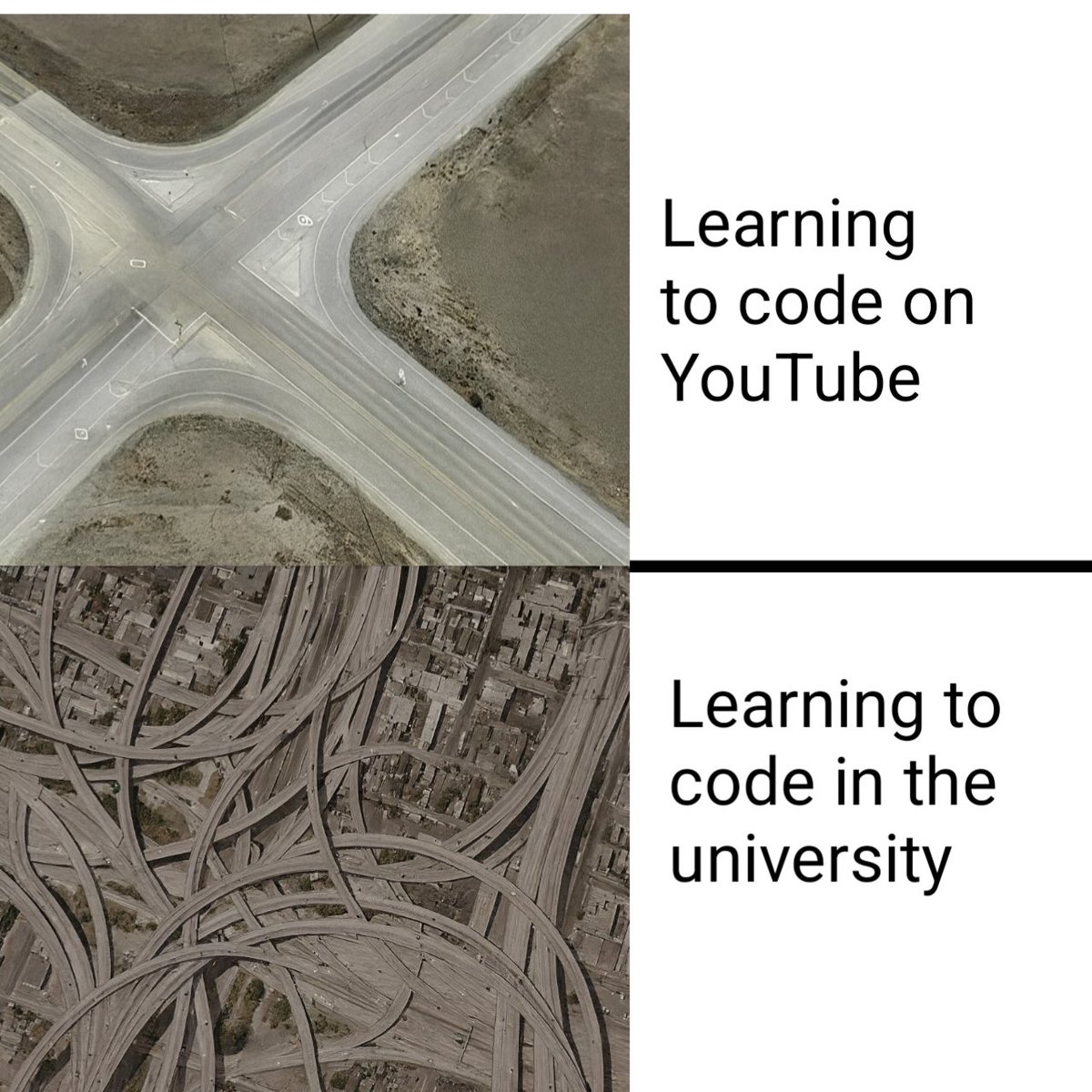
@_devJNS I leaned to code from reading books, before YouTube existed. I wrote code that worked, but was hard to maintain.
By the time I got to college, I was taught how to do it the right way, and I had to unlearn many of my bad habits.
@ionthedev Cool! I love the idea of using physical knobs to adjust the colors.
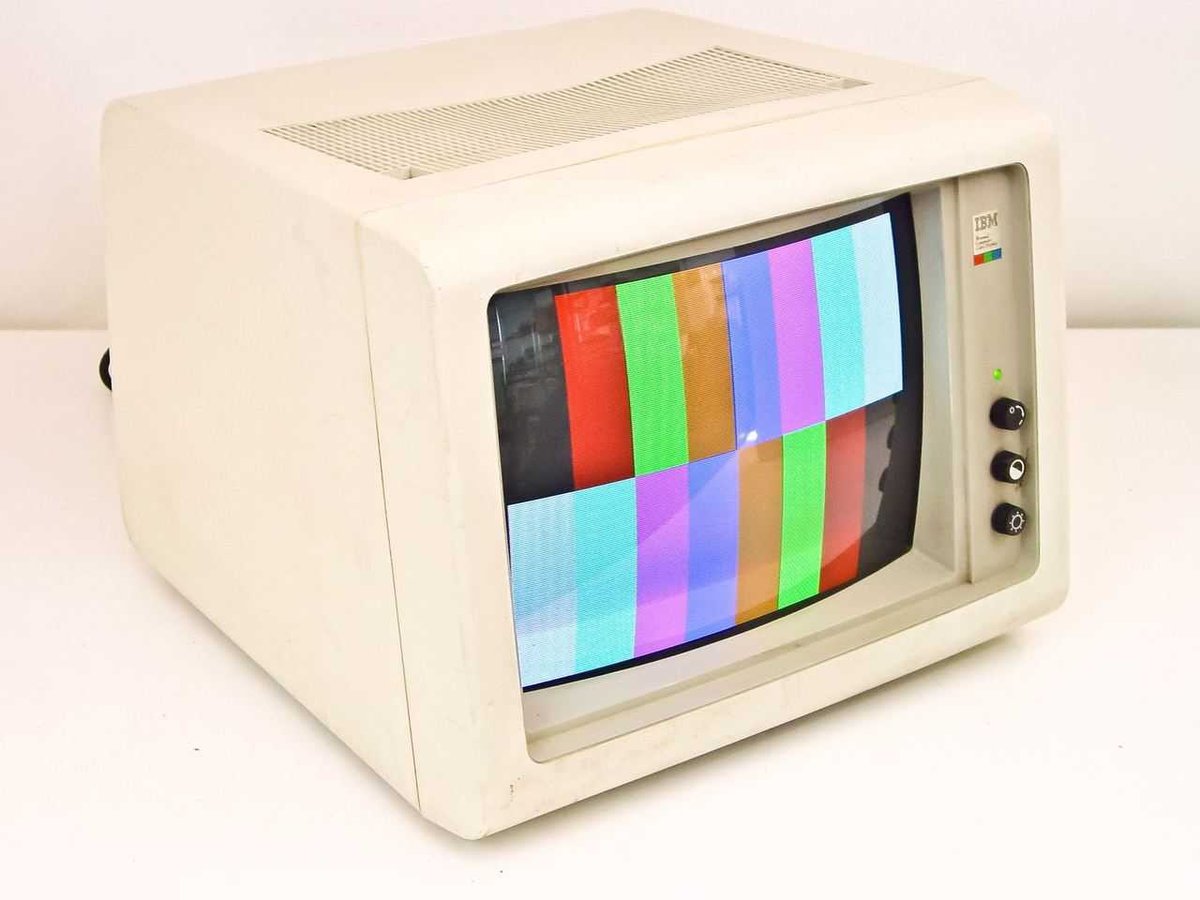
It reminds me of the old IBM 5153 color monitor my family used to have, which had separate physical dials for power, contrast, and brightness.
I just did an electronics soldering job for the first time. I wanted to mount some inputs to a board and connect the pins together for stability.
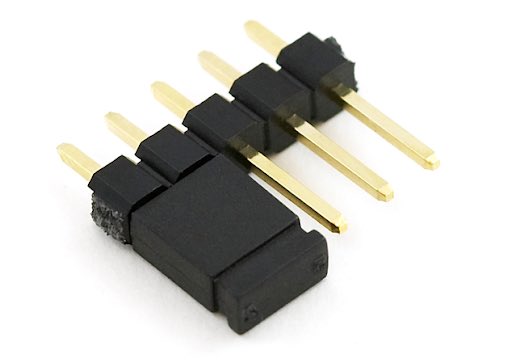
Is there a better way to link two pins on a board than using a copious amount of solder to conduct the electricity?
Soldered some wires to a junk protoboard to practice before mangling the real board. I’m basically an expert by this point.
Next up is wiring the real board! 🦾
@CSProfKGD I'm afraid a college degree has already been devalued. 38% of American adults have a bachelor's degree or higher; a century ago, it was only 8%.