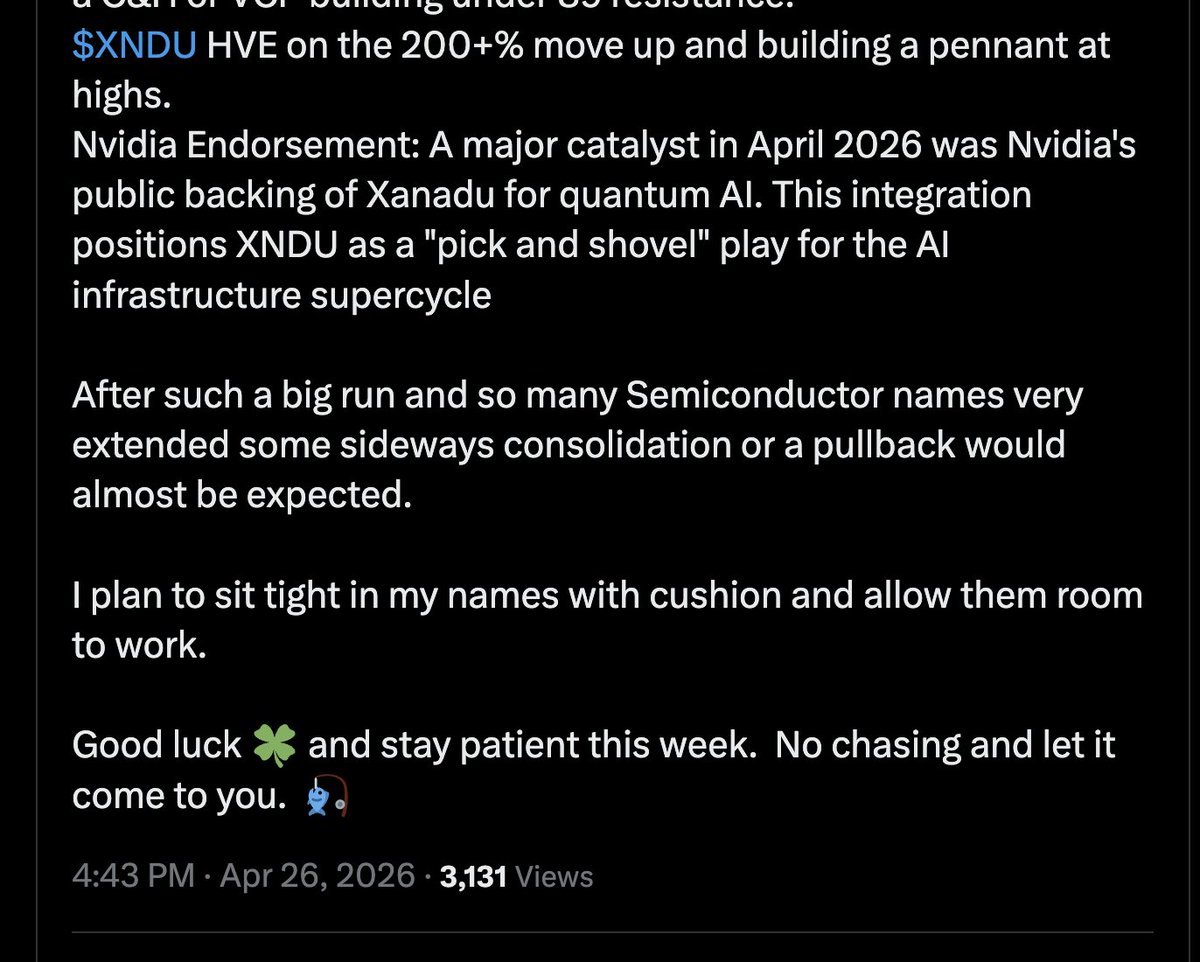
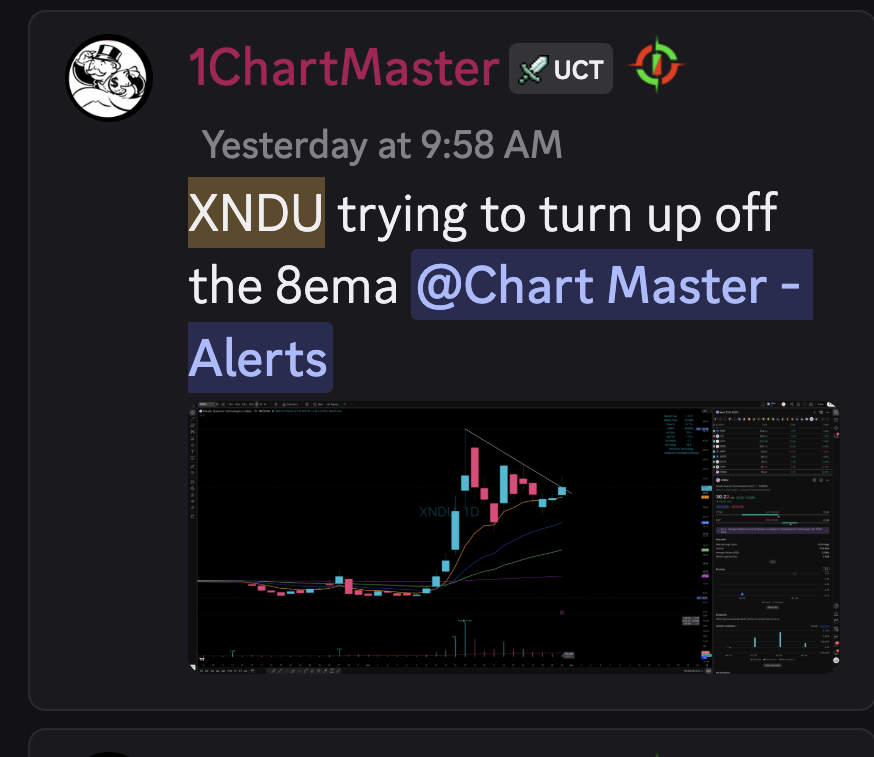
@PurpleDrink_LLC and if anyone is wondering how Purp scans for stocks, he's got you covered:
purpledrink.substack.com/p/purple-drink…
English
COLOSSAL SIZED PICASSOS
227 posts


Buffett has this concept called the 20-slot punch card. The idea is simple — if you could only make 20 investments in your entire lifetime, you'd think a lot harder about each one. You'd stop chasing. You'd stop forcing. You'd wait for the ones that really mattered and load up when they arrived. Druckenmiller said something similar after working under Soros. He said Soros's great gift wasn't his analysis — his view on currencies was "better than random, but not much." His gift was sizing up when he had conviction. Druck said Soros was taking the same ideas he had, and just betting more money on them. Druckenmiller took that lesson and built his entire philosophy around it. He said only maybe one or two times a year do you see something that really, really excites you — and if you go back and look at your record on those specific trades, it's far superior to everything else. But the mistake 99% of people make is they feel like they have to be doing a bunch of other stuff in between. Three of the greatest investors in history. All saying the same thing — the money is made by being selective and loading up on your best ideas. I think about this a lot in the context of how I trade. Every year there are maybe a dozen or so opportunities that can make your year. The ones that jump out at me — I never have to go looking for them. A company has game changing news. The characteristics are perfect. The chart is great. Everything is firing. Those are the punch card trades. The ones worth loading up on. The result is a lot of mornings where I scan everything and walk away - that's fine. The punch card doesn't care about how many mornings you scanned. It only cares about what you did when the right opportunity showed up.


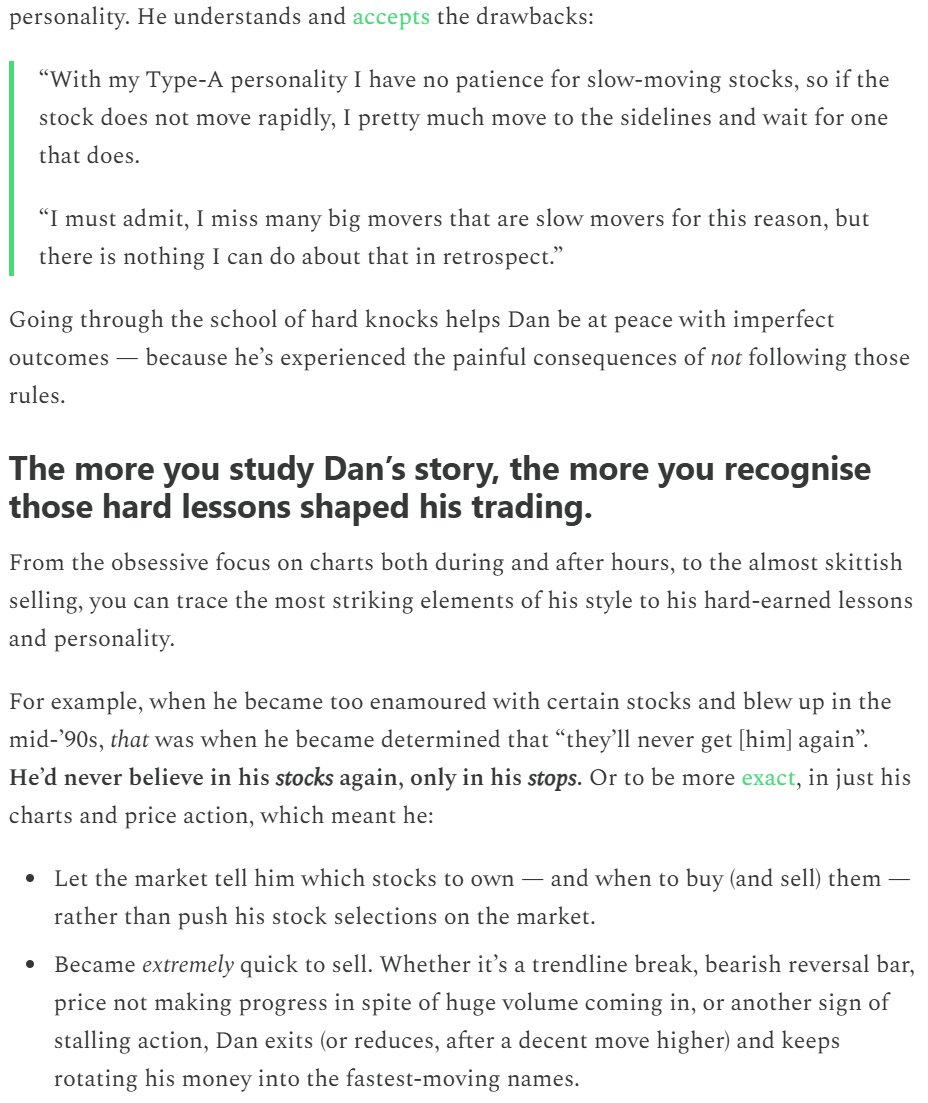



$AAOI is a long on this pullback, Citrini article was misguided and the valuation here is more palpable.



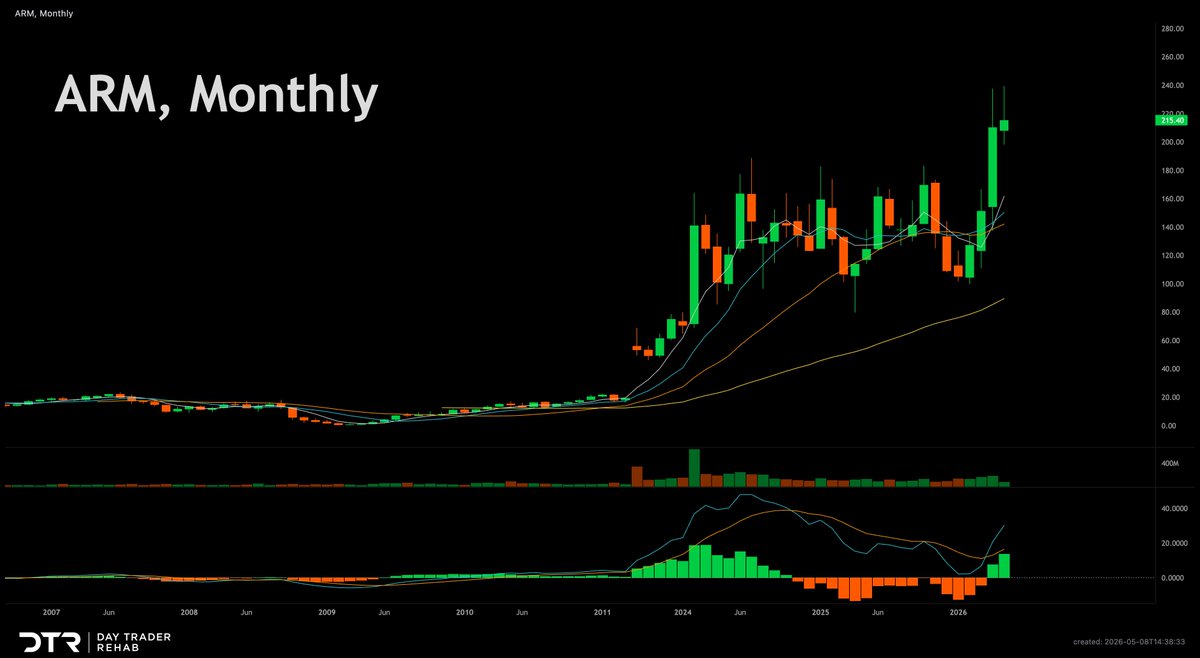


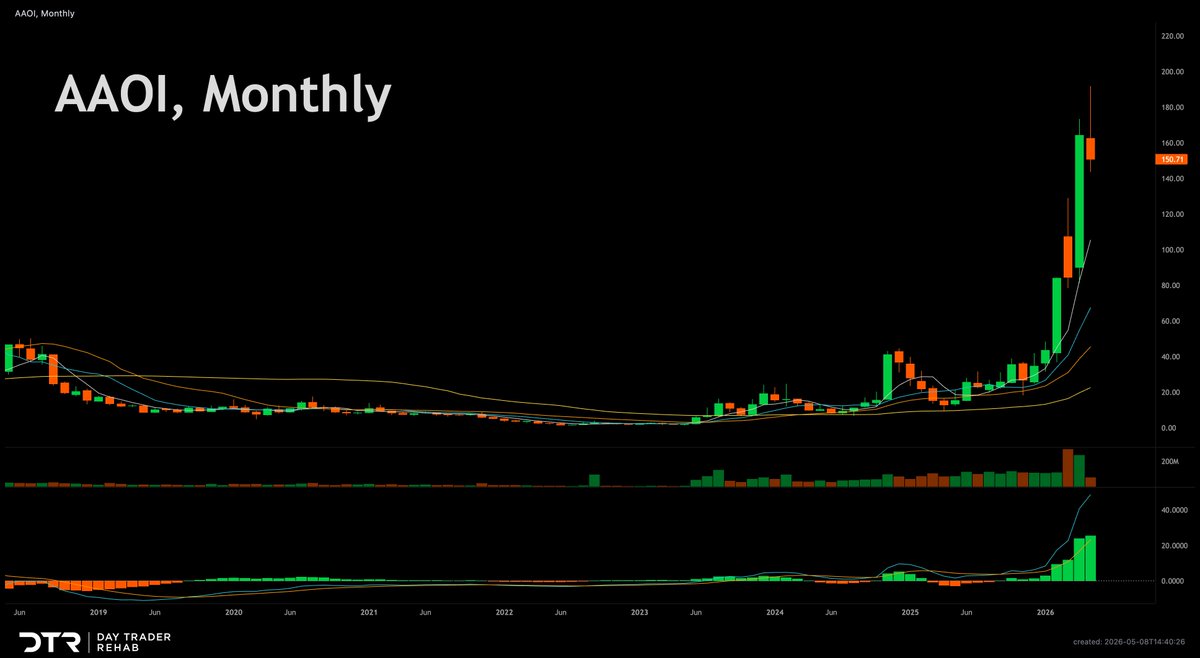
For trend followers, the rule-of-thumb moving average to trail is the 10-day. That applies on a 5-minute chart, a daily chart, a weekly chart, and yes, even a monthly chart. Price patterns are not timeframe specific. So if you are buying legitimate monthly breakouts with proper position sizing, trailing the 10-month moving average makes sense, no? The real trick to staying in and actually riding the trend to the end comes down to position sizing, plus a little business thesis for context. And yeah, you have to study the past leaders to understand what is possible and build historical conviction. Because you know what they say, history may not repeat exactly, but it definitely rhymes. But don’t take my word for it. Go back and study the stocks that made the biggest, longest moves over the last decade and verify it yourself. In most cases, the bigger the base, the bigger the move. I’m at the point in my trading journey where I’m not that interested in buying names that are already extended far outside their weekly or monthly bases. My objective is to find emerging themes early, with large clean bases and a real reason to break out and trend higher for months or years. Below are a few screenshots of names in my portfolio that have recently broken out of large weekly/monthly consolidations. Each one has its own story, and each one has the potential to be the next big megatrender.

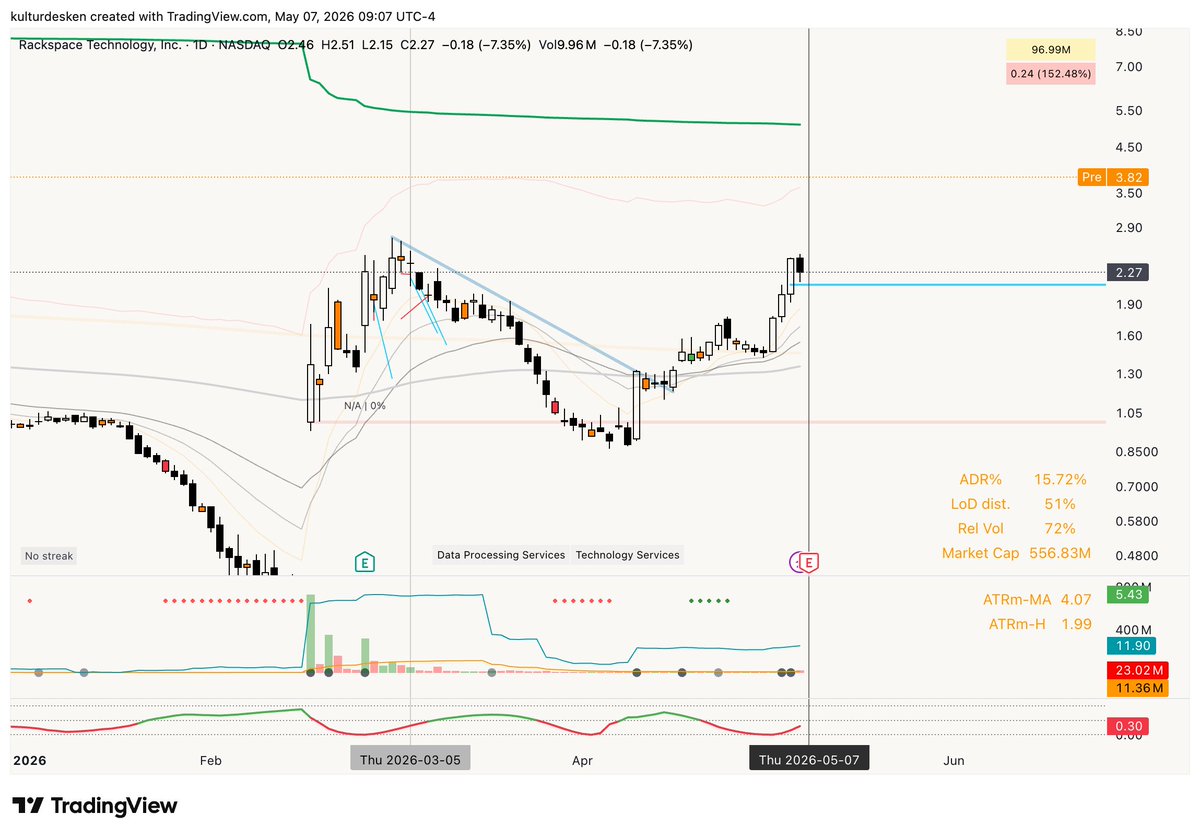



Relative Strength I don't trade random setups, I trade the context and Relative Strength guides most of my decision. You can see that I practise this consistently throughout the names I pursue, and without doubts my biggest winners in these two years are also those which showed RS via various timeframes. This is my secret of beating the market from a different timezone without stressing myself out. "Best stock goes up the most when the market is up, and goes down the less when market is down." ~ Matt Caruso @Trader_mcaruso My Entry Tactics (Relative Strength) x.com/wey_how12640/s… Relative Strength is Powerful x.com/wey_how12640/s… Relative Strength viewed simple x.com/wey_how12640/s…