Sabitlenmiş Tweet

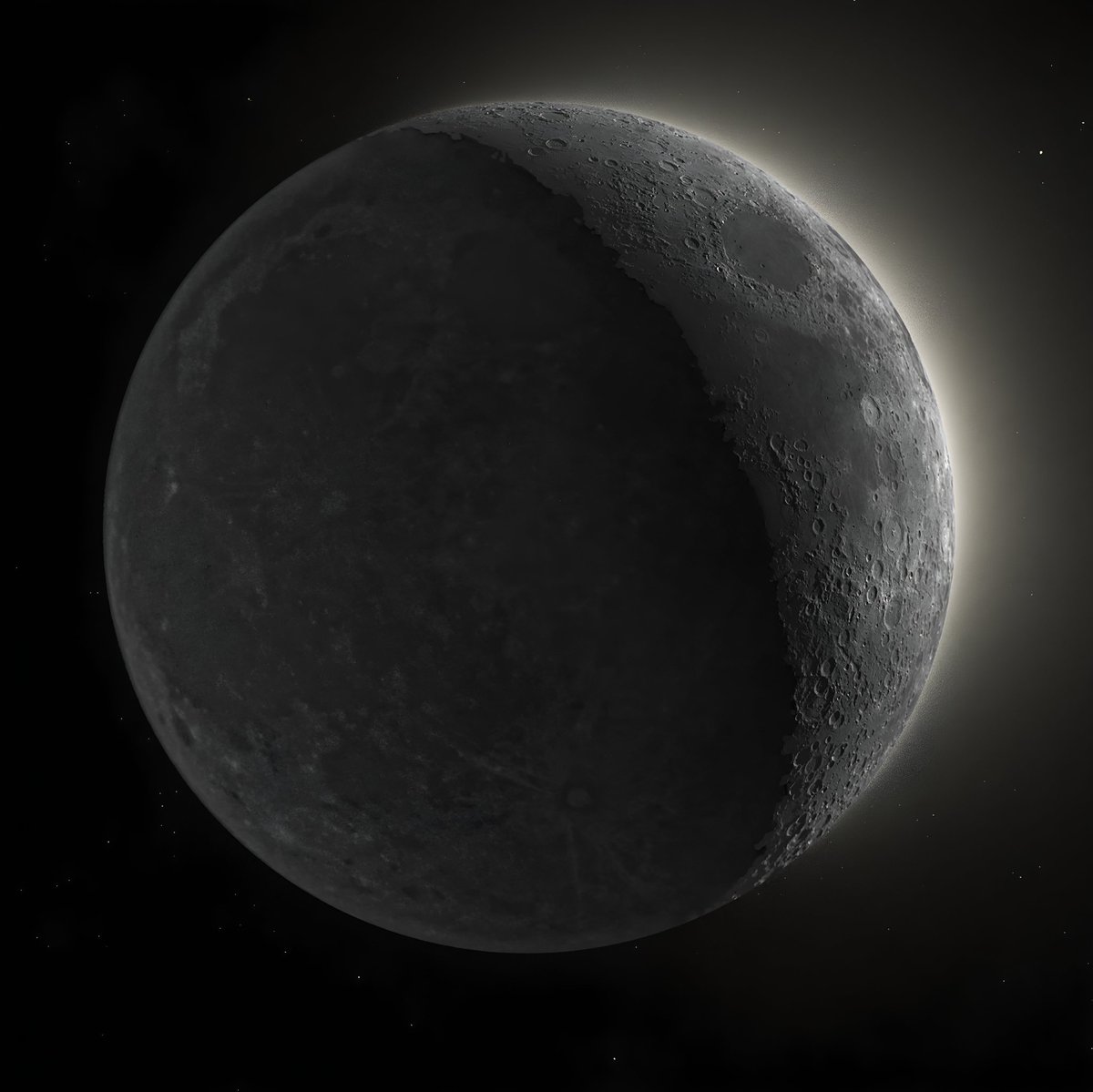
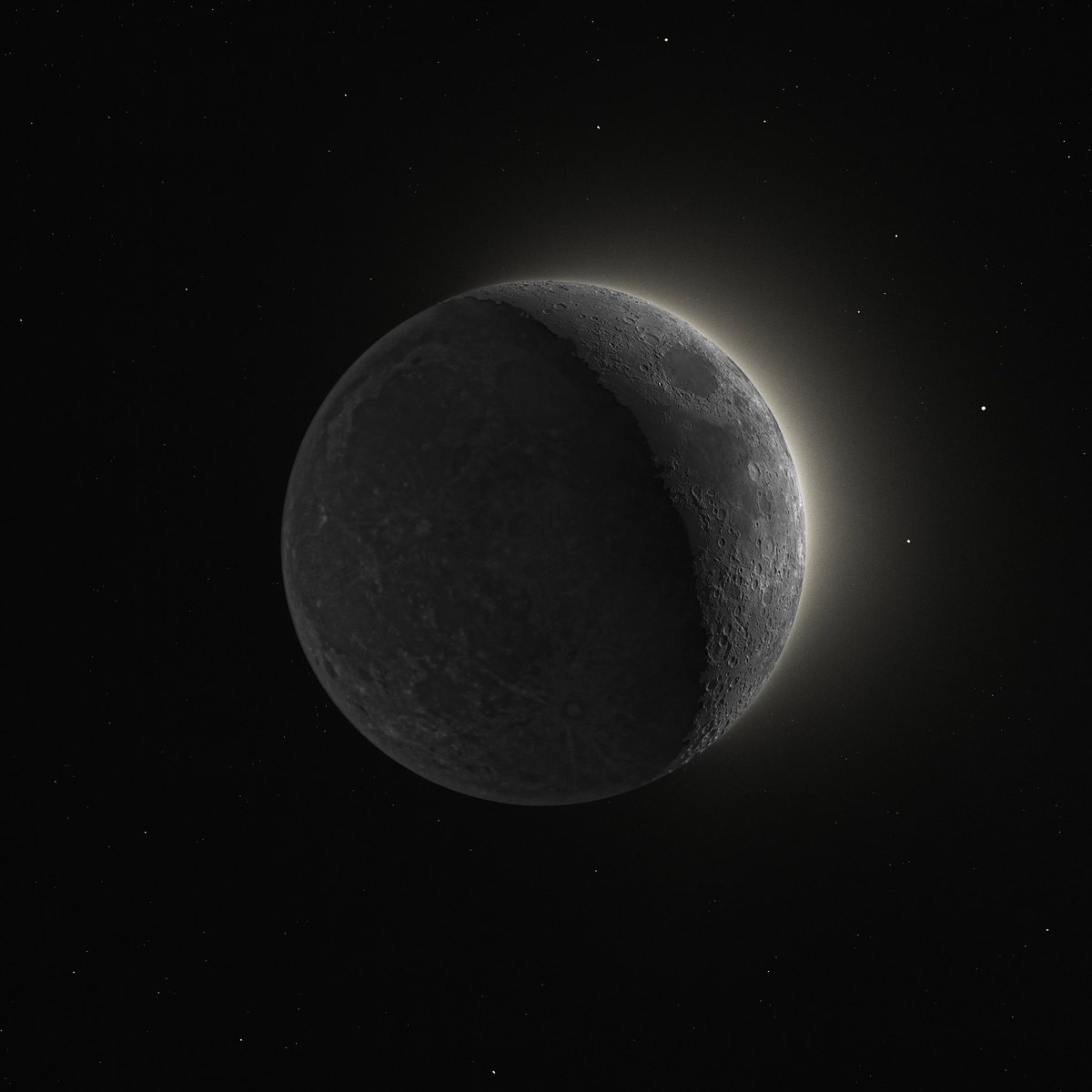
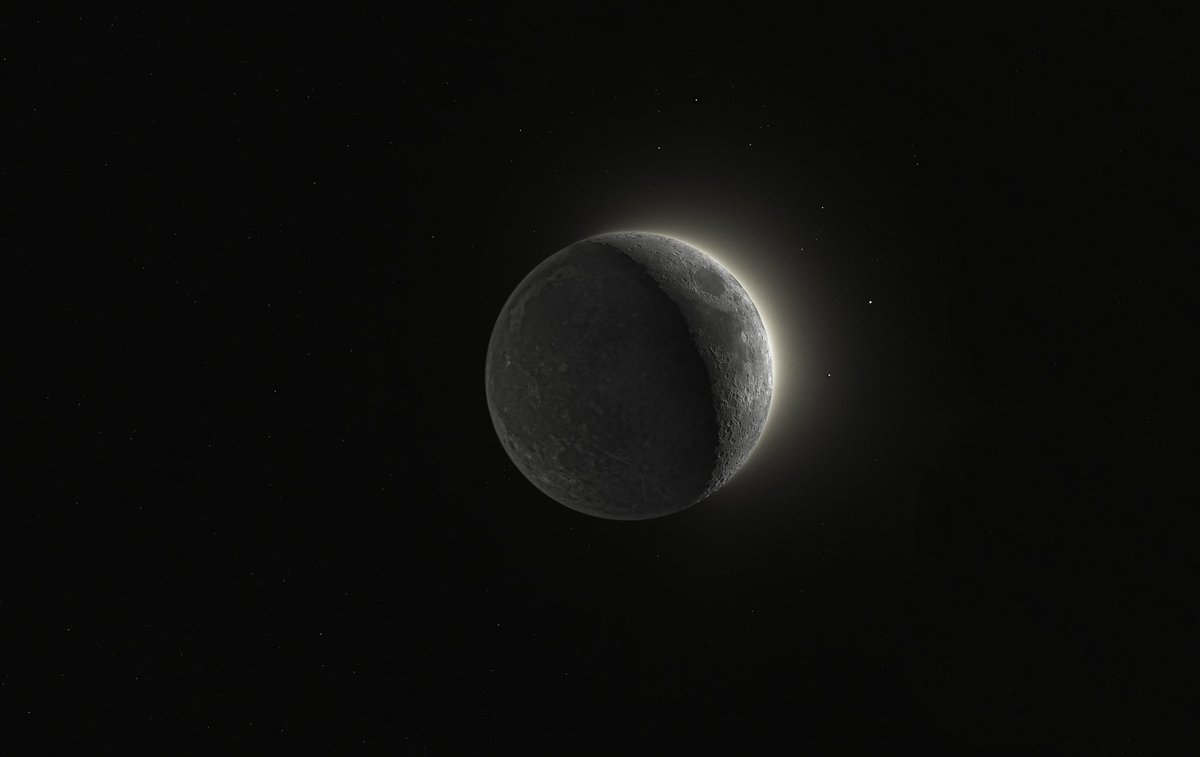
#Lunar image with a new technique I’m trying to see how far I can push details. This image consists of both the lit and un-lit sides of the moon along with the surrounding stars. The image also shows the moons natural glow that is shown with this editing process I’m trying.
Now that I have figured out how to have the illuminated and unlit sides of the moon with the surrounding stars all in one image I’m seeing how far I can push the details. The difference in capturing this image is I used two different setups. The larger scope I took 10k frames on half of the illuminated side of the moon then did the same with the other side. After processing the two sides I stitched the two sides together to make one large crescent moon photo with extreme detail.
The smaller setup was used to capture the entire moon and surrounding area in one frame and took 5k total frame but at a longer exposure time for each frame. This allows me to get a more data and a less noisy image without need as many frame, also helps with darker image.
Since the two images are completely different sizes I had to raise the resolution of the dark image to match the illuminated image. After I finish editing both images I then combine the two so you can see both sides of the moon along with the surrounding stars. The final image is a 213MB image where you can zoom into the lunar surface and look at the beautiful craters. I’m not sure if Twitter will compress the images or not so I might put a link to download the images.
Equipment
Illuminated moon
@oriontelescopes Rc8 carbon fiber
@zwoasi 533mc pro cooled camera
L-pro light pollution filter
@iOptronCorp gem45ec-nuc mounted
Zwo ADC
Dark moon
@SkyWatcherUSA Evostar 72 APO refractor scope
Asi 533mc pro cooled camera
Orion 0.8 reducer
Ioptron gem45ec-nuc mount
Zwo ADC
Software
PIPP, Autostakkert, Registax, photoshop
#moon #photography #Astrophotography #astronomy #space #nasamoonsnap @NASAArtemis @NASAMoon @apod
English