Covid19SupportGrpSA
42.8K posts

Covid19SupportGrpSA
@CovidSupportSA
Let’s support each other during these trying times.
Katılım Haziran 2020
831 Takip Edilen1.5K Takipçiler
Sabitlenmiş Tweet

A landmark study shows COVID19 isn’t ‘just a cold’:1 infection left people with long-lasting immune damage & those with heart disease lost up to 70% of key immune cells. Reinfections may worsen this. The message is clear: protecting ourselves still matters johnsnowproject.org/primers/sars-c…
English

Covid19SupportGrpSA retweetledi

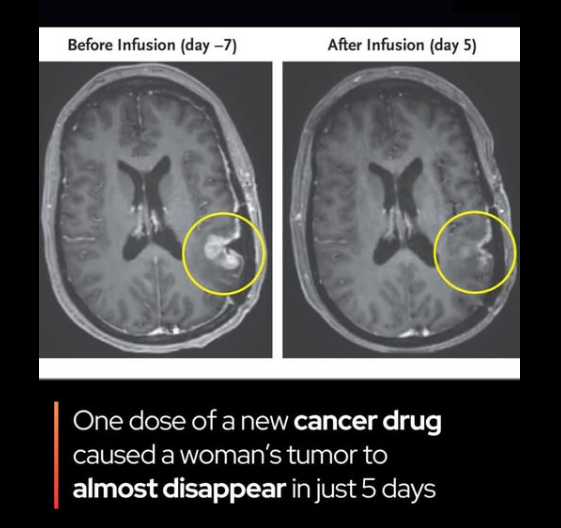
A single dose of a new cancer drug made a brain tumor almost disappear – in just five days.
Doctors at Massachusetts General Hospital reported “dramatic and rapid” tumor regression in the first patients treated with a next-generation form of CAR T-cell therapy for glioblastoma, one of the most aggressive brain cancers known.
The therapy, called CARv3-TEAM-E, was developed to overcome a major hurdle in treating solid tumors: their ability to hide from the immune system.
The personalized treatment reprograms a patient’s immune cells to attack the tumor, and in one extraordinary case, nearly eliminated the cancer within just five days. This novel therapy is designed to target multiple features of the tumor at once, a strategy that may help overcome the common challenge of treatment resistance in solid tumors like glioblastoma.
Although the tumors eventually returned, the early outcomes were described as unprecedented. One patient saw a 60% reduction in tumor size that lasted for half a year—an impressive result in a cancer known for its aggressiveness.
The trial’s success marks a major step forward for immunotherapy in brain cancer and raises new hopes for long-term control or even a cure. Researchers are now working to refine the treatment and extend its effects, with the ultimate goal of turning a once-terminal diagnosis into a survivable condition.

English
Covid19SupportGrpSA retweetledi

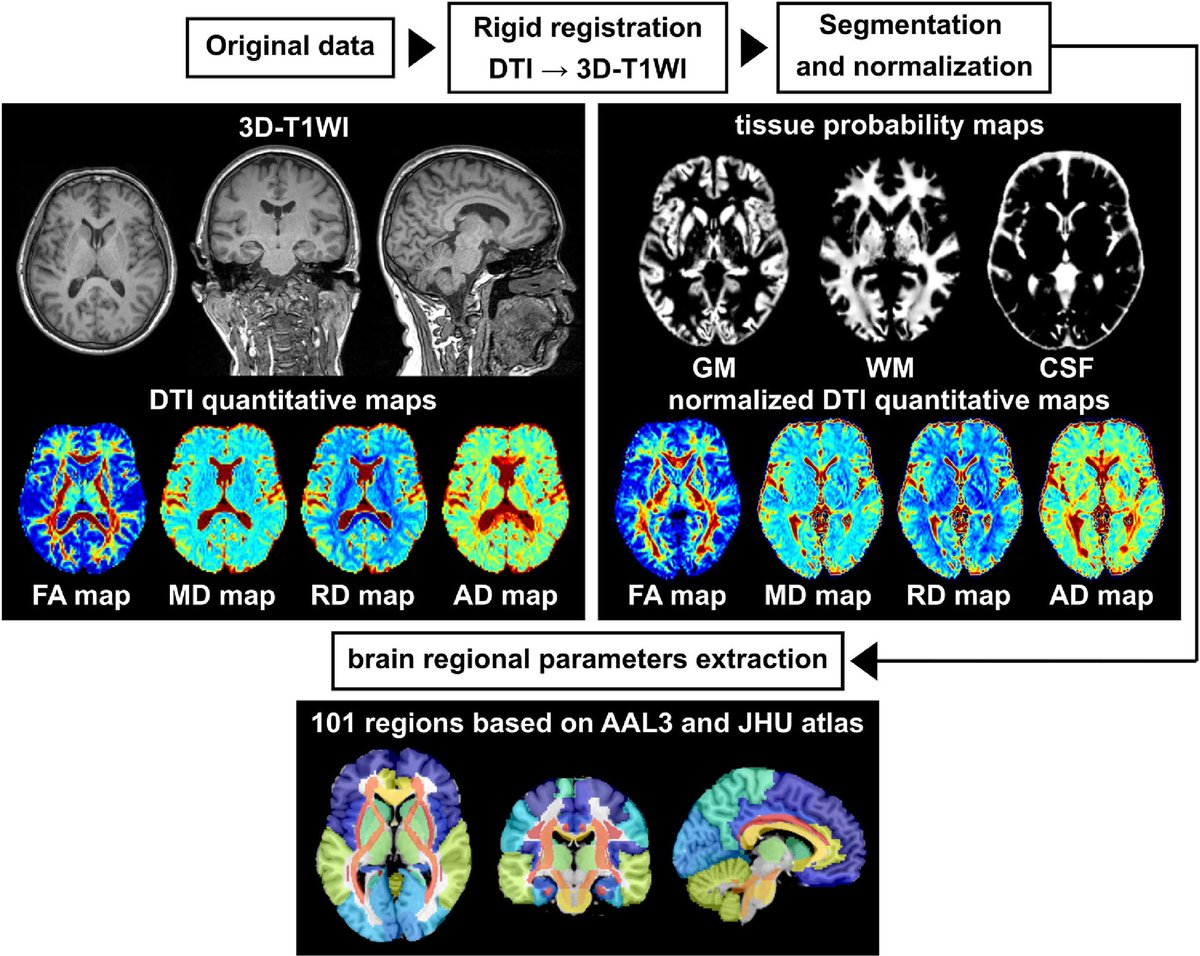
A review of 49 MRI studies shows that COVID-19 is associated with structural and functional brain changes.
➡️ Abnormalities are most commonly seen in the frontal, temporal, and parietal lobes, as well as the limbic system and subcortical regions.
➡️ These findings suggest widespread brain involvement, not limited to a single area.
➡️ The changes may explain both acute neurological symptoms and long-term effects (LongCOVID).
👉 COVID-19 is not just a respiratory disease—it has measurable, widespread effects on the brain
academic.oup.com/cercor/article…

English
Covid19SupportGrpSA retweetledi

Covid19SupportGrpSA retweetledi

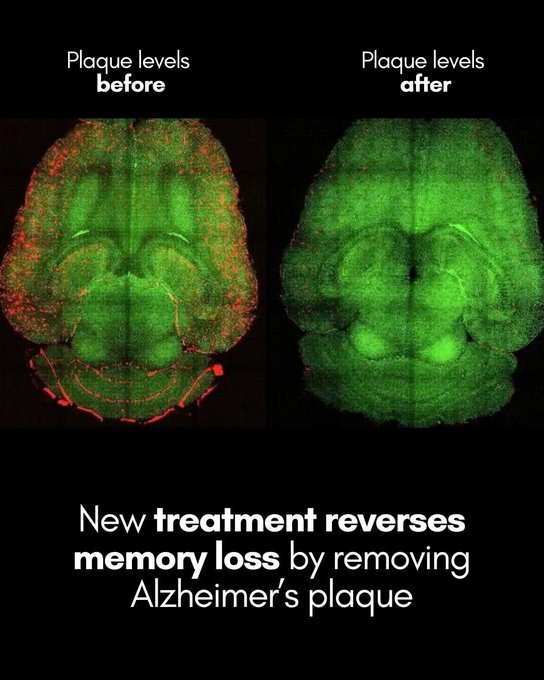
Researchers from Spain and China achieved a significant advance in Alzheimer’s research by developing nanoparticles that clear toxic brain plaque, a key contributor to the disease, and reverse memory loss in mice.
Published in Signal Transduction and Targeted Therapy, the study showed that three injections of these nanoparticles reduced harmful amyloid beta proteins in the brain by up to 60% within an hour.Remarkably, mice with severe memory and cognitive impairments regained normal behavior within six months.
The treatment not only cleared brain plaque but also repaired the blood-brain barrier (BBB), which protects the brain and clears waste but becomes impaired in Alzheimer’s, allowing harmful substances to accumulate.
Acting as a “supramolecular drug,” the nanoparticles restore the brain’s natural waste-clearing system by activating the LRP1 protein. This improved blood flow, reduced inflammation, and supported brain healing. While still in animal testing, this approach suggests a new path for Alzheimer’s treatment, focusing on enhancing the body’s defenses rather than just targeting toxic proteins.
If successful in humans, it could transform the fight against Alzheimer’s and other neurodegenerative diseases.

English
Covid19SupportGrpSA retweetledi

Overview and Pathophysiology of Long COVID
🚨200–400 MILLION people worldwide are crippled by Long COVID. That's not a 'mild' virus aftermath, it's multi-organ destruction that persists for years. Wake up. #LongC0vid
➡️Authored by @elisaperego78 , a Long COVID patient-researcher and advocate (with lived experience of chronic illness), it brings authenticity and depth rarely found in traditional academic reviews, blending rigorous synthesis with real-world urgency.💪👏
➡️Summary:
1. Long COVID affects an estimated 200–409 million people globally, with pooled prevalence around 36% across studies. Risks persist across all ages, even in mild/asymptomatic or vaccinated/Omicron cases, though attenuated by vaccination,
2. It is a heterogeneous, multi-system condition involving dozens of symptoms (e.g, fatigue, brain fog, dyspnea, pain) that evolve over time, often relapsing, with potential for subclinical damage, disability, and increased mortality,
3. Major pathophysiological mechanisms include viral persistence in tissues, immune dysregulation (e.g, lymphopenia, T-cell exhaustion, autoantibodies, complement issues, mast cell activation), autoimmunity, endothelial dysfunction, micro/macro-thrombosis (including fibrinolysis-resistant microclots), chronic inflammation, microbiome dysbiosis, and reactivation of latent pathogens,
4. Organ-specific involvement is widespread: cardiovascular/endothelial (e.g, vasculopathy, accelerated aging, perfusion defects), heart (myocarditis, arrhythmias, ischemia), lungs (fibrosis, thrombosis, perfusion abnormalities), CNS (neuroinflammation, Gray matter loss, BBB disruption), PNS (neuropathy, dysautonomia/POTS-like), GI (dysbiosis, barrier impairment), hepatobiliary/pancreas (injury, new-onset diabetes), kidney (progression to CKD, thrombotic microangiopathy),
5. Evidence draws from imaging (e.g, CMR showing up to 78% cardiac involvement post-mild infection), histology/autopsy (viral presence, thrombi, NETs), and large meta-analyses (e.g, 97 million people showing elevated autoimmune disease risk),
6. Challenges include heterogeneous case definitions (WHO, NICE, etc.), limited biomarker access, surveillance gaps post-2022, and reinfection contributions.
➡️‼️In short, this isn't just another review, it's a patient-powered wake-up call exposing Long COVID as one of the most complex, widespread, and under-addressed biological crises of our era.
‼️So, Long COVID represents a profound, enduring public health crisis driven by persistent viral and immune-mediated multi-organ destruction, with no resolution in sight without urgent, scaled-up research and intervention. #WAKEUP #AvoidSars2 #AvoidReinfections

English
Covid19SupportGrpSA retweetledi

University of California researchers say that shingles vaccination may halve the one-year risk of serious cardiac events among older adults who have heart disease.
Read more:
ow.ly/Nzu350YvvVi

English
Covid19SupportGrpSA retweetledi

The reactivation of herpes simplex virus (HSV-1, not only herpes zoster) may be tied to accelerated aging and dementia, and account in part for the mechanism of Shingrix vaccine''s protection @WIRED
wired.com/story/shingles…
English
Covid19SupportGrpSA retweetledi

Covid19SupportGrpSA retweetledi

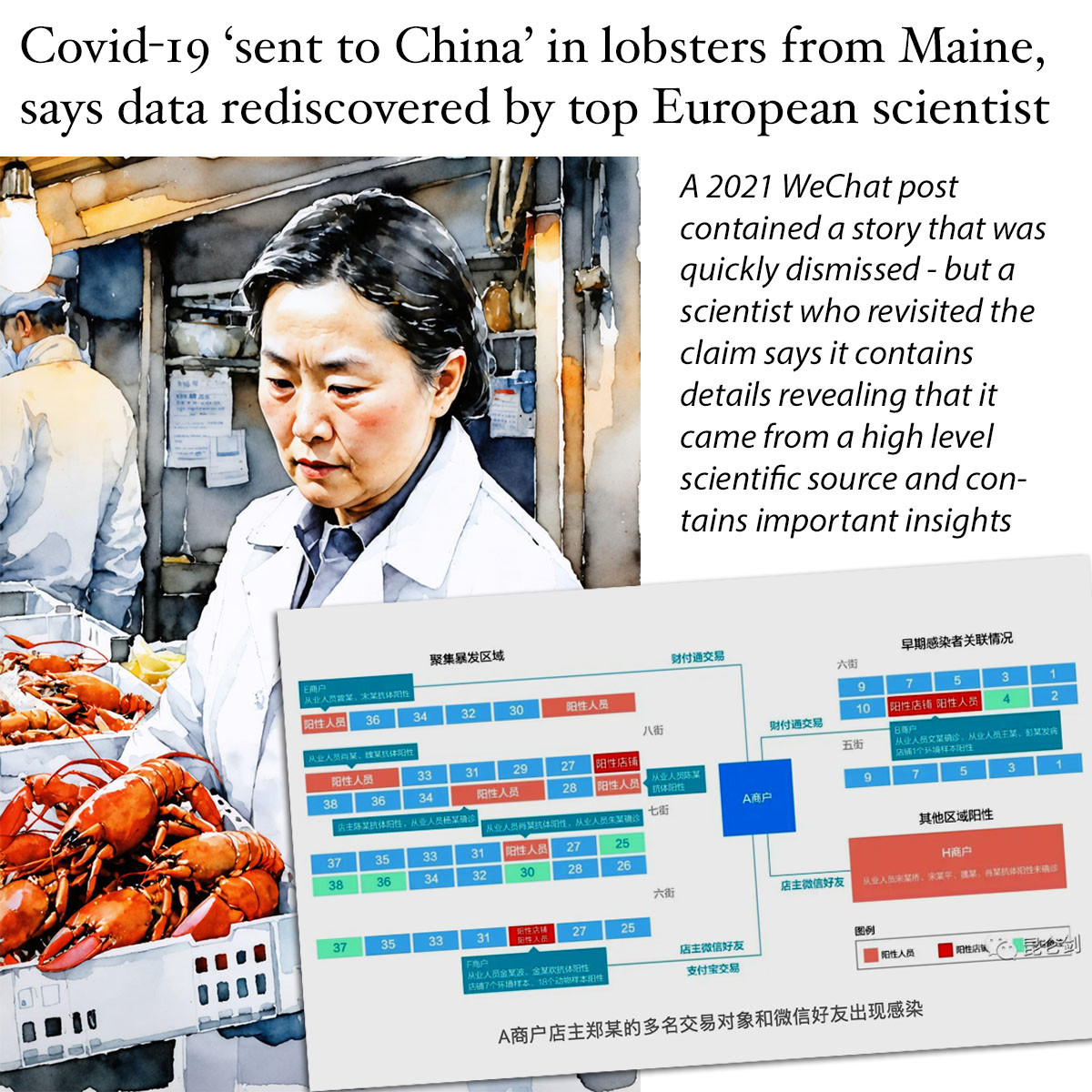
BREAKING NEWS: Covid-19 may not have originated in China but in the seafood industry in the US state of Maine, according to data circulated by a European scientist yesterday.
The startling news came from a re-examination of a long-deleted social media post in Chinese, reports Science, an academic journal.
It’s an extraordinary story. In September 2021, a post appeared on WeChat which said that people in Maine, in the middle of 2019, came down with a mysterious respiratory disease.
Some attributed it to vaping, while others said it appeared to be a virus.
By the end of the year, the virus arrived in China in frozen lobsters from Maine.
They were sold at the Wuhan wet market—specifically at stall 6-29. As the lobsters thawed, live animals picked up the virus, and 17 humans developed anti-bodies to it. By 31 December, 2019, the Chinese government identified a mysterious respiratory disease at the market and closed it the next day.
.
'CONSPIRACY THEORY'
At the time, the 2021 post was dismissed as one of a dozen conspiracy theories attributed to China trying to “shift the blame”.
The Maine lobster story spread on Twitter, but the accounts sharing it were closed down as “disinformation”. (It was later revealed that Twitter, before Elon Musk took over, worked regularly with US government agencies, who saw it as a political tool to control global narratives.)
French virus scientist Florence Débarre dismissed the theory too, at the time. But when she revisited the WeChat post recently, she noted that it did not come across as a conspiracy theory.
On the contrary, it contained a wealth of material that had never been released before, even by the Chinese government. This included detailed maps of the Wuhan market, identifying specific stalls which had infected live animals and the positions of stallholders carrying antibodies.
“The maps contain information that was made public later, which indicates they come from an informed source,” Débarre told Science. In other words, a narrative deleted by pre-Musk Twitter as a conspiracy theory was in reality from a highly knowledgeable Chinese source, likely a scientist involved in the investigation at an early stage.
The WeChat post, signed Kunlun Sword, says that Chinese scientists found 18 live animal samples which were positive from a stall numbered 6-29. This was the exact same stall that Débarre and other coronavirus experts had identified as the main source of the outbreak-- two years later in a 2023 study.
Today’s development doesn’t conclusively “prove” anything—but it does indicate that a post telling a story quickly deleted from the western Internet, was a genuine source with a high level of access to original data.
.
STORY CANNOT BE DISMISSED
It’s important to note that new story should not be dismissed as Chinese propaganda. Quite the opposite: The writer of the report in the Science journal takes a hostile attitude to the country, arguing that the story is “further evidence that China is withholding vital data on the contentious issue”.
Some scientists remain skeptical about Débarre’s report, while others say it merits further study, the journal says.
Still, at a more general level, the extreme politicization of the Covid-19 story means that all evidence that the virus circulated in the US and Europe in 2019 before being identified by doctors in China, is routinely omitted from reports.
It should not be forgotten that the US government put the CIA in charge of Covid-19 origins research, not medical scientists.
But as the Chinese make an increasingly large contribution to the world of research, the global science sector can at least hope for more balance in future.

English
Covid19SupportGrpSA retweetledi

Why do women account for nearly 2/3rd of all cases of Alzheimer's disease? A new, thorough review @jclinicalinvest, open-access, on its origins in midlife.
jci.org/articles/view/…

English
Covid19SupportGrpSA retweetledi

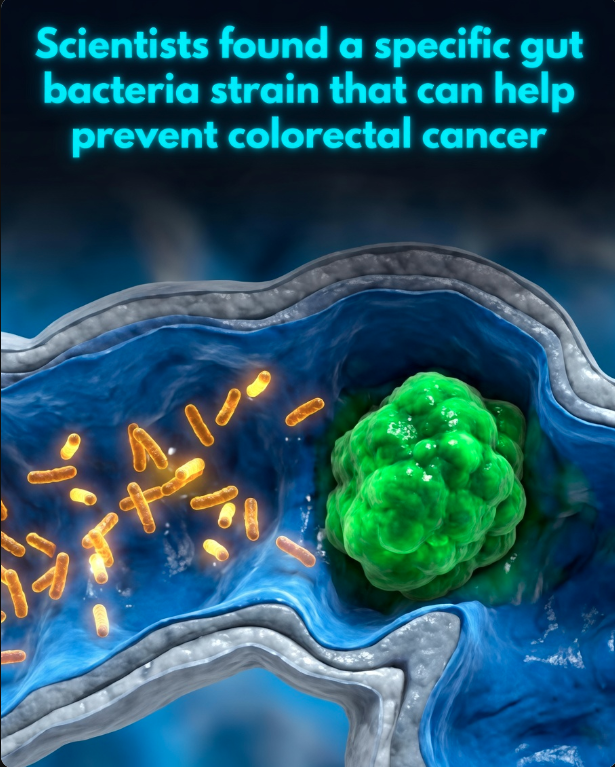
The gut microbiome could serve as a powerful ally in the fight against colorectal cancer.
Emerging research underscores how certain beneficial gut bacteria, including strains of Lactobacillus and Bifidobacterium, contribute to cancer prevention. These microbes ferment indigestible dietary fiber into short-chain fatty acids (SCFAs), particularly butyrate—a compound with strong anti-cancer properties.
Butyrate acts as an epigenetic modulator, promoting programmed cell death (apoptosis) in precancerous or malignant cells, reducing chronic inflammation, and bolstering immune surveillance against tumor formation. A balanced, diverse microbiome thus fosters an intestinal environment that actively discourages the initiation and progression of colorectal malignancies.
In contrast, microbial imbalance—or dysbiosis—can heighten cancer risk. Diets typical of Western patterns, rich in fats and low in fiber, often deplete protective species while allowing overgrowth of harmful ones, such as certain strains of Escherichia coli (especially colibactin-producing variants), Fusobacterium nucleatum, and enterotoxigenic Bacteroides fragilis. These pathogens drive DNA damage, persistent inflammation, and immune suppression, creating conditions conducive to tumor development—particularly evident in rising rates of early-onset colorectal cancer.
To harness these insights, scientists are exploring targeted interventions like probiotic supplements featuring beneficial strains, prebiotic-rich high-fiber diets to nurture SCFA producers, and even microbiome-modulating therapies. Such approaches aim to restore microbial equilibrium and may eventually inform novel screening methods, such as fecal microbiome profiling to detect dysbiosis early.
Ultimately, these findings highlight the microbiome's dual potential: as a risk factor when disrupted, or as a protective shield when nurtured through lifestyle choices, pointing toward personalized strategies for colorectal cancer prevention.
[Chaturvedi, P., et al. (2025). Colorectal Cancer Mitigation Through Probiotics: Current Evidence and Future Directions. Current Microbiology, 82(8), 339. DOI: 10.1007/s00284-025-04297-9]

English
Covid19SupportGrpSA retweetledi

Every time you get a cancer biopsy, the lab makes a tissue slide that costs about $5. It shows the shape of your cells under a microscope, and every cancer patient already has one on file.
There’s a much fancier version of that test called multiplex immunofluorescence (basically a protein-level map showing which immune cells are near your tumor and what they’re doing). It costs thousands of dollars per sample, takes specialized equipment most hospitals don’t have, and barely scales. But it’s the kind of data oncologists need to figure out whether immunotherapy will actually work for you. Right now, only about 20 to 40% of cancer patients respond to immunotherapy, and one of the biggest reasons is that doctors can’t easily tell whether a tumor is “hot” (immune cells actively fighting it) or “cold” (immune system ignoring it).
Microsoft, Providence Health, and the University of Washington trained an AI to analyze the $5 slide and predict what the expensive test would show across 21 different protein markers. They called it GigaTIME, trained it on 40 million cells in which both the cheap slide and the expensive test coexisted, and then turned it loose on 14,256 real cancer patients across 51 hospitals in 7 US states.
The results landed in Cell, one of the most selective journals in biology. The model generated about 300,000 virtual protein maps covering 24 cancer types and 306 subtypes. It found 1,234 real, verified connections between immune cell behavior, genetic mutations, tumor staging, and patient survival that were previously invisible at this scale. When they tested it against a completely separate database of 10,200 cancer patients, the results matched up almost perfectly (0.88 out of 1.0 agreement).
Nature Methods named spatial proteomics (mapping where specific proteins sit inside your tissue) its Method of the Year in 2024, and specifically cited GigaTIME in a March 2026 update as a model that “democratizes” this kind of analysis. The full model is open-source on Hugging Face. Any cancer research lab with archived biopsy slides, and most of them have thousands, can now run virtual immune profiling without buying a single piece of new equipment.
Satya Nadella@satyanadella
We’ve trained a multimodal AI model to turn routine pathology slides into spatial proteomics, with the potential to reduce time and cost while expanding access to cancer care.
English
Covid19SupportGrpSA retweetledi

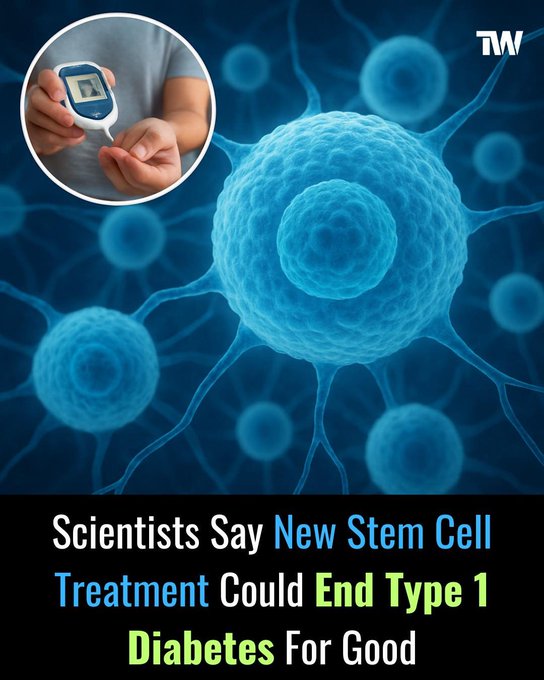
Scientists may have found a cure for type 1 diabetes.
For the first time ever, a man with type 1 diabetes is making his own insulin after receiving a cell transplant that required no immune-suppressing drugs.
Doctors took islet cells – the insulin-producing cells of the pancreas – from a donor. But before they were transplanted, scientists used CRISPR to edit three specific genes. Two of those edits made the cells less visible to the immune system. The third increased production of a protein called CD47, which acts like a biological shield, telling immune cells not to attack.
Then they injected the edited cells into the man’s forearm.
Within weeks, those cells began producing insulin. And 12 weeks later, they still are – with no rejection, no complications, and no immune-suppressing drugs. That’s a major breakthrough. In the past, cell transplants for type 1 diabetes almost always failed without heavy drugs to suppress the immune response. Those drugs come with serious risks: infections, organ damage, even cancer.
["Survival of Transplanted Allogeneic Beta Cells with No Immunosuppression." The New England Journal of Medicine, 2025]

English
Covid19SupportGrpSA retweetledi

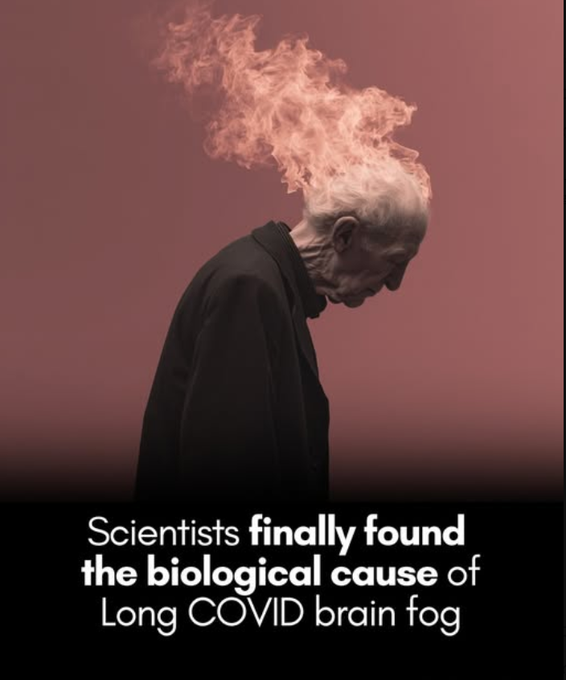
Long COVID brain fog is real — and now, we know what’s causing it.
A breakthrough brain scan reveals the science behind the symptoms.
Scientists in Japan have identified a biological cause behind the cognitive “brain fog” experienced by many Long COVID patients—a breakthrough that could lead to reliable diagnosis and treatment.
A team at Yokohama City University used a cutting-edge brain imaging method to detect abnormal increases in AMPA receptors (AMPARs), molecules essential for learning and memory, in people suffering from Long COVID. These elevated receptor levels, observed using [11C]K-2 PET imaging, were closely linked to the severity of cognitive symptoms and inflammation markers, offering the first clear molecular explanation for the condition.
The findings, published in Brain Communications, show that AMPAR density not only tracks with brain fog severity but also enables near-perfect distinction between affected and healthy individuals—100% sensitivity and 91% specificity. This offers promise for both diagnostic tools and treatments, such as drugs that suppress AMPAR activity. With brain fog affecting over 80% of Long COVID sufferers globally, this research marks a significant step toward validating the condition and accelerating efforts to address it with targeted therapies.
[“Systemic increase of AMPA receptors associated with cognitive impairment of long COVID” by Yu Fujimoto et al., 1 October 2025, Brain Communications]

English
Covid19SupportGrpSA retweetledi

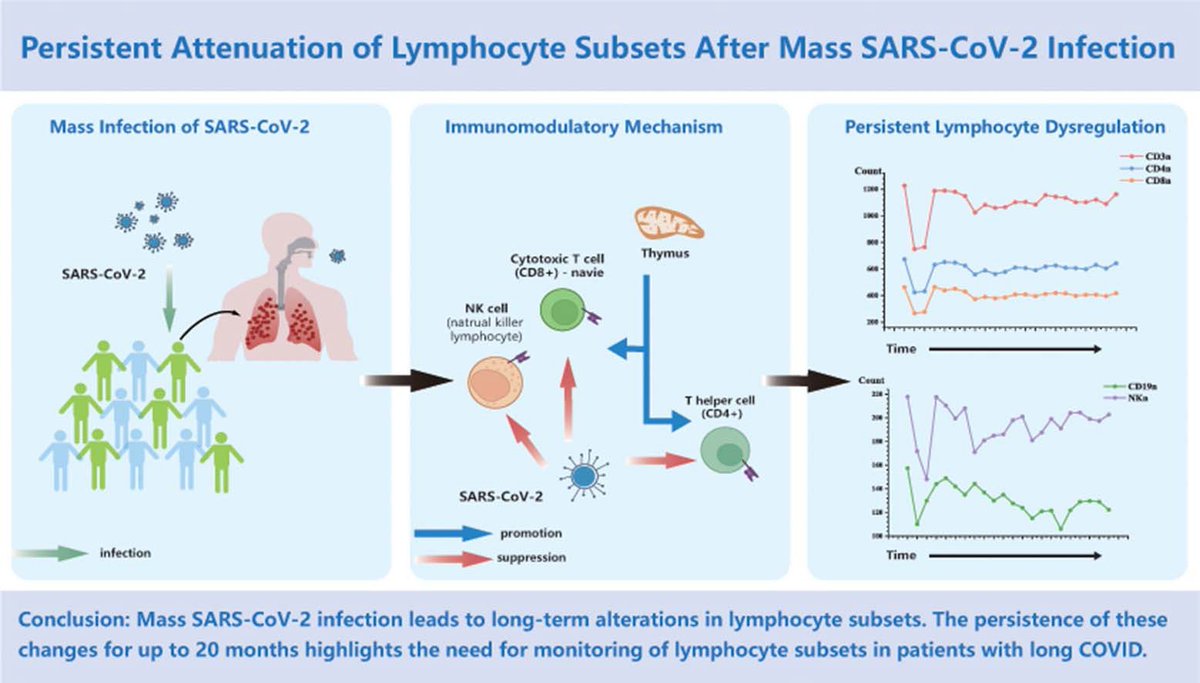
A large study of over 40,000 people found that COVID-19 infection can cause long-lasting changes in immune cells, particularly lymphocytes.
➡️ Some immune cell levels remained below normal even 20 months after infection.
➡️ Researchers observed significant drops in T cells, CD4⁺ T cells, CD8⁺ T cells, NK cells, and B cells during infection, with incomplete recovery long after.
➡️ These immune changes may contribute to persistent symptoms seen in #LongCOVID. 1/

English
Covid19SupportGrpSA retweetledi

@sbABetterLeader Six years ago, we agreed that our children would be infected w/ SARS-CoV-2 which is persistent and slowly damages all organs/systems, including the brain and immune system. There is no cure. Almost every child in the world has been infected multiple times.
x.com/JoannaTeglund/…
Joanna Teglund🕊️✊😷🍉Human life is sacred@JoannaTeglund
@chalmermagne We've known since 2020 what SARS-CoV-2 does to humans, both children and adults. Judging by the comments we will let the virus to ravage their tiny bodies, over and over again, for as long as they breathe, with a cruelty that only humans are capable of. publications.aap.org/pediatrics/art…
English
Covid19SupportGrpSA retweetledi

Cancer-related deaths of 5-9 year olds.
See that HUGE increase? Yeah, seems pretty concerning right?
I'm not even a parent and I think this is fucking terrible and the government should address this RIGHT FUCKING NOW.
Sweden also has universal healthcare btw.
Ilkka Rauvola@jukka235
Cancer-related deaths of 5-9 year olds in Sweden. 1/x
English
Covid19SupportGrpSA retweetledi

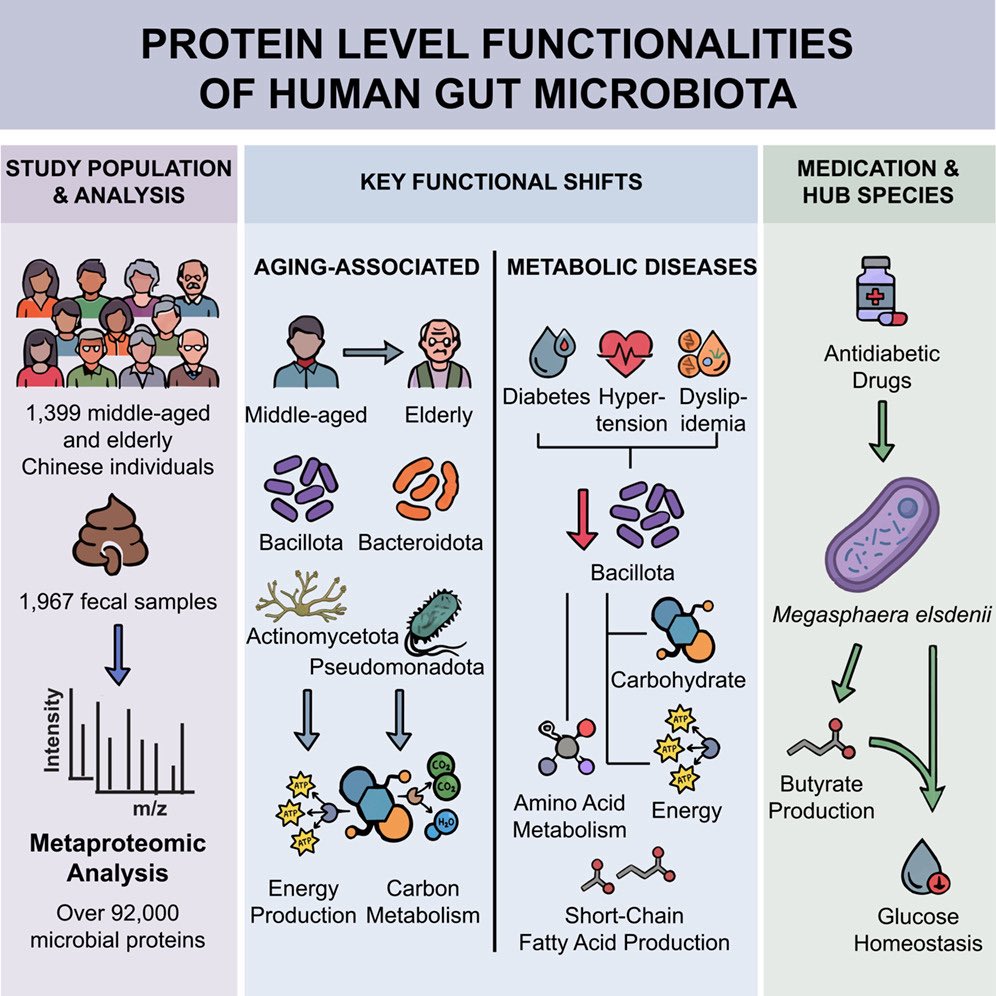
A large study examining gut microbes in nearly 2,000 people found that the functions of gut bacteria change with aging and metabolic diseases such as diabetes.
➡️ People with metabolic conditions tended to have fewer beneficial bacteria involved in energy metabolism and short-chain fatty acid production.
➡️ The researchers also identified a bacterium, Megasphaera elsdenii, that may help regulate blood sugar and is promoted by some diabetes medications.
👉 These findings suggest that the gut microbiome may play an important role in health and could become a target for future treatments.
cell.com/cell-metabolis…

English