Cryptology Key

1.1K posts

Cryptology Key banner
Cryptology Key

Cryptology Key

@CryptologyKey

Environment where traders become profitable | Education & Community | Insights & Analytics | Crypto, Forex & Stocks | 🧠 + ⏳ = 💸

Katılım Haziran 2022
0 Takip Edilen2.8K Takipçiler
Sabitlenmiş Tweet
Cryptology Key
Cryptology Key@CryptologyKey·
Your Results Inspire Us 🌟💰 We’re proud of our numbers because the stats speak for themselves: - 50% of our students had been losing money before joining our program. - 75% completed the entire course, mastering all the material. - 40% achieved their first results while still studying. - 30% reached stability and transitioned to trading as their primary career. 🤔 What do all our students have in common? A drive to improve and expand their knowledge. 🧠 No matter where you start, achieving your goals requires giving it your all—100%! Stop standing on the sidelines—it’s time to make the most of your opportunities 🤝
Cryptology Key tweet media
English
3
0
12
3.9K
Cryptology Key
Cryptology Key@CryptologyKey·
📌 Today, let’s break down what triggers trader capitulation 🏳 The psychology of capitulation is a cognitive bias where a trader loses the ability to assess the situation rationally and gives in under pressure from fear, exhaustion, or external influences. Even when there’s a real chance of success, they lose faith in themselves. Examples: Crowd influence. A trader opens a position, then checks a chat and sees that most people think differently. External pressure → anxiety → premature exit. If the original forecast plays out, the stress only worsens. Pullback from target. The price almost reaches the take profit, but then a pullback starts. Thoughts kick in: “Why didn’t I close earlier?” or “Was my target too high?”—leading to frustration and closing at a loss or break-even. Conclusion: Fear, impulsive moves, news, and herd mentality all distort thinking, pushing traders to act based on comfort rather than logic. How do you fight this? 🤔 💡 Control and awareness of emotions. Step away from anything that overstimulates your nervous system. If public opinion could influence your decision, avoid chats before opening or closing a position. Focus on other tasks instead. 💡 Clear trade objectives. Before entering a trade, justify your position from A to Z. Write down entry and exit factors, document them, and use your notes later to make rational decisions during emotional swings. 💡 The ~2-minute method. Before making a decision, pause—get some water, step outside, or do a quick distraction. Shifting focus helps make rational choices instead of emotional or impulsive ones. 💡 Trader’s journal. A highly effective tool for working through cognitive biases. It helps identify recurring thought patterns and trading mistakes. Remember, your approach and decisions should be based on arguments, facts, and statistics. Don’t be a hostage to the situation—accept risk, create a plan, and direct your energy toward growth and expanding your perspective.
Cryptology Key tweet media
English
1
0
10
2.5K
Cryptology Key
Cryptology Key@CryptologyKey·
Luxury watches are not only a style statement but also a promising asset ⌚ The market is growing, demand is breaking records, and rare models increase in value every year. But is it that simple? Let's break down how demand and rarity affect the price and assess the risks in our #FinHub segment. How is the price of watches formed? The price of elite models depends on👇 ✅ Brand: @ROLEX, Patek Philippe, @AudemarsPiguet – market leaders. ✅ Rarity: limited editions are valued higher. ✅ Condition: perfect preservation, complete set, presence of the box – all this increases the value. From 2018 to 2023, Audemars Piguet increased by 65% on the secondary market, while Rolex and Patek Philippe grew by 33-45%. Why are watch prices rising? Rare models with high demand are one of the main drivers of growth: Patek Philippe Nautilus 5711 increased from $30,000 to $120,000 over 5 years. Rolex Daytona consistently grows by 10-15% per year. The second most important driver is trends: right now, steel sports models are in fashion, and of course, this drives their prices up. HNW investors (high-net-worth individuals) often add watches to their investment portfolio for diversification. The main reason for this is their low correlation with the stock market. They don't provide dividends like some stocks but can preserve capital during a crisis. However, there are risks👇 ❌ Liquidity: selling quickly and profitably isn’t always possible. ❌ Fakes: the market is full of counterfeits, especially in popular models. ❌ Trends: fashion changes, and the price can drop. ❌ Entry threshold: investment-worthy models start at $10-15k. Although luxury watches are a real asset with growth potential, like any investment, success requires an analytical approach: study the market, choose rare models, and verify authenticity. Watches can become part of your portfolio if you're ready for long-term investments and the risks that come with them. For some, it's about style, for others – a way to preserve capital.
Cryptology Key tweet media
English
0
0
7
1.9K
Cryptology Key
Cryptology Key@CryptologyKey·
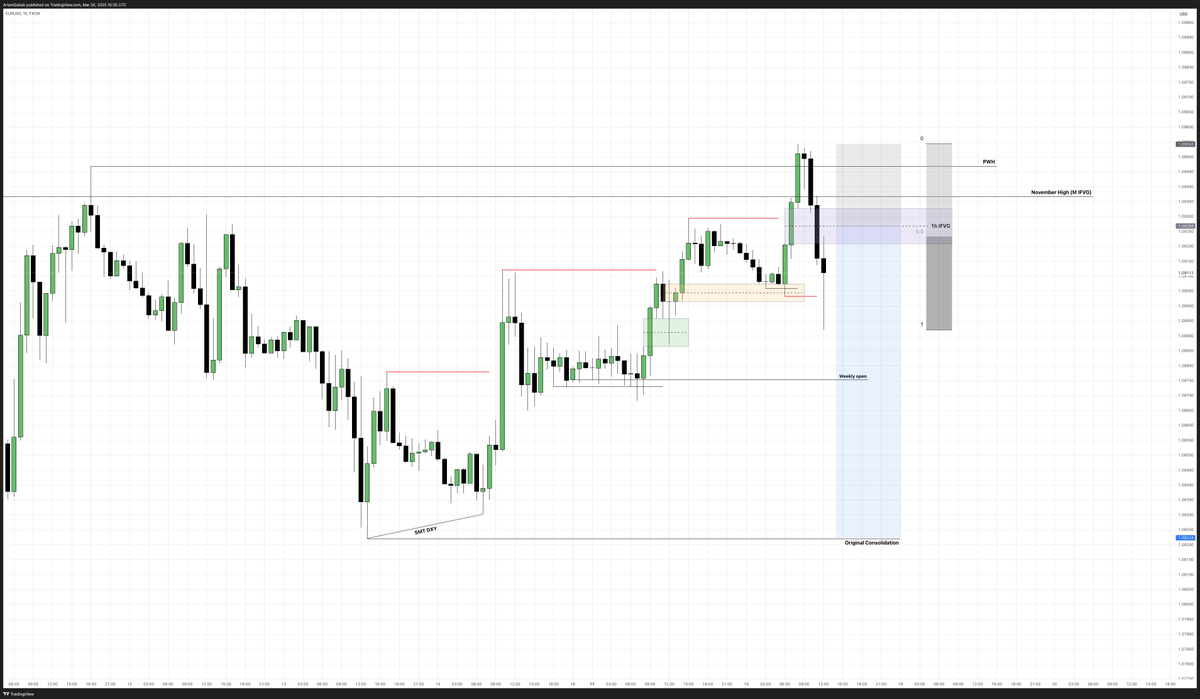
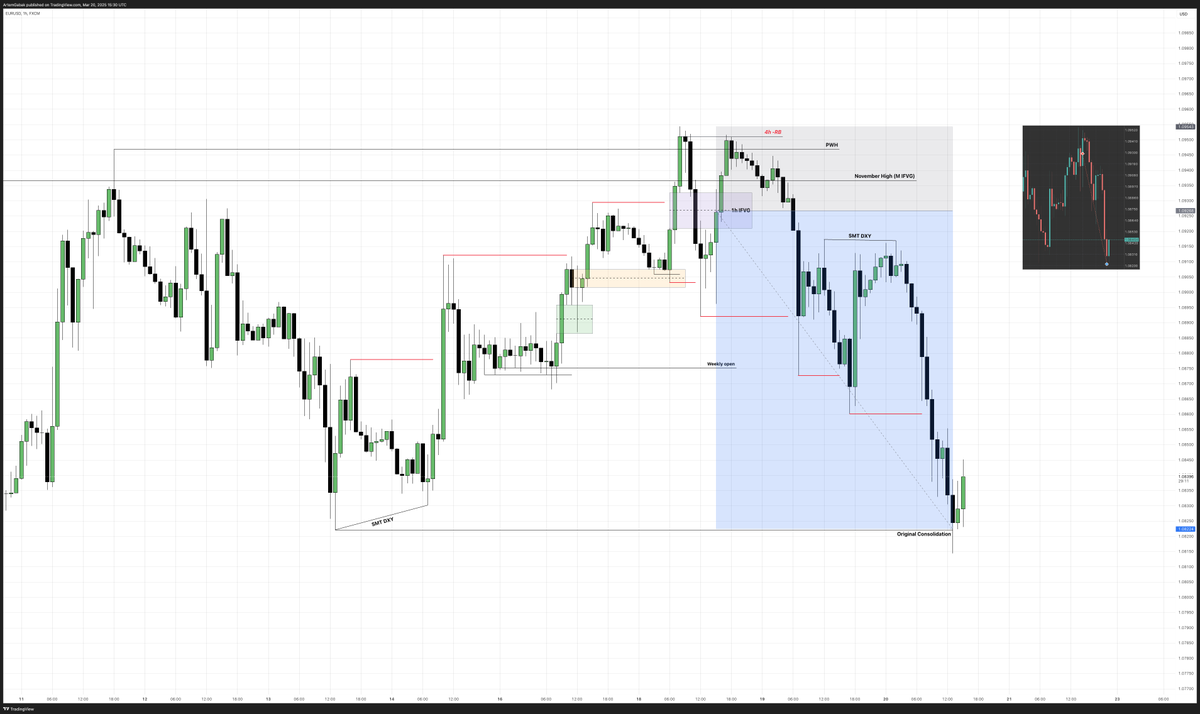
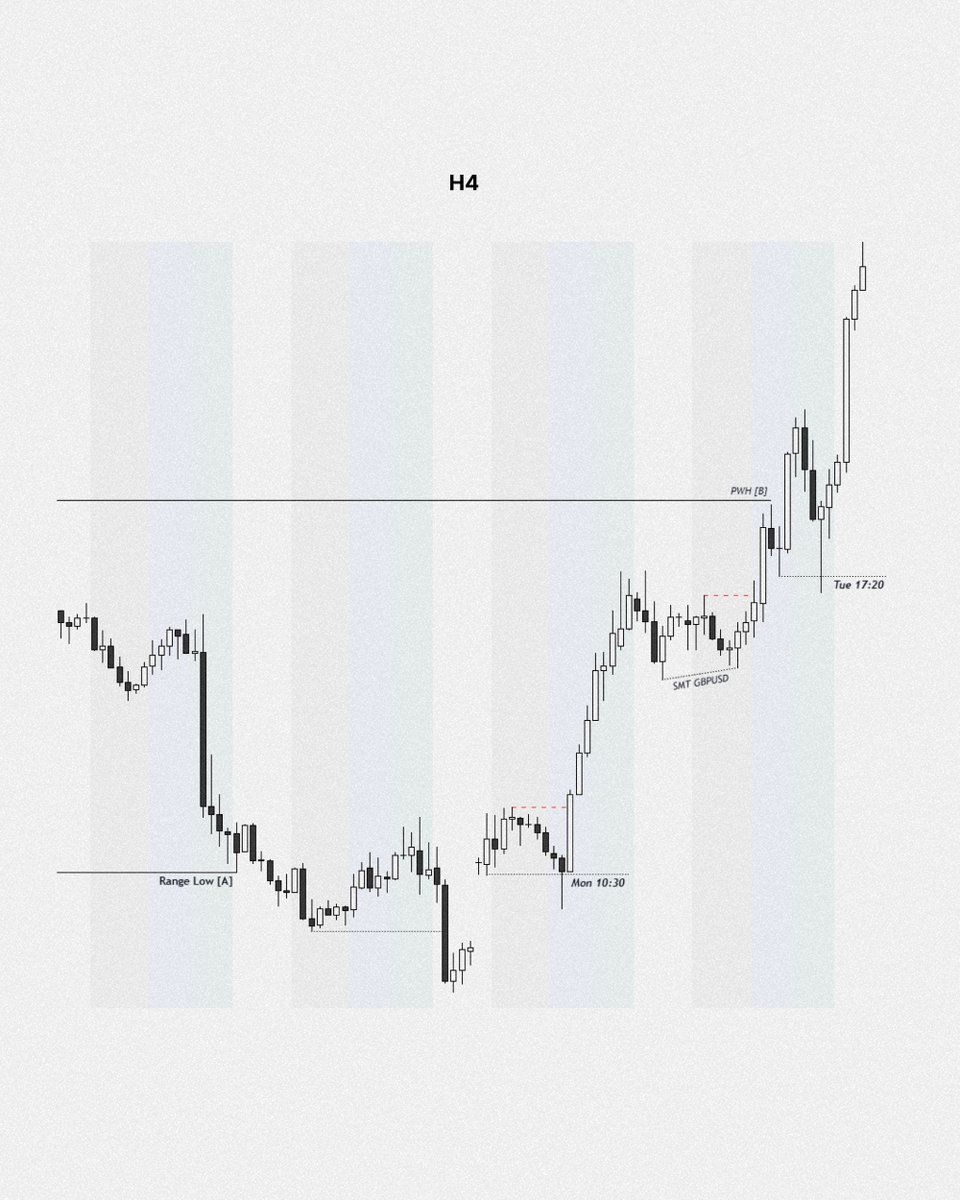
$EURUSD MMSM | Short +3.9RR 👉 EU 1H | Pre-Entry According to the Weekly Plan, the focus at the start of the week was on price interaction with the 4H FVG. Since there was no invalidation, reaching PWH was the logical expectation. Once that level was hit, the price impulsively broke the bullish structure. A limit order was then placed in the premium zone of the 1H IFVG. 👉 EU 1H | Take-Profit The position was held through news releases, but before the Fed meeting, the stop was moved to breakeven—justified by the redistribution formed before the announcement. This was highlighted in Wednesday’s review. The main $DXY target remained the weekly FVG, which the price reached as the EU hit OC. This created an SMT divergence with DXY, which served as the final trigger for closing the trade.
Cryptology Key tweet mediaCryptology Key tweet media
English
0
0
5
1.9K
Cryptology Key
Cryptology Key@CryptologyKey·
Powell’s Uncertainty Overshadowed by Lagarde’s Pessimism Let’s break down the week’s key events: speeches by Powell, Bailey, and Lagarde, central bank decisions, and economic data in #FinHub. 💵 $USD: Fed Stays Unclear The week started with weak U.S. retail sales, which confirmed a slowdown in consumer demand. However, the main event—the Fed meeting—was mixed. The Fed downgraded its labor market and inflation outlook but didn’t change its policy stance. The biggest surprise? Some see a fivefold slowdown in QT as a first step toward easing. This could lower U.S. bond yields and boost risk assets, but it’s too early to call the tightening cycle over. A real policy shift is still far off. 💶 $EUR: Lagarde Warns of Trade Risks Eurozone inflation keeps cooling, hitting 2.3% in February—bringing the ECB closer to a neutral rate. But risks remain. Lagarde warned that new U.S. tariffs could cut eurozone GDP by 0.3% in the first year, hitting Germany hardest as it teeters on recession. The EU’s decision to delay countermeasures added pressure on the euro, triggering an intraday drop. 💷 $GBP: BoE on Hold, Inflation Still a Concern The Bank of England kept rates unchanged, sticking to a plan of one cut per quarter. At the same time, it raised its inflation forecast, expecting a peak of 3.75% in Q3. This supported the pound despite dollar strength. ⏳ What’s Next? 📌 Monday: U.S. & EU PMI indexes—insight into manufacturing trends. 📌 Wednesday: UK inflation report. A slowdown could weaken the pound after Bailey’s hawkish stance.
Cryptology Key tweet media
English
0
0
6
1.1K
Cryptology Key
Cryptology Key@CryptologyKey·
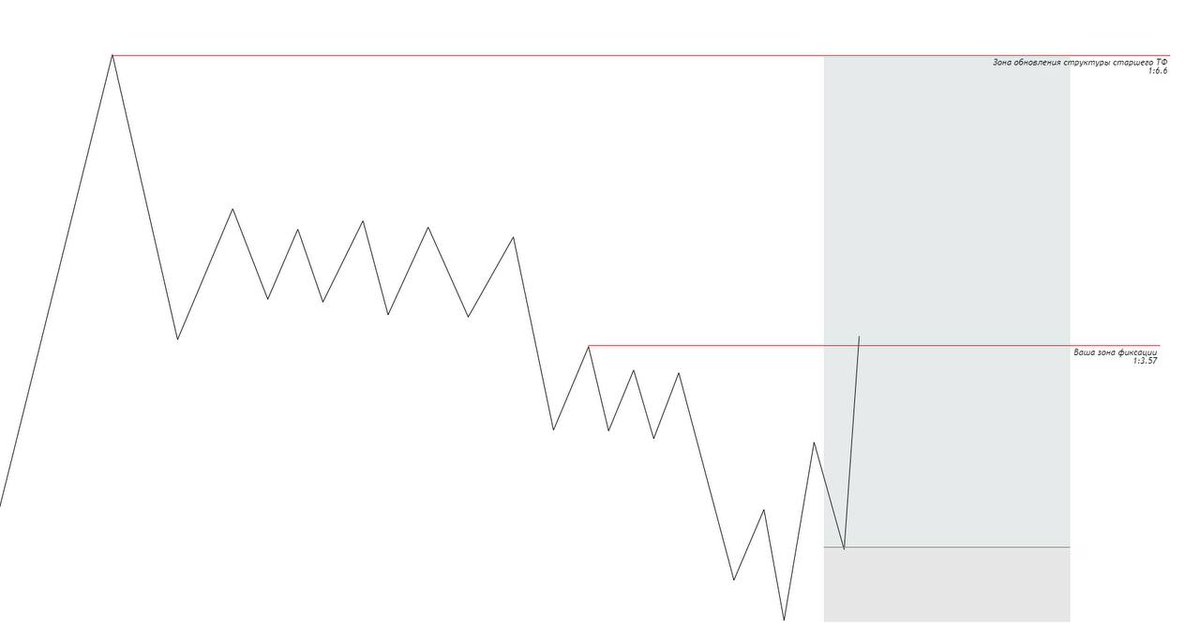
How to Increase RR in Your Trades? Every trader aims to make more money throughout their career. Some believe a higher win rate is the key, but most traders focus on increasing the average RR in their positions. I’ll walk you through a strategy to help you improve your RR successfully. The RR-WR Tradeoff The first thing to understand is that increasing RR directly impacts your WR. The larger the price move you target, the higher the chance things won’t go as planned. A simple equation sums it up: Higher RR → Lower WR Lower RR → Higher WR Here, you need to consider your mental resilience. Not everyone can handle five consecutive stop-outs while trying to catch a reversal and hold for a 15RR move. Practical Tips 💡 Trying to enter with a tighter stop or on the first sweep is a recipe for disaster. The only reliable way to increase RR without significantly harming WR is by properly syncing higher timeframes and managing your position effectively. 1️⃣ Adjusting FTA Zones for Partial Profits Stop taking most profits at the nearest liquidity pool. If you enter a quality setup, consider taking your first partial at the nearest structural high of the higher timeframe (H1-H4). 2️⃣ Proper TF Synchronization When aligning timeframes correctly, the primary targets for taking profits should be those of the higher TF. If you’re aiming for a long continuation on the 1D chart, the bulk of your position should be held until that target is reached. 3️⃣ Reducing Stop Size via Limit Orders A smaller stop is only achievable by using limit orders within 50% of your interest zone. However, this increases the risk of your order not getting filled. It’s the same tradeoff as WR—decide what matters more: entering and securing a small profit or setting a limit and potentially missing the entire move.
Cryptology Key tweet media
English
0
0
5
5.7K
Cryptology Key
Cryptology Key@CryptologyKey·
A stable result requires cold calculation, but constant stress destroys the trader and their capital. Emotional burnout is a common cause of market mistakes. How to recognize emotional burnout? If you notice the following: ❌ Irritability and outbursts of anger; ❌ Anxiety and apathy; ❌ Loss of motivation; ❌ “Foggy brain” and poor concentration; ❌ Sleep problems, headaches… Your mental health is likely under threat. There are many causes of emotional exhaustion in trading, and each person has their own. Some of the main ones include: 📉 Long periods of stress due to unstable results or losses; 📈 Strict time management without a break to breathe; ⚡ Information overload; ⏳ Constant market presence without psychological relief – overtrading. How to deal with this state and regain balance? ✅ Watch your routine. Sleep, nutrition, and physical activity are just as important as work. Without them, you won’t be productive. You're not a robot. ✅ Take breaks. Don't sit in the market 24/7, give your brain some rest. Remember to switch off to recharge. ✅ Add an “emotional state” section to your trading journal. Before opening and after closing each position, describe your state, because it may be the reason for your failures. ✅ Know your limit. Define the comfortable number of hours you can spend working without overloading yourself or your mental health. Trading should be a tool for growth, not a source of destructive stress. The market was there yesterday, is here today, and will be there tomorrow, but your psychological health is not infinite.
Cryptology Key tweet media
English
0
0
2
594
Cryptology Key
Cryptology Key@CryptologyKey·
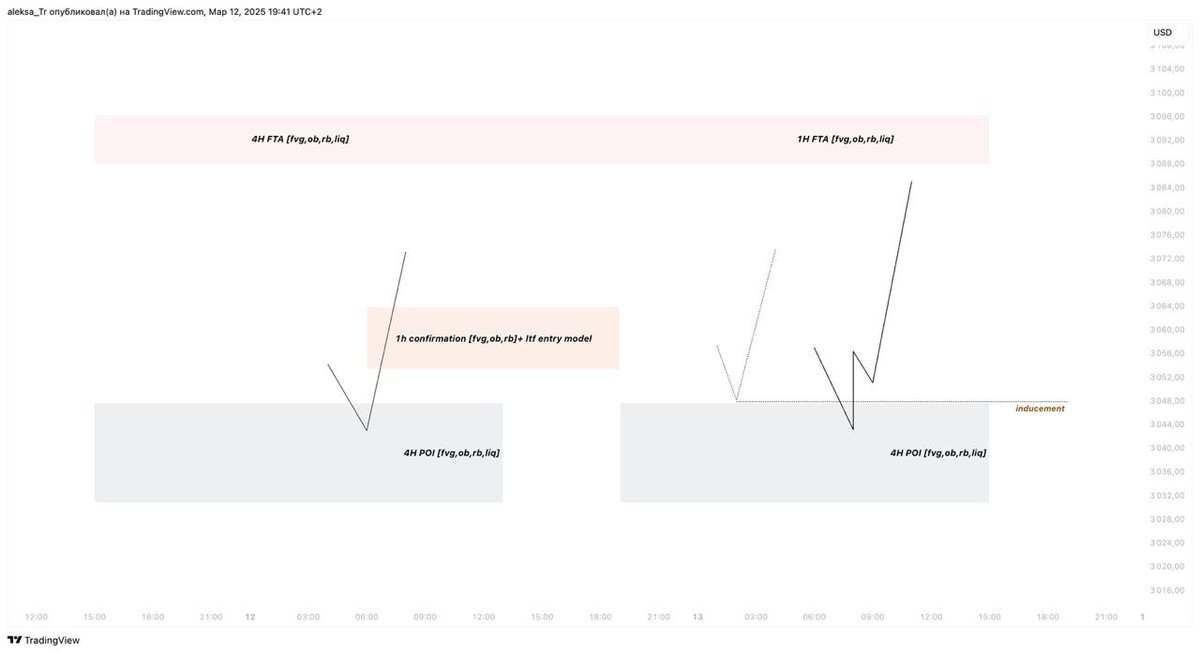
👋 Let's break down the market conditions under which your position should be moved to Break Even: 1️⃣ News Events It's important to remember that market volatility can spike sharply during news releases. Given this instability, it's recommended to move your position to Break Even a few minutes before key news drops—ideally 10-15 minutes in advance. 2️⃣ Static Fixation If you're using a classic risk-to-reward strategy (e.g., 1:2 or 1:3), the most optimal and high-probability approach is to set Break Even upon reaching the nearest First Trouble Area (FTA). This prevents bias, avoids overholding trades, protects your profit, and limits risks in case of counter-volume inflow from problematic zones. 3️⃣ Dynamic Fixation For dynamic targeting—which I personally use—Break Even is set based on specific FTAs, using a combination of timeframes and confirmations. Let’s go over two variations of setting a stop at BE: ⏰ Timeframe Synchronization 👇 1️⃣ 4H POI + 1H Confirmation When synchronizing timeframes, we validate a 4H POI (Point of Interest) using 1H confirmations, such as FVG, OB, RB, or liquidity sweeps. At this stage, we can confidently confirm that the 4H zone is significant and has strong potential. In this case, I set BE upon reaching the 4H FTA (Point B). 2️⃣ 4H POI + 1H Inducement (as a secondary liquidity source) If the strategy involves a 4H POI confirmed through 1H Inducement, it's important to understand that inducement serves only as an auxiliary liquidity source. While the 1H timeframe can enhance the probability of a reaction at the 4H POI, it does not confirm genuine interest in that zone. For this reason, BE should be set upon reaching the 1H FTA. For problematic zones, only consider those that haven't been previously tested.
Cryptology Key tweet media
English
3
0
4
1.5K
Cryptology Key
Cryptology Key@CryptologyKey·
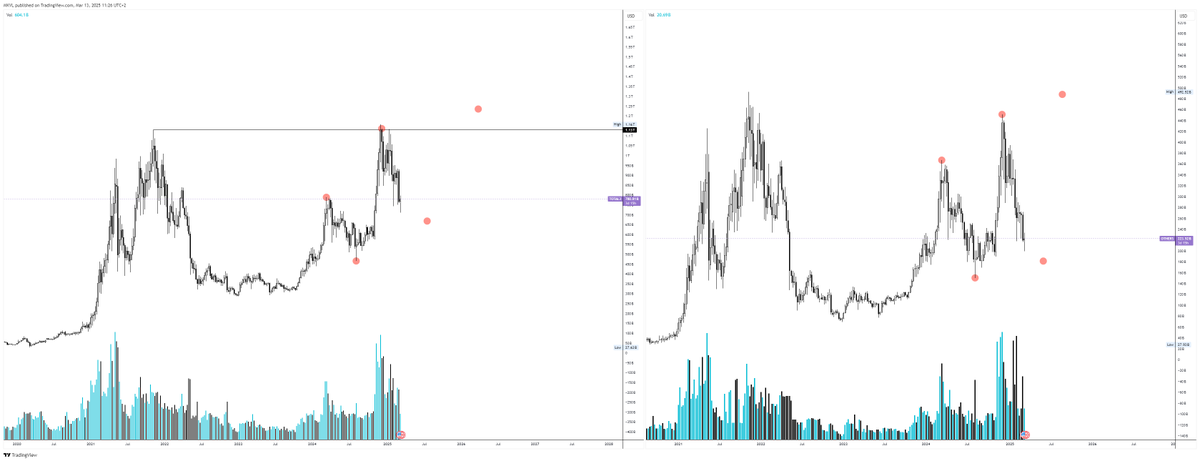
🚀 Good day, everyone! Hope your spot balances are enduring the final phase of torment… or maybe not. $TOTAL3 & $OTHERS The current chart shows a broad structural amplitude, indicating that the weekly phase remains in longs. So, any price corrections, as long as we haven’t broken the swing low, are not critical. Spring phase in market cycles usually means: a top before correction OR a bottom before a short-term rally → leading into summer accumulation → prepping for an autumn breakout. Best-case scenario? A market bottom formation, followed by index growth and a rally to February highs, then into a market-wide accumulation phase. March also brings bullish news: The $SOL CME listing reinforces the idea that all recent manipulations were simply big players making space for large entries. No reverse orders? No big buys. Simple logic. So, this entire market drop? Just a giant accumulation play. But where’s the bottom? Time & news will tell. What’s the move now? I'm still focused on the $SOL ecosystem, but now adding: $ADA, $BCH, $XRP, $S, $TWT, $OXT, $XLM, $BNB. 📌 Conclusion: The market is in a liquidity flush phase, where big money is stepping in. Trump’s policies are unpredictable, but they point to crypto’s long-term growth over the next ~2 years. Right now, don’t panic over the dumps! Many assets are holding strong, and their charts don’t look like $BOME… but hey, $BOME is a whole different story.
Cryptology Key tweet media
English
0
0
7
3.4K
Cryptology Key
Cryptology Key@CryptologyKey·
😞 Prolonged losing streak? What to do when everything goes wrong? You enter a trade → another stop. You adapt your strategy → another failure. You do everything by the book → no changes. Every trader has been there—one of the most stressful moments in trading. Negative thoughts creep in, eating you from the inside. But the worst thing you can do is act on emotions and look for answers where there are none. At times like this, you need to pause and take a deep breath to avoid making things worse 🍔 1. Take a break The best first step? Do nothing. Step away from the market and clear your mind. Reflect on your trading, stats, and mistakes before coming back. 2. Limit trades and losses Overtrading can seriously hurt your account. Set clear limits on the number of trades and max loss per day/week/month. Sticking to these rules will keep you in control and prevent unnecessary losses. 3. Analyze the real problem Most losing streaks are psychological, not strategic. Chances are, you're breaking your own rules. Identify your mistakes, adjust your trading plan, and—most importantly—follow it. There's no point in having rules if you ignore them. 4. Review your stats A trading journal is a powerful tool that most beginners overlook. Track your trades, analyze your performance, and refine your weak spots while reinforcing your strengths. 5. Ease back in Your losing streak won’t last forever, but don’t rush back in aggressively. Take your time, lower your risk, and use backtesting or forward testing to rebuild confidence. 6. Don’t change your approach impulsively It's tempting to switch things up immediately, but is that the right move long-term? It might just be variance or unfavorable conditions. Make adjustments over a larger sample size, not out of panic. Stay disciplined, stay patient, and you'll bounce back. 💪
Cryptology Key tweet media
English
1
0
4
586
Cryptology Key
Cryptology Key@CryptologyKey·
[Coba] EURUSD 28.02 - 05.03 HTF Range Deviation + LTF Session OF
Cryptology Key tweet mediaCryptology Key tweet media
English
0
0
9
582
Cryptology Key
Cryptology Key@CryptologyKey·
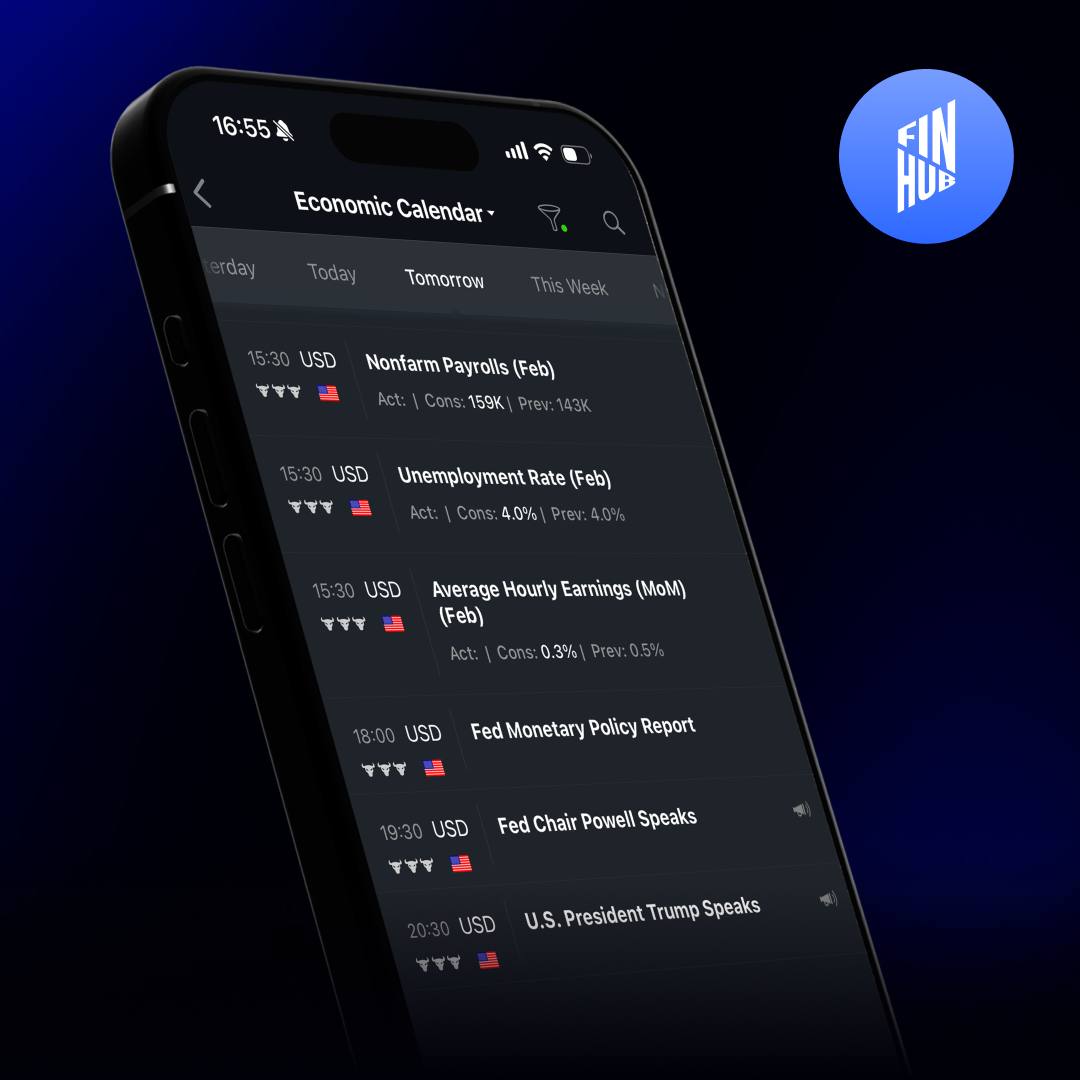
🚀 A lively start to March! #FinHub Market Overview 👇 💵 $USD Sentiment around the dollar remains weak due to unusual bond yield movements in Europe and stable yields in the U.S. Protective measures for certain industries are in place—automakers, for example, received an exemption under the USMCA, which could lessen the negative impact of tariff policies. Upcoming employment data (forecasted below expectations) could influence short-term sentiment despite the potential for the dollar to strengthen long-term due to tariff expectations. 💶 $EUR The ECB meeting took place today, and tomorrow brings U.S. employment data—both events could impact EUR/USD movements. Recent sharp swings in European bond yields, especially in Germany, haven't been reflected in U.S. Treasuries, adding to short-term uncertainty. 💷 $GBP Markets are closely watching Bank of England comments, as they could impact GBP/USD, which is trading near resistance. Trade volume is expected to grow by about 2.5% YoY, supported by a front-loaded acceleration in Q1. ❗️❗️❗️ U.S. Employment Data 🇺🇸👷‍♂️ Tomorrow's labor market report is expected to show around 159K new jobs, but internal market estimates—the so-called whisper number—point to a more modest 120K, reflecting increased caution. Skepticism has risen after unexpectedly weak ADP data: such a low private payroll figure raises concerns that official NFP numbers may also miss expectations. If the report is weaker than forecasted, the USD could face short-term pressure. Worse-than-expected employment data typically weighs on the dollar as investors price in a more dovish Fed stance. However, keep in mind that ADP data has already been partially factored into the market!
Cryptology Key tweet media
English
0
0
6
363
Cryptology Key
Cryptology Key@CryptologyKey·
#results 💵 Mistakes, challenges, and constant strategy refinement led to $1 000 000 in managed funds. And this isn’t the final milestone—it’s just a checkpoint for our graduate Alex 🔥 In a year, he’s made $80,000 in profit on @FTMO_com & @the5erstrading alone 🚀
Cryptology Key tweet media
English
0
0
2
365
Cryptology Key
Cryptology Key@CryptologyKey·
Trump's Crypto Reserve 🚀🚀🚀❓❓❓ What’s known so far? Let’s break it down in our #FinHub segment. Trump is pushing to include cryptocurrencies in national reserves as an alternative asset to protect against currency risks and inflation. 📈A strategic crypto reserve plan, involving BTC, XRP, SOL, ADA, and possibly others, caused a surge in assets on Sunday. However, Monday’s drop erased Sunday’s gains 🍔. For now, crypto reserves are just a loud statement—approval to buy or hold digital assets can’t happen overnight. 👀 Peter Schiff warns that Trump might be fueling manipulation and calls for an investigation—risk factor. There’s no clear answer yet on which assets qualify for the reserve or what the criteria are, as pairing ADA and BTC is tricky. Is a crypto reserve possible? Yes. Will it bring new liquidity? Yes. Can it boost asset growth? Definitely. 💥But don’t rush: - We don’t know the exact list of assets or their proportions. - We don’t know how assets will be accumulated. - The total reserve amount is still unclear. The World Liberty Financial project, backed by Trump and his sons, raised $1B through token sales—21B tokens sold so far, exceeding the 20B goal. To meet demand, 5B more tokens will be released from the 100B total. This shows Trump’s crypto initiatives are gaining traction. Trump appointed David Sachs to oversee the crypto sector, signaling a push for new regulations. 💡If successful, this crypto reserve system could diversify U.S. assets, reduce reliance on traditional currencies, and inspire other countries to follow suit.
Cryptology Key tweet media
English
1
0
1
301
Cryptology Key
Cryptology Key@CryptologyKey·
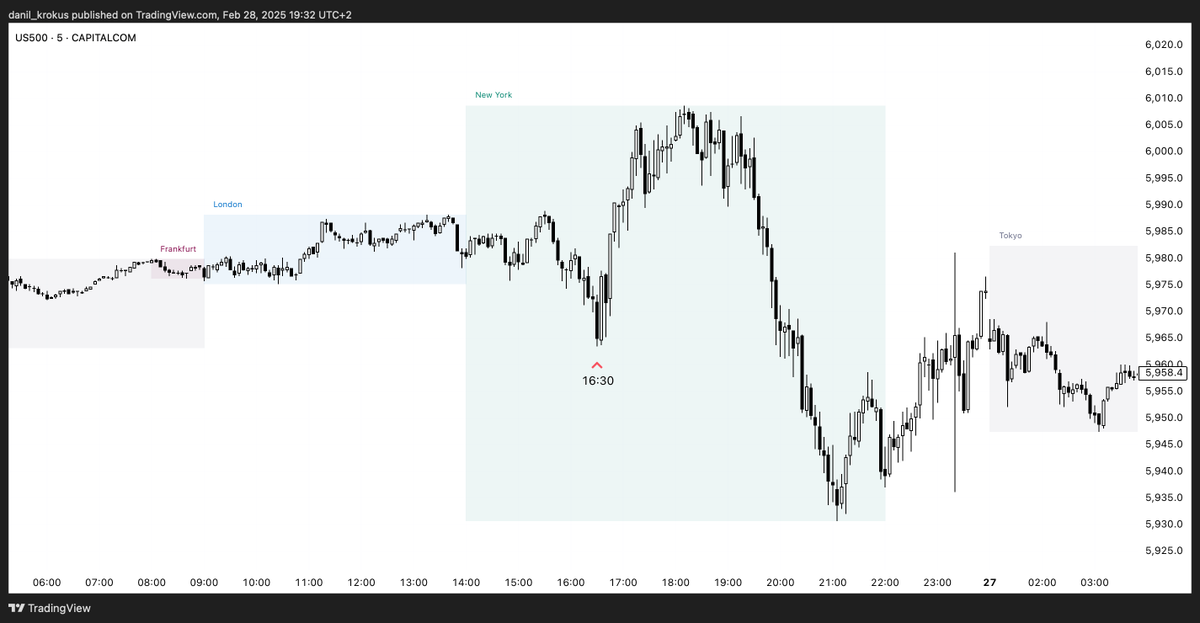
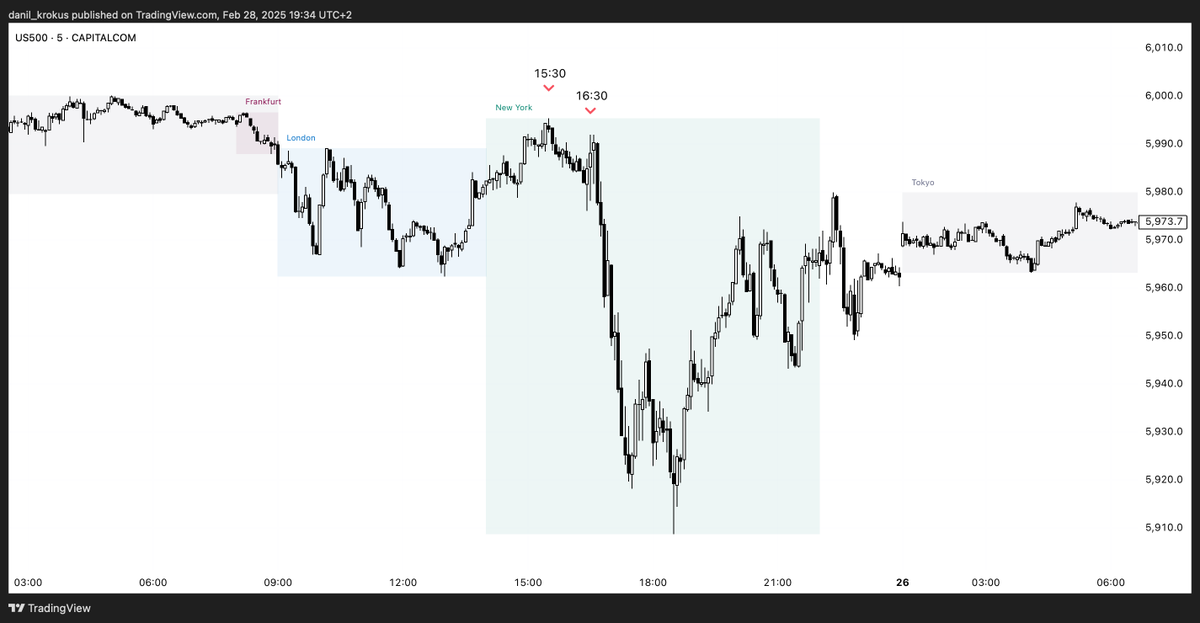
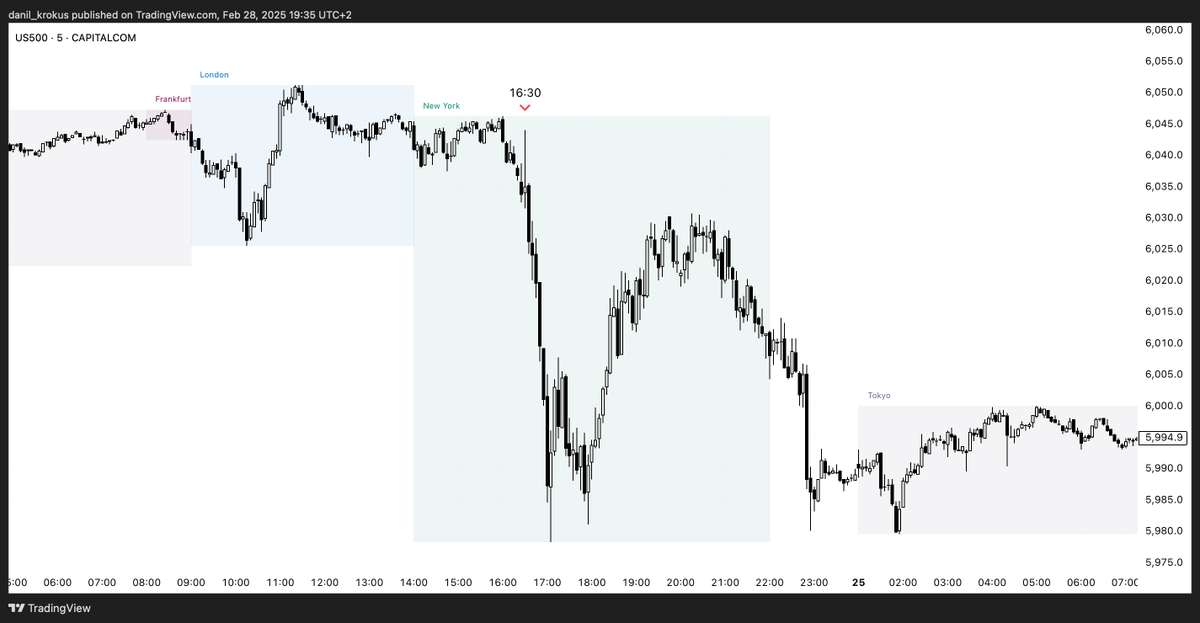
🇺🇸 #NYKZ is when U.S. dealer banks, major funds, and market makers enter the market, pushing volatility to its peak. This is also when most key economic data is released. 🕟 Time frames (PDT): 🔹 04:00-07:00 – The most volatile period: 05:00 – Many major banks begin operations + increased REPO activity + peak pre-market activity leading up to the main trading session. 05:30-07:00 – Key data releases, often the highest volatility spike. 07:00-09:00 – Volatility starts to decline. 🔹 07:30-14:00 – Main trading session (@NYSE / @Nasdaq hours). These time frames are optimal for opening positions due to increased volatility and liquidity. However, trading outside this window, such as holding positions longer, is still possible, since the session runs until 14:00 PDT. Closer to the session close, volatility naturally fades. The market open can also bring heightened volatility. 🟥 Main risk – key news events. NYKZ overlaps with major data releases at 05:30, 05:45, 07:00, and 11:00 PDT, which can disrupt market structure, trigger manipulative moves, or shift planned setups. It’s crucial to monitor the economic calendar when trading. Multiple trading setups are available during NYKZ, from reversals to trend continuation plays. Recognizable patterns include aggressive price reversals at the open, POI tests with reactions, or trend continuation from the London session. Experience is key.
Cryptology Key tweet mediaCryptology Key tweet mediaCryptology Key tweet media
English
1
0
5
2.7K
Cryptology Key
Cryptology Key@CryptologyKey·
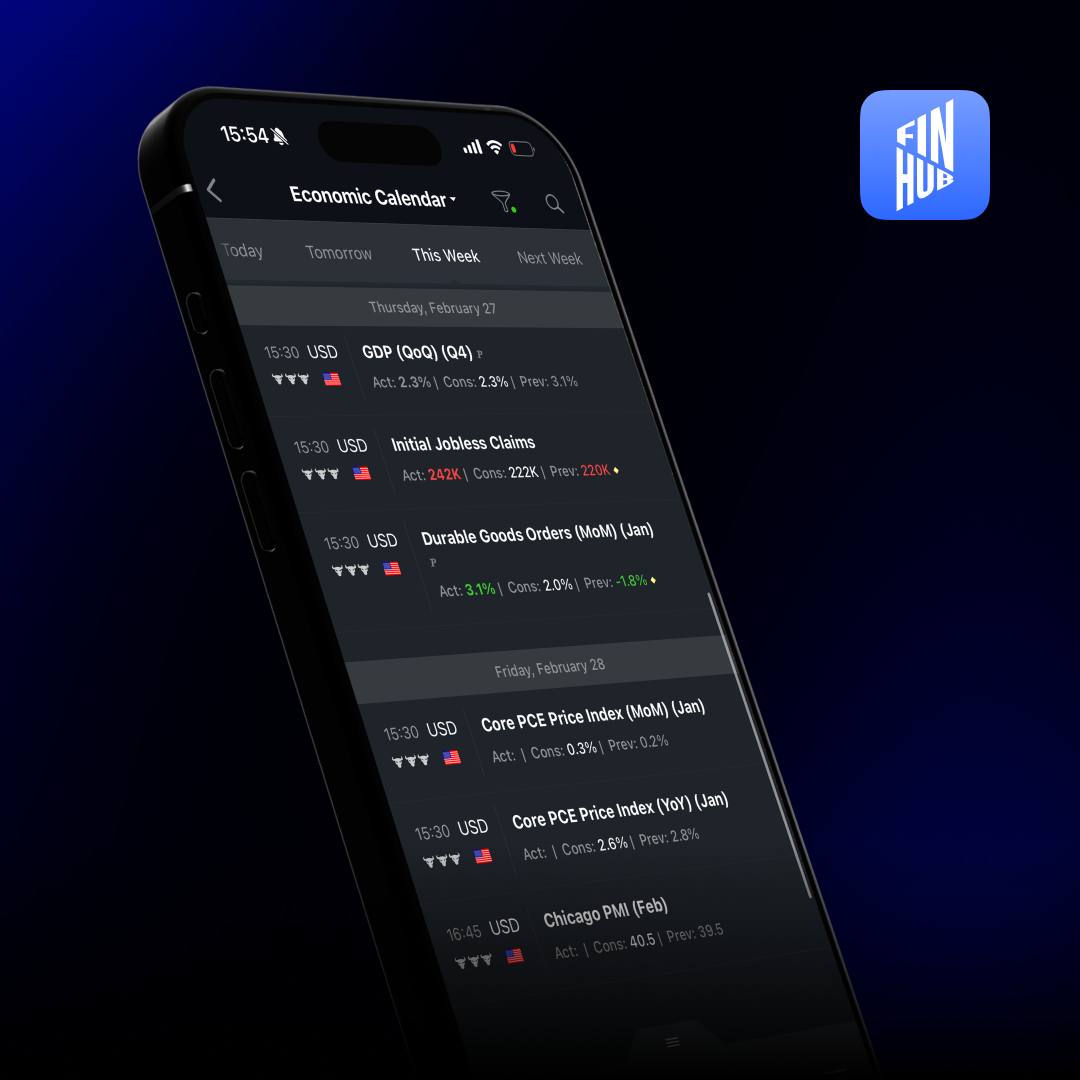
What’s the market mood right now? 📉 Market overview in our #FinHub segment. The key point: global uncertainty remains front and center. Markets are trying to find balance between the threat of new tariffs, Trump’s aggressive trade rhetoric, and positive signals about a potential ceasefire. Here are our key takeaways and forecasts: 💵 USD The dollar is under pressure but supported by tariff risks and recent news: - While the risk of new tariffs (especially against China) persists, its impact is gradually weakening. - The U.S. economy remains resilient, and the Fed sees no urgent need for aggressive policy easing, keeping Treasury yields high (10-year at around 4.35–4.50%). - DXY is trading in the 106–107 range and could strengthen further with new trade measures or macroeconomic updates. 💶 EUR The euro remains weighed down by uncertainty: - $EURUSD is stable in a narrow 1.0400–1.0500 range. The ECB’s relatively dovish stance and weak domestic economy are holding back growth, despite brief recoveries. - Tariff threats to the eurozone continue to have a negative impact, and any positive news can quickly be offset by new trade disputes. - The market is looking ahead to eurozone inflation data next Monday—more on that this Sunday. 💷 GBP The pound remains relatively stable: - GBP is showing defensive characteristics since UK exports to the U.S. and China account for less than 2% and 1% of GDP, respectively. - Recent positive signals, including a friendly exchange between Trump and Prime Minister Starmer, are boosting confidence in GBP. - However, upcoming fiscal reports and potential policy changes from the Bank of England could trigger short-term fluctuations. At 15:30 today, three key indicators (covered in the Weekly Plan) were released, causing a DXY rally—here’s why: - GDP data met expectations, confirming a slight slowdown but not surprising the market. - Durable goods orders came in much higher than expected (3.1% vs. 2.0%), signaling increased investment activity—a positive sign for both the economy and the dollar. - Jobless claims exceeded forecasts, hinting at at least a localized softening in the labor market. If this trend continues, it could be a warning sign. More key data drops tomorrow, which will be covered in detail in the Weekly Plan.
Cryptology Key tweet media
English
0
0
2
301
Cryptology Key
Cryptology Key@CryptologyKey·
🍔 5 Tips for Prop Traders Many traders blow their prop accounts not because of bad strategies but simply because they don’t understand how things work. Prop trading is a different world with its own rules 👇 1️⃣ Know the Rules So many failed accounts could’ve been avoided if traders took the time to understand what they’re dealing with fully 📉 Take 30 minutes to read all the rules of your prop firm and account. This will protect you from the classic "I didn’t know I couldn’t do that" mistake. Stay updated via X/email to keep track of any changes. 2️⃣ Master Your Trading Terminal Before you start trading, learn your terminal inside out—its features, functions, and tools. This will help you avoid costly mistakes and make the most of what’s available. 3️⃣ Demo/Low Deposit First Wrong lot size, incorrect trading pair, misplaced order—these mistakes happen when you rush 🙄 Before jumping into a challenge, trade on demo or a small deposit to get used to the platform. Under pressure, with limited time and emotions running high, even basic mistakes can lead to unnecessary losses. 4️⃣ Proportional Growth 📈 Would you run a marathon if you can't even finish 5K? A common mistake: as soon as traders see success, they immediately scale up their deposit without considering the increased risk and psychological pressure. Grow steadily, without aggressive jumps. If you can’t handle $5K, don’t rush into $100K. This doesn’t mean limiting yourself—it means scaling in a way that keeps you in control. 5️⃣ Forget Fast Profits 💰 Forget about profits—for now. The biggest misconception in prop trading is that you should pass a challenge in a week and cash out in the second. The reality? It takes time.
English
0
0
5
546
Cryptology Key
Cryptology Key@CryptologyKey·
Gold Keeps Expanding 🤑 In recent weeks, gold has been the top Trump-related trading idea, outperforming even stocks and BTC. Since Trump's inauguration, gold prices have surged over 7%, hitting a record high of around $2,950 per ounce. In our last #FinHub post, we discussed the reasons behind this rally and shared our forecast. So far, it's going as expected. 📈 What’s fueling the growth? 1️⃣ Tariffs & trade tensions: Trump's tariff threats are driving demand for gold. Investors always turn to it as a safe-haven asset in uncertain times. 2️⃣ Strong buying flows: According to the World Gold Council, net gold purchases consistently exceed 1,000 tons per year, mainly from central banks. Meanwhile, gold-backed ETFs have seen recent inflows of $3B, with European funds hitting a record $3.4B. 3️⃣ Technical & macro factors: U.S. 10-year real yields have dropped by 25 basis points, lowering the opportunity cost of holding gold. A weaker dollar also makes gold more attractive to foreign investors, further supporting the price surge. For now, gold remains the ultimate safe-haven asset. However, any positive trade developments, reduced tariff risks, or improving macro data could weaken demand, leading to a correction or even a halt in the rally. 👀 Our forecast We expect gold to trade around $2,800 per ounce in early 2025. If global uncertainty and central bank demand remain high, prices could reach $3,000 per ounce within the year. And if the current trend holds, we might see that target hit even sooner. Our estimated average price for the year: $2,760 per ounce.
Cryptology Key tweet media
Cryptology Key@CryptologyKey

💰 Gold in 2025 – $3,000 per ounce on the horizon? Forecast from #FinHub Global uncertainty and persistent inflation expectations continue to drive demand for gold. At FinHub, we believe the price of gold could approach $3,000 per ounce in 2025 if key macroeconomic and geopolitical factors remain in play. Political instability, tariff threats, and trade disputes make gold a traditional safe haven. However, with Trump's potential return to the White House and a stronger protectionist agenda, many investors are already shifting funds into gold to hedge against possible inflation spikes. Meanwhile, central banks continue to buy gold—last year actively, net purchases exceeded 1,000 tons, and we expect this trend to continue. Technical factors also favor gold: declining global battery and raw material prices are improving the broader economic outlook for precious metals. While volatility remains high, short-term fluctuations shouldn't disrupt the long-term growth trajectory. Our forecast: In Q1 2025, gold could trade for around $2,800 per ounce. If current conditions—political tensions and inflation expectations—persist, the price may climb to $3,000 per ounce. We estimate the average annual price to be around $2,760 per ounce. 👉 Takeaway for investors: If global risks persist and the Fed maintains a cautious monetary policy, gold will remain a reliable asset for capital preservation.

English
0
0
2
476
Cryptology Key
Cryptology Key@CryptologyKey·
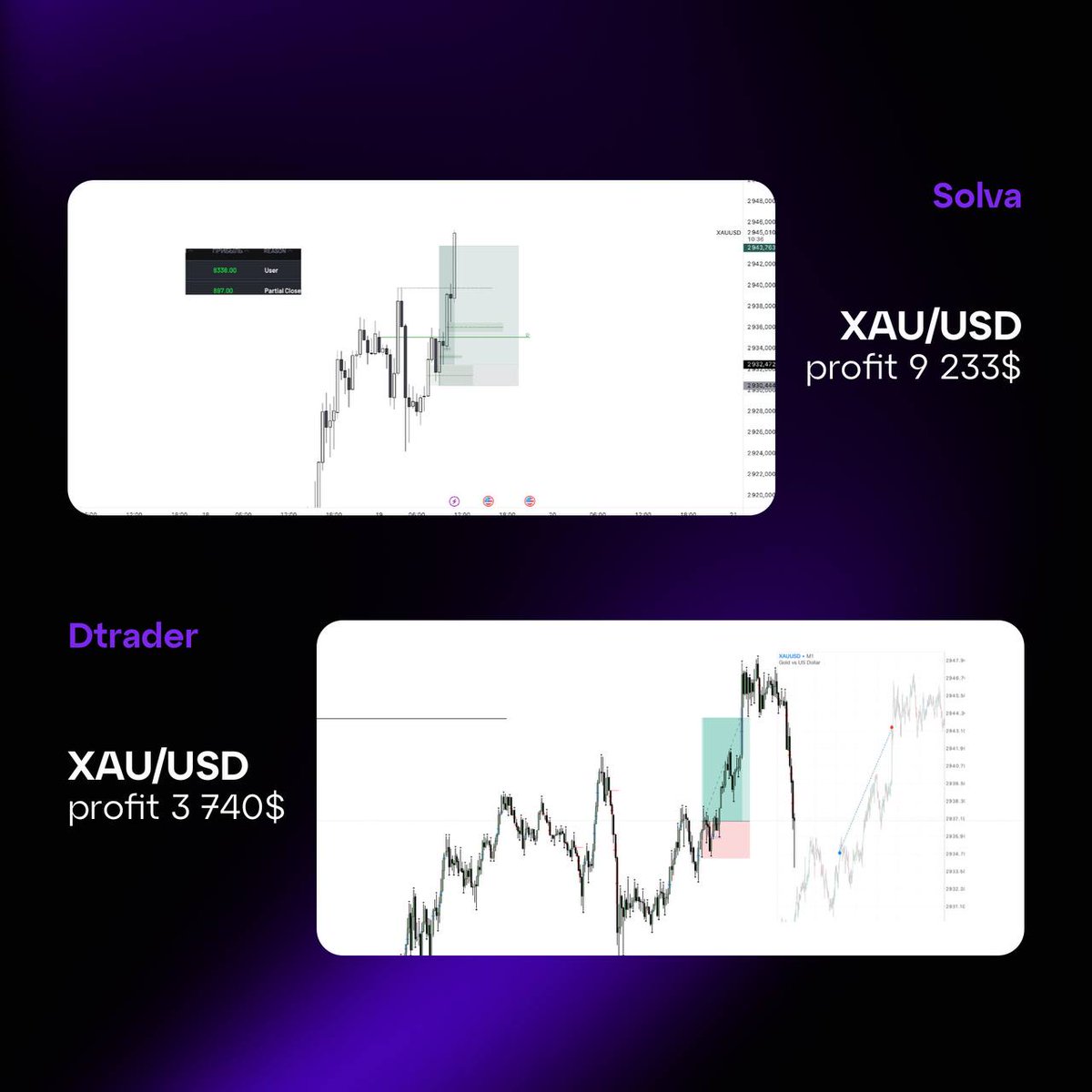
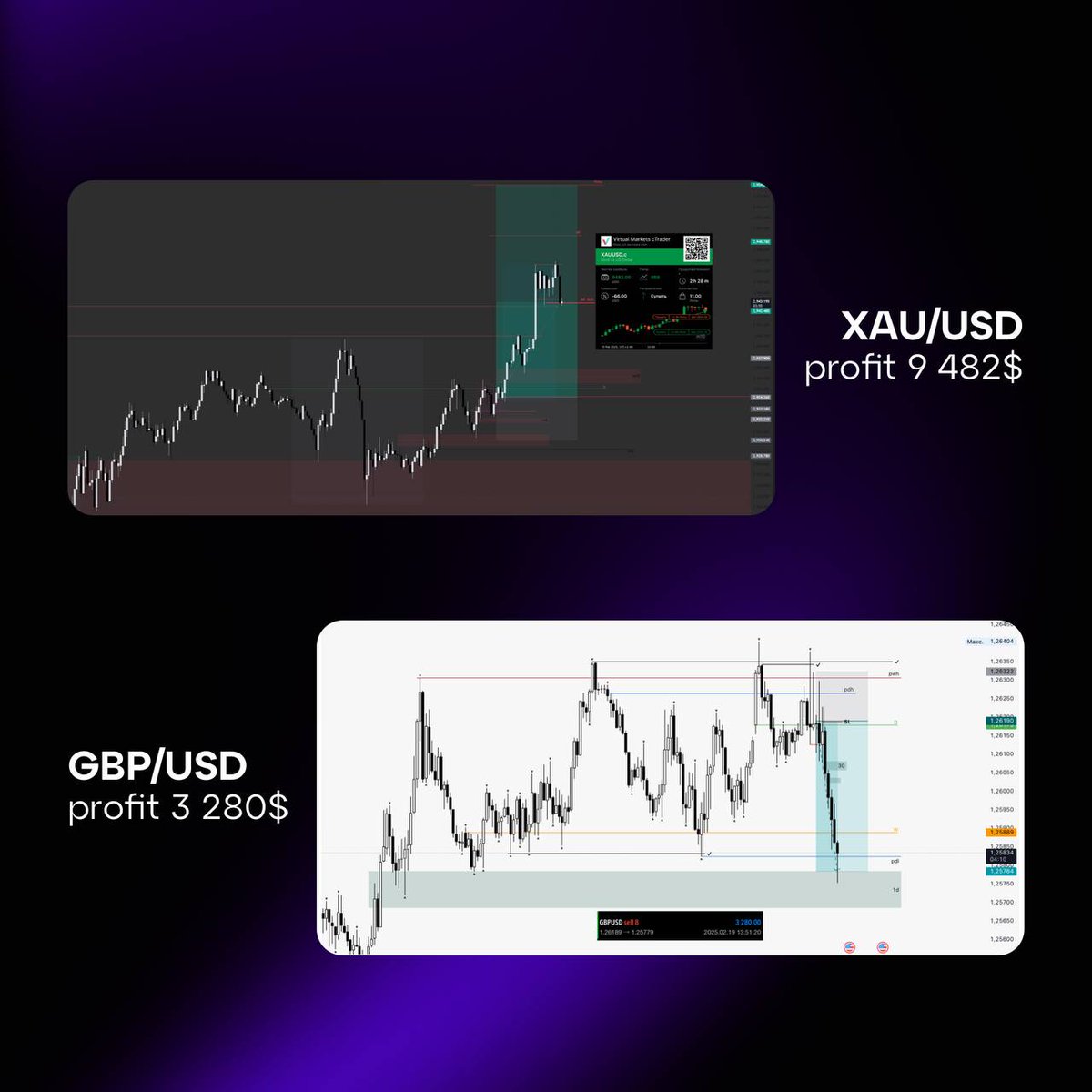
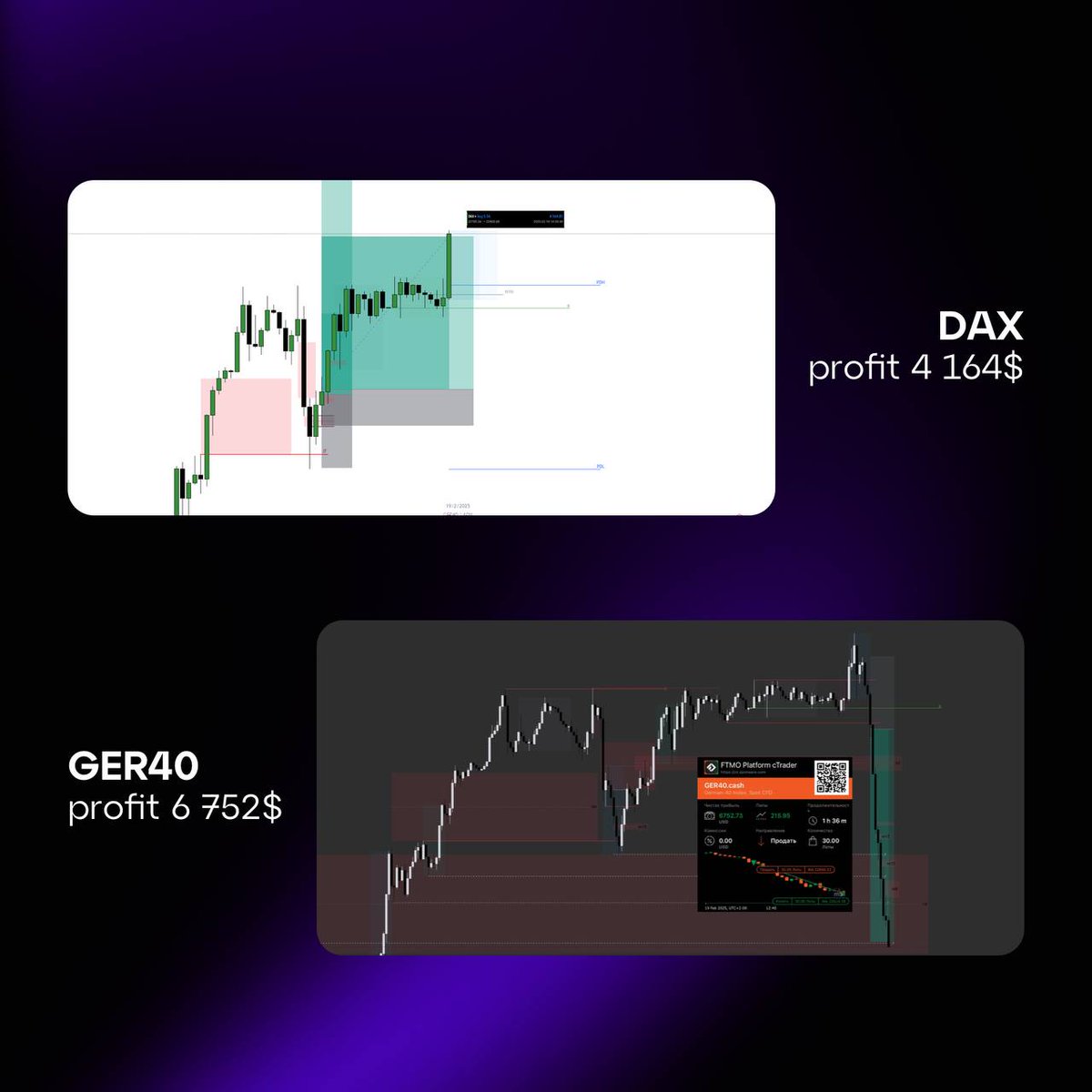
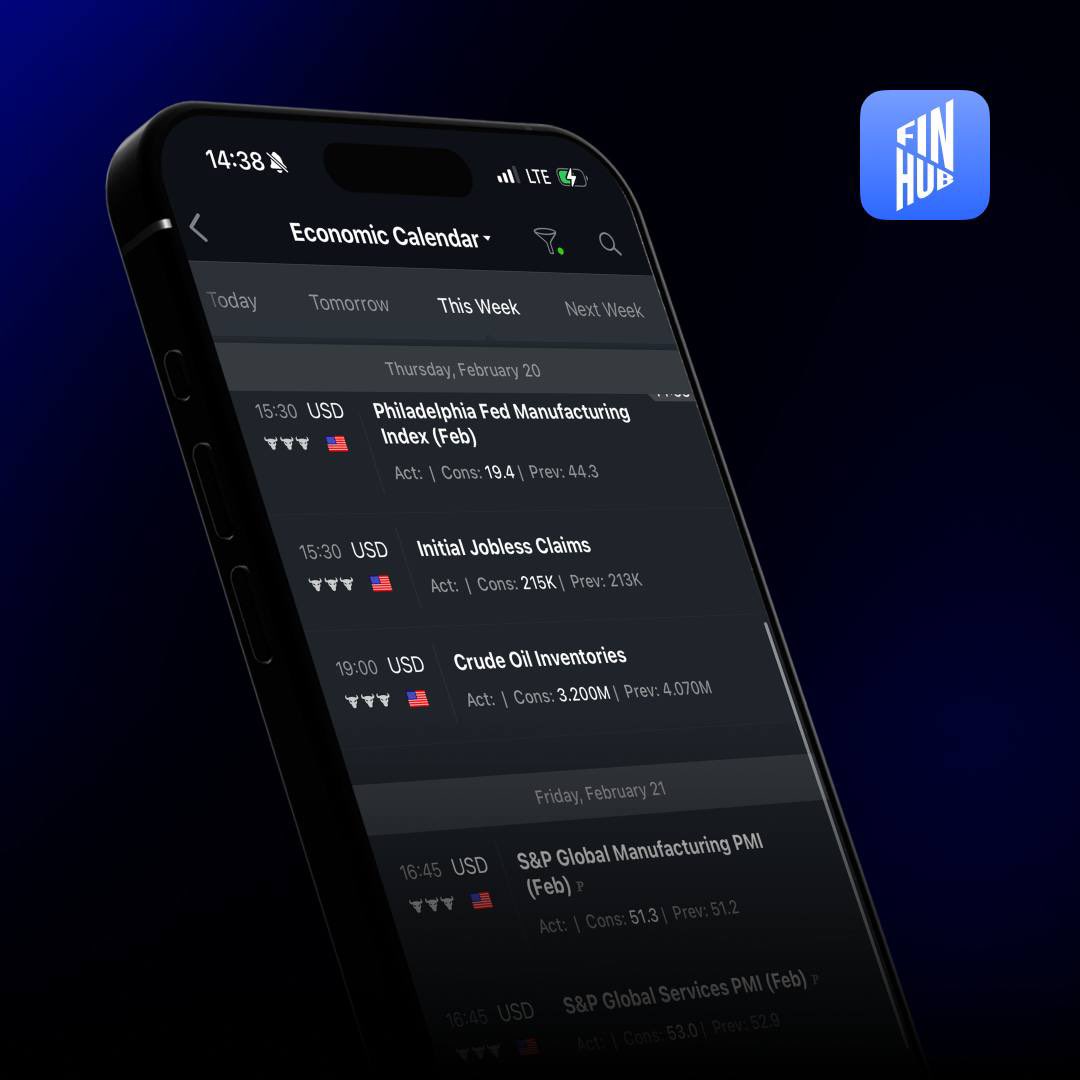
Another trading week is coming to an end. Glad to see our community had a successful one! 💸 Results on the screenshots 👇
Cryptology Key tweet mediaCryptology Key tweet mediaCryptology Key tweet mediaCryptology Key tweet media
English
0
1
6
275
Cryptology Key
Cryptology Key@CryptologyKey·
What’s Moving the Markets 🔍 A market overview as part of our #FinHub series. 🇺🇸 US CPI Report The latest CPI data once again confirmed that inflation remains higher than expected, keeping the Fed in a wait-and-see mode. In short, inflation in the US remains stable at around 3% annually, which supports high Treasury yields and strengthens the dollar. Markets now expect that the Fed won’t cut rates until inflation and employment data show clear signs of economic cooling. Some analysts predict that rate cuts may not come until the second half of 2025. 💵 USD High inflation and tariff risks (especially potential measures against China) continue to support the dollar. Although there was a brief dip following the trade agreement with Canada and Mexico, the risk of new tariffs remains real. As long as the Fed maintains its current monetary policy stance, the dollar remains a “safe haven” for investors. 💶 EUR $EURUSD continues to trade within a narrow 1.0400–1.0500 range. The ECB’s dovish stance, aimed at further rate cuts to support weak eurozone growth, limits the euro’s upside. At the same time, tariff risks and trade uncertainty put additional pressure on the currency. Key macro data (PMI, Ifo) in the coming days will be crucial in determining the euro’s next move. 💷 GBP The pound remains relatively stable, as the UK’s exports to the US and China account for only a small share of GDP (less than 2% and 1%, respectively). The positive rapport between Trump and Prime Minister Starmer has added confidence in GBP’s stability, though domestic economic challenges could cause short-term fluctuations. Another key factor is geopolitical news—markets are starting to price in a possible ceasefire. We may do a separate post on this topic soon. This week, we’re also expecting important economic data, which you can find in the Economic Calendar section of the Weekly Plan.
Cryptology Key tweet media
English
0
0
4
270