
Sabitlenmiş Tweet

1/ 🚨 New @EuroStableWatch edition ➡️ Europe pursues both CBDCs and stablecoins but treats them as rivals instead of partners.

English
Currency of Power
104 posts

@CurrenPower
Researching the emerging monetary order, by @mariekeflament & @Nicolas_Colin

Very much agree with @adam_tooze -- The most important thing to know about the international financial system right now is that the dollar's share of a global equity market index is higher than the dollar's share of official fx reserves 1/





China's electrification bet is paying off. Electricity now accounts for 30% of its energy consumption - around 50% higher than the US or Europe. With 1/3 of global renewable energy capacity already installed, China is structurally more insulated from rising oil prices.

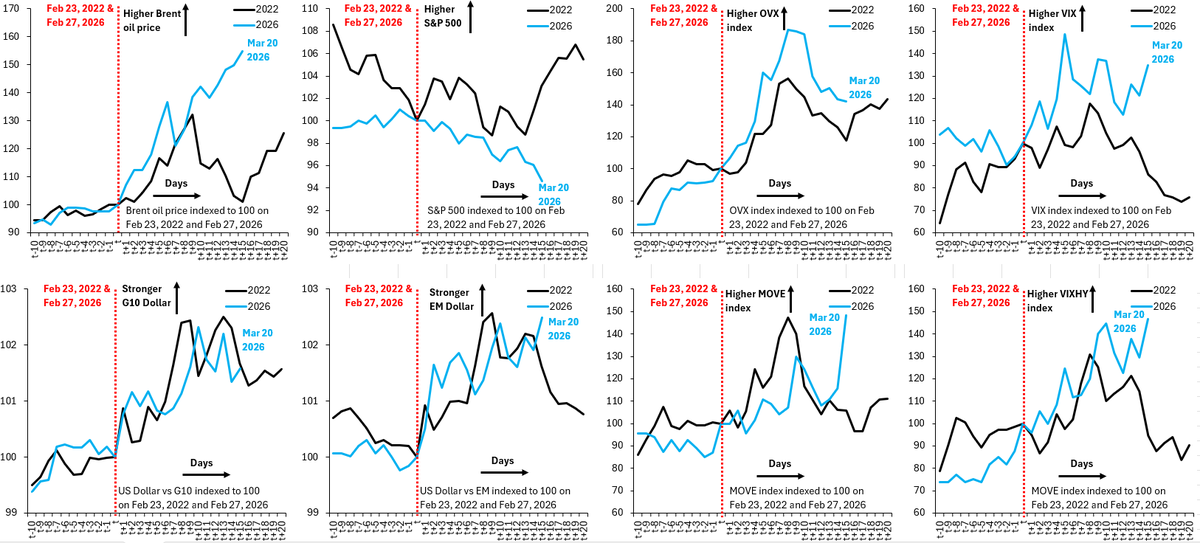
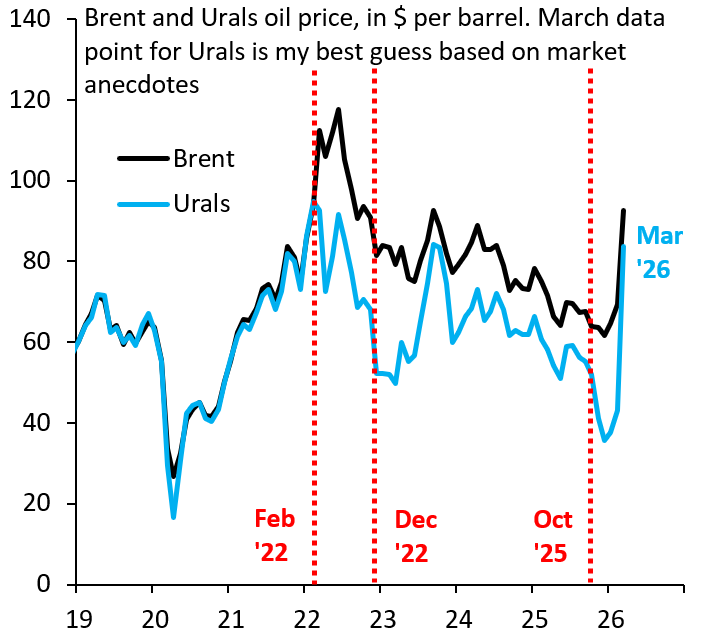

Not necessarily from the perspective of the financial system, but just from the macro, it's the first time since 2008 that things are feeling a bit 2008-ish bloomberg.com/account/newsle…
We need to rule the database — and end its rule over us. Citrini assumes AI will destroy thousands of high-paying jobs and create none in return. He’s missing the real story. The modern job has become soul-draining, mind-numbing database slavery. Millions of talented, ambitious people spend hours of their lives chained to a screen: fixing other people’s mistakes, chasing missing fields, reformatting decks for the tenth time, and babysitting bloated spreadsheets no one will ever read. Our entire existence is ruled by the database. You can’t board a plane, clear security, close a mortgage, pay taxes, or resolve a customer issue unless the system approves — and it’s wrong half the time. Customer service has been reduced to apologizing while you clean up someone else’s mistake. This system is broken, expensive, and — until AI — no one saw another way. Fear of the unknown is why AI scares so many people. They see only disruption and lost jobs because they can’t picture the world when the drudgery finally dies. This is why Citrini's piece below struck a nerve. That’s why we don’t just want agentic AI. We need it. We need thousands — soon millions — of intelligent agents to annihilate this soul-crushing layer. When that weight lifts, work transforms. Humans get to do what lights us up: judgment, relationships, creativity, and solving problems that matter. The office stops being a prison. It becomes a place people genuinely want to be — buzzing with collaboration and the thrill of “we built this together.”This is the real revolution: better, richer, more human lives at work. The transition won’t be easy. Transitions never are. But we need it. The only question is whether the people at the top have the courage to let the old model die. Many C-suite leaders fought hard against even basic hybrid work. If they struggled with that, how will they lead the bigger reinvention coming? The bitter irony: their own jobs are most at risk. That’s why the most exciting companies today are run by 30-year-olds with no legacy baggage. So, are the boomer executives ready to reinvent themselves, or will they scream that everyone needs to stay stuck in the past as slaves to the database, as they demanded everyone stay slaves to the office when they fought remote work?