Morten Larsen

13.7K posts

Morten Larsen banner
Morten Larsen

Morten Larsen

@CyberLarsen

Technical Manager helping companies deliver successful Dynamics 365, Power Platform & SharePoint solutions in Norway & Sweden | Microsoft specialist

Norway Katılım Ocak 2008
1.1K Takip Edilen2.3K Takipçiler
Morten Larsen
Morten Larsen@CyberLarsen·
Kunne ikke vært mer enig når det kommer til EØS og strømmen vår 🤣👇
Dan San@DanGAFaen

@Byttno Bygd av våre forfedres blod, svette og tårer. Så kommer de skamløse fittan å skal bestemme... sku hatt ørfik heil gjengen

Norsk
0
0
0
13
Morten Larsen
Morten Larsen@CyberLarsen·
You should mitigate this vulnerability if you have a Linux-system in your environment👇
International Cyber Digest@IntCyberDigest

‼️🚨 BREAKING: An AI found a Linux kernel zero-day that roots every distribution since 2017. The exploit fits in 732 bytes of Python. Patch your kernel ASAP. The vulnerability is CVE-2026-31431, nicknamed "Copy Fail," disclosed today by Theori. It has been sitting quietly in the Linux kernel for nine years. Most Linux privilege-escalation bugs are picky. They need a precise timing window (a "race"), or specific kernel addresses leaked from somewhere, or careful tuning per distribution. Copy Fail needs none of that. It is a straight-line logic mistake that works on the first try, every time, on every mainstream Linux box. The attacker just needs a normal user account on the machine. From there, the script asks the kernel to do some encryption work, abuses how that work is wired up, and ends up writing 4 bytes into a memory area called the "page cache" (Linux's high-speed copy of files in RAM). Those 4 bytes can be aimed at any program the system trusts, like /usr/bin/su, the shortcut to becoming root. Result: the next time anyone runs that program, it lets the attacker in as root. What should worry most: the corruption never touches the file on disk. It only exists in Linux's in-memory copy of that file. If you imaged the hard drive afterwards, the on-disk file would match the official package hash exactly. Reboot the machine, or just put it under memory pressure (any normal system load that needs the RAM), and the cached copy reloads fresh from disk. Containers do not help either. The page cache is shared across the whole host, so a process inside a container can use this bug to compromise the underlying server and reach into other tenants. The original sin was a 2017 "in-place optimization" in a kernel crypto module called algif_aead. It was meant to make encryption slightly faster. The change broke a critical safety assumption, and nobody noticed for nine years. That bug then rode every kernel update from 2017 to today. This vulnerability affects the following: 🔴 Shared servers (dev boxes, jump hosts, build servers): any user becomes root 🔴 Kubernetes and container clusters: one compromised pod escapes to the host 🔴 CI runners (GitHub Actions, GitLab, Jenkins): a malicious pull request becomes root on the runner 🔴 Cloud platforms running user code (notebooks, agent sandboxes, serverless functions): a tenant becomes host root Timeline: 🔴 March 23, 2026: reported to the Linux kernel security team 🔴 April 1: patch committed to mainline (commit a664bf3d603d) 🔴 April 22: CVE assigned 🔴 April 29: public disclosure Mitigation: update your kernel to a build that includes mainline commit a664bf3d603d. If you cannot patch immediately, turn off the vulnerable module: echo "install algif_aead /bin/false" > /etc/modprobe.d/disable-algif.conf rmmod algif_aead 2>/dev/null || true For environments that run untrusted code (containers, sandboxes, CI runners), block access to the kernel's AF_ALG crypto interface entirely, even after patching. Almost nothing legitimate needs it, and blocking it shuts the door on this whole class of bug...

English
0
0
0
31
Claude
Claude@claudeai·
Claude Security is now in public beta for Claude Enterprise customers. Claude scans your codebase for vulnerabilities, validates each finding to cut false positives, and suggests patches you can review and approve.
English
847
1.9K
21.4K
4.8M
Morten Larsen
Morten Larsen@CyberLarsen·
"They" know more about us than you realize!
Mr Phil Ghana 🇬🇭@mrphilghana

You unlocked your phone for just 12 minutes… and your iPhone quietly documented the entire session in a way most people would never expect. From a forensic analysis, the sequence becomes very clear. At exactly 2:58:30 PM, the device was unlocked. Almost immediately, at 2:58:33 PM, an application took focus and remained active without interruption. That application was Apple Maps, and it stayed in use continuously until 3:10:57 PM, when the device was locked again. No gaps, no switching, no background noise, just one sustained interaction lasting over 12 minutes. What makes this revealing is not just that an app was opened, but that the system captured a precise behavioral pattern. This tells a much deeper story. It suggests the user was actively navigating, searching for a location, or following a route during that exact timeframe. When you align this with other data sources like location history, messages, or call activity, it can place someone in motion, in a specific context, at a specific time. The part most people never consider is that none of this was manually saved. There’s no obvious history screen showing this level of detail, no prompt asking for permission to log it in this way. Yet the device recorded it anyway as part of its normal operation. To the average user, it feels like nothing happened. To a digital forensics investigator, it’s a clean, timestamped narrative of real-world activity. This is where perception and reality separate. People believe their phones only keep what they can see, but in truth, the system is constantly building context in the background. Not to expose you, but to function better. However, in the hands of an investigator, that same hidden context becomes evidence.

English
1
1
1
118
Morten Larsen
Morten Larsen@CyberLarsen·
@TIBoine Your tweet was shown to me in English, even though I am Norwegian, but my language settings is always English.
English
1
0
1
14
BOINE
BOINE@TIBoine·
Oversetter X mine norske poster så resten av verden får se hva jeg babler om? Eller er det bare oppspinn?
Norsk
1
0
1
37
International Cyber Digest
International Cyber Digest@IntCyberDigest·
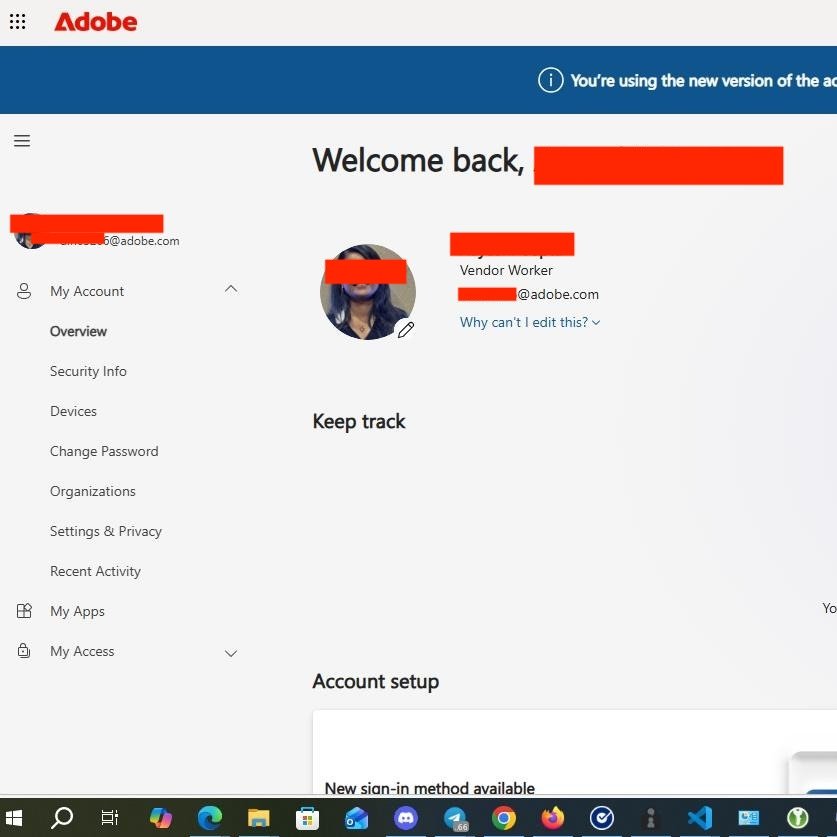
‼️ Update: During the recent Adobe breach, a supervisor was compromised through a live chat with her colleague. [9:59 PM] "I clicked on the link.", she wrote. She was presented with a fake Adobe site with fake security updates, where Mr. Raccoon performed a ClickFix attack.
International Cyber Digest tweet mediaInternational Cyber Digest tweet media
English
9
50
442
45.3K
Morten Larsen
Morten Larsen@CyberLarsen·
@stockpickz_hq A. Invest it all today, but spread it over different markets or just choose 1 or 2 equity or bond funds.
English
0
0
0
7
Stock Pickz
Stock Pickz@stockpickz_hq·
You inherit $50,000. What would you do? - A: Invest it all today. Lump sum. - B: Spread it over 24 months. $2,083/month. Lump sum outperforms DCA about 2/3 of the time historically. But if the market drops 30% next month, you'll feel it immediately. What do you do?
English
18
0
18
13.9K
Morten Larsen
Morten Larsen@CyberLarsen·
NMAP "easy mode" using AI👇
AISecHub@AISecHub

Artificial Intelligence in Cybersecurity: Using AI for Port Scanning - hackers-arise.com/artificial-int… | github.com/peter-hackerta… By @_aircorridor at @three_cube Nmap has been the gold standard of network scanning for decades, and over this time, it has obtained hundreds of command-line options and NSE scripts. It’s great from one side, you can tailor the command for your needs, but on the other side, it requires expertise. What if you could simply tell an AI in plain English what you want to discover, and have it automatically select the right Nmap commands, parse the results, and identify security issues? That’s exactly what the LLM-Tools-Nmap utility does. Basically, it bridges the gap between Large Language Models (LLMs) and Nmap.

English
0
0
0
48
NetworkChuck
NetworkChuck@NetworkChuck·
Anthropic says NO MORE OpenClaw, they are officially cutting us off starting April 4th. How do you feel about this? Will this hurt Anthropic, OpenClaw or both?
English
250
124
1.5K
99.6K
Morten Larsen
Morten Larsen@CyberLarsen·
@WindowsLatest Not to mention the new Outlook web app. I've been running classic Outlook for years now without any issues. Switched to the new Outlook 6 months ago and have had several issues with freezing, time outs, not responding...
English
0
0
3
958
Windows Latest
Windows Latest@WindowsLatest·
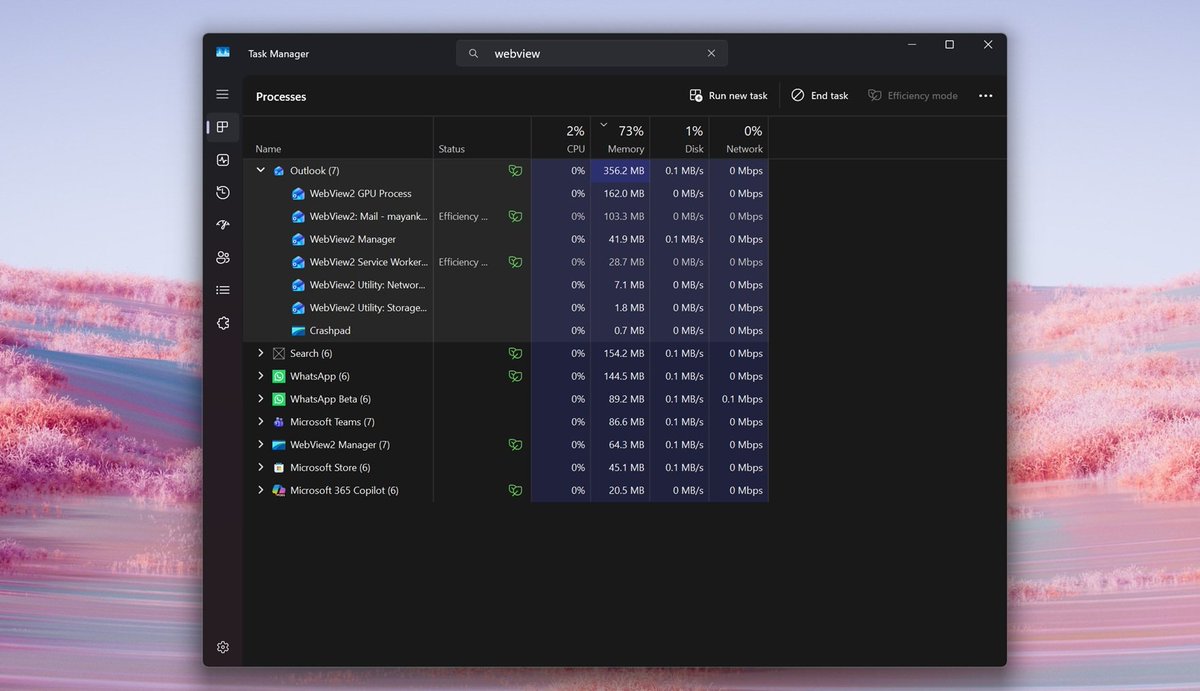
Microsoft is putting together a new team to focus on building 100% native apps for Windows 11. And honestly, it’s long overdue. The real problem with Windows 11 isn’t ads, but the shift from native apps to web apps. The rushed adoption of web over native frameworks has hurt Windows 11. From WhatsApp to Weather to the pre-installed video editor, everything is a web app running inside Edge or a Chromium container. Open Task Manager and search for WebView -- you’re going to find many apps are web-based, including Outlook. And this doesn’t even include the Electron apps in Windows 11.
Windows Latest tweet media
English
159
150
2.4K
209.7K
Windows Latest
Windows Latest@WindowsLatest·
BREAKING: Microsoft could drop the requirement for a Microsoft account to use Windows 11. This move is being explored internally as part of the company’s efforts to win back Windows 11 users. A future Windows 11 update will also make the OOBE (out-of-box-experience) UX "quieter and more streamlined," with fewer pages and reboots, so getting started is simpler. Microsoft has committed to faster OS performance, a reduced memory footprint, a faster File Explorer, fewer web-based UI elements in the OS, and even the ability to pause updates for as long as you want. Microsoft is also scaling back Copilot in Windows 11, and it will only add AI to places and apps where it adds real value.
Windows Latest tweet media
English
532
460
5.2K
1.1M
William Gjersvik
William Gjersvik@WilliamGjersvik·
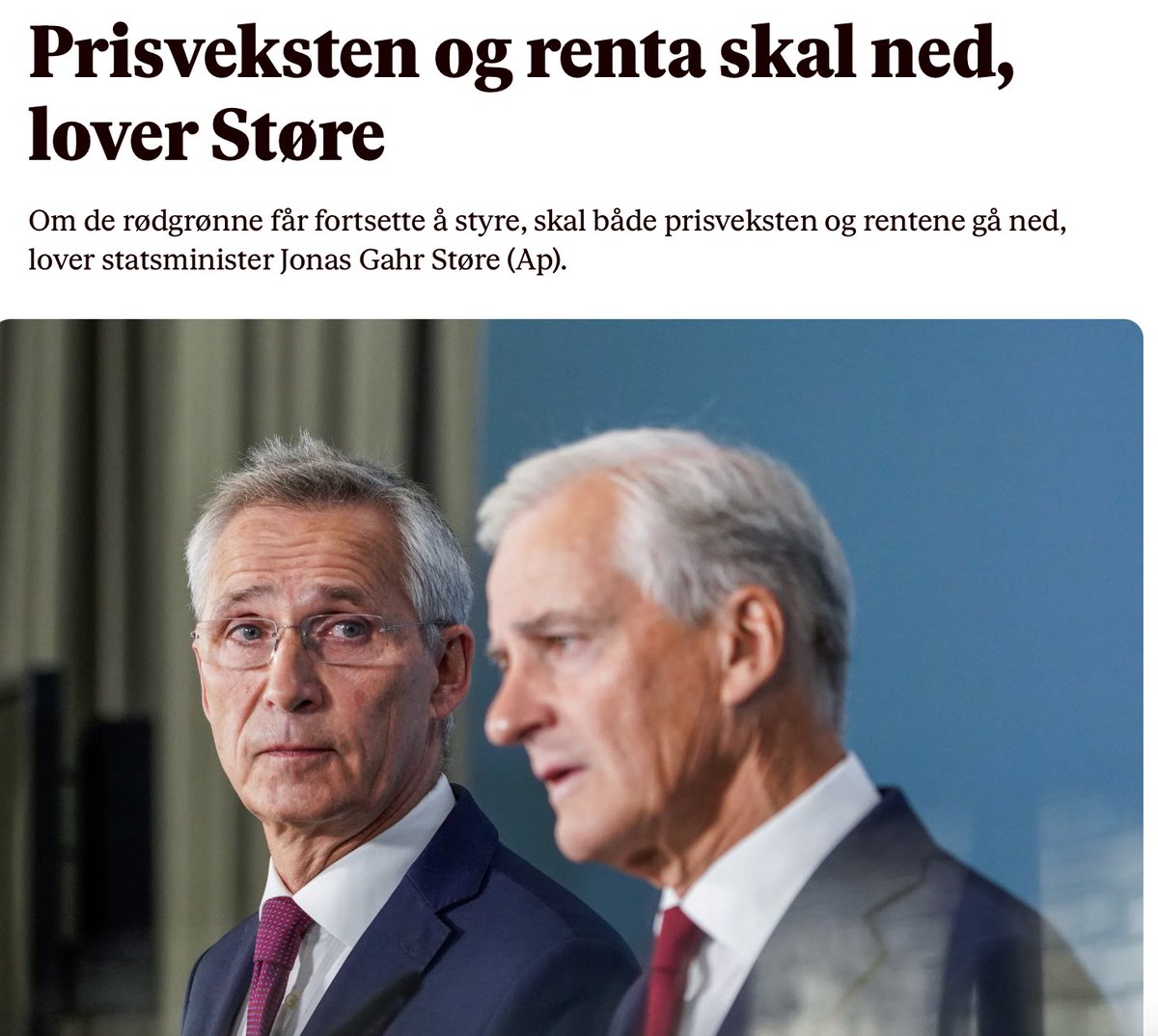
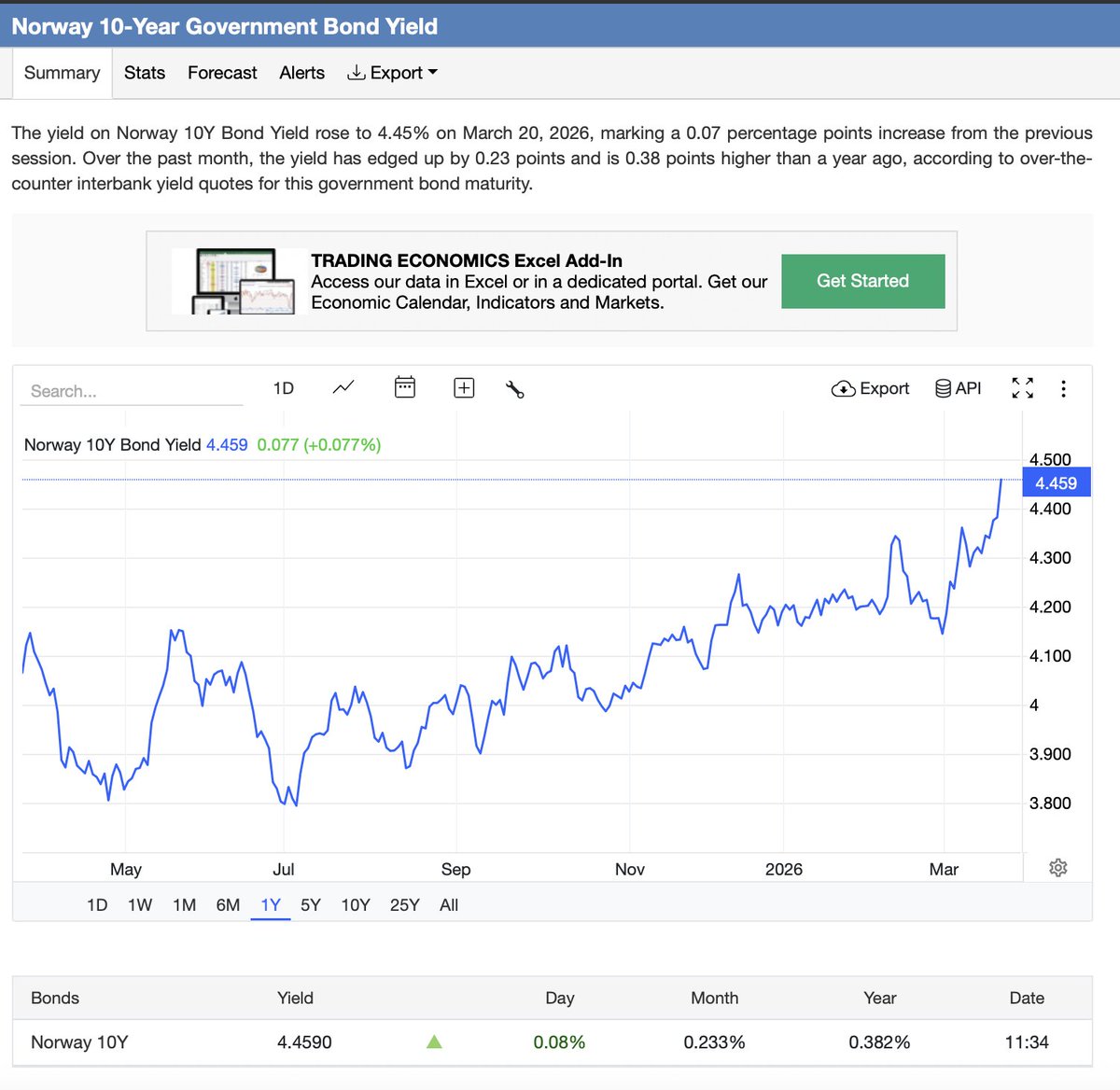
Hvordan synes vi dette går?
William Gjersvik tweet mediaWilliam Gjersvik tweet media
Dansk
2
0
19
2.7K