
PUBLIC STATEMENT : TO OUR ART COMMUNITY AND VISITORS 🤍❤️ @MuseumIngabo
NKUSIwaRUVUNA
7.1K posts

@DAUDINKUSI
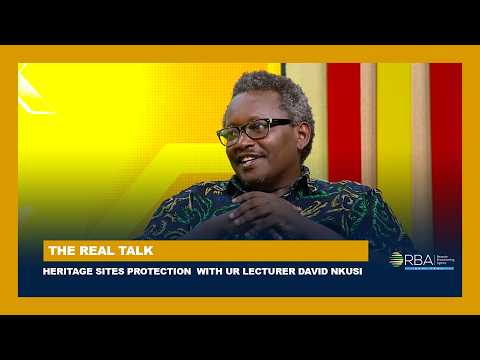
1) Lecturer UR - Heritage Studies 2) Heritage sites Protection Specialist at -RCHA 3) Part-time trainer at RMI 4) Hiking trail planning & set up specialist

PUBLIC STATEMENT : TO OUR ART COMMUNITY AND VISITORS 🤍❤️ @MuseumIngabo


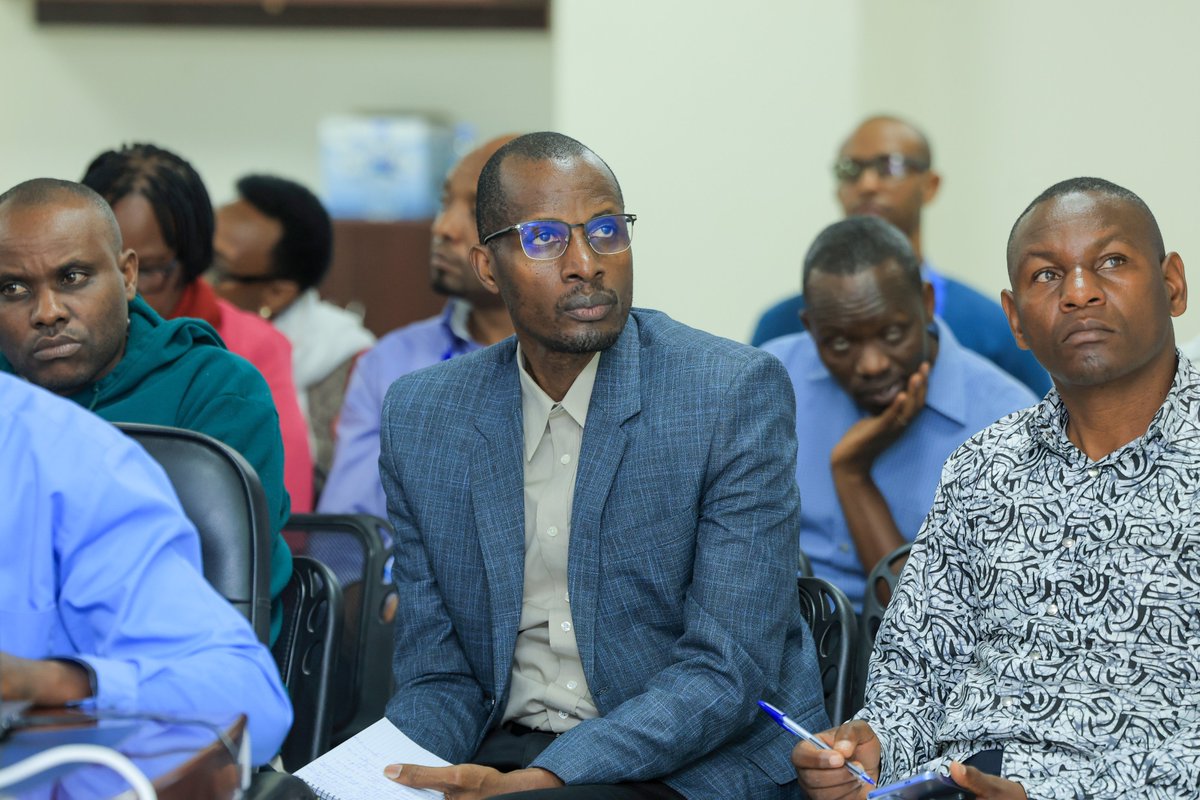
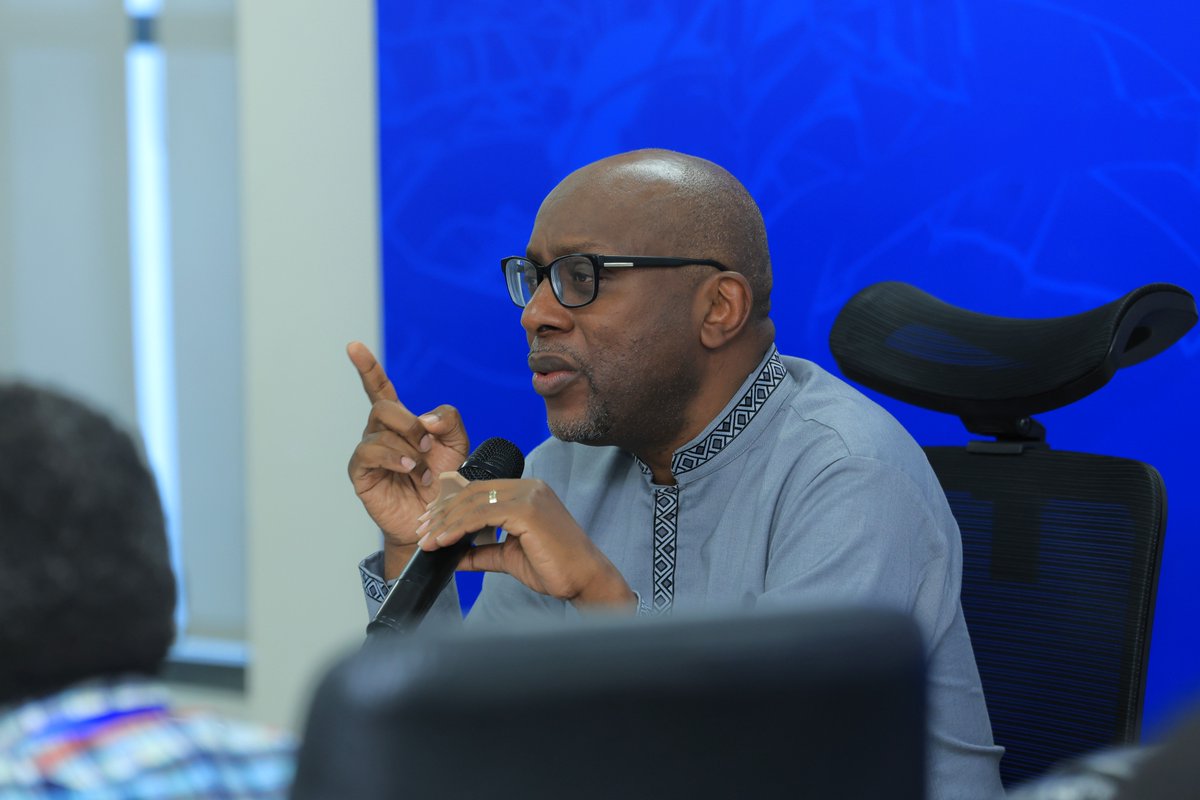
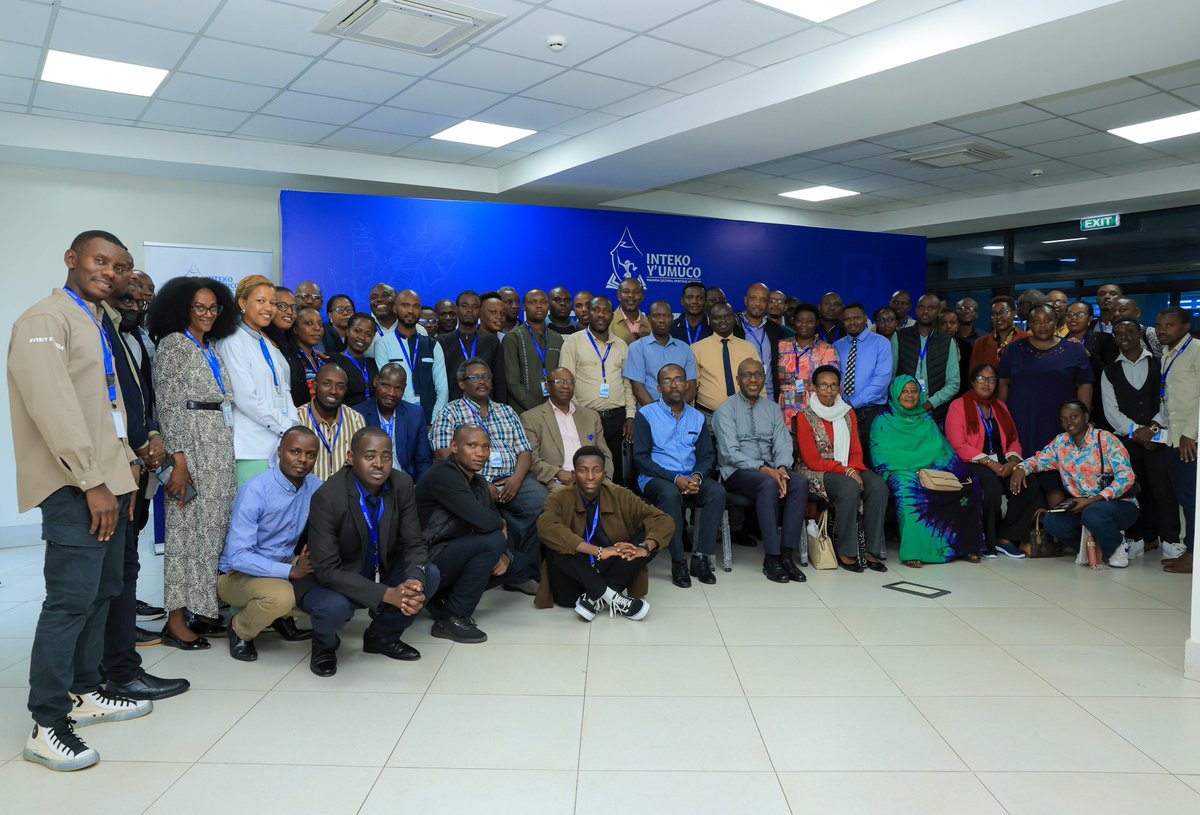
In partnership with @IntekoyUmuco (RCHA), Global Digital Heritage (GDH) has launched the digitization of #Rwanda’s heritage. Collections from the Ethnographic Museum @HuyeDistrict are now being transformed into 3D models using advanced technology, making them accessible for global viewing, research, and learning. RCHA staff are also being trained in 3D modeling to expand this work across other museums.

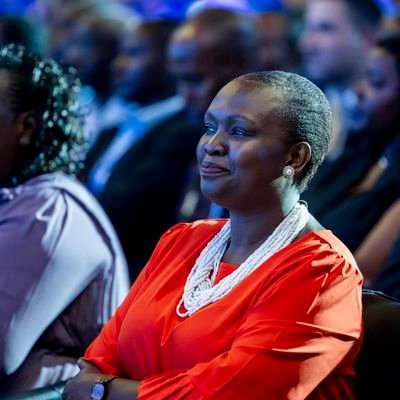
She held the room, guided the conversations, and kept the energy alive. With grace, warmth, and confidence, our host made every moment feel intentional, connected, and meaningful. Because when the right woman holds the mic… The whole experience becomes unforgettable. Thank you @JackieLumbasi for leading the Mama You Matter 2026 experience so beautifully. #MamaYouMatter2026 #thebespace2026 #mbeumugorewaviziyo #TheBeSpace #UmubyeyiElevate


Our goal is for every employee and visitor to return home as safely as they arrived. We are committed to a zero-harm environment, but safety is a shared journey. We remind everyone that your protection is also your own responsibility. Stay alert, follow all safety instructions, and prioritize your well-being at all times. #SKOLRwanda

Yes @gateteviews your note was a spot on. During the consultative meeting at Gako , that brought together leaders from Central and Local Government to advance citizen centered governance, strengthen collaboration, and improve service delivery, I emphasized the importance of decentralization as a practical pathway to enhance service delivery outcomes. Out of the 522 services that were expected to be decentralized since 2021, progress remains relatively limited. To date, only 232 services, representing 44 percent, have been decentralized. Among these, 127 services, equivalent to 24 percent, are fully decentralized, while 105 services, representing 20 percent, are only partially decentralized. Meanwhile, 290 services, accounting for 56 percent, remain centralized. These figures highlight the need to deepen trust in District institutions and further empower them to effectively implement decentralized responsibilities so that public services can reach citizens more efficiently, more quickly, and in a manner that responds to their real needs.#UmuturageKuisongo

@JosephRyarasa, besides what you have put a cross, there is a Paradigmatic Framework for Community - Centred Governance I normally employ in Heritage Management that can fit well in Umuturage ku isonga Philosophy. (NF = R³ → K³ → A⁴)/C² = H⁴, where NF = NKUSI Formula.

Yes @gateteviews your note was a spot on. During the consultative meeting at Gako , that brought together leaders from Central and Local Government to advance citizen centered governance, strengthen collaboration, and improve service delivery, I emphasized the importance of decentralization as a practical pathway to enhance service delivery outcomes. Out of the 522 services that were expected to be decentralized since 2021, progress remains relatively limited. To date, only 232 services, representing 44 percent, have been decentralized. Among these, 127 services, equivalent to 24 percent, are fully decentralized, while 105 services, representing 20 percent, are only partially decentralized. Meanwhile, 290 services, accounting for 56 percent, remain centralized. These figures highlight the need to deepen trust in District institutions and further empower them to effectively implement decentralized responsibilities so that public services can reach citizens more efficiently, more quickly, and in a manner that responds to their real needs.#UmuturageKuisongo

Leaders ought to first understand what "Umuturage ku isonga" Philosophy is all about. Community _ Centered governance has got dynamics that call for Recognition, Respect & Equality as the first layer of engagement @JackieLumbasi @JosephRyarasa @RwandaParliamnt @RwandaLocalGov

President Paul Kagame emphasizes that leadership is defined by accountability and responsiveness. He urges officials to prioritize high-impact community projects, ensuring that administrative delays never hinder progress. For President Kagame, true service means listening to citizens and delivering on every promise made. #RoyalFM

HE ati project y'umuvumba yagombaga gukira irrigation ikanatanga amazi ku baturage. None byagenze bite ngo abaturage ntibabone amazi? Mayor Rubingisa ati twarabyibagiwe. None jye ndibaza: koko mayor yarabyibagiwe, uwagombaga kugena ingengo y'imari arabyibagirwa, uwagombaga gutanga amazi arabyibagirwa, uwahawe isoko ryo gukora umushinga arabyibagirwa? Uku kwibagirwa ntigusanzwe mpamo ya Mungu Ariko rwose uyu mwiherero nako iyi nama ni sawa pe


Yes David great hearing from you, i understand your concern about policy frameworks sometimes remaining top down and not sufficiently informed by grassroots voices. That is a valid debate, especially when we speak about cultural heritage and national identity. However, if our media is given an opportunity to engage Parliament, the underlying bottleneck we should not ignore is the Media Policy itself. There were participatory consultations and sector engagements, yet the process appears to have stalled and the policy has not been clearly advanced or communicated. Before we can fully debate how media promotes heritage or decolonizes narratives, we need clarity on the regulatory and policy framework guiding the media sector. A finalized and transparent Media Policy would provide the foundation for addressing broader structural concerns, including inclusiveness, professionalism, and bottom-up participation.

My understanding was that the Rwandan media & the @GovernanceRw had previously engaged in participatory consultations around the Media Policy framework. There were constructive discussions, stakeholder inputs, and broad involvement from media practitioners , CSO & other stakeholders . However, since those engagements in 2024, the process appears to have gone silent & the policy has not been formally finalized or publicly communicated. That is why i assumed that the invitation to appear before the parliamentary Committee would be an opportunity to update Parliament on the status of the Media Policy, where it stands, what feedback was incorporated, and what the next steps are. While discussions on the National Cultural Heritage Policy and the promotion of Kinyarwanda are important, there remains a legitimate interest within the media sector regarding the progress, direction, and timeline of the Media Policy process. Greater clarity and communication on this would strengthen transparency and confidence within the Rwandan media ecosystem. @RMC_Rwanda @ScoviaMutesi @ibiriti @Cleophas_Barore