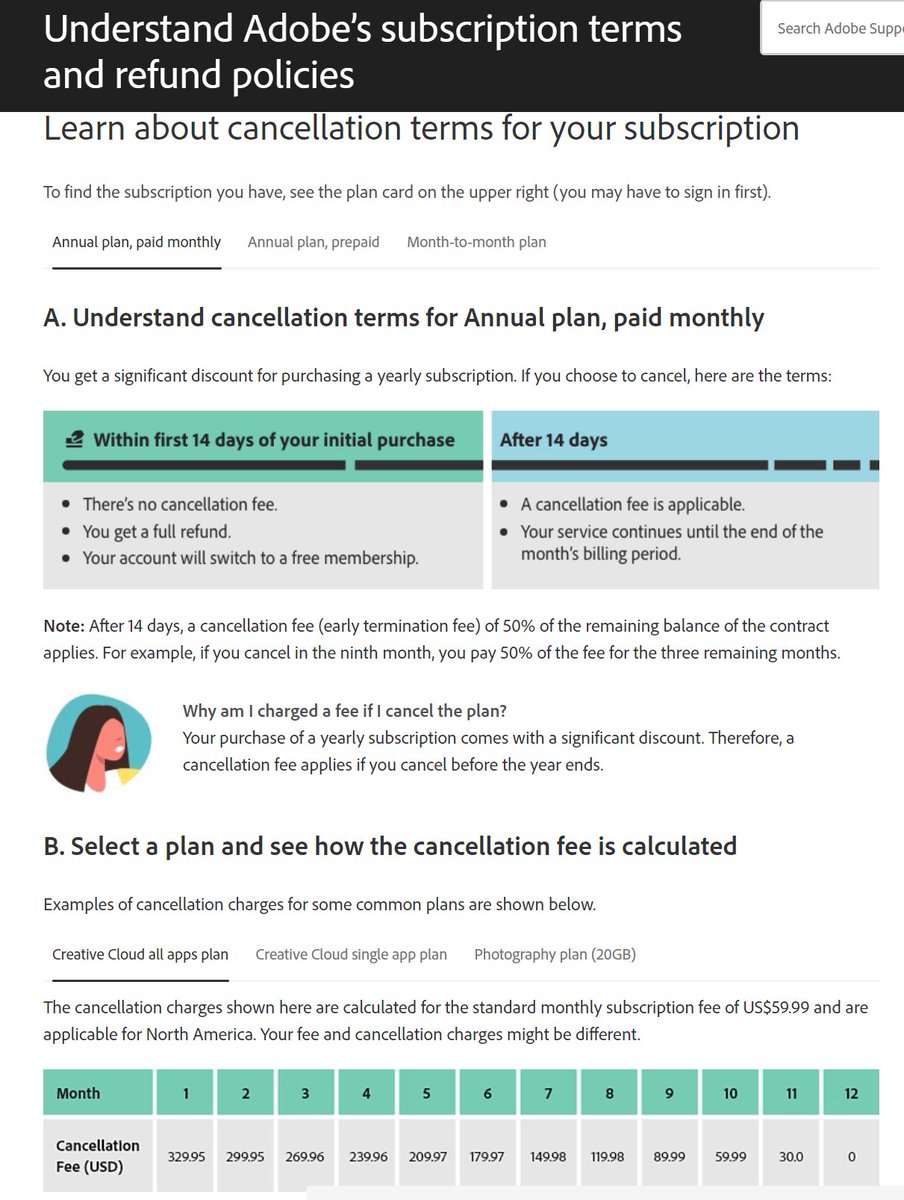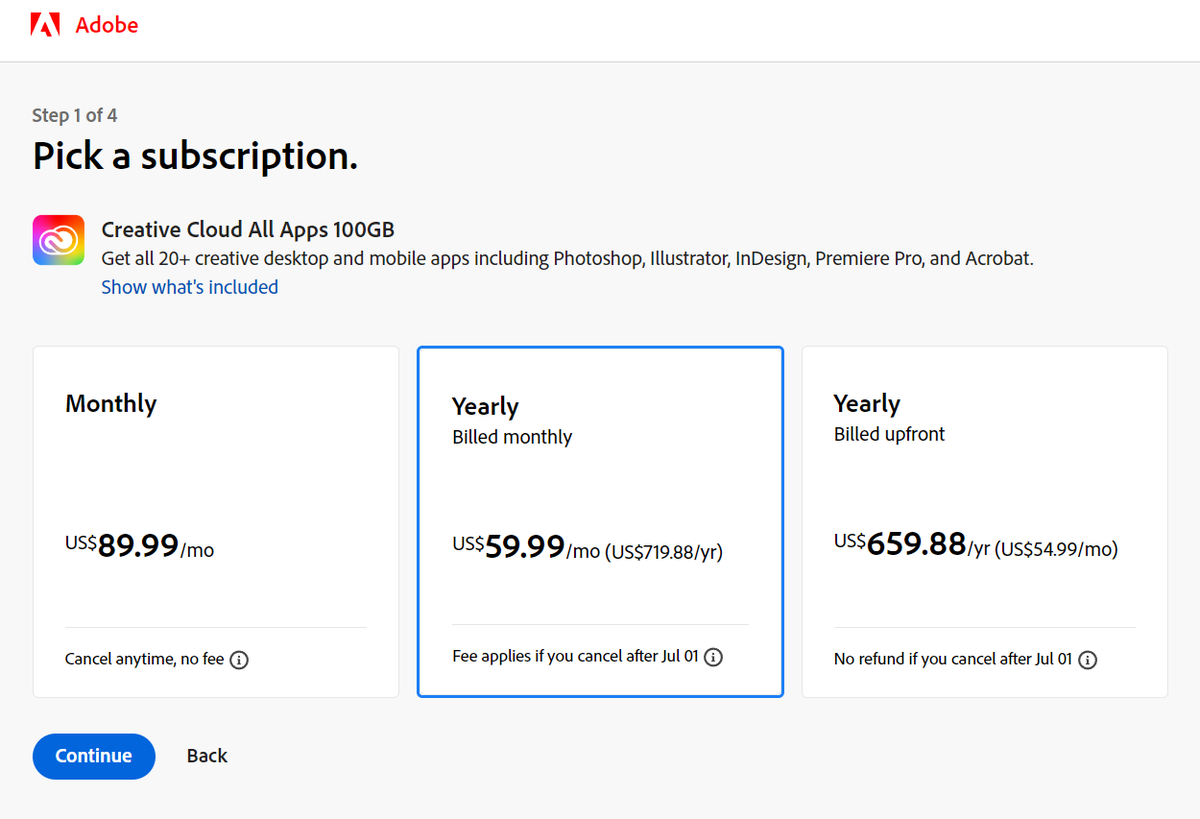
@Helene_FR @Adobe It’s all about AI. We’re paying for cpu cycles, power usage, and maybe bandwidth. We’d all be better off buying used Mac studios and running our own LLM’s on prem.
English
Dalcon Todd Productions
901 posts

@DalconTodd
Hollywood close to home....film production and post-production in Geneseo, Illinois.







Adobe's New Terms of Use: A Win for Creators, but AI Concerns Persist. Here's a quick rundown: Imagine logging into Photoshop, ready to work on a high-profile, confidential project, only to be slammed with new terms of use that seemingly handed Adobe free reign over your files. You can't even unsubscribe without accepting! Creatives went ballistic, rightfully concerned about the implications for their work and privacy. Adobe, facing a full-blown mutiny, scrambled to update their terms of use. They clarified ownership (you own your stuff, no questions asked!), clarified the license they have to operate their services, and most importantly, promised not to train generative AI models like Firefly on your data without explicit consent. While this stance on generative AI training was previously articulated in a blog post, it's now codified in Adobe's Terms of Use. This a huge win for creators, especially compared to the murky practices of most other cloud companies. But here’s where things get tricky… Under Section 4.3 of the new terms, Adobe can still very much train other types of machine learning models (think background removal etc.) using your private cloud data. Is this truly harmless "content analysis for product improvements" or a slippery slope towards broader AI training? Good news here is you can opt-out of this type of ML training by visiting Adobe's Content Analysis FAQ and following the instructions there. If you have a business account with Adobe, you're opted out by default. And in both cases, opting out of "content analysis for product improvement" doesn't diminish the capabilities you have access to. But what about the elephant in the room – the blurry line between cloud and desktop? Imagine you're that artist working on that NDA-protected project. Can you even USE generative fill in Photoshop without violating your agreement? You need an internet connection to use it, meaning confidential data does get sent to Adobe's servers. What are their data retention policies? What happens if there's a data breach? Adobe needs to provide clearer answers to these questions, especially for creators working with sensitive content who WANT to take advantage of the latest AI innovations. Maybe they can take a page from Apple's playbook and implement confidential computing, ensuring user data remains truly private and secure, even when processed in the cloud. It might be costly, but the alternative – a world where creators are constantly questioning the safety of their work – is far worse. Adobe's Terms of Use fiasco is a privacy wake-up call. As offline and cloud blur, Adobe has taken steps forward, but Section 4.3's ambiguity still allows machine learning on your cloud data. You can opt out, but the terms are ripe for misinterpretation and disputes. One thing is clear: in the age of AI, the fight for privacy, ownership, and control is far from over. Creators must remain vigilant, and companies like Adobe have a responsibility to prioritize transparency and protect the rights of those who rely on their tools to bring their visions to life.