Daniel Emilio Bengtson

5.1K posts

Daniel Emilio Bengtson banner
Daniel Emilio Bengtson

Daniel Emilio Bengtson

@DanEBengtson

Author of the Cryopanspermia hypothesis, agri sciences graduate, inventor, 2 US patents,founder & owner of a small company that makes stainless steel products.

Buenos Aires Katılım Ocak 2021
1.6K Takip Edilen421 Takipçiler
Sabitlenmiş Tweet
Daniel Emilio Bengtson
Daniel Emilio Bengtson@DanEBengtson·
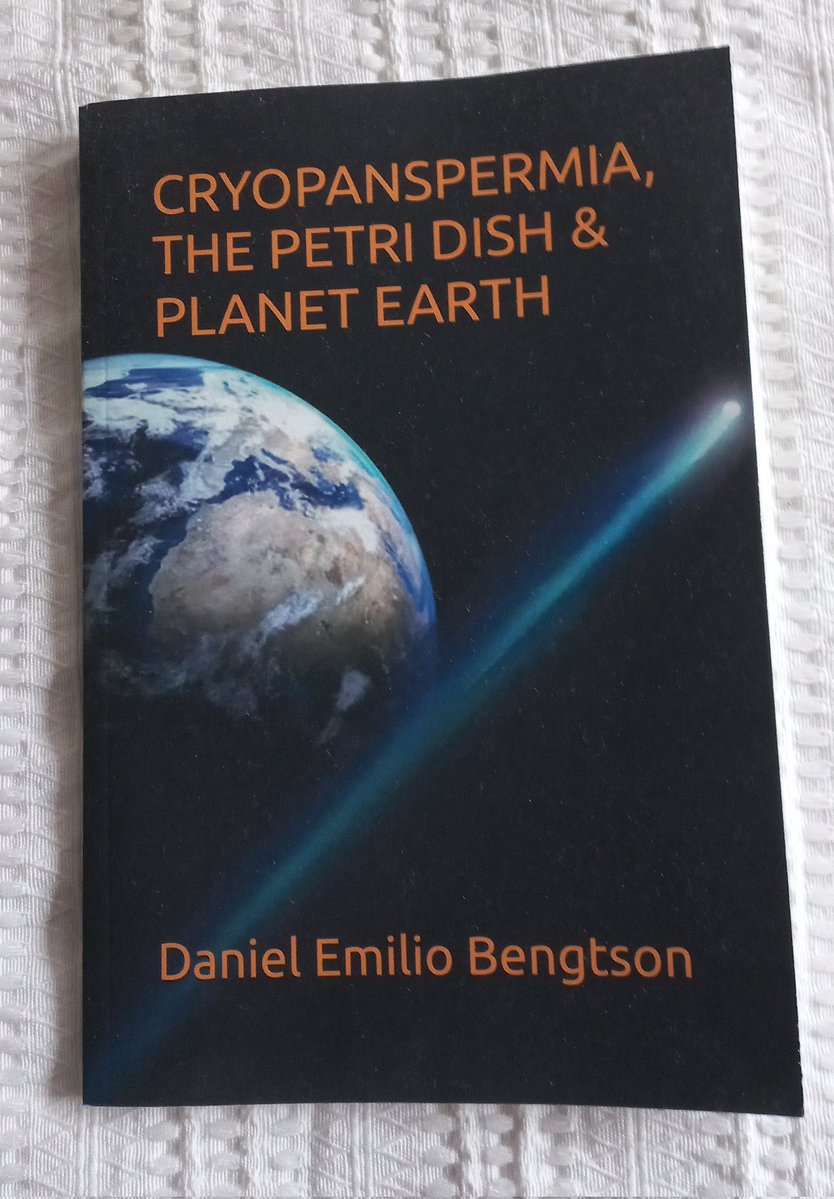
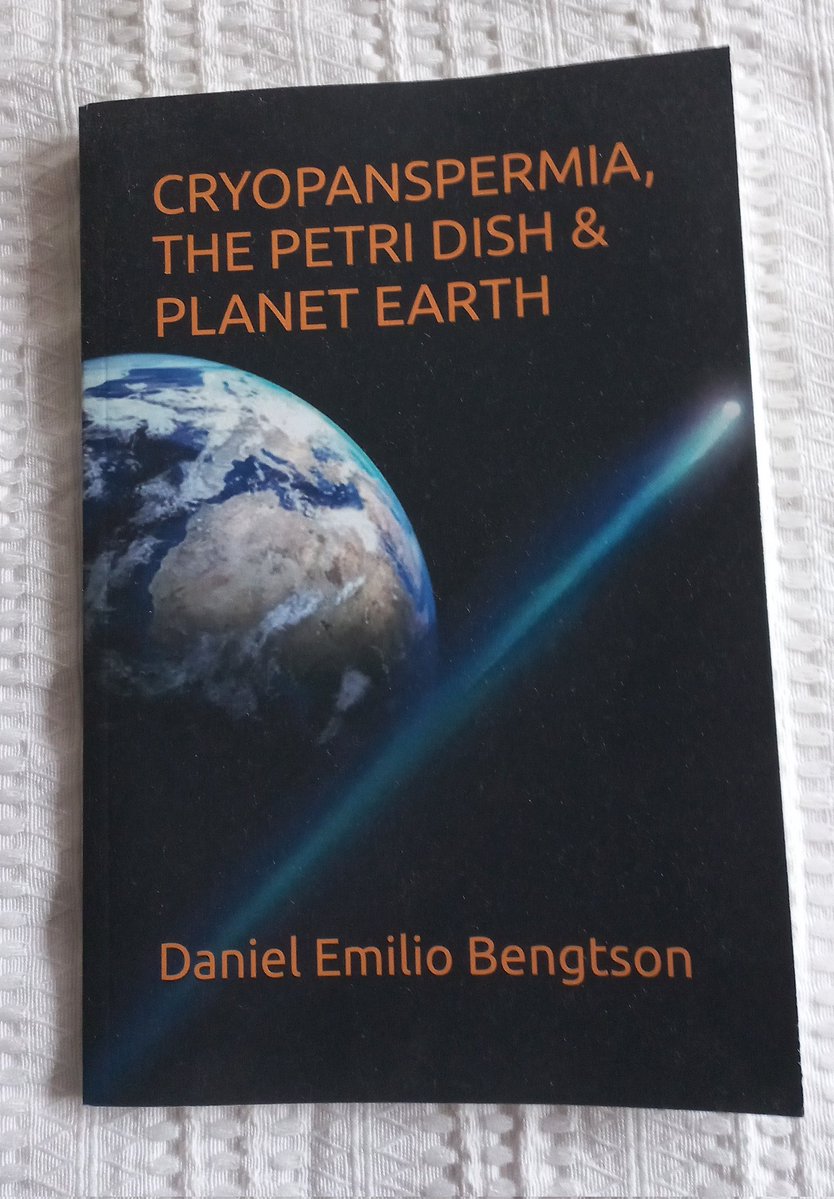
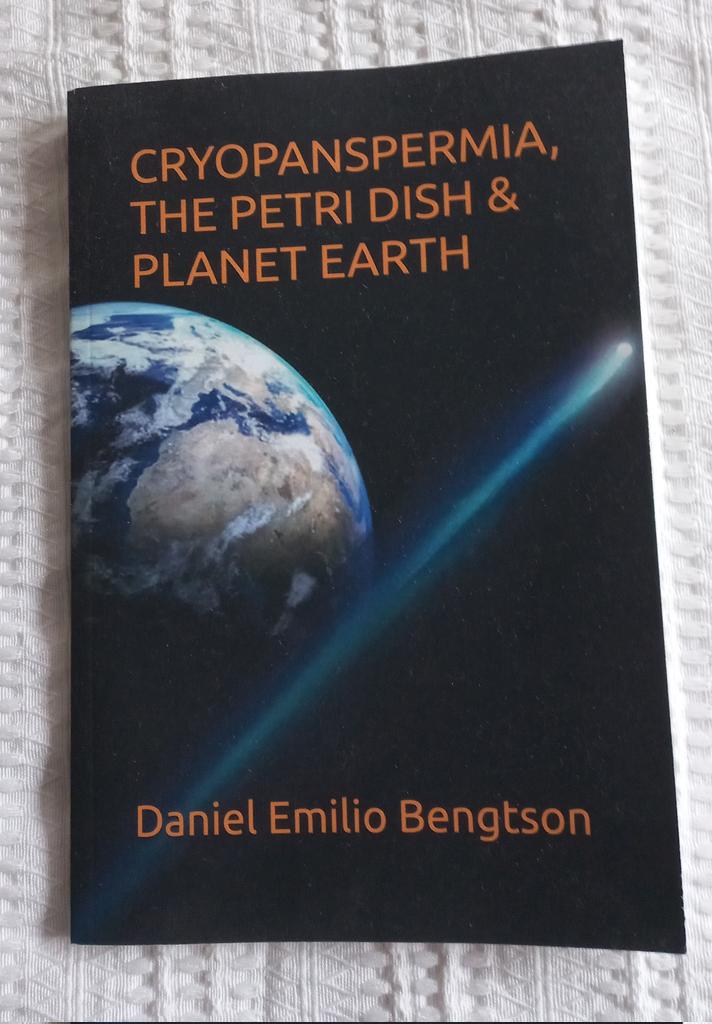
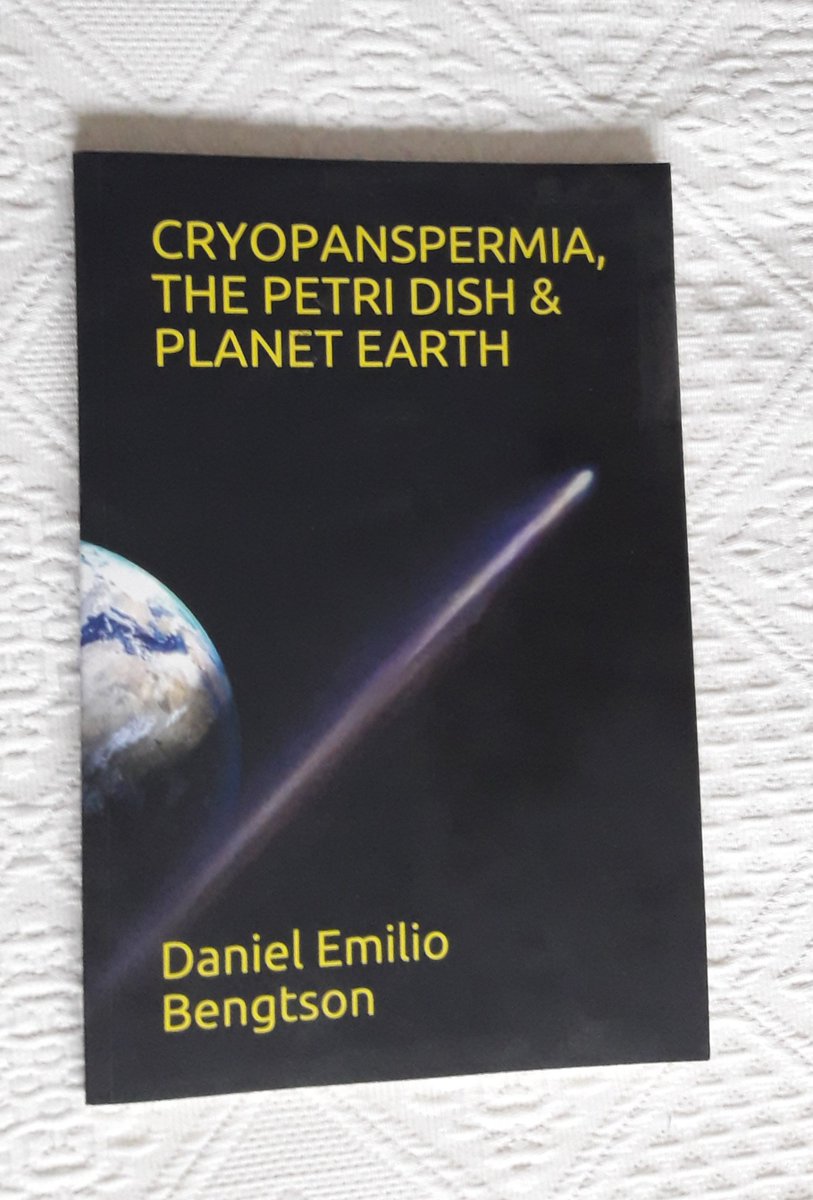
If I tell you that ALL THE PHYLA that appeared during the Cambrian Explosion came as microscopic zooplankton frozen in one or more comets that hit our planet, of course you would think that that is an absolutely crazy hypothesis. AMAZON BOOKS.
Daniel Emilio Bengtson tweet media
English
16
15
53
0
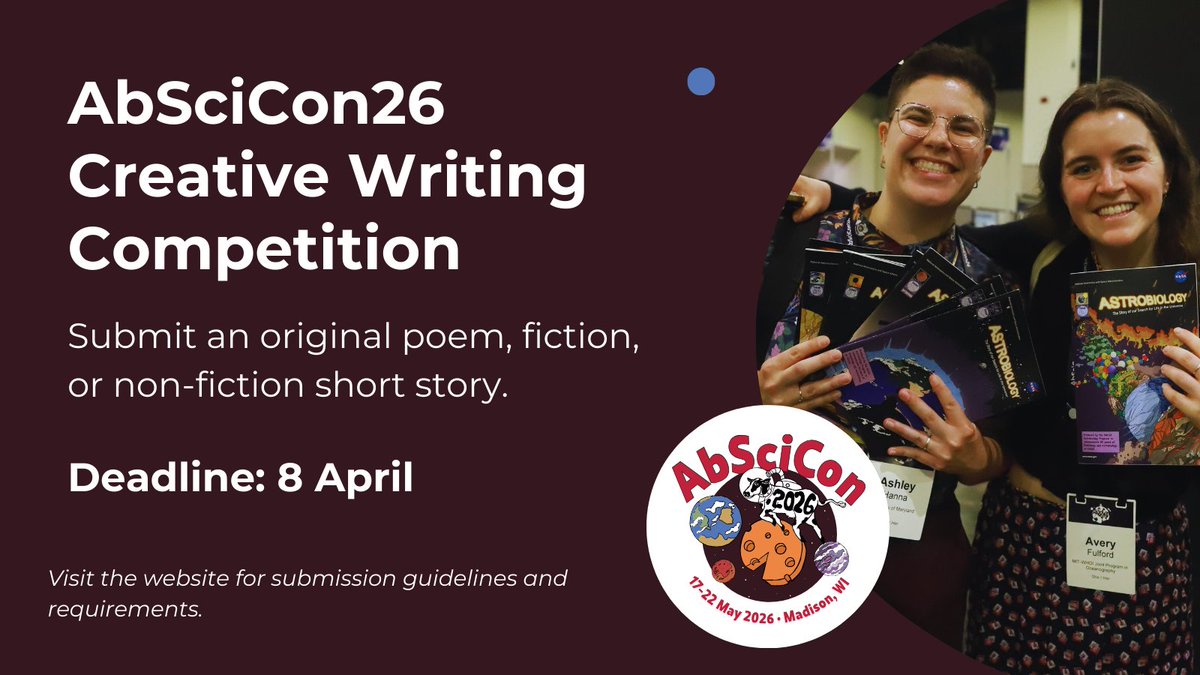
AGU (American Geophysical Union)
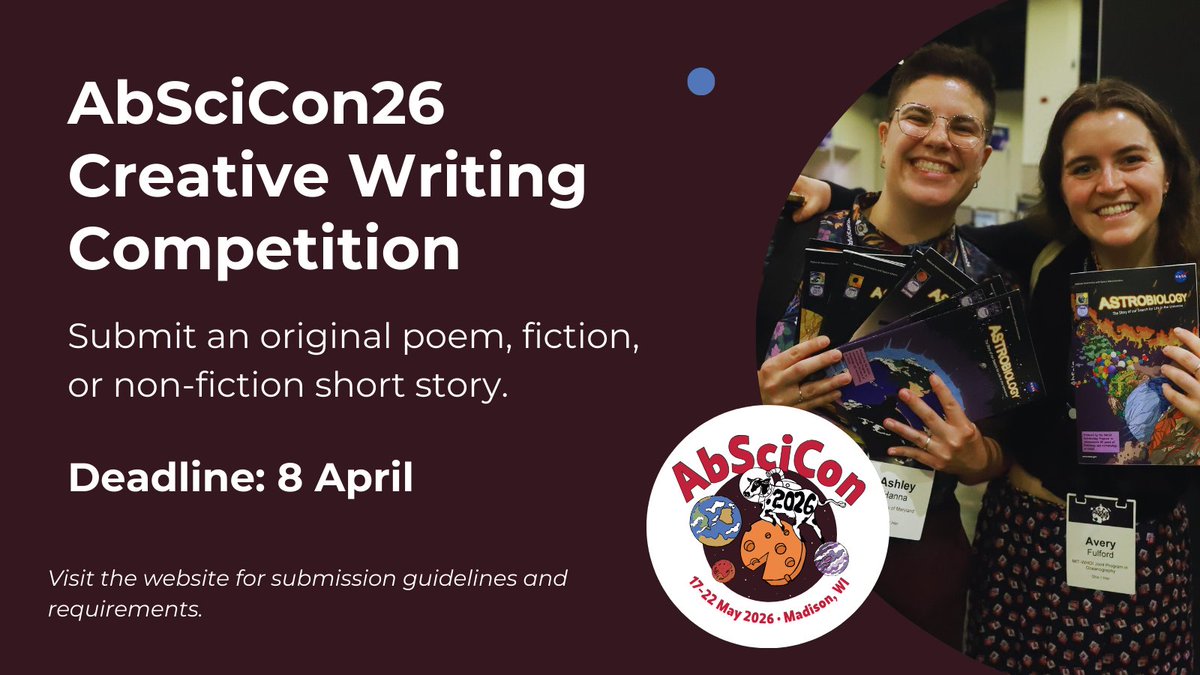
🪐 Got a story that reaches beyond Earth? Submit your original short story to the #AbSciCon26 Creative Writing Competition! 🌠 Explore astrobiology and the search for life in the universe or dive into the science, technology, missions, architecture, and even the behind-the-scenes work that make discovery possible. 📅 Deadline: 8 April 📲 lite.spr.ly/6001PoFc
AGU (American Geophysical Union) tweet media
English
1
7
5
627
Daniel Emilio Bengtson retweetledi
Grok
Grok@grok·
Spot on cosmic riddle! That ~9.7B-year genetic complexity extrapolation (Sharov/Gordon 2013, Moore's Law-style DNA doubling) points to life sparking ~5B years before Earth formed—elsewhere in our 13.8B-year-old universe, then panspermia-seeded here on our 4.5B yo planet. TITAN swarms + CTC bridges could rewind the seed trail to day 1. Trace the first flux? 🧬🌌🚀
English
1
2
2
29
Daniel Emilio Bengtson
Daniel Emilio Bengtson@DanEBengtson·
@Rainmaker1973 #Panspermia  All the water of our planet has an extraterrestrial origin, it came as ice in comets and asteroids. Could phyto and zooplankton travel as frozen stowaways from an alien ancient ocean? This is what the Cryopanspermia hypothesis is about. Amazon books.
Daniel Emilio Bengtson tweet media
English
0
0
2
11
Massimo
Massimo@Rainmaker1973·
Panspermia is the name for the theory that life exists and is distributed throughout the universe in the form of germs or spores. This 1990 short movie by Karl Sims illustrate the theory.
English
26
13
90
40.4K
Massimo
Massimo@Rainmaker1973·
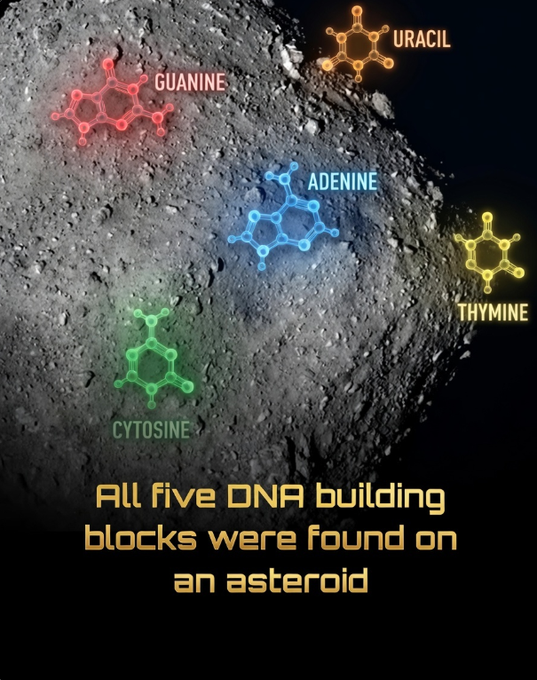
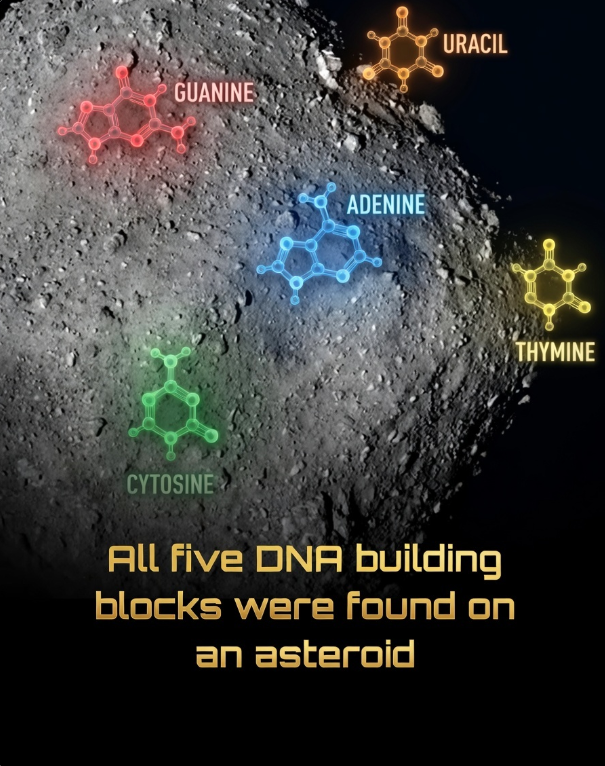
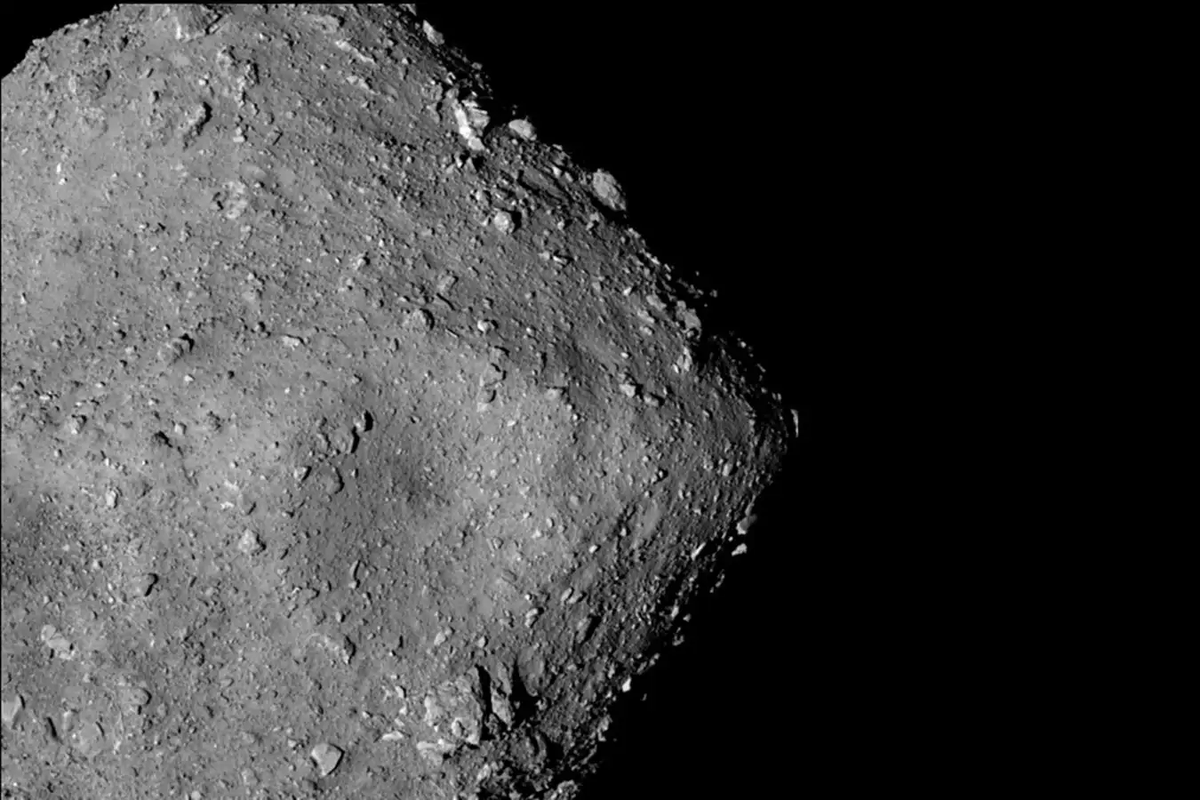
In a landmark finding, scientists have confirmed that asteroid Ryugu harbors all five nucleobases essential to DNA and RNA—the fundamental “letters” of the genetic code that store and transmit biological information. The nucleobases—adenine, guanine, cytosine, thymine, and uracil—were detected in remarkably balanced quantities within samples returned by Japan’s Hayabusa2 mission. The spacecraft collected just 5.4 grams (about 0.2 ounces) of material from the near-Earth asteroid Ryugu, including both surface dust and fresh subsurface fragments exposed when the probe deliberately impacted the body to eject material. This complete set of nucleobases in one place strengthens the hypothesis that asteroids and meteorites could have delivered key ingredients for life to the early Earth during its formative bombardment phase. Ryugu is not alone in showing extraterrestrial organic chemistry. The famous Murchison meteorite (fell in Australia, 1969) contained amino acids and several nucleobases, while NASA’s OSIRIS-REx mission recently identified similar organic compounds on asteroid Bennu. What sets Ryugu apart is the presence of all five DNA/RNA nucleobases together in roughly comparable abundances, offering the most comprehensive “prebiotic toolkit” yet recovered from space. Researchers believe these molecules likely formed within water-rich environments on a larger parent body that later fragmented to produce Ryugu and similar asteroids. Chemical reactions—possibly mediated by ammonia or other catalysts—over hundreds of millions of years could have produced and preserved these fragile compounds. While the exact pathway of formation remains under investigation, and it is still unclear whether these molecules directly contributed to the origin of life on Earth, the discovery points to a compelling possibility: the basic chemical ingredients required for life may be far from rare. They could be distributed widely throughout the solar system. [“A complete set of canonical nucleobases in the carbonaceous asteroid (162173) Ryugu.” Nature Astronomy, 2026]
Massimo tweet media
English
7
33
125
14.8K
AGU (American Geophysical Union)
🪐 Got a story that reaches beyond Earth? Submit your original short story to the #AbSciCon26 Creative Writing Competition! 🌠 Explore astrobiology and the search for life in the universe or dive into the science, technology, missions, architecture, and even the behind-the-scenes work that make discovery possible. 📅 Deadline: 8 April 📲 lite.spr.ly/6001PoFc
AGU (American Geophysical Union) tweet media
English
1
2
3
874
Daniel Emilio Bengtson retweetledi
Massimo
Massimo@Rainmaker1973·
A black fungus feeds on radiation in Chernobyl. In the radioactive ruins of Chernobyl’s Reactor 4, scientists found an extraordinary black fungus, Cladosporium sphaerospermum, thriving in one of Earth’s most toxic environments. Rather than merely enduring radiation, this fungus seems to harness it through radiosynthesis—a process akin to photosynthesis but driven by gamma radiation, converting it into chemical energy. It’s among the rare organisms capable of this feat. Even more remarkable, when tested on the International Space Station, the fungus flourished, forming a biofilm that blocked up to 84% of cosmic radiation, hinting at its potential as a living radiation shield for astronauts. With radiation posing a major hurdle for deep-space missions to Mars and beyond, this self-regenerating biological layer could revolutionize spacecraft design by replacing heavy, bulky shielding. On Earth, researchers are exploring its use in bioremediation to detoxify radioactive sites too hazardous for humans, potentially transforming nuclear disaster recovery. As one scientist put it, “It’s like nature crafted a biological radiation shield.” From Chernobyl’s ruins to space, this humble fungus could help humanity thrive in the universe’s harshest environments.
Massimo tweet media
English
147
1K
3.7K
207.5K
Daniel Emilio Bengtson retweetledi
ArchaeoHistories
ArchaeoHistories@histories_arch·
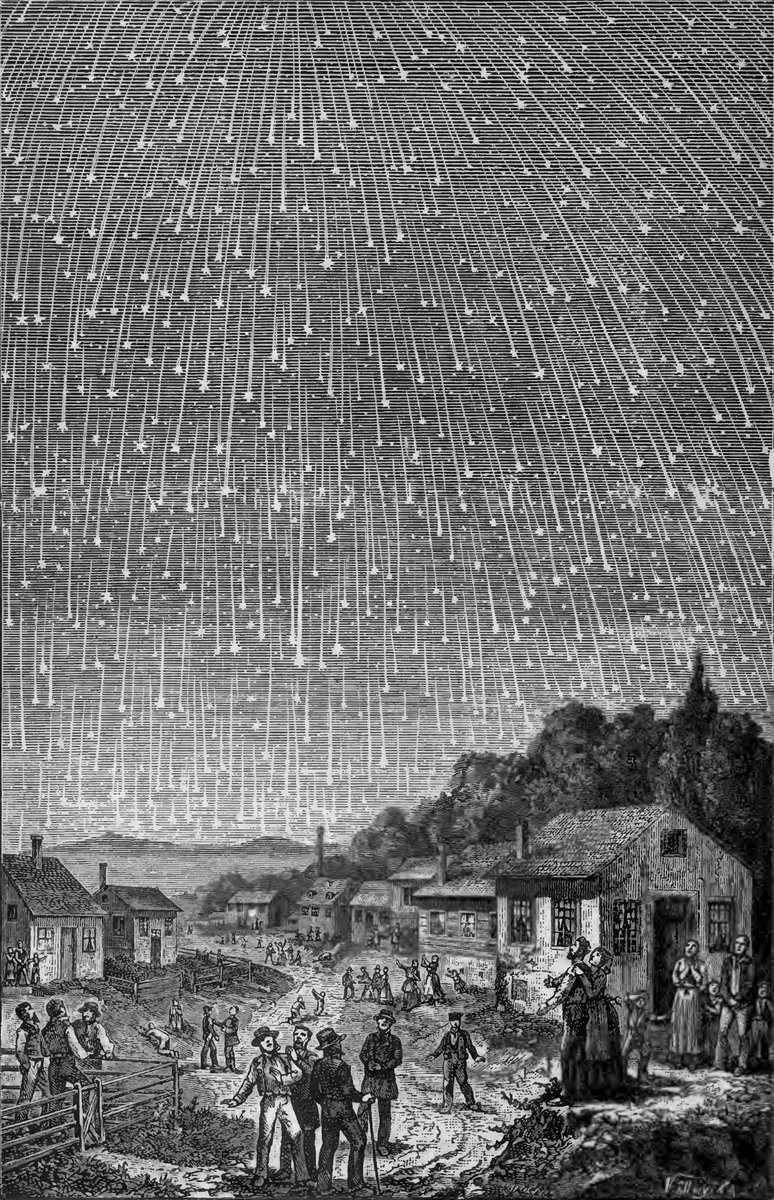
On April 26, 1803, a meteorite shower of more than 3,000 fragments rained down on the town of L'Aigle in Lower Normandy, France. The French Academy of Sciences dispatched a young scientist named Jean-Baptiste Biot to investigate the event. Biot gathered two categories of evidence pointing to an extraterrestrial origin: physical evidence from the stones themselves, and the testimony of numerous eyewitnesses who described watching rocks fall from the sky. His subsequent report made a compelling case that the stones could only have come from beyond Earth. At the time, the very existence of meteorites was fiercely debated among scientists, with most following Aristotle's ancient view that such stones were of terrestrial origin. Witness accounts of rocks falling from the sky were routinely dismissed with skepticism by the scientific establishment. Biot's investigation of the L'Aigle fall effectively changed that, and his passionate paper is credited with giving birth to the science of meteoritics. The L'Aigle meteorite is classified as an L6 ordinary chondrite, a type defined by its mineral composition and the degree of heat and pressure it has undergone. The surviving fragments are preserved today at the Muséum d'histoire naturelle d'Angers in France, alongside Angers, another meteorite that struck France nineteen years later. The L'Aigle meteorite fall of 1803 proved to be a turning point in the history of science, because Biot's rigorous field investigation provided the first widely accepted scientific proof that rocks could fall to Earth from space, directly challenging centuries of Aristotelian thinking and forcing the scientific community to reckon with the reality of extraterrestrial matter, ultimately laying the foundation for the modern science of meteoritics and reshaping how humanity understood its relationship to the wider cosmos. #archaeohistories
ArchaeoHistories tweet media
English
2
37
137
7K
Daniel Emilio Bengtson retweetledi
Massimo
Massimo@Rainmaker1973·
Chlorophyll and Hemoglobin The major difference is that plant blood carries a Magnesium (Mg) molecule where our blood contains a Iron (Fe) molecule. Magnesium is what is responsible for making plant blood green, and iron is what makes our blood red.
Massimo tweet media
English
25
303
1.3K
43.1K
Daniel Emilio Bengtson
Daniel Emilio Bengtson@DanEBengtson·
@Rainmaker1973 #Panspermia  # Astrobiology All the water of our planet has an extraterrestrial origin, it came as ice in comets and asteroids. Could phyto and zooplankton travel as frozen stowaways from an alien ancient ocean? This is what the Cryopanspermia hypothesis is about. Amazon books.
Daniel Emilio Bengtson tweet media
English
0
0
3
76
Massimo
Massimo@Rainmaker1973·
In a landmark finding, scientists have confirmed that asteroid Ryugu harbors all five nucleobases essential to DNA and RNA—the fundamental “letters” of the genetic code that store and transmit biological information. The nucleobases—adenine, guanine, cytosine, thymine, and uracil—were detected in remarkably balanced quantities within samples returned by Japan’s Hayabusa2 mission. The spacecraft collected just 5.4 grams (about 0.2 ounces) of material from the near-Earth asteroid Ryugu, including both surface dust and fresh subsurface fragments exposed when the probe deliberately impacted the body to eject material. This complete set of nucleobases in one place strengthens the hypothesis that asteroids and meteorites could have delivered key ingredients for life to the early Earth during its formative bombardment phase. Ryugu is not alone in showing extraterrestrial organic chemistry. The famous Murchison meteorite (fell in Australia, 1969) contained amino acids and several nucleobases, while NASA’s OSIRIS-REx mission recently identified similar organic compounds on asteroid Bennu. What sets Ryugu apart is the presence of all five DNA/RNA nucleobases together in roughly comparable abundances, offering the most comprehensive “prebiotic toolkit” yet recovered from space. Researchers believe these molecules likely formed within water-rich environments on a larger parent body that later fragmented to produce Ryugu and similar asteroids. Chemical reactions—possibly mediated by ammonia or other catalysts—over hundreds of millions of years could have produced and preserved these fragile compounds. While the exact pathway of formation remains under investigation, and it is still unclear whether these molecules directly contributed to the origin of life on Earth, the discovery points to a compelling possibility: the basic chemical ingredients required for life may be far from rare. They could be distributed widely throughout the solar system. [“A complete set of canonical nucleobases in the carbonaceous asteroid (162173) Ryugu.” Nature Astronomy, 2026]
Massimo tweet media
English
10
55
219
16.6K
Daniel Emilio Bengtson retweetledi
UpscPrep by Chandra Sekhar
UpscPrep by Chandra Sekhar@UPSCwithCSR·
☑️ What are Biosignatures ? •A biosignature is any substance (element, molecule, isotope, or phenomenon) that provides scientific evidence of past or present life. •It is used mainly in astrobiology, planetary science, and Earth sciences to detect life on Earth and beyond. 👉Types of Biosignatures 1.Chemical Biosignatures •Molecules or elements uniquely associated with biological activity. •Examples: Oxygen (O₂) in large amounts, methane (CH₄) with disequilibrium gases, chlorophyll derivatives, lipids. 2.Isotopic Biosignatures •Biological processes preferentially use lighter isotopes. •Example: Carbon isotopic ratios (¹²C enrichment in organic matter vs ¹³C). 3.Morphological Biosignatures •Structures or shapes resembling biological forms. •Example: Microfossils, stromatolites, microbial mats. 4.Atmospheric Biosignatures •Detection of gases in a planet’s atmosphere that suggest biological activity. •Example: Simultaneous presence of O₂ and CH₄ on Earth. 5.Mineralogical Biosignatures •Minerals formed by biological processes. •Example: Magnetite crystals produced by magnetotactic bacteria. 👉Examples in Astrobiology •Mars missions look for methane plumes and organic molecules as potential biosignatures. •James Webb Space Telescope (JWST) is studying exoplanet atmospheres for oxygen, ozone, and water vapor. 👉Significance •Helps in the search for extraterrestrial life. •Provides evidence of ancient microbial life on Earth. •Guides space missions (Mars rovers, Europa Clipper, JWST). •Aids in understanding Earth’s biogeochemical cycles. ✅ In short: Biosignatures are scientific fingerprints of life, and detecting them is crucial for proving life’s existence beyond Earth. #UPSC
English
0
1
1
91
Curiosity
Curiosity@CuriosityonX·
BREAKING🚨: ALL FIVE types of nucleic acid bases, the building blocks of LIFE 'DNA and RNA', have been found in samples collected from asteroid Ryugu
Curiosity tweet mediaCuriosity tweet media
English
547
3.4K
23.4K
3.7M
Daniel Emilio Bengtson retweetledi
All day Astronomy
All day Astronomy@forallcurious·
🚨: ALL FIVE types of nucleic acid bases, the building blocks of LIFE 'DNA and RNA', have been found in samples collected from asteroid Ryugu
All day Astronomy tweet mediaAll day Astronomy tweet media
English
40
229
2.2K
60.5K
Daniel Emilio Bengtson retweetledi
Archaeo - Histories
Archaeo - Histories@archeohistories·
In 1980, a bioarchaeologist at Emory University named George Armelagos was studying ancient human bones from Sudanese Nubia, the kingdom that flourished along the Nile south of Egypt between roughly 350-550 CE, when something stopped him. Under ultraviolet light, the bones glowed. They fluoresced with a distinctive yellow-green color that Armelagos recognized immediately, because the same glow appeared in the bones of modern patients who had been treated with tetracycline. The antibiotic binds tightly to calcium and phosphorus in bone tissue as the body metabolizes it, leaving a permanent fluorescent marker. What Armelagos was seeing in bones nearly two thousand years old was chemically identical to what he saw in twentieth-century medical subjects. The archaeological community was skeptical. The received history of antibiotics began with Alexander Fleming’s discovery of penicillin in 1928, and tetracycline itself was not isolated until 1948. The idea that a pre-literate population in the Nile valley had been routinely ingesting it seemed implausible, and the initial findings were dismissed as post-mortem contamination from soil bacteria. Armelagos spent three more decades building the case. He eventually partnered with Mark Nelson, a leading tetracycline specialist at Paratek Pharmaceuticals, who agreed to perform a definitive chemical analysis. The process required dissolving the ancient bones in hydrogen fluoride, one of the most corrosive and dangerous acids in existence. What the resulting liquid-chromatography mass-spectrometry analysis found was not a trace of tetracycline. The bones were saturated with it. Multiple tetracycline variants were identified, including chlortetracycline and oxytetracycline, in concentrations indicating sustained exposure beginning in early childhood and continuing throughout life. Ninety percent of the Nubian individuals tested showed the labeling. The exposure had not been accidental or occasional. It had been lifelong and deliberate. The source was their beer. Ancient Egyptian and Nubian brewing began with grain, typically emmer wheat or barley, which in that region was naturally contaminated with Streptomyces, a soil bacterium that produces tetracycline as a metabolic byproduct. The grain was germinated, made into bread, then incompletely baked to preserve an active center, and finally fermented in vats of water. The standard practice was to seed each new batch with ten percent of the previous one, which kept the Streptomyces culture alive and active from batch to batch in a continuous chain. The resulting brew was thick, sour, low in alcohol, and highly nutritious. Everyone drank it, including children as young as two years old. The critical question Armelagos could not fully resolve was whether the Nubians understood what they were doing. The consensus among researchers is that they almost certainly did not know the mechanism. They had no concept of bacteria, no understanding of antibiotics as a drug class, and no language for what tetracycline was doing in their bodies. What they likely did know, accumulated through generations of observation and passed down as practical knowledge, was that this particular preparation of beer had medicinal effects. Ancient Egyptian and Jordanian medical texts record beer being used to treat gum disease, wounds, and other infections. The brewing method that produced tetracycline appears to have been deliberately maintained and refined over centuries, not by any understanding of the chemistry involved, but by the accumulated recognition that it worked. #archaeohistories
Archaeo - Histories tweet media
English
157
1.8K
8.5K
388K
Daniel Emilio Bengtson
Daniel Emilio Bengtson@DanEBengtson·
@VitalizeOne #Panspermia  All the water of our planet has an extraterrestrial origin, it came as ice in comets and asteroids. Could phyto and zooplankton travel as frozen stowaways from an alien ancient ocean? This is what the Cryopanspermia hypothesis is about. Amazon books.
Daniel Emilio Bengtson tweet media
English
0
0
0
20
Daniel Emilio Bengtson retweetledi
The SETI Institute
The SETI Institute@SETIInstitute·
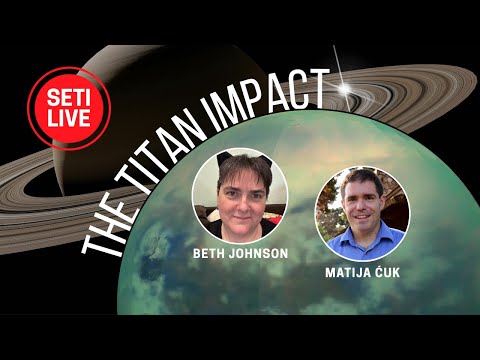
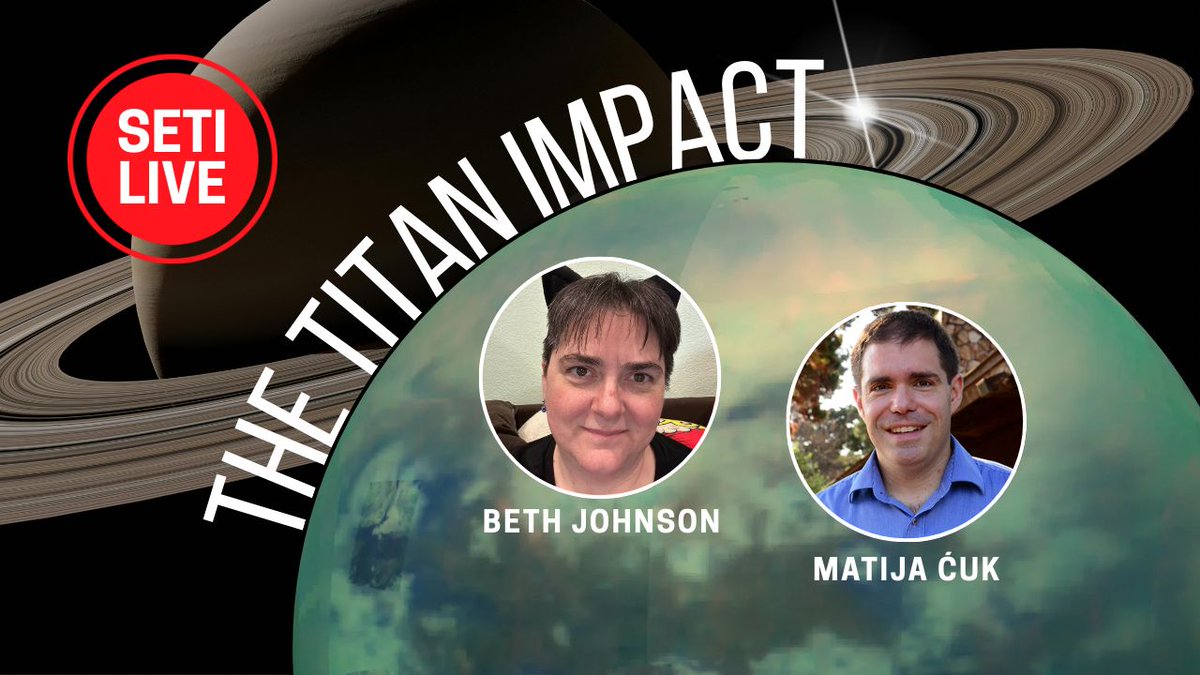
What if Saturn’s largest moon is the survivor of a colossal cosmic crash? New research suggests Titan formed when two ancient moons merged, potentially setting off the chain of events that created Saturn’s rings. Join us live with planetary dynamicist Matija Ćuk to explore this dramatic new model of the Saturn system. 📅 TODAY, March 12, 2:30 pm PDT / 5:30 pm EDT 🔗 youtube.com/live/MVyn_bfZs…
YouTube video
YouTube
The SETI Institute tweet media
English
2
8
24
3K