
Daniel Goldman
4.8K posts

@mariashriver Cool No government $$ ever should be the expectation!!
English

Bravo 👏
The Washington Post@washingtonpost
NPR announced a $113 million windfall from two charitable donors, including billionaire philanthropist Connie Ballmer, months after Congress voted to strip federal dollars for public media. Ballmer gave $80 million, the largest gift by a living donor in the organization’s history. wapo.st/3Ow86CJ
Português
Daniel Goldman retweetledi


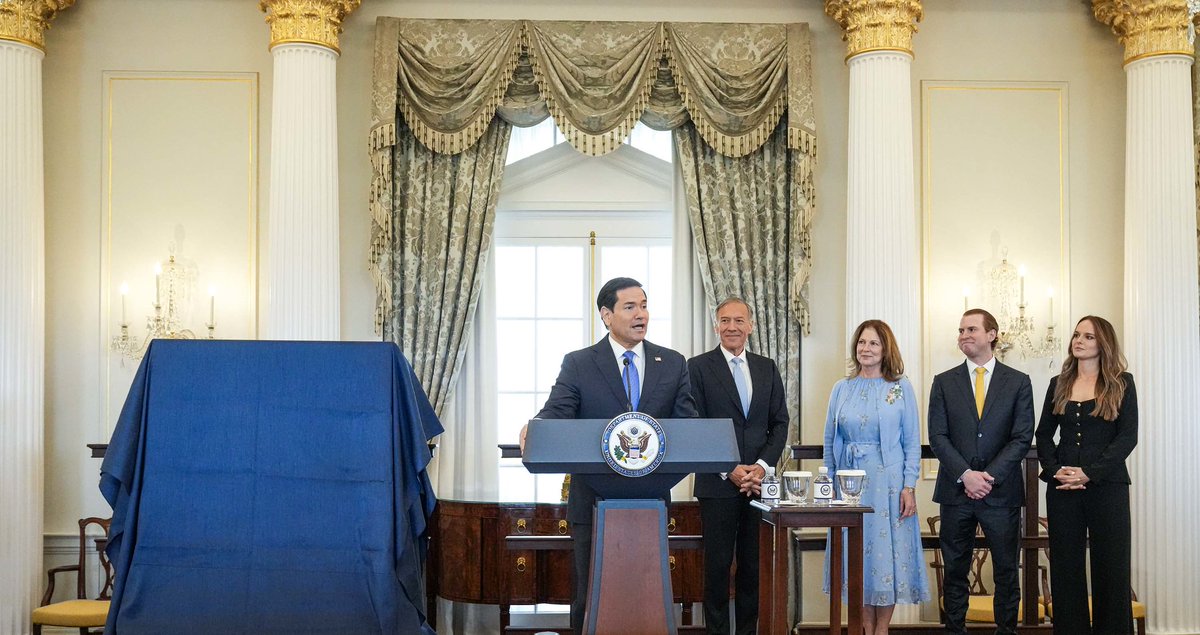
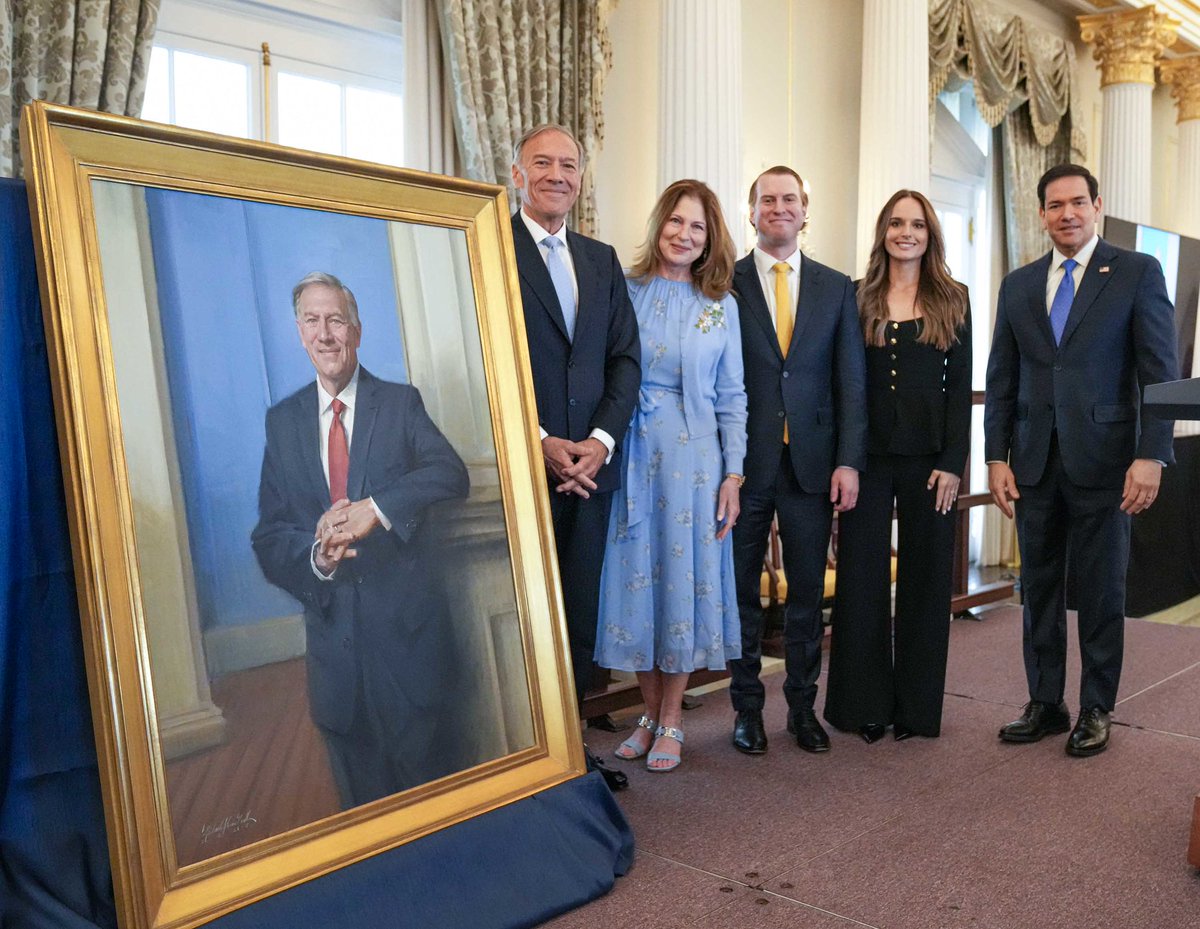
It was immensely humbling to return to the State Department for the unveiling of my official portrait. Serving our nation as the 70th Secretary of State was the greatest honor of my life, and I'm so grateful to @SecRubio and everyone who made this special day possible.
English
They have a dream: 25 stories to mark 250 years of America. Times of London
thetimes.com/article/6269ab…
English

Pancreatic cancer mRNA vaccine shows lasting results in an early trial. Scientists caution that more research is needed, but nearly all of the patients who responded to the personalized vaccine are still alive six years later.
nbcnews.com/health/cancer/…
English
Daniel Goldman retweetledi

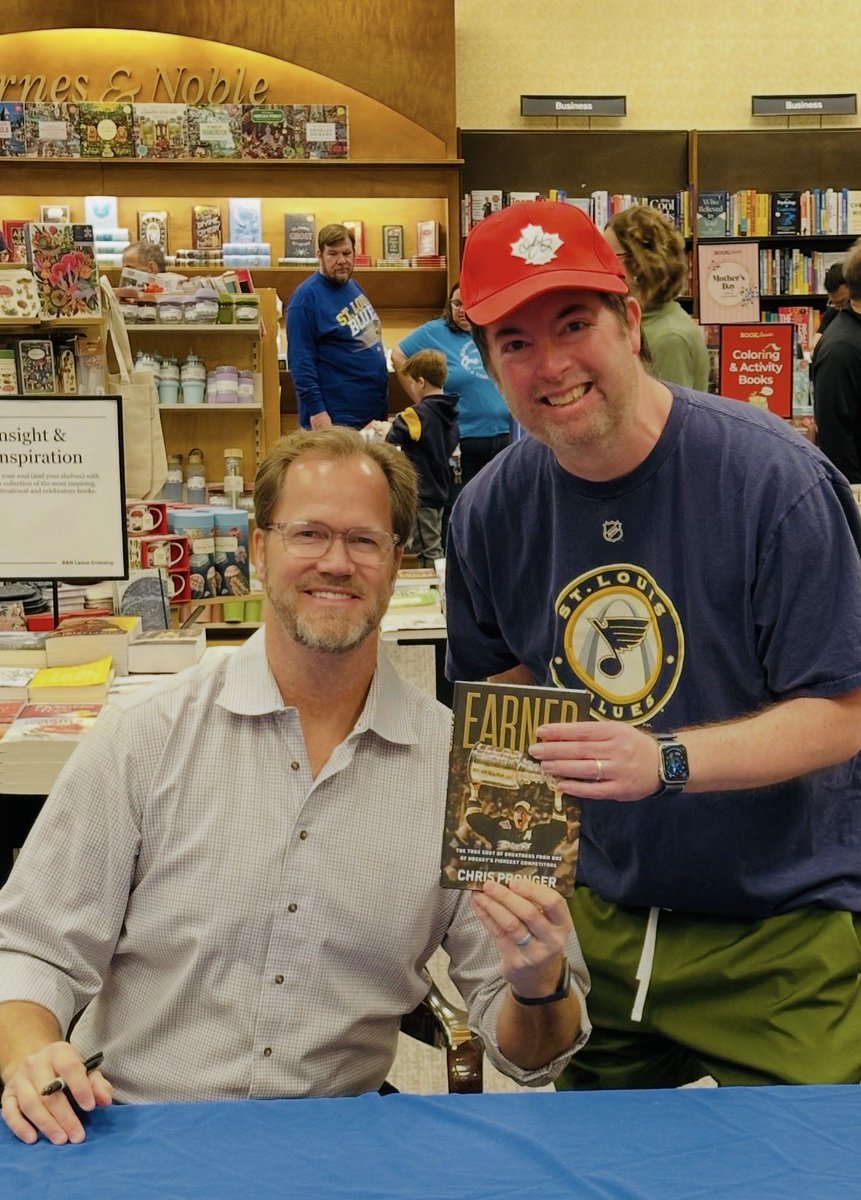
Chris Pronger was Hart Trophy-winning defenseman youtu.be/V3WPmy48iT8?si… via @YouTube

YouTube
English
Daniel Goldman retweetledi

TRUMP ON SOCIAL MEDIA: The U.S. Navy Guided Missile Destroyer USS SPRUANCE intercepted the TOUSKA in the Gulf of Oman, and gave them fair warning to stop. The Iranian crew refused to listen, so our Navy ship stopped them right in their tracks by blowing a hole in the engineroom. Right now, U.S. Marines have custody of the vessel.
English
Daniel Goldman retweetledi
U.S. VICE PRESIDENT VANCE TO LEAD AMERICAN DELEGATION FOR TALKS WITH IRAN IN PAKISTAN - ABC NEWS, CITING U.S. AMBASSADOR TO U.N.
English
Daniel Goldman retweetledi

"...We’re offering a very fair and reasonable DEAL, and I hope they take it because, if they don’t, the United States is going to knock out every single Power Plant, and every single Bridge, in Iran. NO MORE MR. NICE GUY..." - President Donald J. Trump

English